
- BGG-Bewertung
- 7,5
Alhambra: Big Box
- 2–6 Spieler
- 60 Min.
- Komplexität 2,3/5
- 2009
1992
Regelhilfe für Alhambra: The Card Game
Verständliche Erklärungen zu Spielzügen, Karteneffekten und strittigen Situationen mit Verweisen auf offizielle Quellen und gespeichertem Fragenverlauf.
Für 2 Personen
Was möchtest du wissen?
Antworten stammen aus dem offiziellen Regelheft, mit Seitenangabe zum Nachprüfen.
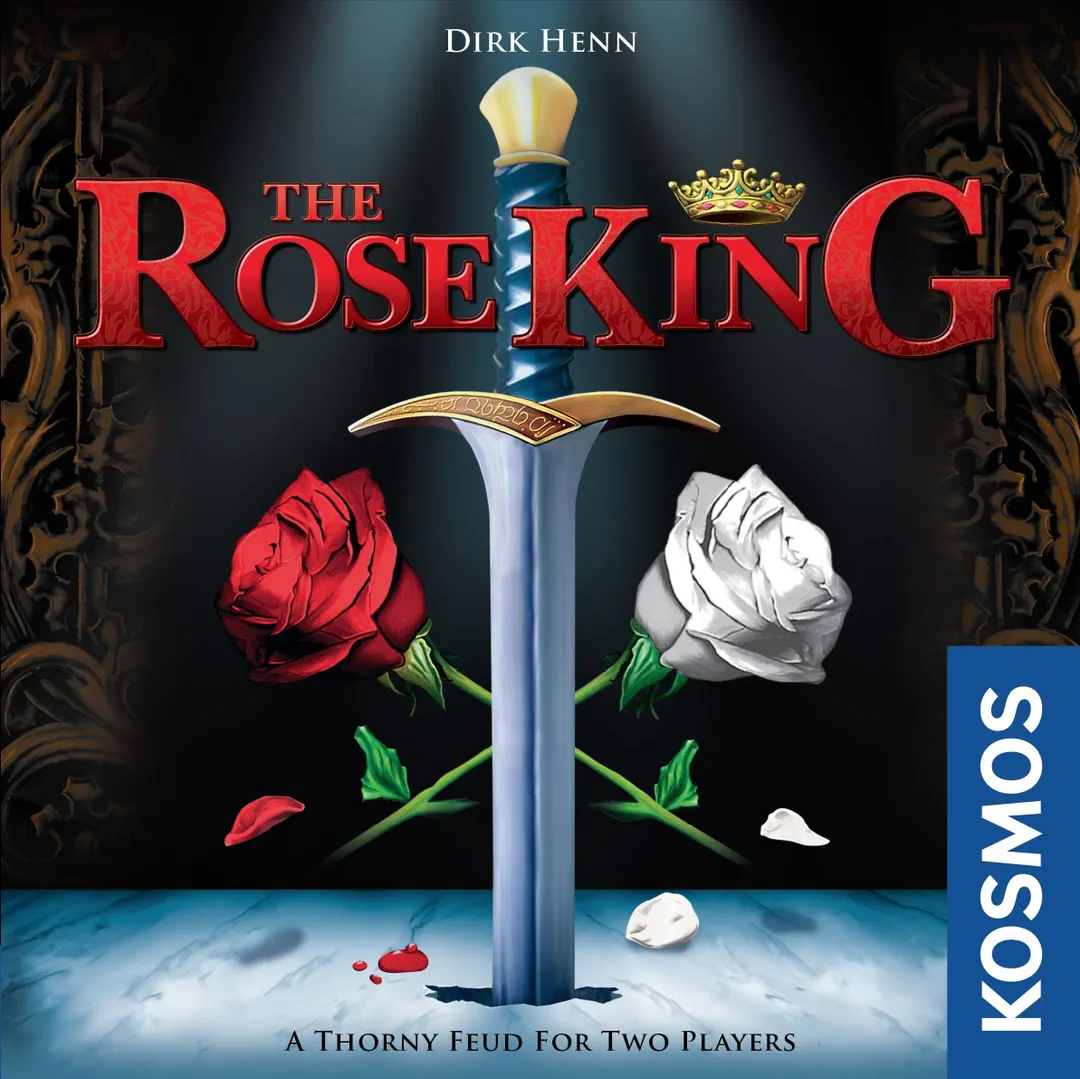
Alhambra: The Card Game ist ein Brettspiel aus dem Jahr 1992 für 2–6 Personen, mit 45 Minuten pro Partie und ab 10 Jahren. Entwickelt wurde es von Dirk Henn; die wichtigsten Mechaniken sind Hand Management, Set Collection und Area Majority / Influence.

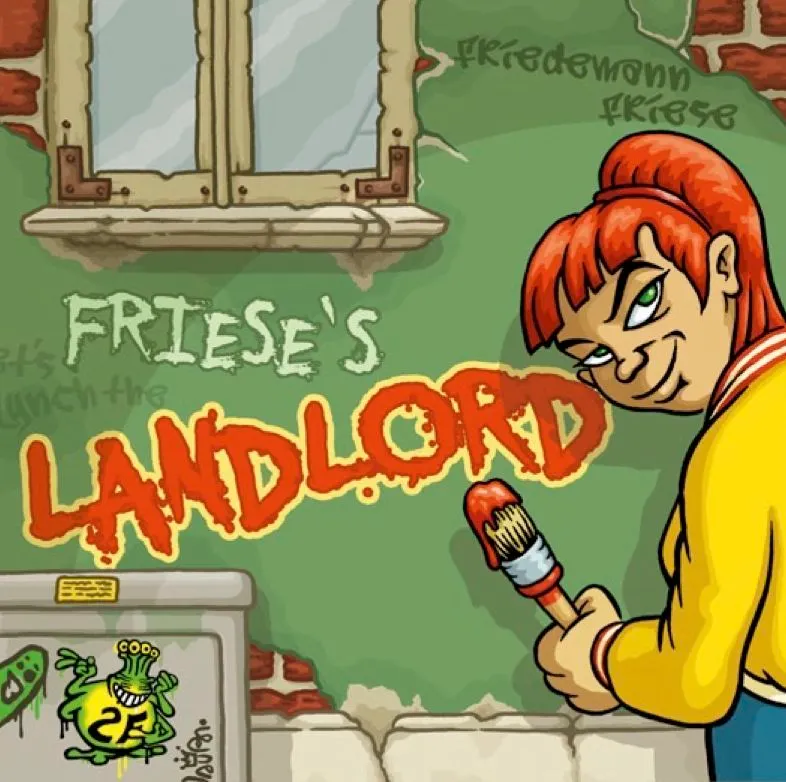
Auf Englisch
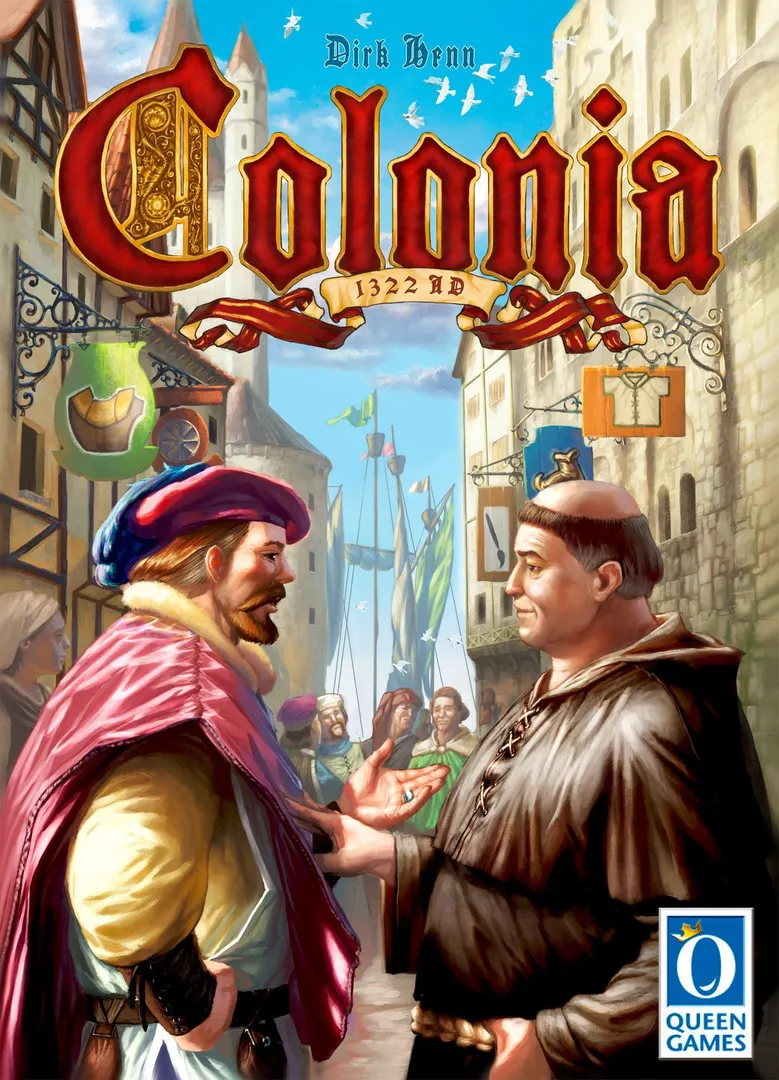
Alhambra: The Card Game is a game that both inspired and was named after the more popular, award-winning game and franchise, Alhambra. This game has been released in several different versions, with the same core rules but different themes. The 2010 release of the game re-themed what was then called Stimmt So! to Alhambra: The Card Game, after the popular Game: Alhambra franchise and related, award-winning game Alhambra. Alhambra, is itself derived from Stimmt So!. The original version of the game, Al Capone, was published in 1992 by a self-publishing company, db-Spiele, which was owned by the game designer Dirk Henn. The re-theming of Stimmt So! and Alhambra: The Card Game resulted in the same game with different themes and only minor differences. Changes between Stimmt So! to Alhambra: The Card Game include: 1) The initial money rules from Alhambra are used. 2) The 2 player variant rules from Alhambra are used. Stimmt So! A description of this version: Using mechanics similar to Union Pacific or its predecessor, Airlines, this game is about acquiring stock interests in the various aspects of a large corporation. There are six different types of stock, which will reward the majority and sometimes the minority stockholders throughout the game. Stock is made available by drawing cards on a four-card queue. Each of the positions on the queue is a different stock market, which means there are four different currencies (Dollar, Euro, Ruble, Yen). The currency cards are drawn from another queue on the same board. A turn is quite simple - either take one of the four available currency cards or use some of your currency cards to purchase one of the available stocks. If you pay more than the amount indicated on the stock card, the excess is lost. However, if you purchase the stock for the exact printed price, then you can buy another stock, and so on. After two randomly distributed payouts, the game ends with a final payout with the final stock card. The player with the highest payout point total is the winner. Al Capone A description of this version: Using Influence cards, you collect Trade cards from different areas of town under the Mafia control, giving you control over the Distillery, the Chinese Laundry, the Betting Shop, etc. If you spend the exact amount of Influence required, you get another turn, and so on. Scoring occurs randomly twice during the game and at the end. When the first scoring occurs, only the majority holder in each Trade scores. When the second scoring occurs, the first and second majority holders score, and at the final scoring, the first three majority holders score. Ties are split accordingly. Other versions/re-themes: Alhambra Bonn card game is Alhambra the card game with the Bonn theme. Originally as a limited run for Bonn, Germany and surrounding areas. There is also a Alhambra New York card game which is currently out of print, as well as an Alhambra Nederland card game. The re-themes are collectors items that people like to collect. Player Counts: Earlier versions typically had a player count of 3-6 players while more recent versions, such as New York, is listed as 2-6 players.
Laut Katalog unterstützt Alhambra: The Card Game 2–6 Personen. Diese Spanne entspricht der vom Verlag angegebenen Spielerzahl, das Spiel lässt sich also für jede Gruppengröße innerhalb dieser Spanne aufbauen. Aufbau, einzelne Regeln und Wertungsdetails können je nach Personenzahl trotzdem abweichen; prüfe daher die genaue Konfiguration in der Anleitung deiner Ausgabe.
Die angegebene Spieldauer für Alhambra: The Card Game beträgt 45 Minuten. Das ist die Schätzung des Verlags für eine vollständige Partie. Die tatsächliche Dauer hängt von der Gruppe, der Personenzahl und der Regelkenntnis ab: Erste Partien dauern meist länger, erfahrene Gruppen sind oft schneller fertig. Aufbau und Regelerklärung sind in dieser Schätzung nicht enthalten.
Im Katalog wird Alhambra: The Card Game ab 10 Jahren empfohlen. Das ist die Empfehlung des Verlags und berücksichtigt Leseanforderungen, Regelkomplexität und Kleinteile, nicht nur das Thema. Jüngere Kinder können oft mit Hilfe eines Erwachsenen mitspielen; beachte die Altersangabe deiner Ausgabe und die Brettspielerfahrung deiner Gruppe.
Alhambra: The Card Game hat bei BoardGameGeek eine Komplexitätswertung von 1,7 von 5 und gilt damit als leichtes Spiel. Die Wertung zeigt, wie viel Regelwissen, Planung und Entscheidungen eine typische Partie verlangt. Schwerere Spiele brauchen bei der ersten Erklärung mehr Zeit, daher hilft vor dem Spieleabend eine Vorbereitungsanleitung.
Alhambra: The Card Game gehört zu diesen Kategorien: Card Game, Humor und Economic. Die wichtigsten Mechaniken sind Hand Management, Set Collection und Area Majority / Influence. Kategorien beschreiben Thema und Setting eines Spiels, Mechaniken dagegen, was die Spielenden in ihrem Zug tatsächlich tun. Jede Mechanik führt zu einer Katalogseite mit ähnlichen Spielen, falls du etwas Vergleichbares suchst.
Als Autoren von Alhambra: The Card Game sind angegeben: Dirk Henn. Diese Angaben stammen aus den veröffentlichten Spieldaten und nennen die für das Spieldesign verantwortlichen Personen, nicht die Illustratoren oder Verlage. Die Autorenseiten auf MeepleRules sammeln weitere Titel derselben Autoren – praktisch, wenn dir ein Spiel gefällt und du ähnliche Spiele suchst.
Im Katalog ist Alhambra: The Card Game als Grundspiel aufgeführt. Es lässt sich eigenständig mit dem Material aus der Schachtel spielen und benötigt keinen weiteren Titel. Erweiterungen, sofern es welche gibt, ergänzen neues Material oder neue Regeln und sind im Katalog separat mit einem Verweis auf dieses Grundspiel aufgeführt.