
- BGG-Rang
- BGG #6.231
- BGG-Bewertung
- 6,5
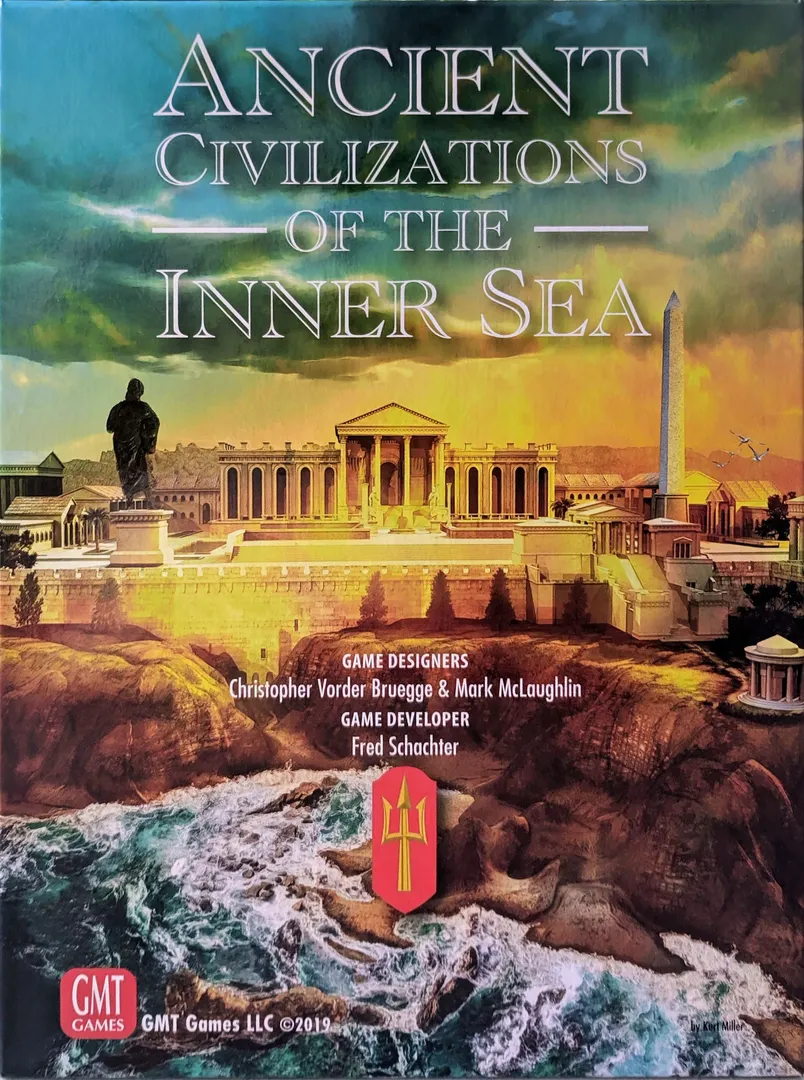
Ancient Civilizations of the Inner Sea
- 1–6 Spieler
- 120–300 Min.
- Komplexität 2,5/5
- 2019
2023
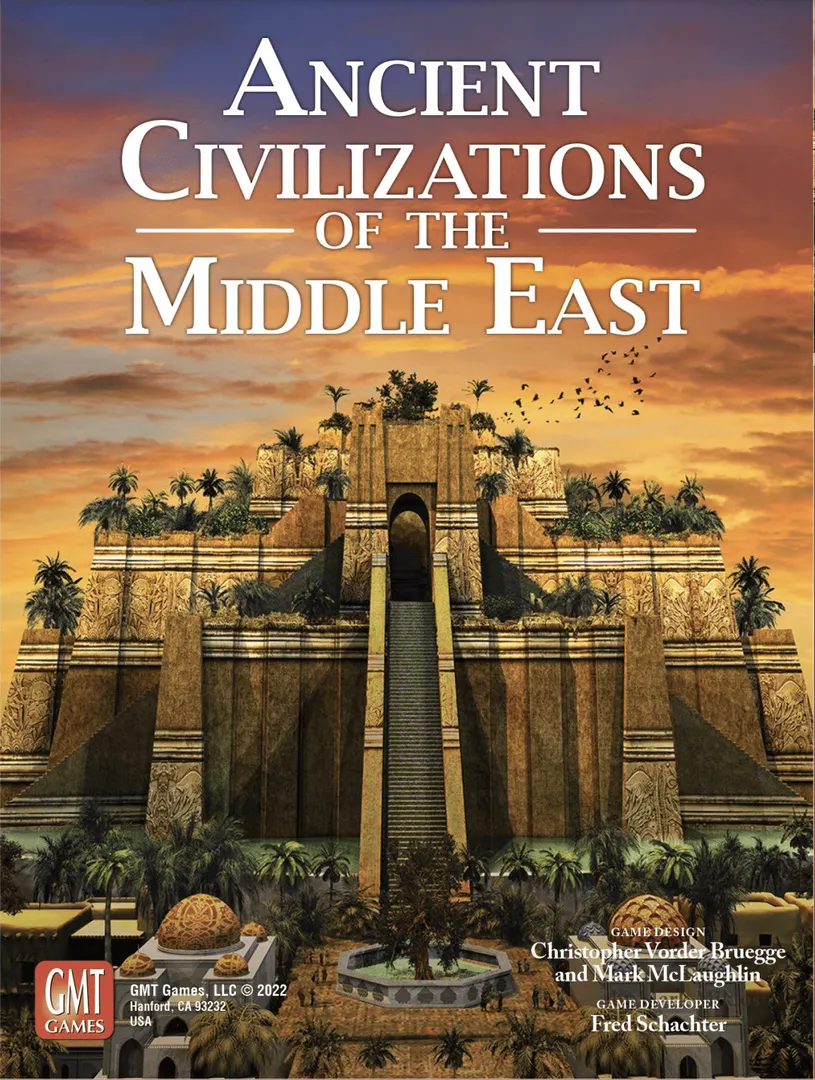
Regelhilfe für Ancient Civilizations of the Middle East
Verständliche Erklärungen zu Spielzügen, Karteneffekten und strittigen Situationen mit Verweisen auf offizielle Quellen und gespeichertem Fragenverlauf.
Für 1 Person
Was möchtest du wissen?
Antworten stammen aus dem offiziellen Regelheft, mit Seitenangabe zum Nachprüfen.
Ancient Civilizations of the Middle East ist ein Brettspiel aus dem Jahr 2023 für 1–6 Personen und mit 120–420 Minuten pro Partie. Entwickelt wurde es von Mark McLaughlin und Chris Vorder Bruegge; die wichtigsten Mechaniken sind Take That und Area Movement.


Auf Englisch
If you liked Ancient Civilizations of the Inner Sea, you are going to love Ancient Civilizations of the Middle East! Ancient Civilizations of the Middle East (ACME) is brought to you by the same team that created Ancient Civilizations of the Inner Sea —designers Christopher Vorder Bruegge and Mark McLaughlin with developer Fred Schachter. ACME is not a sequel nor an expansion but a stand alone game using the same multiplayer and solitaire systems as its predecessor with many new and exciting features to intrigue its players. ACME is a game of the chaos-inducing wrath of gods & men—a chaos each player does their utmost to manage, survive, and guide their civilization through to triumphant victory. Spanning the ancient world from the Hellespont to the Indus, from the Caspian to the Red Sea, and from the early Bronze Age to the Hellenic Age, Ancient Civilizations of the Middle East allows you to command not just 10 but 17, SEVENTEEN CIVILIZATIONS! If you want a War Game, you got it. If you want a friendly game, this is it too! As in Ancient Civilizations of the Inner Sea, Ancient Civilizations of the Middle East can be all about war, but it doesn't have to be. It can be a friendly game of exploration, city building, trade, and faith. Players (solitaire, a group of up to six, or even a mix of live players with a system-driven civilization of two or more) can make of ACME what they wish or imagine. Competition can be martial or cultural, warlike or friendly, or a combination of both—how the game unfolds depends entirely on how the players want it to play. The duration of the game is also up to the players: from a multi-hour odyssey of all four Epochs to a pre-arranged shorter contest of an hour or two or to an agreed Sudden Death Victory Point threshold. —description from the publisher
Laut Katalog unterstützt Ancient Civilizations of the Middle East 1–6 Personen. Diese Spanne entspricht der vom Verlag angegebenen Spielerzahl, das Spiel lässt sich also für jede Gruppengröße innerhalb dieser Spanne aufbauen. Aufbau, einzelne Regeln und Wertungsdetails können je nach Personenzahl trotzdem abweichen; prüfe daher die genaue Konfiguration in der Anleitung deiner Ausgabe.
Die angegebene Spieldauer für Ancient Civilizations of the Middle East beträgt 120–420 Minuten. Das ist die Schätzung des Verlags für eine vollständige Partie. Die tatsächliche Dauer hängt von der Gruppe, der Personenzahl und der Regelkenntnis ab: Erste Partien dauern meist länger, erfahrene Gruppen sind oft schneller fertig. Aufbau und Regelerklärung sind in dieser Schätzung nicht enthalten.
Ancient Civilizations of the Middle East hat bei BoardGameGeek eine Komplexitätswertung von 2,6 von 5 und gilt damit als eher leichtes Spiel. Die Wertung zeigt, wie viel Regelwissen, Planung und Entscheidungen eine typische Partie verlangt. Schwerere Spiele brauchen bei der ersten Erklärung mehr Zeit, daher hilft vor dem Spieleabend eine Vorbereitungsanleitung.
Ancient Civilizations of the Middle East gehört zu diesen Kategorien: Wargame, Ancient und Civilization. Die wichtigsten Mechaniken sind Take That und Area Movement. Kategorien beschreiben Thema und Setting eines Spiels, Mechaniken dagegen, was die Spielenden in ihrem Zug tatsächlich tun. Jede Mechanik führt zu einer Katalogseite mit ähnlichen Spielen, falls du etwas Vergleichbares suchst.
Als Autoren von Ancient Civilizations of the Middle East sind angegeben: Mark McLaughlin und Chris Vorder Bruegge. Diese Angaben stammen aus den veröffentlichten Spieldaten und nennen die für das Spieldesign verantwortlichen Personen, nicht die Illustratoren oder Verlage. Die Autorenseiten auf MeepleRules sammeln weitere Titel derselben Autoren – praktisch, wenn dir ein Spiel gefällt und du ähnliche Spiele suchst.
Im Katalog ist Ancient Civilizations of the Middle East als Grundspiel aufgeführt. Es lässt sich eigenständig mit dem Material aus der Schachtel spielen und benötigt keinen weiteren Titel. Erweiterungen, sofern es welche gibt, ergänzen neues Material oder neue Regeln und sind im Katalog separat mit einem Verweis auf dieses Grundspiel aufgeführt.