
- BGG-Rang
- BGG #1.414
- BGG-Bewertung
- 7,4
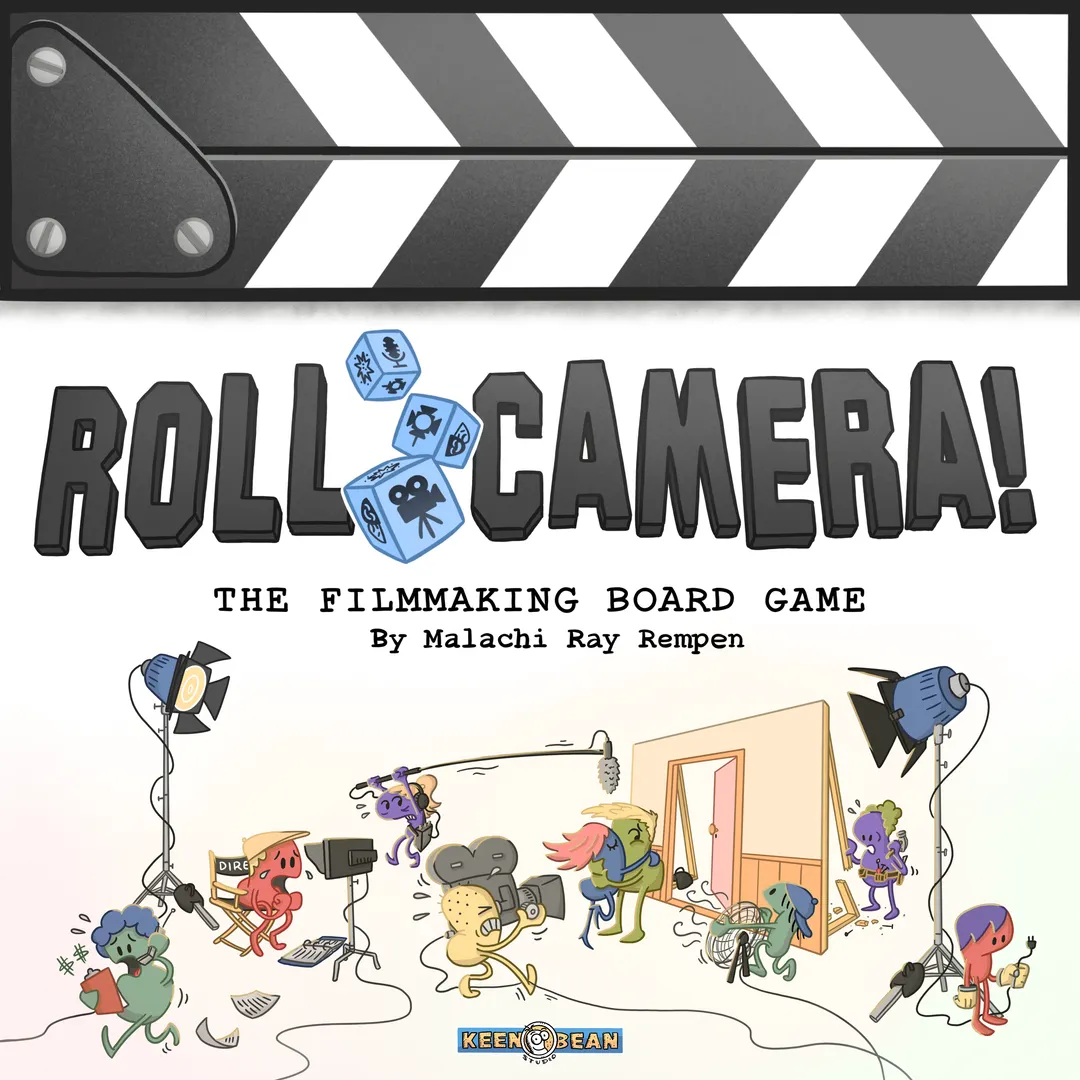
Roll Camera!: The Filmmaking Board Game
- 1–6 Spieler
- 45–90 Min.
- Komplexität 2,2/5
- 2021
2021
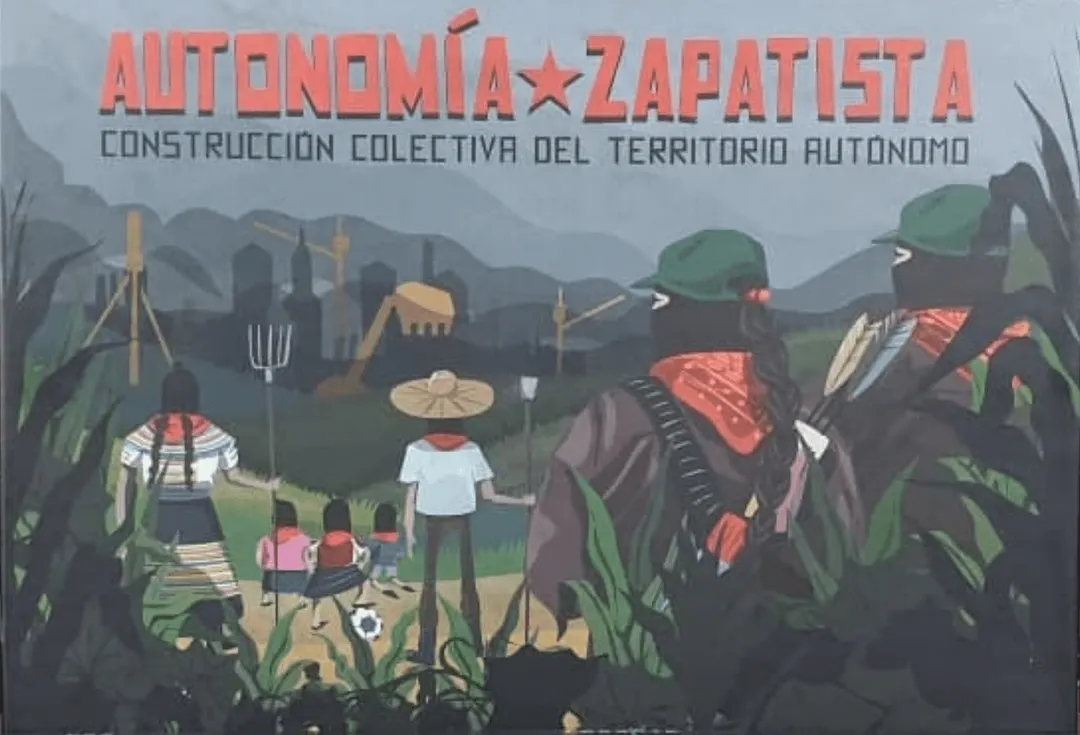
Regelhilfe für Autonomía Zapatista
Verständliche Erklärungen zu Spielzügen, Karteneffekten und strittigen Situationen mit Verweisen auf offizielle Quellen und gespeichertem Fragenverlauf.
Für 2 Personen
Was möchtest du wissen?
Antworten stammen aus dem offiziellen Regelheft, mit Seitenangabe zum Nachprüfen.
Autonomía Zapatista ist ein Brettspiel aus dem Jahr 2021 für 2–6 Personen, mit 30–45 Minuten pro Partie und ab 10 Jahren. Die wichtigsten Mechaniken sind Dice Rolling, Cooperative Game und Worker Placement with Dice Workers.




Auf Englisch
Zapatista Autonomy is a board game in which we collaborate to build autonomy in a Zapatista caracol. It was created by the European social movement in support of the Zapatistas, in order to support the Zapatista journey to Europe in 2021. The goal of the game is to achieve the 13 Zapatista demands and the 7 principles of leading by obeying before the end of the tenth round of the game. In order to do this, you will have to cultivate the land, build houses and community infrastructure, train the promoters, fight against threats, etc. The 13 Zapatista demands are: Land Democracy Labor Freedom Food Information Housing Culture Health Justice Education Peace Independence Each demand is achieved when the two required objectives, indicated on the back of the card, are met. The 7 principles of leading by obeying are: To serve others, not serve oneself. To represent, not to supplant. To build, not to destroy. To obey, not to order. To propose, not to impose. To convince, not to defeat. To work from below, not seek to rise. Each principle is achieved by convening the Good Government Council. Turn Sequence: In each turn, these 3 phases are carried out: 1. Show context cards 2. Roll and place dice 3. Resolution of the turn End of the Game: If at the end of a round you have achieved the 13 Zapatista demands and the 7 principles of leading by obeying, you have won the game. If any demand or principle is still missing when you have completed 10 game rounds, you have lost the game.
Laut Katalog unterstützt Autonomía Zapatista 2–6 Personen. Diese Spanne entspricht der vom Verlag angegebenen Spielerzahl, das Spiel lässt sich also für jede Gruppengröße innerhalb dieser Spanne aufbauen. Aufbau, einzelne Regeln und Wertungsdetails können je nach Personenzahl trotzdem abweichen; prüfe daher die genaue Konfiguration in der Anleitung deiner Ausgabe.
Die angegebene Spieldauer für Autonomía Zapatista beträgt 30–45 Minuten. Das ist die Schätzung des Verlags für eine vollständige Partie. Die tatsächliche Dauer hängt von der Gruppe, der Personenzahl und der Regelkenntnis ab: Erste Partien dauern meist länger, erfahrene Gruppen sind oft schneller fertig. Aufbau und Regelerklärung sind in dieser Schätzung nicht enthalten.
Im Katalog wird Autonomía Zapatista ab 10 Jahren empfohlen. Das ist die Empfehlung des Verlags und berücksichtigt Leseanforderungen, Regelkomplexität und Kleinteile, nicht nur das Thema. Jüngere Kinder können oft mit Hilfe eines Erwachsenen mitspielen; beachte die Altersangabe deiner Ausgabe und die Brettspielerfahrung deiner Gruppe.
Autonomía Zapatista hat bei BoardGameGeek eine Komplexitätswertung von 1,8 von 5 und gilt damit als leichtes Spiel. Die Wertung zeigt, wie viel Regelwissen, Planung und Entscheidungen eine typische Partie verlangt. Schwerere Spiele brauchen bei der ersten Erklärung mehr Zeit, daher hilft vor dem Spieleabend eine Vorbereitungsanleitung.
Autonomía Zapatista gehört zu diesen Kategorien: Fighting, Political und Farming. Die wichtigsten Mechaniken sind Dice Rolling, Cooperative Game und Worker Placement with Dice Workers. Kategorien beschreiben Thema und Setting eines Spiels, Mechaniken dagegen, was die Spielenden in ihrem Zug tatsächlich tun. Jede Mechanik führt zu einer Katalogseite mit ähnlichen Spielen, falls du etwas Vergleichbares suchst.
Im Katalog ist Autonomía Zapatista als Grundspiel aufgeführt. Es lässt sich eigenständig mit dem Material aus der Schachtel spielen und benötigt keinen weiteren Titel. Erweiterungen, sofern es welche gibt, ergänzen neues Material oder neue Regeln und sind im Katalog separat mit einem Verweis auf dieses Grundspiel aufgeführt.