Backgammon: Zombie Rush
- 2 Spieler
- 20 Min.
- 2012
Regelhilfe für Backgammon
Verständliche Erklärungen zu Spielzügen, Karteneffekten und strittigen Situationen mit Verweisen auf offizielle Quellen und gespeichertem Fragenverlauf.
Für 2 Personen
Was möchtest du wissen?
Antworten stammen aus dem offiziellen Regelheft, mit Seitenangabe zum Nachprüfen.
Backgammon ist ein Brettspiel für 2 Personen, mit 30 Minuten pro Partie und ab 8 Jahren. Die wichtigsten Mechaniken sind Race, Roll / Spin and Move und Lose a Turn.



Auf Englisch
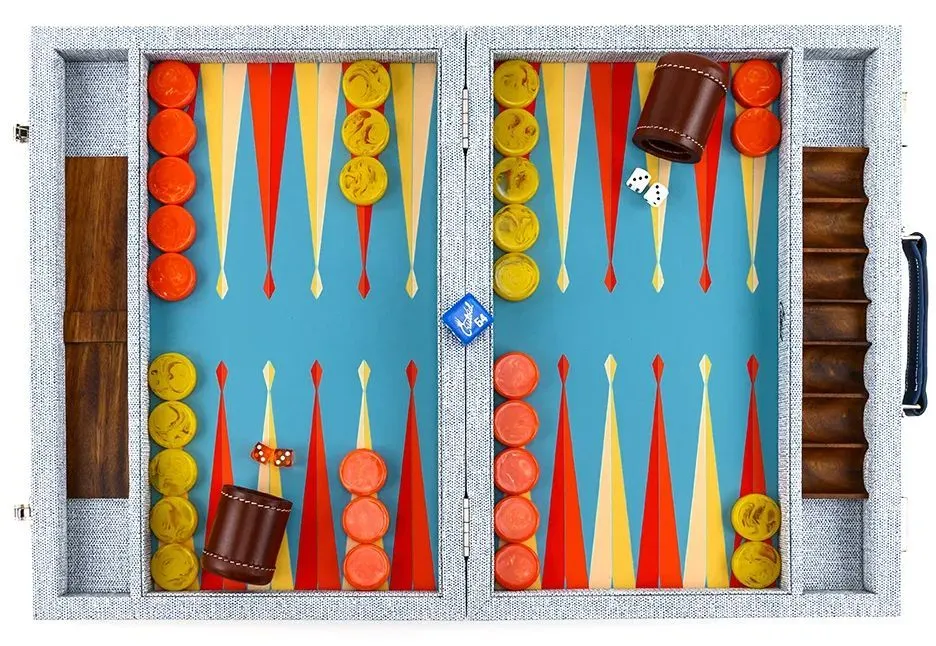
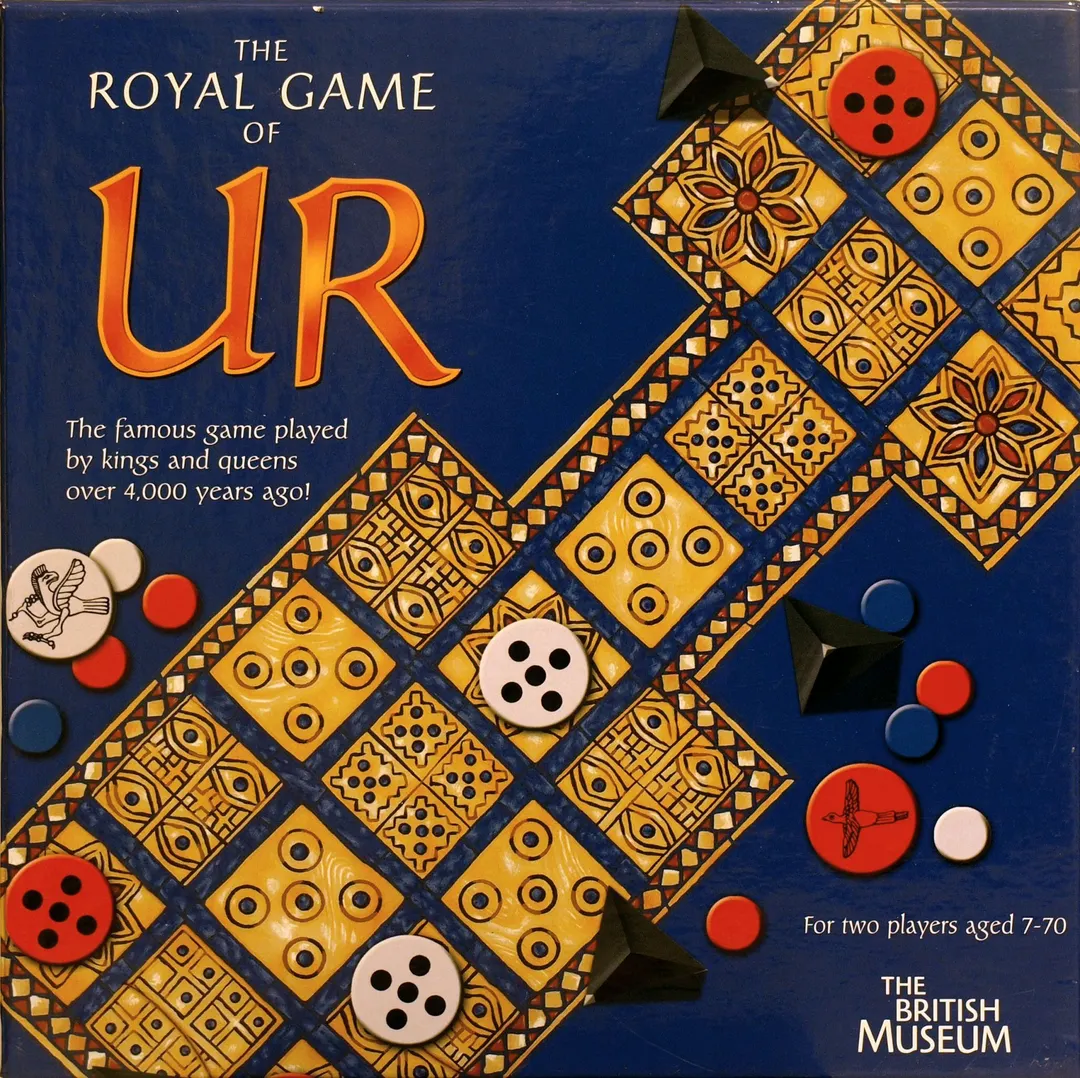
Backgammon is a classic abstract strategy game dating back hundreds of years. Each player has a set of 15 checkers (or stones) that must be moved from their starting positions, around, and then off the board. Dice are thrown each turn, and each player must decide which of their checkers to move based on the outcome of the roll. Players can capture each other's checkers, forcing the captured checkers to restart their journey around the board. The winner is the first player to get all 15 checkers off the board. A more recent addition to the game is the "doubling cube", which allows players to up the stakes of the game. Although the game relies on dice to determine movement, there is a large degree of strategy in deciding how to make the most effective moves given each dice roll and measuring the risk in terms of possible rolls the opponent may get. An ancestor of Backgammon may be the first game to be mentioned in written history, going back 5,000 years to the Sumerians of ancient Mesopotamia. During the 1920s, archaeologists unearthed five boards of The Royal Game of Ur from a cemetery in the ancient town of Ur. At another location, pieces and dice were also found along with the board. Boards from ancient Egypt, apparently of other related games, have also been recovered from the tomb of Tutankhamun, including a mechanical dice box, no doubt intended to stop cheaters. The ancestors of the game were many. In Persia, Takhteh Nard which means "Battle on Wood". In Egypt, Tau, which may be the ancestor of Senat. In Rome, Ludus Duodecim Scriptorum ("game of twelve marks"), later, Tabula ("table"), and by the sixth century, Alea ("dice"). In ancient China, T-shu-p-u and later in Japan, Sugoroko. The English name may derive from "Bac gamen" meaning "Back Game", referring to re-entry of taken stones back to the board. It was often enjoyed by the upper classes and is sometimes called "The Aristocratic Game". The Roman Emperor Claudius was known to be such a fan of Tabula that he had a set built into his coach so he could play as he traveled (the world's first travel edition?). The rules in English were standardized in 1743 by Edmond Hoyle. These remained popular until the American innovations of the 1930s.
Laut Katalog unterstützt Backgammon 2 Personen. Das ist die vom Verlag angegebene Spielerzahl, das Spiel ist also genau für diese Anzahl von Mitspielenden ausgelegt. Varianten für andere Gruppengrößen sind, sofern vorhanden, in der Anleitung deiner Ausgabe beschrieben; prüfe sie, bevor du eine andere Konfiguration aufbaust.
Die angegebene Spieldauer für Backgammon beträgt 30 Minuten. Das ist die Schätzung des Verlags für eine vollständige Partie. Die tatsächliche Dauer hängt von der Gruppe, der Personenzahl und der Regelkenntnis ab: Erste Partien dauern meist länger, erfahrene Gruppen sind oft schneller fertig. Aufbau und Regelerklärung sind in dieser Schätzung nicht enthalten.
Im Katalog wird Backgammon ab 8 Jahren empfohlen. Das ist die Empfehlung des Verlags und berücksichtigt Leseanforderungen, Regelkomplexität und Kleinteile, nicht nur das Thema. Jüngere Kinder können oft mit Hilfe eines Erwachsenen mitspielen; beachte die Altersangabe deiner Ausgabe und die Brettspielerfahrung deiner Gruppe.
Backgammon hat bei BoardGameGeek eine Komplexitätswertung von 2,0 von 5 und gilt damit als eher leichtes Spiel. Die Wertung zeigt, wie viel Regelwissen, Planung und Entscheidungen eine typische Partie verlangt. Schwerere Spiele brauchen bei der ersten Erklärung mehr Zeit, daher hilft vor dem Spieleabend eine Vorbereitungsanleitung.
Backgammon gehört zu diesen Kategorien: Dice und Abstract Strategy. Die wichtigsten Mechaniken sind Race, Roll / Spin and Move und Lose a Turn. Kategorien beschreiben Thema und Setting eines Spiels, Mechaniken dagegen, was die Spielenden in ihrem Zug tatsächlich tun. Jede Mechanik führt zu einer Katalogseite mit ähnlichen Spielen, falls du etwas Vergleichbares suchst.
Im Katalog ist Backgammon als Grundspiel aufgeführt. Es lässt sich eigenständig mit dem Material aus der Schachtel spielen und benötigt keinen weiteren Titel. Erweiterungen, sofern es welche gibt, ergänzen neues Material oder neue Regeln und sind im Katalog separat mit einem Verweis auf dieses Grundspiel aufgeführt.