
- BGG-Rang
- BGG #8.520
- BGG-Bewertung
- 7,4
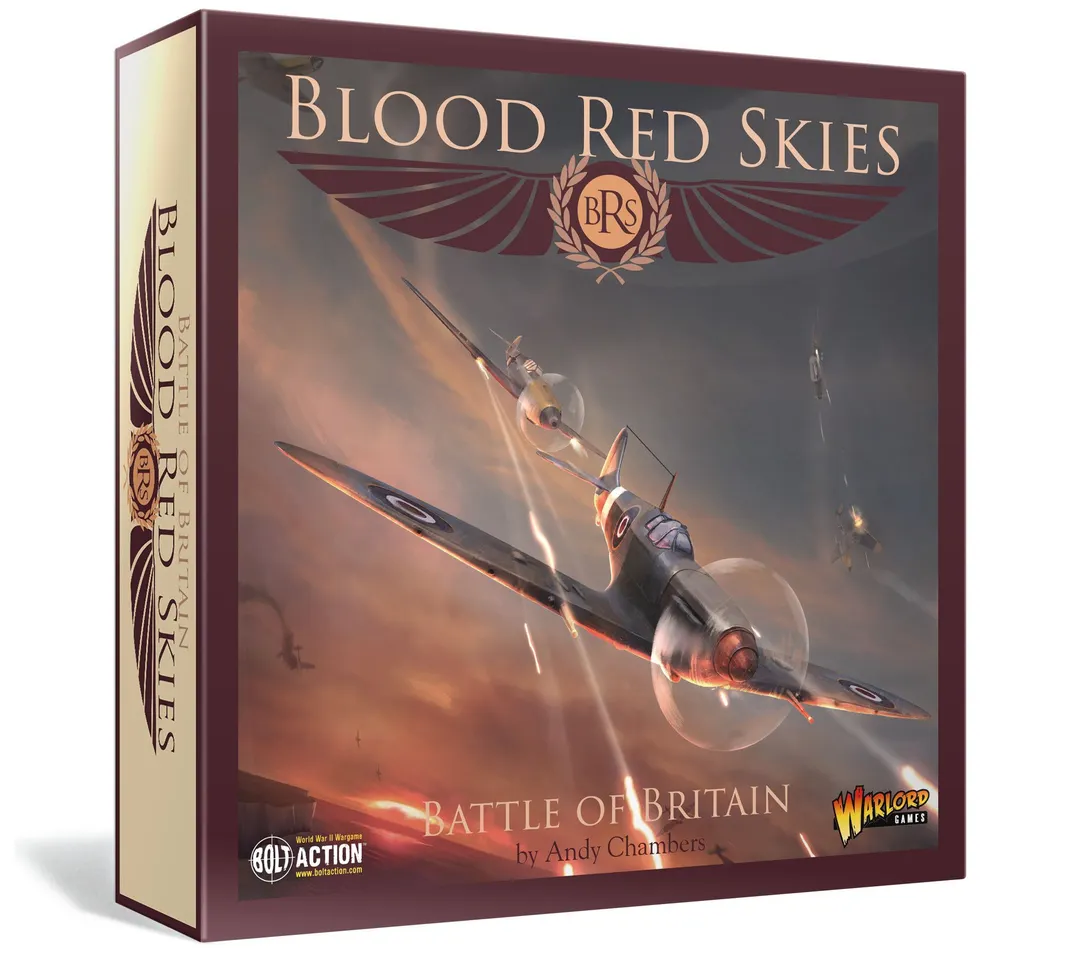
Blood Red Skies: Battle of Britain
- 2–99 Spieler
- 30–60 Min.
- Komplexität 2,5/5
- 2017
2021
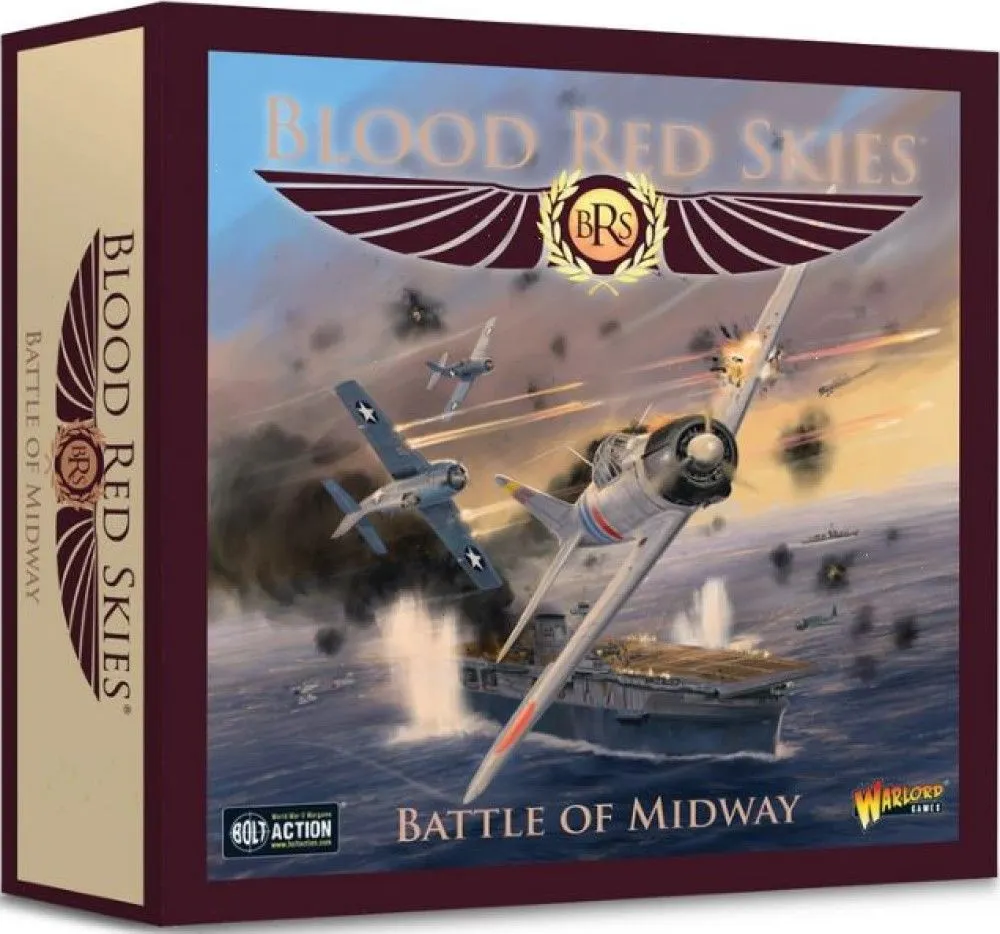
Regelhilfe für Blood Red Skies: Battle Of Midway
Verständliche Erklärungen zu Spielzügen, Karteneffekten und strittigen Situationen mit Verweisen auf offizielle Quellen und gespeichertem Fragenverlauf.
Was möchtest du wissen?
Antworten stammen aus dem offiziellen Regelheft, mit Seitenangabe zum Nachprüfen.
Blood Red Skies: Battle Of Midway ist ein Brettspiel aus dem Jahr 2021 für 2–8 Personen und ab 12 Jahren. Entwickelt wurde es von Andy Chambers; die wichtigsten Mechaniken sind Variable Player Powers, Dice Rolling und Scenario / Mission / Campaign Game.




Auf Englisch
Blood Red Skies is a tabletop miniatures game in which you take command of a force of fighter aircraft in battle. The emphasis in Blood Red Skies is on controlling a large number of planes at once. Action in the game is fast-paced, with no pre-plotting or book-keeping required. A smallish game of Blood Red Skies, with six planes per side, can be fought in forty-five minutes or less. A force is comprised of iconic World War 2 fighter aircraft using the dynamic ‘Advantage’ system. Opposing pilots can also use card-based aircraft traits, doctrines, Ace skills and theatre rules to make the most of their planes and fighting environment. The Battle of Midway starter set contains everything you need to get playing, including rules, tokens, dice, game cards, and crucially 12 highly detailed Warlord Resin aircraft with which to battle. The Grumman F4F Wildcat When the US Navy and Marine Corps entered the Second World War, they had only one effective fighter aircraft available to them: the F4F Wildcat. Fortunately, the Wildcat proved more than equal to the task of holding the line. The Mitsubishi A6M2 ‘Zero’ The Mitsubishi A6M Zero was a fast, modern fighter, but had no armour for the pilot. When the Zero (derived from the Japanese name Reisen - meaning Zero Fighter) was in the hands of aggressive and well-trained pilots this weakness was rarely apparent. The US aircraft are provided in blue-coloured resin and the Japanese in white/cream, making your squadrons easily distinguishable and able to launch into furious tabletop dogfights even before you touch paint to model. –description from the publisher
Laut Katalog unterstützt Blood Red Skies: Battle Of Midway 2–8 Personen. Diese Spanne entspricht der vom Verlag angegebenen Spielerzahl, das Spiel lässt sich also für jede Gruppengröße innerhalb dieser Spanne aufbauen. Aufbau, einzelne Regeln und Wertungsdetails können je nach Personenzahl trotzdem abweichen; prüfe daher die genaue Konfiguration in der Anleitung deiner Ausgabe.
Im Katalog wird Blood Red Skies: Battle Of Midway ab 12 Jahren empfohlen. Das ist die Empfehlung des Verlags und berücksichtigt Leseanforderungen, Regelkomplexität und Kleinteile, nicht nur das Thema. Jüngere Kinder können oft mit Hilfe eines Erwachsenen mitspielen; beachte die Altersangabe deiner Ausgabe und die Brettspielerfahrung deiner Gruppe.
Blood Red Skies: Battle Of Midway gehört zu diesen Kategorien: Wargame, Miniatures und World War II. Die wichtigsten Mechaniken sind Variable Player Powers, Dice Rolling und Scenario / Mission / Campaign Game. Kategorien beschreiben Thema und Setting eines Spiels, Mechaniken dagegen, was die Spielenden in ihrem Zug tatsächlich tun. Jede Mechanik führt zu einer Katalogseite mit ähnlichen Spielen, falls du etwas Vergleichbares suchst.
Als Autoren von Blood Red Skies: Battle Of Midway sind angegeben: Andy Chambers. Diese Angaben stammen aus den veröffentlichten Spieldaten und nennen die für das Spieldesign verantwortlichen Personen, nicht die Illustratoren oder Verlage. Die Autorenseiten auf MeepleRules sammeln weitere Titel derselben Autoren – praktisch, wenn dir ein Spiel gefällt und du ähnliche Spiele suchst.
Im Katalog ist Blood Red Skies: Battle Of Midway als Grundspiel aufgeführt. Es lässt sich eigenständig mit dem Material aus der Schachtel spielen und benötigt keinen weiteren Titel. Erweiterungen, sofern es welche gibt, ergänzen neues Material oder neue Regeln und sind im Katalog separat mit einem Verweis auf dieses Grundspiel aufgeführt.