
- BGG-Bewertung
- 7,1
CO₂: Second Chance – Limited Pack Expansion and Upgrade
- 1–4 Spieler
- 60–120 Min.
- Komplexität 3,8/5
- 2019
2018
Regelhilfe für CO₂: Second Chance
Verständliche Erklärungen zu Spielzügen, Karteneffekten und strittigen Situationen mit Verweisen auf offizielle Quellen und gespeichertem Fragenverlauf.
Für 1 Person
Was möchtest du wissen?
Antworten stammen aus dem offiziellen Regelheft, mit Seitenangabe zum Nachprüfen.
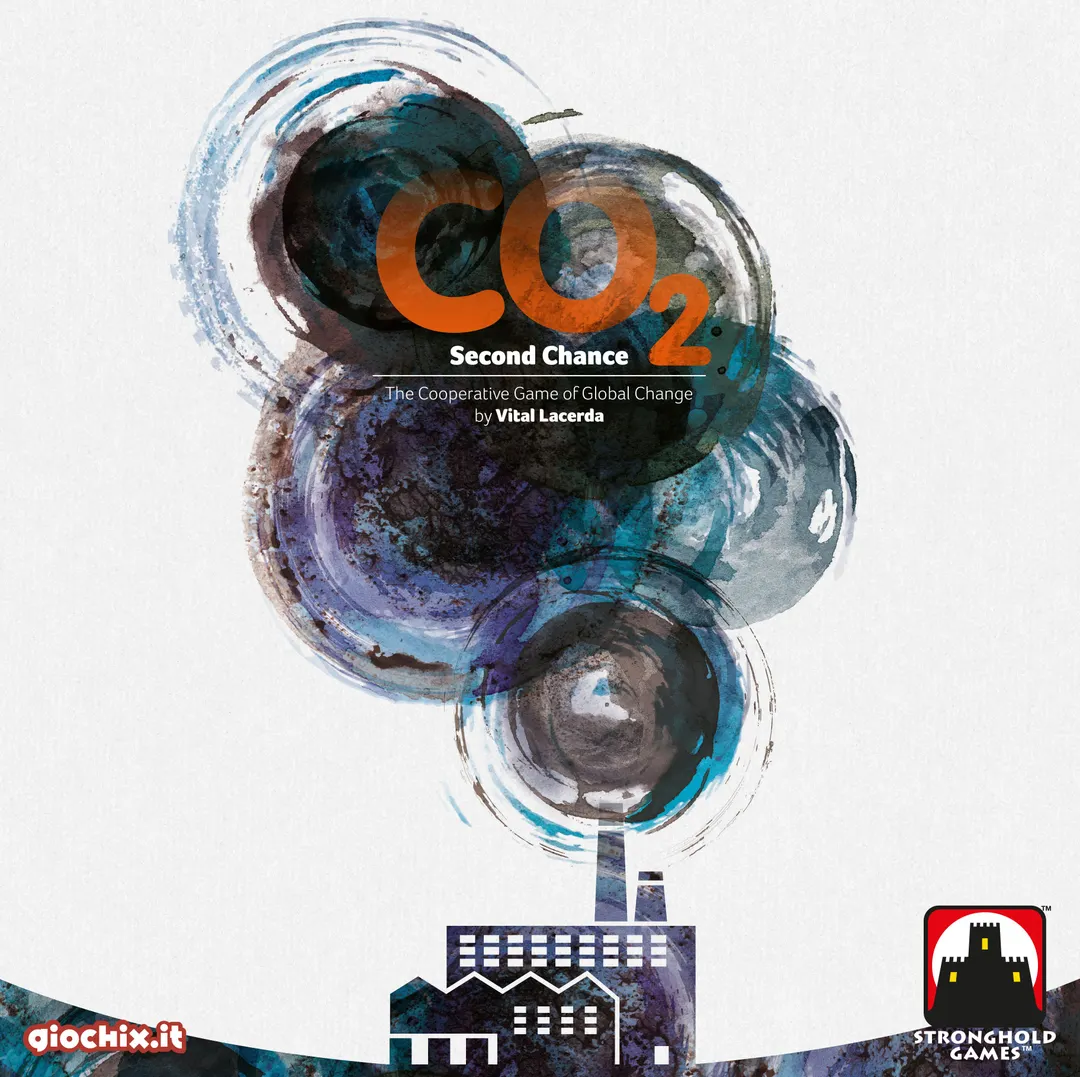
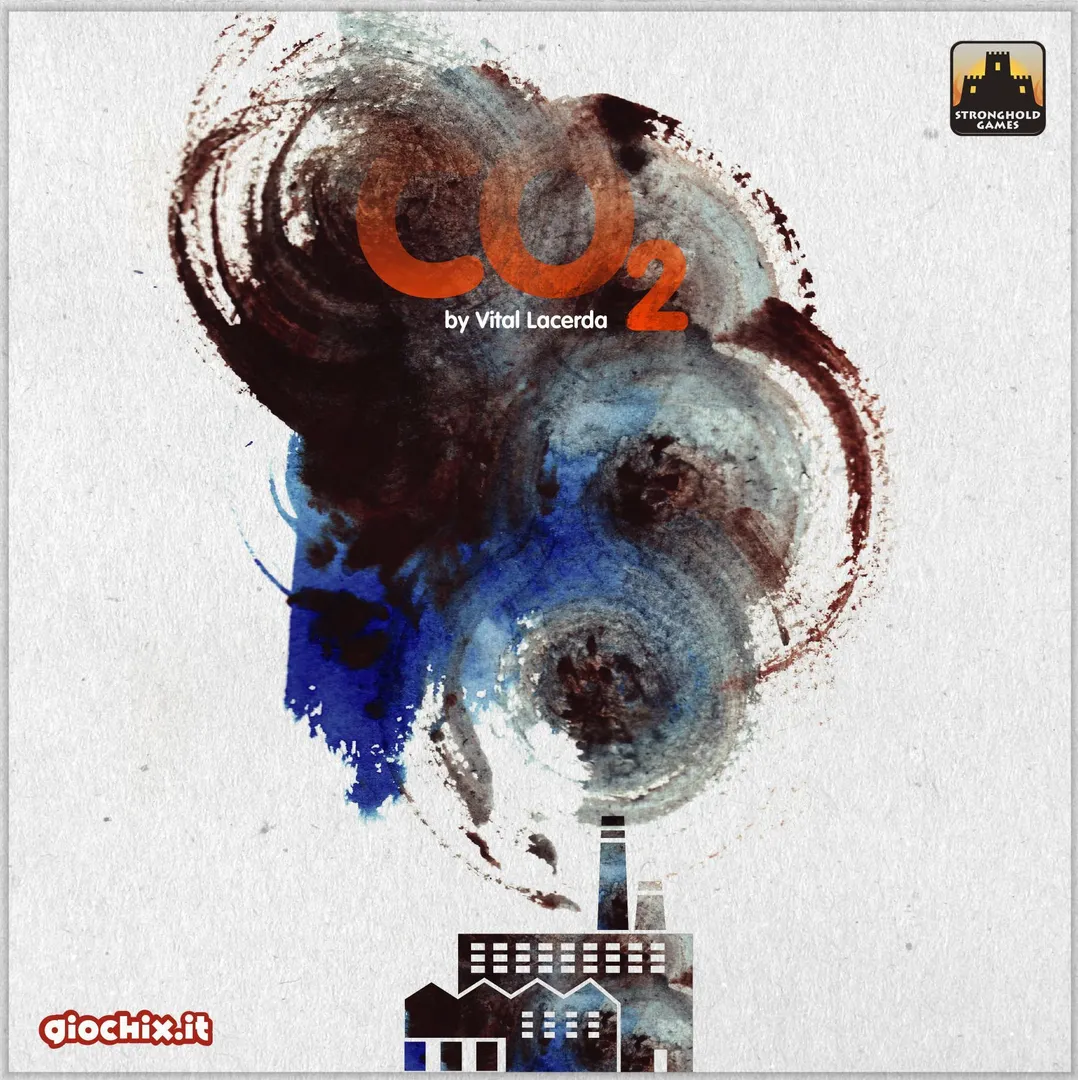
CO₂: Second Chance ist ein Brettspiel aus dem Jahr 2018 für 1–4 Personen, mit 60–120 Minuten pro Partie und ab 12 Jahren. Entwickelt wurde es von Vital Lacerda; die wichtigsten Mechaniken sind Area Majority / Influence, Tile Placement und Cooperative Game.







Auf Englisch
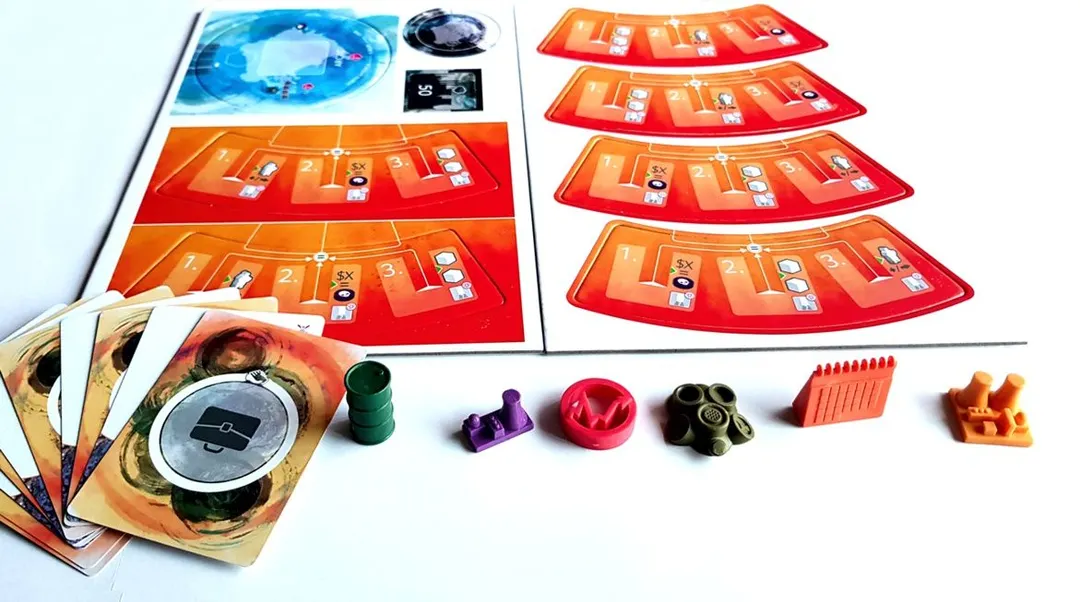
In the 1970s, the governments of the world faced unprecedented demand for energy, and polluting power plants were built everywhere in order to meet that demand. Year after year, the pollution they generate increases, and nobody has done anything to reduce it. Now, the impact of this pollution has become too great, and humanity is starting to realize that we must meet our energy demands through clean sources of energy. Companies with expertise in clean, sustainable energy are called in to propose projects that will provide the required energy without polluting the environment. Regional governments are eager to fund these projects and to invest in their implementation. If the pollution isn't stopped, it's game over for all of us. In the game CO₂, each player is the CEO of an energy company responding to government requests for new, green power plants. The goal is to stop the increase of pollution while meeting the rising demand for sustainable energy — and of course profiting from doing so. You will need enough expertise, money, and resources to build these clean power plants. Energy summits will promote global awareness, and allow companies to share a little of their expertise while learning still more from others. In CO₂, each region starts with a certain number of carbon emissions permits (CEPs) at its disposal. These CEPs are granted by the United Nations, and they must be spent whenever the region needs to install the energy infrastructure for a project or to construct a fossil fuel power plant. CEPs can be bought and sold on a market, and their price fluctuates throughout the game. You will want to try to maintain control over the CEPs. Money, CEPs, green power plants that you've built, UN goals you've completed, company goals you've met, and expertise you've gained all give you victory points (VPs), which represent your company's reputation — and having the best reputation is the goal of the game … in addition to saving the planet, of course. This new totally re-designed edition of CO₂ features a completely new iconography, an entirely new rulebook with lots of 3D pictures for easy comprehension of the rules, more balanced gameplay, a new events deck, improved and streamlined mechanisms, and upgraded wooden components for the power plants instead of the cardboard tokens in a game with a shorter play length. This version also features a co-operative mode of play as well as solo play based on goals.
Laut Katalog unterstützt CO₂: Second Chance 1–4 Personen. Diese Spanne entspricht der vom Verlag angegebenen Spielerzahl, das Spiel lässt sich also für jede Gruppengröße innerhalb dieser Spanne aufbauen. Aufbau, einzelne Regeln und Wertungsdetails können je nach Personenzahl trotzdem abweichen; prüfe daher die genaue Konfiguration in der Anleitung deiner Ausgabe.
Die angegebene Spieldauer für CO₂: Second Chance beträgt 60–120 Minuten. Das ist die Schätzung des Verlags für eine vollständige Partie. Die tatsächliche Dauer hängt von der Gruppe, der Personenzahl und der Regelkenntnis ab: Erste Partien dauern meist länger, erfahrene Gruppen sind oft schneller fertig. Aufbau und Regelerklärung sind in dieser Schätzung nicht enthalten.
Im Katalog wird CO₂: Second Chance ab 12 Jahren empfohlen. Das ist die Empfehlung des Verlags und berücksichtigt Leseanforderungen, Regelkomplexität und Kleinteile, nicht nur das Thema. Jüngere Kinder können oft mit Hilfe eines Erwachsenen mitspielen; beachte die Altersangabe deiner Ausgabe und die Brettspielerfahrung deiner Gruppe.
CO₂: Second Chance hat bei BoardGameGeek eine Komplexitätswertung von 4,1 von 5 und gilt damit als schweres Spiel. Die Wertung zeigt, wie viel Regelwissen, Planung und Entscheidungen eine typische Partie verlangt. Schwerere Spiele brauchen bei der ersten Erklärung mehr Zeit, daher hilft vor dem Spieleabend eine Vorbereitungsanleitung.
CO₂: Second Chance gehört zu diesen Kategorien: Economic, Industry / Manufacturing und Environmental. Die wichtigsten Mechaniken sind Area Majority / Influence, Tile Placement und Cooperative Game. Kategorien beschreiben Thema und Setting eines Spiels, Mechaniken dagegen, was die Spielenden in ihrem Zug tatsächlich tun. Jede Mechanik führt zu einer Katalogseite mit ähnlichen Spielen, falls du etwas Vergleichbares suchst.
Als Autoren von CO₂: Second Chance sind angegeben: Vital Lacerda. Diese Angaben stammen aus den veröffentlichten Spieldaten und nennen die für das Spieldesign verantwortlichen Personen, nicht die Illustratoren oder Verlage. Die Autorenseiten auf MeepleRules sammeln weitere Titel derselben Autoren – praktisch, wenn dir ein Spiel gefällt und du ähnliche Spiele suchst.
Im Katalog ist CO₂: Second Chance als Grundspiel aufgeführt. Es lässt sich eigenständig mit dem Material aus der Schachtel spielen und benötigt keinen weiteren Titel. Erweiterungen, sofern es welche gibt, ergänzen neues Material oder neue Regeln und sind im Katalog separat mit einem Verweis auf dieses Grundspiel aufgeführt.