
- BGG-Bewertung
- 9,3
Conquest & Tragedy
- 3–6 Spieler
- 300–500 Min.
- 2026
2021
Regelhilfe für Conquest & Consequence
Verständliche Erklärungen zu Spielzügen, Karteneffekten und strittigen Situationen mit Verweisen auf offizielle Quellen und gespeichertem Fragenverlauf.
Für 2 Personen
Was möchtest du wissen?
Antworten stammen aus dem offiziellen Regelheft, mit Seitenangabe zum Nachprüfen.
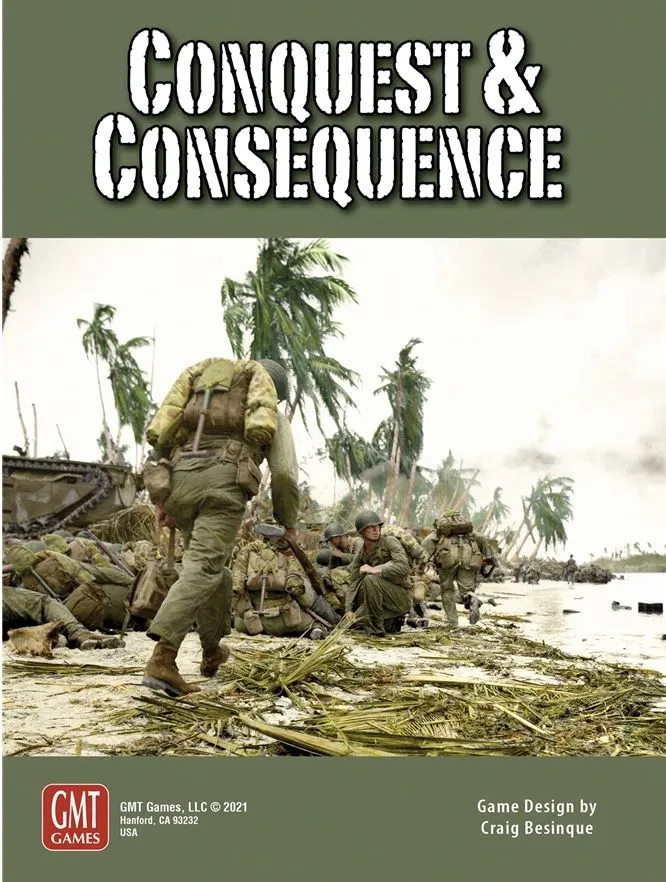
Conquest & Consequence ist ein Brettspiel aus dem Jahr 2021 für 2–3 Personen, mit 240–360 Minuten pro Partie und ab 12 Jahren. Entwickelt wurde es von Craig Besinque; die wichtigsten Mechaniken sind Area Majority / Influence, Tech Trees / Tech Tracks und Campaign / Battle Card Driven.




Auf Englisch
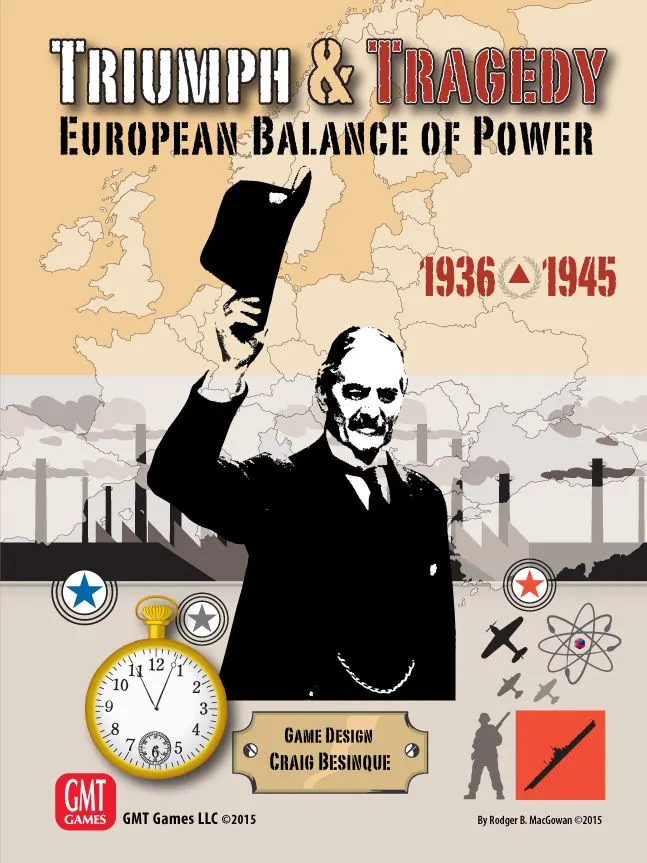
Conquest and Consequence brings the Triumph & Tragedy system to the Pacific/East Asia theater during the same 1936-1945 time period. Like T&T, it is designed for three players, maintaining the three-sided dynamic that adds so much variety and intrigue to the system. Those three sides are: Militarist Japan, the first Asian power to modernize, which seeks to replace the European colonial empires in East Asia with a true "all-Asian" empire, with itself as the natural leader. The Communist Soviet faction, which is comprised of the Siberian USSR and the Red Chinese revolutionaries. The Capitalist USA faction, which consists of the United States, the British Empire, and the struggling regime of Nationalist China. The game begins in 1936 with the Militarists in control of Japan and expansion on the agenda. Its [war] industry is well-developed, but it is weak in population and particularly resources. Its battle-hardened army has easily overrun resource-rich Manchuria, and a weak China awaits. Japan (like Germany in T&T) has the early initiative due to its well-prepared military. Will it: Move south into China? Take the "Northern Road" into resource-rich east Siberia (as favored by the army)? Pursue the "Southern Road" to the oil-rich Dutch East Indies advocated by its navy? Or bide its time, seeking a better position via diplomatic arrangements with neutrals including independent Chinese warlord states? Japanese aggression in China will likely irritate the sleeping giant that is the USA, but it is far away across the wide Pacific, and Japan has special naval abilities that allow it to compete at sea. The Red Chinese have just completed their Long March and re-established their base in inland Shaansi, far from areas of Japanese (or Capitalist) interest. The Red Chinese are very weak militarily but have a secret weapon: Partisans. These are non-military "political" organizations (represented on-map with cardboard counters) that are difficult to eradicate, multiply if ignored, and can be converted into military units when desired (this being ill-advised without sufficient concentration). The Soviet Union, also acutely aware of Japanese expansionism, is desperately fortifying eastern Siberia, which is otherwise thinly defended. Nationalist China is aware of the Japanese threat but must also deal with the internal Communist threat. The United States is disarmed, disinterested, and distracted by the Great Depression. The British Empire is woefully under-defended and overconfident. The USA alliance must build up its economy while somehow improving the military capabilities of the British Empire, Nationalist China, and itself. The game combines the Pacific naval war and the land war in Asia (including the Chinese Civil War), both equally weighing upon victory. The naval war is dramatic, featuring short, decisive battles and expanded roles for airpower and island bases. In the tradition of Triumph & Tragedy, the three-sided aspect features negotiation, diplomacy, and subterfuge within a multitude of strategic possibilities. Like T&T, the game allows players freedom to diverge from the inclinations and policies of the historical actors and plays in 4-6 hours of constant tension and involvement. —description from the publisher
Laut Katalog unterstützt Conquest & Consequence 2–3 Personen. Diese Spanne entspricht der vom Verlag angegebenen Spielerzahl, das Spiel lässt sich also für jede Gruppengröße innerhalb dieser Spanne aufbauen. Aufbau, einzelne Regeln und Wertungsdetails können je nach Personenzahl trotzdem abweichen; prüfe daher die genaue Konfiguration in der Anleitung deiner Ausgabe.
Die angegebene Spieldauer für Conquest & Consequence beträgt 240–360 Minuten. Das ist die Schätzung des Verlags für eine vollständige Partie. Die tatsächliche Dauer hängt von der Gruppe, der Personenzahl und der Regelkenntnis ab: Erste Partien dauern meist länger, erfahrene Gruppen sind oft schneller fertig. Aufbau und Regelerklärung sind in dieser Schätzung nicht enthalten.
Im Katalog wird Conquest & Consequence ab 12 Jahren empfohlen. Das ist die Empfehlung des Verlags und berücksichtigt Leseanforderungen, Regelkomplexität und Kleinteile, nicht nur das Thema. Jüngere Kinder können oft mit Hilfe eines Erwachsenen mitspielen; beachte die Altersangabe deiner Ausgabe und die Brettspielerfahrung deiner Gruppe.
Conquest & Consequence hat bei BoardGameGeek eine Komplexitätswertung von 3,9 von 5 und gilt damit als schweres Spiel. Die Wertung zeigt, wie viel Regelwissen, Planung und Entscheidungen eine typische Partie verlangt. Schwerere Spiele brauchen bei der ersten Erklärung mehr Zeit, daher hilft vor dem Spieleabend eine Vorbereitungsanleitung.
Conquest & Consequence gehört zu diesen Kategorien: Economic, Wargame und Political. Die wichtigsten Mechaniken sind Area Majority / Influence, Tech Trees / Tech Tracks und Campaign / Battle Card Driven. Kategorien beschreiben Thema und Setting eines Spiels, Mechaniken dagegen, was die Spielenden in ihrem Zug tatsächlich tun. Jede Mechanik führt zu einer Katalogseite mit ähnlichen Spielen, falls du etwas Vergleichbares suchst.
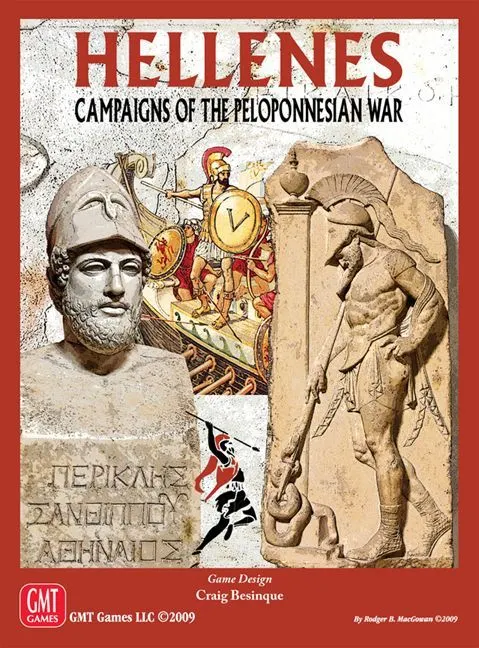
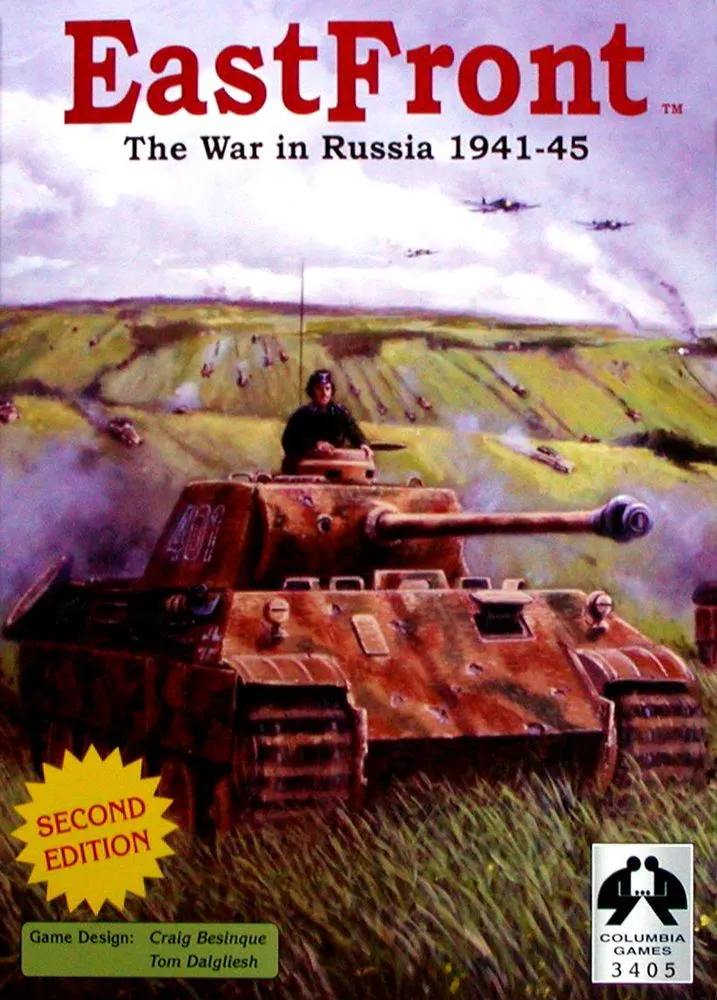
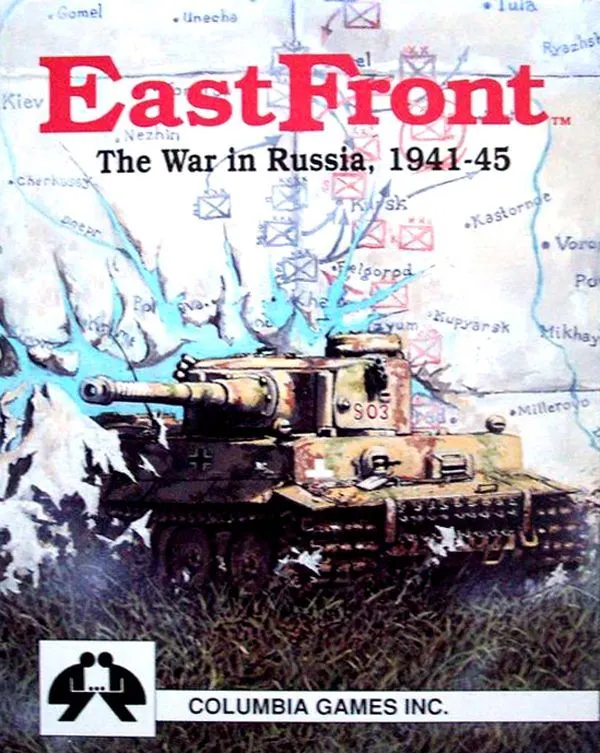
Als Autoren von Conquest & Consequence sind angegeben: Craig Besinque. Diese Angaben stammen aus den veröffentlichten Spieldaten und nennen die für das Spieldesign verantwortlichen Personen, nicht die Illustratoren oder Verlage. Die Autorenseiten auf MeepleRules sammeln weitere Titel derselben Autoren – praktisch, wenn dir ein Spiel gefällt und du ähnliche Spiele suchst.
Im Katalog ist Conquest & Consequence als Grundspiel aufgeführt. Es lässt sich eigenständig mit dem Material aus der Schachtel spielen und benötigt keinen weiteren Titel. Erweiterungen, sofern es welche gibt, ergänzen neues Material oder neue Regeln und sind im Katalog separat mit einem Verweis auf dieses Grundspiel aufgeführt.