
- BGG-Rang
- BGG #3.847
- BGG-Bewertung
- 7,5
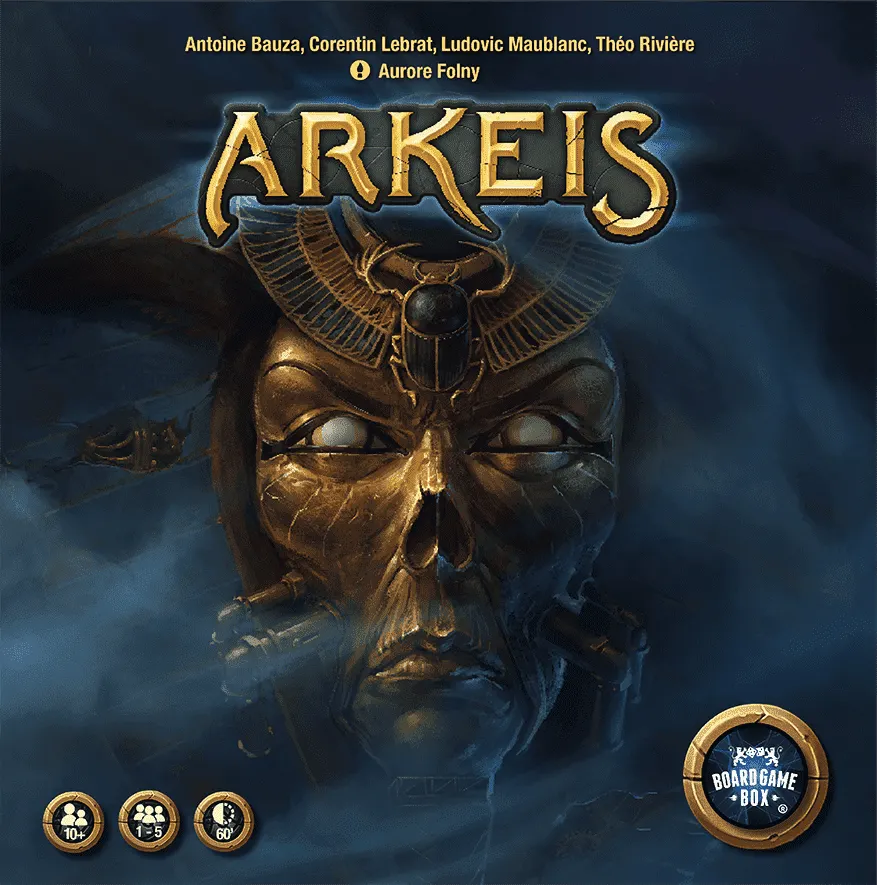
Arkeis
- 1–5 Spieler
- 60 Min.
- Komplexität 2,0/5
- 2023
2024
Regelhilfe für Dead Cells: The Rogue-Lite Board Game
Verständliche Erklärungen zu Spielzügen, Karteneffekten und strittigen Situationen mit Verweisen auf offizielle Quellen und gespeichertem Fragenverlauf.
Für 1 Person
Was möchtest du wissen?
Antworten stammen aus dem offiziellen Regelheft, mit Seitenangabe zum Nachprüfen.
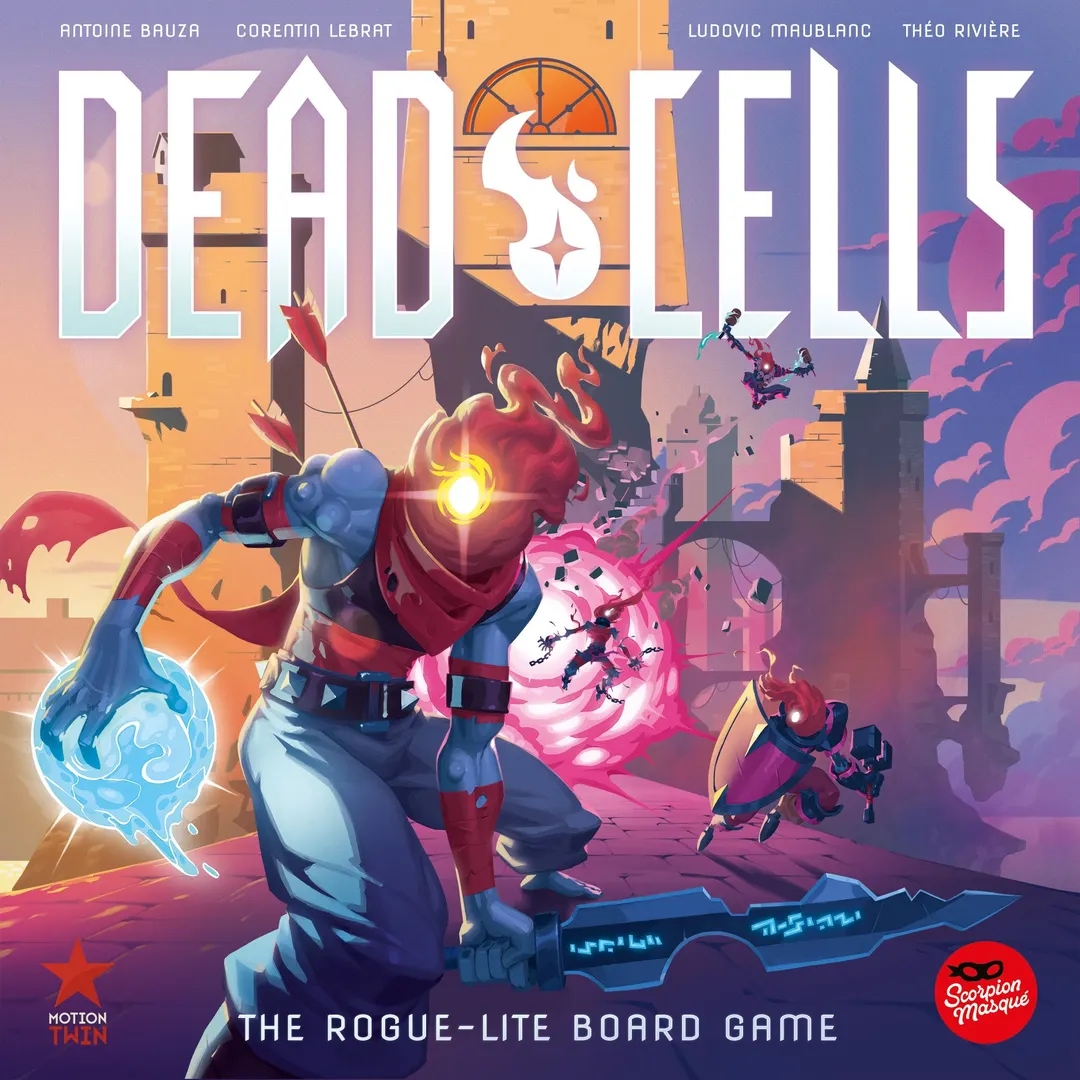
Dead Cells: The Rogue-Lite Board Game ist ein Brettspiel aus dem Jahr 2024 für 1–4 Personen, mit 45 Minuten pro Partie und ab 14 Jahren. Entwickelt wurde es von Antoine Bauza, Corentin Lebrat, Théo Rivière und Ludovic Maublanc; die wichtigsten Mechaniken sind Variable Player Powers, Push Your Luck und Track Movement.

Auf Englisch
Dead Cells: The Rogue-Lite Board Game is a dungeon-crawler that offers a cooperative rogue-lite experience inspired by the Metroidvania genre, playable with 1-4 players, and with a gameplay of around 45 minutes. Explore the ever-changing island of Dead Cells in this ruthless dungeon crawler. Explore. Kill. Die. Mutate. Repeat. Choose one of the four Beheaded (Woah, hold on... Isn't it supposed to be only one of these guys? Is this one of those stupid time-loop plots?) As you resurrect with very little clue of what’s going on, you will... • Explore Biomes. Choose your path wisely within a sprawling, ever-changing castle! Will you upgrade one of the character powers with a scroll? Or will you choose a chest to equip a new weapon? Will you find the hidden runes that will open new paths and access new biomes? This won’t be a walk in the park, though. Because the island is infested with the abominations born from the Malaise, be ready to… • Kill Enemies. Each character class has unique power sets and a deck of action cards. For each enemy encounter, you will only need to pick one action card to cover all three phases of a fight. Loot equipment, gold, scrolls, and Cells from the corpses of your enemies and get stronger, but beware... Your health pool is limited and sooner or later you will... • Die. Wandering through enemy-infested dungeons isn't the safest activity, even for your beheaded heroes. There will eventually be one monster too many, or you could step on a fatal trap and lose all your scrolls, equipment, and accumulated gold. But this is far from the end for you! Even in death you will be able to keep your precious Cells to… • Mutate. The Collector will let you spend your Cells to buy permanent mutations that will give you more power... forever! Choose cards to buy from three different decks: Brutality, Survival, or Tactics. Get action cards to enhance your card deck. Find blueprints to grow your loot deck. Increase your health pool. Unlock additional item slots, and much more… Unless you prefer to throw your Cells into this mysterious well... It seems like a pretty stupid thing to do with your hard-earned Cells, but hey, you do you, bud... Death is no excuse to take a nap, so... • Repeat. Death is not the end either! You’ve already lost your head, remember!? As the day starts again in a new loop, use your new permanent mutations to exact revenge on whatever killed you last time. Go further and deeper into the island and kill the bosses to access new starting biomes. Previously-played biomes keep changing as stronger monstrosities spawn in them, along with powerful new items. (Damn! Will this game ever end?) Official Dead Cells page for FAQ / Rules / Player Aids downloads: https://deadcellstheboardgame.com/FAQ/
Laut Katalog unterstützt Dead Cells: The Rogue-Lite Board Game 1–4 Personen. Diese Spanne entspricht der vom Verlag angegebenen Spielerzahl, das Spiel lässt sich also für jede Gruppengröße innerhalb dieser Spanne aufbauen. Aufbau, einzelne Regeln und Wertungsdetails können je nach Personenzahl trotzdem abweichen; prüfe daher die genaue Konfiguration in der Anleitung deiner Ausgabe.
Die angegebene Spieldauer für Dead Cells: The Rogue-Lite Board Game beträgt 45 Minuten. Das ist die Schätzung des Verlags für eine vollständige Partie. Die tatsächliche Dauer hängt von der Gruppe, der Personenzahl und der Regelkenntnis ab: Erste Partien dauern meist länger, erfahrene Gruppen sind oft schneller fertig. Aufbau und Regelerklärung sind in dieser Schätzung nicht enthalten.
Im Katalog wird Dead Cells: The Rogue-Lite Board Game ab 14 Jahren empfohlen. Das ist die Empfehlung des Verlags und berücksichtigt Leseanforderungen, Regelkomplexität und Kleinteile, nicht nur das Thema. Jüngere Kinder können oft mit Hilfe eines Erwachsenen mitspielen; beachte die Altersangabe deiner Ausgabe und die Brettspielerfahrung deiner Gruppe.
Dead Cells: The Rogue-Lite Board Game hat bei BoardGameGeek eine Komplexitätswertung von 2,4 von 5 und gilt damit als eher leichtes Spiel. Die Wertung zeigt, wie viel Regelwissen, Planung und Entscheidungen eine typische Partie verlangt. Schwerere Spiele brauchen bei der ersten Erklärung mehr Zeit, daher hilft vor dem Spieleabend eine Vorbereitungsanleitung.
Dead Cells: The Rogue-Lite Board Game gehört zu diesen Kategorien: Card Game, Fantasy und Video Game Theme. Die wichtigsten Mechaniken sind Variable Player Powers, Push Your Luck und Track Movement. Kategorien beschreiben Thema und Setting eines Spiels, Mechaniken dagegen, was die Spielenden in ihrem Zug tatsächlich tun. Jede Mechanik führt zu einer Katalogseite mit ähnlichen Spielen, falls du etwas Vergleichbares suchst.
Als Autoren von Dead Cells: The Rogue-Lite Board Game sind angegeben: Antoine Bauza, Corentin Lebrat, Théo Rivière und Ludovic Maublanc. Diese Angaben stammen aus den veröffentlichten Spieldaten und nennen die für das Spieldesign verantwortlichen Personen, nicht die Illustratoren oder Verlage. Die Autorenseiten auf MeepleRules sammeln weitere Titel derselben Autoren – praktisch, wenn dir ein Spiel gefällt und du ähnliche Spiele suchst.
Im Katalog ist Dead Cells: The Rogue-Lite Board Game als Grundspiel aufgeführt. Es lässt sich eigenständig mit dem Material aus der Schachtel spielen und benötigt keinen weiteren Titel. Erweiterungen, sofern es welche gibt, ergänzen neues Material oder neue Regeln und sind im Katalog separat mit einem Verweis auf dieses Grundspiel aufgeführt.