- BGG-Bewertung
- 7,2
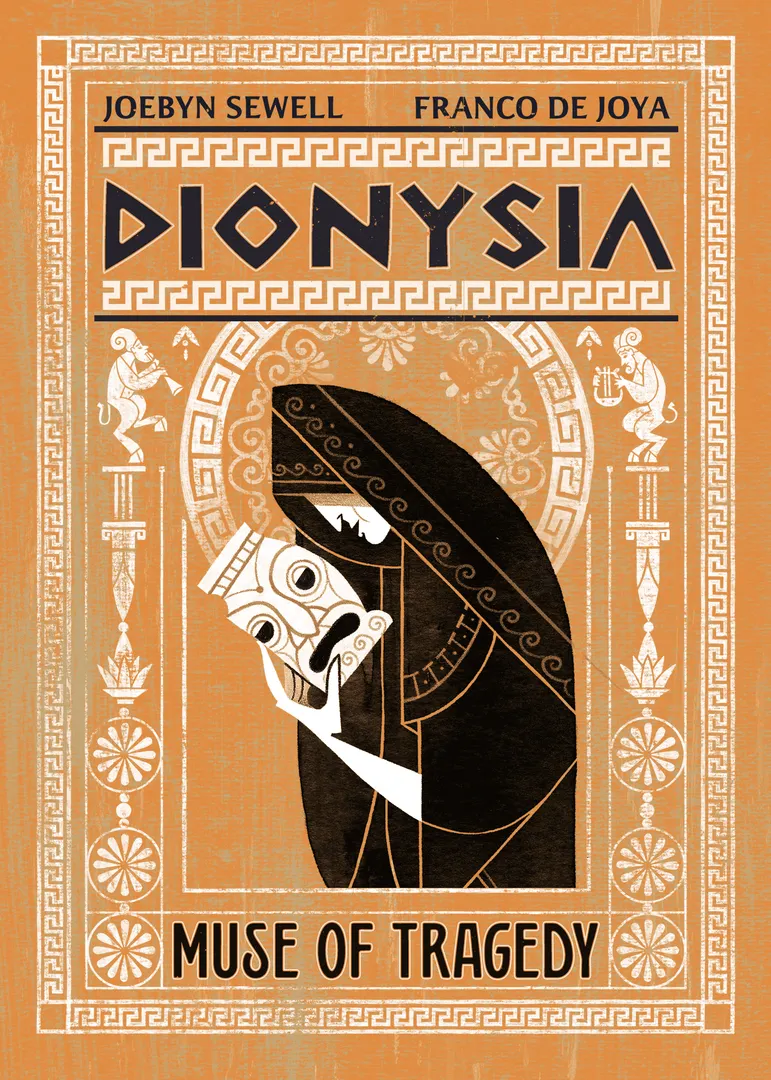
Dionysia: Muse of Tragedy
- 2 Spieler
- 15 Min.
- Komplexität 1,0/5
- 2025
2025
Regelhilfe für Dionysia
Verständliche Erklärungen zu Spielzügen, Karteneffekten und strittigen Situationen mit Verweisen auf offizielle Quellen und gespeichertem Fragenverlauf.
Für 2 Personen
Was möchtest du wissen?
Antworten stammen aus dem offiziellen Regelheft, mit Seitenangabe zum Nachprüfen.
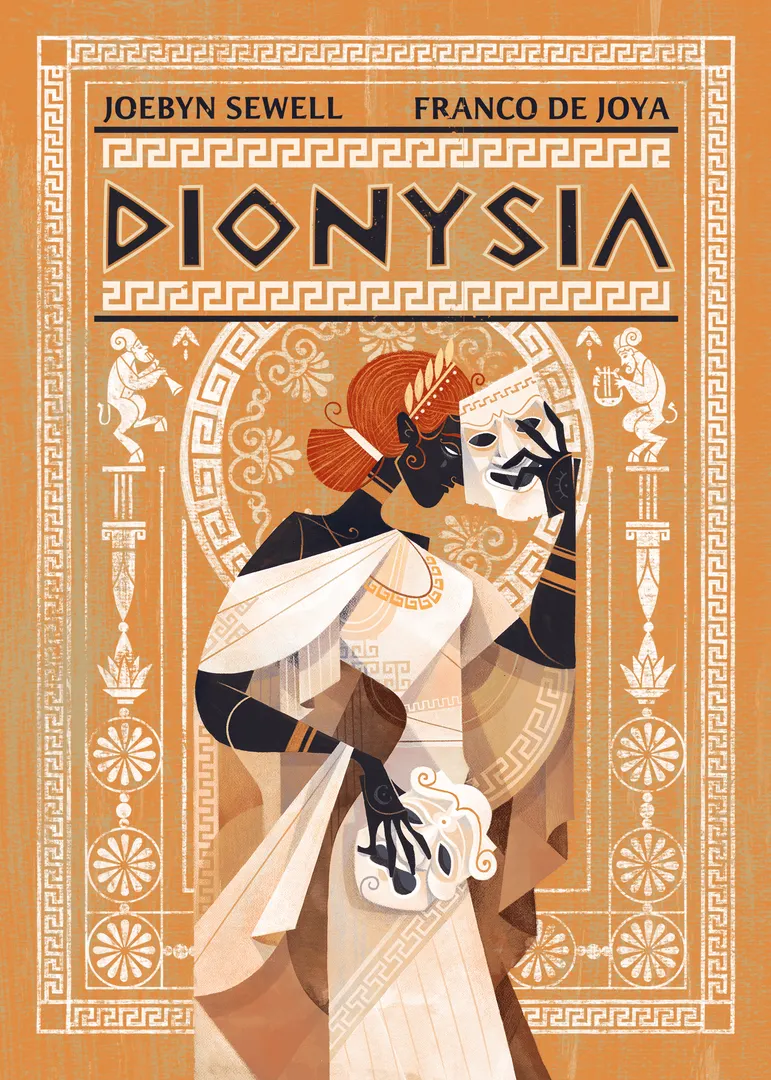
Dionysia ist ein Brettspiel aus dem Jahr 2025 für 2 Personen, mit 15 Minuten pro Partie und ab 12 Jahren. Entwickelt wurde es von Joebyn Sewell und Franco De Joya; die wichtigsten Mechaniken sind Pattern Building und Closed Drafting.





Auf Englisch
All of Athens has turned out for the Dionysia, a grand theatrical festival to honor the god Dionysus. Impress the crowds with your well-crafted drama to win the playwriting competition as well as the favor of the gods! Draft and craft a better drama than your opponent to secure the favor of the gods at this year’s Dionysia. As you take a scene from the central stage and add it to your developing play, you’ll need to decide whether to start a new act (to a max of 3) or add it to the top/bottom of an existing act. Create specific scoring patterns of dramatic elements through careful arrangement of your scenes while taking advantage of powerful effects available through each act’s key (topmost) scene. After each play has 3 acts of 3 scenes each, players score each act based on its key scene and pattern. Whoever has the most points is favored by the gods and wins the playwriting competition! Shuffle all 18 scene cards and reveal 3 of them in the shared stage between the players. Each turn, the active player chooses one of these scenes and adds it to their play, then refills the stage for the next player. To add a scene, the player may create a new act in their play (to a maximum of 3). They may instead choose to upstage or downstage the existing scenes in an act, placing the new scene at the top or bottom (respectively) of the act. The topmost card in an act is the key scene, which sets the scoring conditions for the end of the game. Many cards also have immediate effects that occur when that scene is placed in the key scene position. Each card features an assortment of dramatic elements that are used to create scoring patterns of rows and columns. Once both players have a tableau consisting of 3 acts of 3 scenes each, these patterns are evaluated based on the key scenes for each act. The amount of favor earned can vary depending on the key scene, with each set of 3 specific icons in either a row or column earning the listed amount of favor. The player who earns the most favor is the winner!
Laut Katalog unterstützt Dionysia 2 Personen. Das ist die vom Verlag angegebene Spielerzahl, das Spiel ist also genau für diese Anzahl von Mitspielenden ausgelegt. Varianten für andere Gruppengrößen sind, sofern vorhanden, in der Anleitung deiner Ausgabe beschrieben; prüfe sie, bevor du eine andere Konfiguration aufbaust.
Die angegebene Spieldauer für Dionysia beträgt 15 Minuten. Das ist die Schätzung des Verlags für eine vollständige Partie. Die tatsächliche Dauer hängt von der Gruppe, der Personenzahl und der Regelkenntnis ab: Erste Partien dauern meist länger, erfahrene Gruppen sind oft schneller fertig. Aufbau und Regelerklärung sind in dieser Schätzung nicht enthalten.
Im Katalog wird Dionysia ab 12 Jahren empfohlen. Das ist die Empfehlung des Verlags und berücksichtigt Leseanforderungen, Regelkomplexität und Kleinteile, nicht nur das Thema. Jüngere Kinder können oft mit Hilfe eines Erwachsenen mitspielen; beachte die Altersangabe deiner Ausgabe und die Brettspielerfahrung deiner Gruppe.
Dionysia hat bei BoardGameGeek eine Komplexitätswertung von 1,9 von 5 und gilt damit als leichtes Spiel. Die Wertung zeigt, wie viel Regelwissen, Planung und Entscheidungen eine typische Partie verlangt. Schwerere Spiele brauchen bei der ersten Erklärung mehr Zeit, daher hilft vor dem Spieleabend eine Vorbereitungsanleitung.
Dionysia gehört zu diesen Kategorien: Card Game, Print & Play und Ancient. Die wichtigsten Mechaniken sind Pattern Building und Closed Drafting. Kategorien beschreiben Thema und Setting eines Spiels, Mechaniken dagegen, was die Spielenden in ihrem Zug tatsächlich tun. Jede Mechanik führt zu einer Katalogseite mit ähnlichen Spielen, falls du etwas Vergleichbares suchst.
Als Autoren von Dionysia sind angegeben: Joebyn Sewell und Franco De Joya. Diese Angaben stammen aus den veröffentlichten Spieldaten und nennen die für das Spieldesign verantwortlichen Personen, nicht die Illustratoren oder Verlage. Die Autorenseiten auf MeepleRules sammeln weitere Titel derselben Autoren – praktisch, wenn dir ein Spiel gefällt und du ähnliche Spiele suchst.
Im Katalog ist Dionysia als Grundspiel aufgeführt. Es lässt sich eigenständig mit dem Material aus der Schachtel spielen und benötigt keinen weiteren Titel. Erweiterungen, sofern es welche gibt, ergänzen neues Material oder neue Regeln und sind im Katalog separat mit einem Verweis auf dieses Grundspiel aufgeführt.