
- BGG-Rang
- BGG #16.199
- BGG-Bewertung
- 7,2
Great War at Sea / Second World War at Sea: Cone of Fire
- 2–4 Spieler
- Komplexität 2,9/5
- 2008
2010
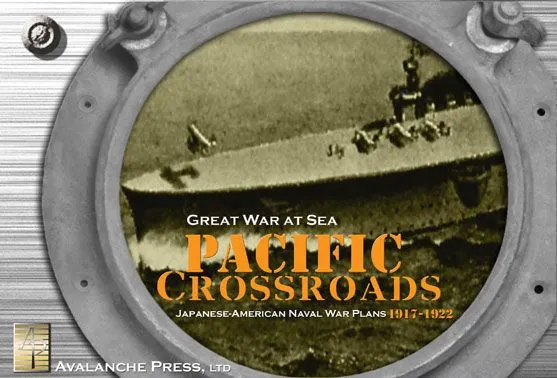
Regelhilfe für Great War at Sea: Pacific Crossroads
Verständliche Erklärungen zu Spielzügen, Karteneffekten und strittigen Situationen mit Verweisen auf offizielle Quellen und gespeichertem Fragenverlauf.
Für 2 Personen
Was möchtest du wissen?
Antworten stammen aus dem offiziellen Regelheft, mit Seitenangabe zum Nachprüfen.
Great War at Sea: Pacific Crossroads ist ein Brettspiel aus dem Jahr 2010 für 2 Personen und mit 30 Minuten pro Partie. Entwickelt wurde es von Michael Bennighof; die wichtigsten Mechaniken sind Hexagon Grid.


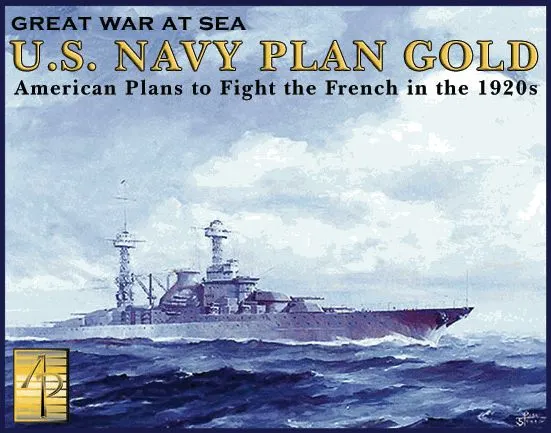
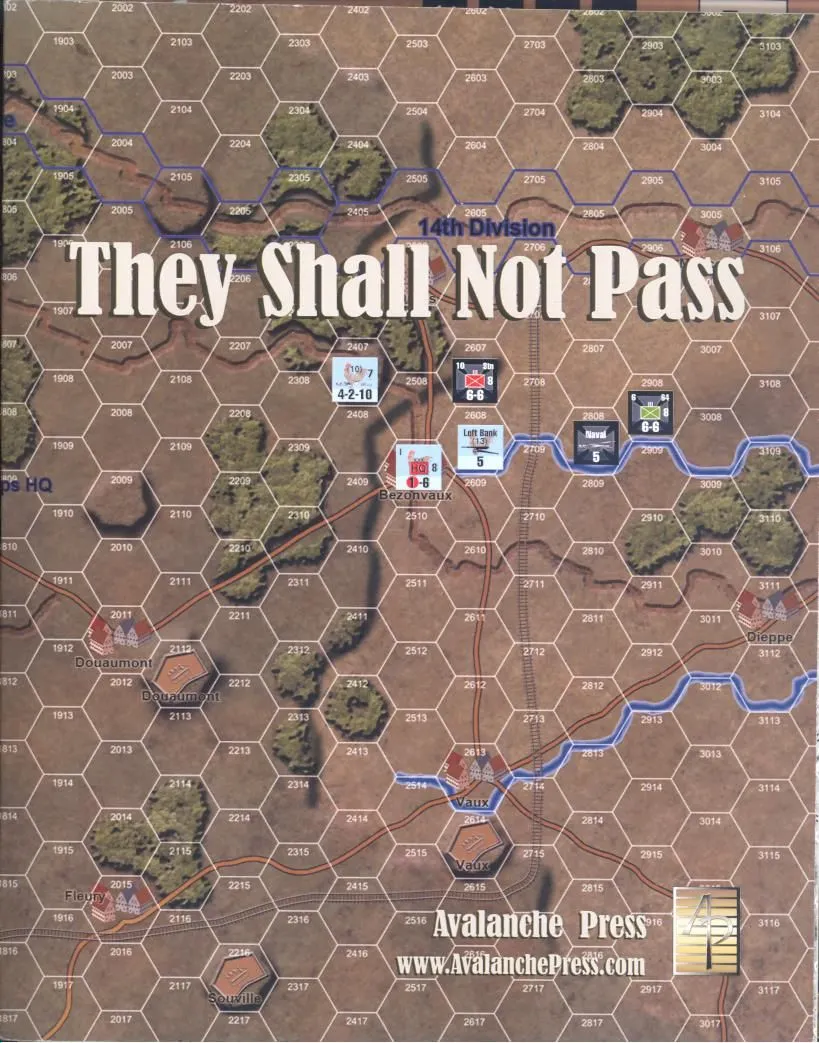

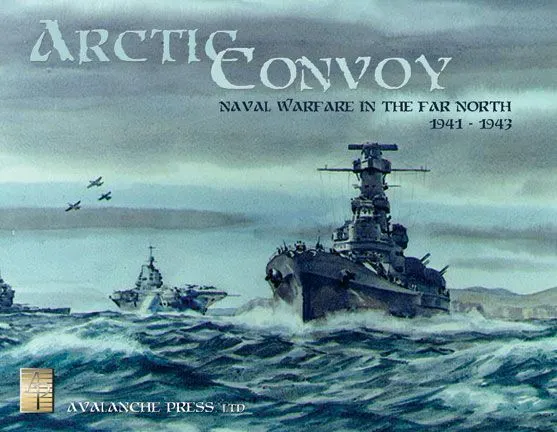

Auf Englisch
During the first half of the 20th century, the United States and the Japanese Empire constantly made plans for a naval war against the other rising power. Each believed that the U.S. Navy would fight its way across the Pacific Ocean, with important clashes taking places in island chains like the Marianas and the Carolines. Pacific Crossroads is the new introductory boxed game for the Great War at Sea series. It's based on the actual plans of both the United States and Japan for naval conflict at the close of World War I and immediately afterwards. Players try to seize and hold bases to either enable or stop the American drive across the Pacific. While the game is intended for new players, there's plenty here for old salts, too. New ships like the American 1910 battle cruiser design are present, as are the battle cruisers the Americans feared Japan would acquire from the Royal Navy. There's a lot of naval warfare in this small package, which also ushers in a new edition of the series rules. The 22x17-inch operational map covers waters around the Mariana and Caroline Islands and the coast of northern New Guinea. Players maneuver their fleets on this map and search for one another with aircraft, submarines and surface ships. When contact is made, player moves to the tactical map. The tactical map is a generic blue field of hexagons, used to resolve surface combat. There, ships maneuver and fight using their gunnery and torpedo factors. Each player rolls a number of dice according to the ship’s capabilities, hitting on a result of 6. Gunnery and torpedo damage tables give the results: ships can suffer damage to engines, hull or armament. The combat systems yield results rapidly but in a historically accurate fashion, giving a good balance of fun and insight.
Laut Katalog unterstützt Great War at Sea: Pacific Crossroads 2 Personen. Das ist die vom Verlag angegebene Spielerzahl, das Spiel ist also genau für diese Anzahl von Mitspielenden ausgelegt. Varianten für andere Gruppengrößen sind, sofern vorhanden, in der Anleitung deiner Ausgabe beschrieben; prüfe sie, bevor du eine andere Konfiguration aufbaust.
Die angegebene Spieldauer für Great War at Sea: Pacific Crossroads beträgt 30 Minuten. Das ist die Schätzung des Verlags für eine vollständige Partie. Die tatsächliche Dauer hängt von der Gruppe, der Personenzahl und der Regelkenntnis ab: Erste Partien dauern meist länger, erfahrene Gruppen sind oft schneller fertig. Aufbau und Regelerklärung sind in dieser Schätzung nicht enthalten.
Great War at Sea: Pacific Crossroads hat bei BoardGameGeek eine Komplexitätswertung von 2,6 von 5 und gilt damit als eher leichtes Spiel. Die Wertung zeigt, wie viel Regelwissen, Planung und Entscheidungen eine typische Partie verlangt. Schwerere Spiele brauchen bei der ersten Erklärung mehr Zeit, daher hilft vor dem Spieleabend eine Vorbereitungsanleitung.
Great War at Sea: Pacific Crossroads gehört zu diesen Kategorien: Wargame, Nautical und World War I. Die wichtigsten Mechaniken sind Hexagon Grid. Kategorien beschreiben Thema und Setting eines Spiels, Mechaniken dagegen, was die Spielenden in ihrem Zug tatsächlich tun. Jede Mechanik führt zu einer Katalogseite mit ähnlichen Spielen, falls du etwas Vergleichbares suchst.
Als Autoren von Great War at Sea: Pacific Crossroads sind angegeben: Michael Bennighof. Diese Angaben stammen aus den veröffentlichten Spieldaten und nennen die für das Spieldesign verantwortlichen Personen, nicht die Illustratoren oder Verlage. Die Autorenseiten auf MeepleRules sammeln weitere Titel derselben Autoren – praktisch, wenn dir ein Spiel gefällt und du ähnliche Spiele suchst.
Im Katalog ist Great War at Sea: Pacific Crossroads als Grundspiel aufgeführt. Es lässt sich eigenständig mit dem Material aus der Schachtel spielen und benötigt keinen weiteren Titel. Erweiterungen, sofern es welche gibt, ergänzen neues Material oder neue Regeln und sind im Katalog separat mit einem Verweis auf dieses Grundspiel aufgeführt.