- BGG-Bewertung
- 7,4
Regelhilfe für Great War at Sea: Rise of the Dragon
Verständliche Erklärungen zu Spielzügen, Karteneffekten und strittigen Situationen mit Verweisen auf offizielle Quellen und gespeichertem Fragenverlauf.
- 1–2 Spieler
- 30–180 Min.
- 12+
- Komplexität 3,0/5

Regelassistent für Great War at Sea: Rise of the Dragon
Was möchtest du wissen?
Antworten stammen aus dem offiziellen Regelheft, mit Seitenangabe zum Nachprüfen.
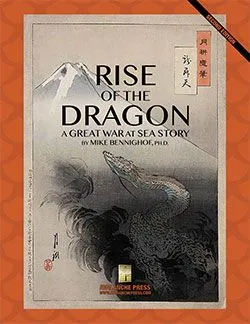
Great War at Sea: Rise of the Dragon ist eine Erweiterung für Great War at Sea: Central Powers aus dem Jahr 2016 für 1–2 Personen, mit 30–180 Minuten pro Partie und ab 12 Jahren. Entwickelt wurde es von Michael Bennighof; die wichtigsten Mechaniken sind Dice Rolling, Secret Unit Deployment und Hexagon Grid.
Über das Spiel
Auf Englisch
From the publisher: In 1907, the Imperial Chinese Navy proposed a new building program to provide three regional fleets, each built around a new modern battleship. Two years later a naval commission headed by the Regent's brother, Prince Tsai-hsun, recommended a fleet of eight dreadnoughts and 20 cruisers plus supporting vessels, and began soliciting bids from shipyards around the world. China never built that fleet, but that doesn’t stop you from leading it into battle against the Japanese imperialists. Great War at Sea: Rise of the Dragon presents the Chinese line of battle as proposed by Prince Tsai-hsun, made up of ships built in Germany, Britain, Japan, Austria-Hungary, Italy and the United States. The Chinese have nine dreadnought battleships: the eight new ships proposed by the Prince, plus the former Brazilian Rio de Janeiro. Plus the twenty proposed cruisers, and the destroyers, mine craft, gunboats and torpedo boats that made up the rest of the program. Eleven new scenarios send this fleet into action against the Japanese in 1915, resisting Japan’s odious demands for control of Chinese ports, railways and mines. The Japanese have countered the Chinese buildup with additional new ships of their own, foregoing the reconstruction of captured Russian prizes to invest instead in additional new battleships and cruisers, including the small battle cruisers proposed in 1905. Rise of the Dragon is a supplement for the Great War at Sea series, based on battles that never happened. It is not a complete game: Ownership of Russo-Japanese War, Pacific Crossroads and Central Powers (and only those three items) is necessary to play all of the eleven scenarios included. Rise of the Dragon includes 90 laser-cut and mounted playing pieces: 50 "long" pieces representing major warships and 40 square ones representing smaller craft and fleet markers.
Autoren
Verlage
- Avalanche Press Ltd.
Fragen und Antworten
Laut Katalog unterstützt Great War at Sea: Rise of the Dragon 1–2 Personen. Diese Spanne entspricht der vom Verlag angegebenen Spielerzahl, das Spiel lässt sich also für jede Gruppengröße innerhalb dieser Spanne aufbauen. Aufbau, einzelne Regeln und Wertungsdetails können je nach Personenzahl trotzdem abweichen; prüfe daher die genaue Konfiguration in der Anleitung deiner Ausgabe.
Die angegebene Spieldauer für Great War at Sea: Rise of the Dragon beträgt 30–180 Minuten. Das ist die Schätzung des Verlags für eine vollständige Partie. Die tatsächliche Dauer hängt von der Gruppe, der Personenzahl und der Regelkenntnis ab: Erste Partien dauern meist länger, erfahrene Gruppen sind oft schneller fertig. Aufbau und Regelerklärung sind in dieser Schätzung nicht enthalten.
Im Katalog wird Great War at Sea: Rise of the Dragon ab 12 Jahren empfohlen. Das ist die Empfehlung des Verlags und berücksichtigt Leseanforderungen, Regelkomplexität und Kleinteile, nicht nur das Thema. Jüngere Kinder können oft mit Hilfe eines Erwachsenen mitspielen; beachte die Altersangabe deiner Ausgabe und die Brettspielerfahrung deiner Gruppe.
Great War at Sea: Rise of the Dragon hat bei BoardGameGeek eine Komplexitätswertung von 3,0 von 5 und gilt damit als mittelschweres Spiel. Die Wertung zeigt, wie viel Regelwissen, Planung und Entscheidungen eine typische Partie verlangt. Schwerere Spiele brauchen bei der ersten Erklärung mehr Zeit, daher hilft vor dem Spieleabend eine Vorbereitungsanleitung.
Great War at Sea: Rise of the Dragon gehört zu diesen Kategorien: Wargame, Nautical und Expansion for Base-game. Die wichtigsten Mechaniken sind Dice Rolling, Secret Unit Deployment und Hexagon Grid. Kategorien beschreiben Thema und Setting eines Spiels, Mechaniken dagegen, was die Spielenden in ihrem Zug tatsächlich tun. Jede Mechanik führt zu einer Katalogseite mit ähnlichen Spielen, falls du etwas Vergleichbares suchst.
Als Autoren von Great War at Sea: Rise of the Dragon sind angegeben: Michael Bennighof. Diese Angaben stammen aus den veröffentlichten Spieldaten und nennen die für das Spieldesign verantwortlichen Personen, nicht die Illustratoren oder Verlage. Die Autorenseiten auf MeepleRules sammeln weitere Titel derselben Autoren – praktisch, wenn dir ein Spiel gefällt und du ähnliche Spiele suchst.
Im Katalog ist Great War at Sea: Rise of the Dragon als Erweiterung zu Great War at Sea: Central Powers aufgeführt. Erweiterungen ergänzen das Grundspiel um neues Material, neue Regeln oder Szenarien und sind meist nicht eigenständig spielbar; du brauchst also Great War at Sea: Central Powers, um sie zu nutzen. Prüfe, ob deine Ausgabe von Great War at Sea: Central Powers kompatibel ist, da manche Erweiterungen zwischen den Auflagen überarbeitet wurden.