
- BGG-Rang
- BGG #9.757
- BGG-Bewertung
- 6,8
Moon Base
- 2 Spieler
- 30–60 Min.
- Komplexität 2,3/5
- 2019
2017
Regelhilfe für HATSUDEN
Verständliche Erklärungen zu Spielzügen, Karteneffekten und strittigen Situationen mit Verweisen auf offizielle Quellen und gespeichertem Fragenverlauf.
Für 2 Personen
Was möchtest du wissen?
Antworten stammen aus dem offiziellen Regelheft, mit Seitenangabe zum Nachprüfen.
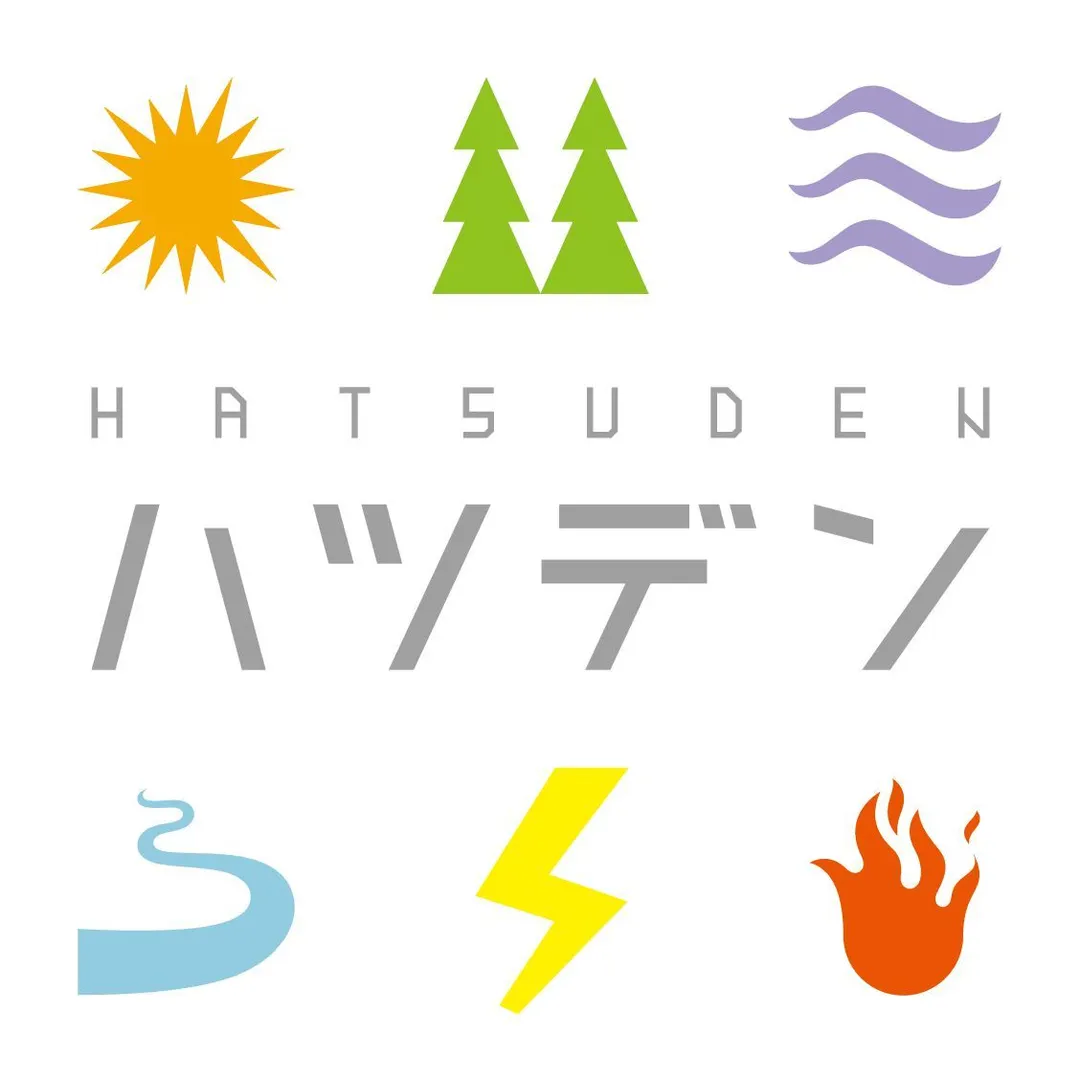
HATSUDEN ist ein Brettspiel aus dem Jahr 2017 für 2 Personen, mit 15–30 Minuten pro Partie und ab 10 Jahren. Entwickelt wurde es von Naotaka Shimamoto; die wichtigsten Mechaniken sind Hand Management und Area Majority / Influence.








Auf Englisch
HATSUDEN is a game of two players with a theme of electricity supply. Although minimal in system and play time, it has a thrilling game plot and the results are never predictable. This is a game for players of all range. Please take a try. Construct 5 types of renewable energy plant (Solar, Geothermal, Wind, Hydro, Biomass) and complete your supply to the city. Compete for greater electricity, also making sure to keep just the right amount for your city’s demand. The special technology cards also play a big role as the game develops. Now, head out to the journey to become a great “HATSUDEN” engineer. Goal of the Game In HATSUDEN, players compete for 1. greater generation of renewable energy, and 2. optimum power supply to the cities. General Procedures Choose an open space. Place a power plant card corresponding to the renewable energy type indicated at the top of the column. Once you have placed a plant card, you have now acquired a power supply equivalent to the number marked on the card. All power plants supply electricity to the city at the end of the row. A city needs a total of 10 supply, and 9 or 11 would also be permissible. If the sum of supply becomes 12 or more after a power plant construction or upgrade, you must flip one(or more)of the other power plant cards in the same row and convert it to a pylon, so the supply level is kept at 11 or less. When either player completes all ten spaces provided another player takes the last turn to finish off the game. If the last player is not able to complete all 10 spaces, the remaining spaces will be filled with pylons. Point Calculation First of all, players calculate the generation for each renewable energy (solar, geothermal, wind, water, and biomass). Cards in the two spaces in the column are added, and the sums of generation level are compared between the players. The player with a greater generation level takes the renewable energy card face down. This will count as 1 point. If it is a tie, neither gets a point. Calculate the total supply to the city by adding the generation of the plants in the row. If you have a total of 10 supply to the city, you may take the city card face down. This will count as 1 point. If the total supply is 8 or below, you will have 1 point taken away. Whoever earns a higher total score is the winner of the game. If it’s a tie, the total points from the cities(1 point from scoring 10, and -1 from scoring 8 or less)will determine the winner. If this too is tied, the player playing second will be the winner.
Laut Katalog unterstützt HATSUDEN 2 Personen. Das ist die vom Verlag angegebene Spielerzahl, das Spiel ist also genau für diese Anzahl von Mitspielenden ausgelegt. Varianten für andere Gruppengrößen sind, sofern vorhanden, in der Anleitung deiner Ausgabe beschrieben; prüfe sie, bevor du eine andere Konfiguration aufbaust.
Die angegebene Spieldauer für HATSUDEN beträgt 15–30 Minuten. Das ist die Schätzung des Verlags für eine vollständige Partie. Die tatsächliche Dauer hängt von der Gruppe, der Personenzahl und der Regelkenntnis ab: Erste Partien dauern meist länger, erfahrene Gruppen sind oft schneller fertig. Aufbau und Regelerklärung sind in dieser Schätzung nicht enthalten.
Im Katalog wird HATSUDEN ab 10 Jahren empfohlen. Das ist die Empfehlung des Verlags und berücksichtigt Leseanforderungen, Regelkomplexität und Kleinteile, nicht nur das Thema. Jüngere Kinder können oft mit Hilfe eines Erwachsenen mitspielen; beachte die Altersangabe deiner Ausgabe und die Brettspielerfahrung deiner Gruppe.
HATSUDEN hat bei BoardGameGeek eine Komplexitätswertung von 1,2 von 5 und gilt damit als leichtes Spiel. Die Wertung zeigt, wie viel Regelwissen, Planung und Entscheidungen eine typische Partie verlangt. Schwerere Spiele brauchen bei der ersten Erklärung mehr Zeit, daher hilft vor dem Spieleabend eine Vorbereitungsanleitung.
HATSUDEN gehört zu diesen Kategorien: Industry / Manufacturing. Die wichtigsten Mechaniken sind Hand Management und Area Majority / Influence. Kategorien beschreiben Thema und Setting eines Spiels, Mechaniken dagegen, was die Spielenden in ihrem Zug tatsächlich tun. Jede Mechanik führt zu einer Katalogseite mit ähnlichen Spielen, falls du etwas Vergleichbares suchst.
Als Autoren von HATSUDEN sind angegeben: Naotaka Shimamoto. Diese Angaben stammen aus den veröffentlichten Spieldaten und nennen die für das Spieldesign verantwortlichen Personen, nicht die Illustratoren oder Verlage. Die Autorenseiten auf MeepleRules sammeln weitere Titel derselben Autoren – praktisch, wenn dir ein Spiel gefällt und du ähnliche Spiele suchst.
Im Katalog ist HATSUDEN als Grundspiel aufgeführt. Es lässt sich eigenständig mit dem Material aus der Schachtel spielen und benötigt keinen weiteren Titel. Erweiterungen, sofern es welche gibt, ergänzen neues Material oder neue Regeln und sind im Katalog separat mit einem Verweis auf dieses Grundspiel aufgeführt.