- BGG-Bewertung
- 7,9
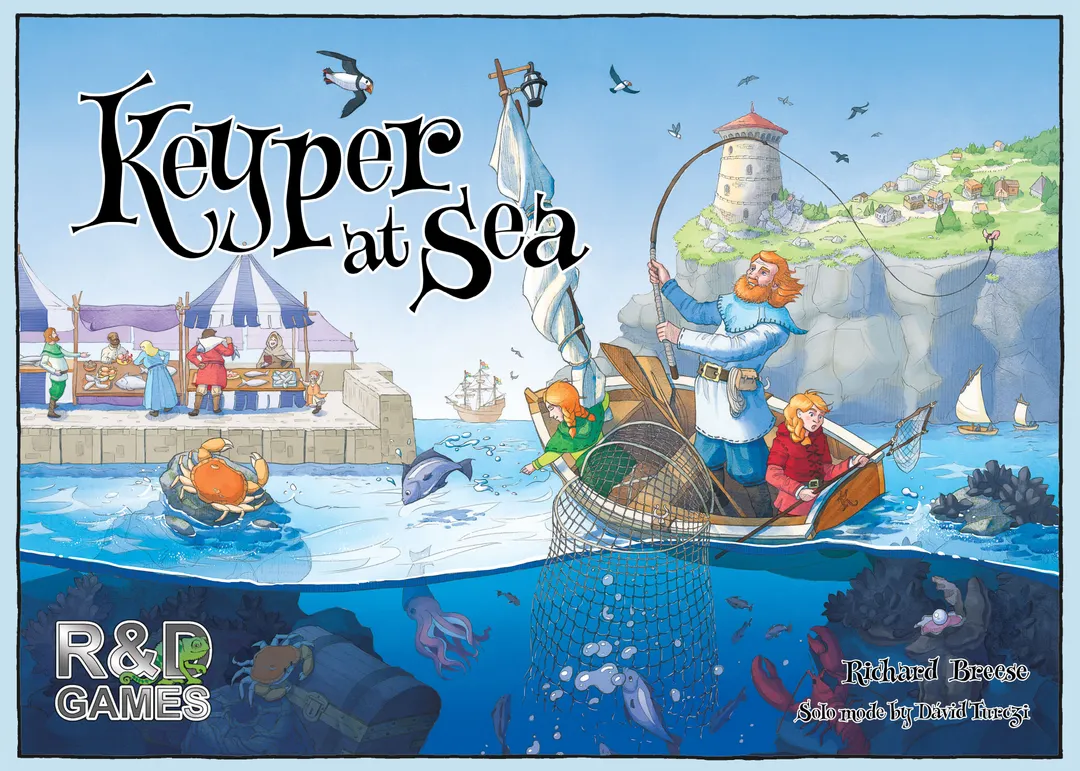
Keyper at Sea
- 1–4 Spieler
- 60–120 Min.
- 2021
2017
Regelhilfe für Keyper
Verständliche Erklärungen zu Spielzügen, Karteneffekten und strittigen Situationen mit Verweisen auf offizielle Quellen und gespeichertem Fragenverlauf.
Für 2 Personen
Was möchtest du wissen?
Antworten stammen aus dem offiziellen Regelheft, mit Seitenangabe zum Nachprüfen.
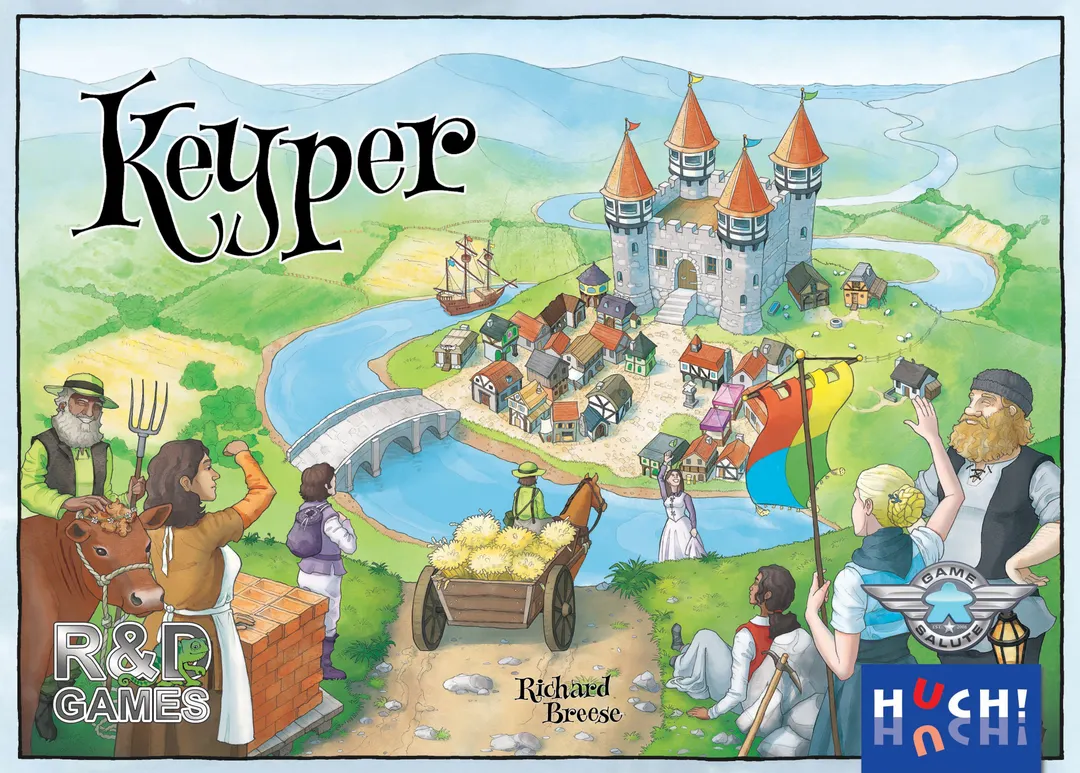
Keyper ist ein Brettspiel aus dem Jahr 2017 für 2–4 Personen, mit 90–120 Minuten pro Partie und ab 14 Jahren. Entwickelt wurde es von Richard Breese; die wichtigsten Mechaniken sind Set Collection, Area Majority / Influence und Tile Placement.


Auf Englisch
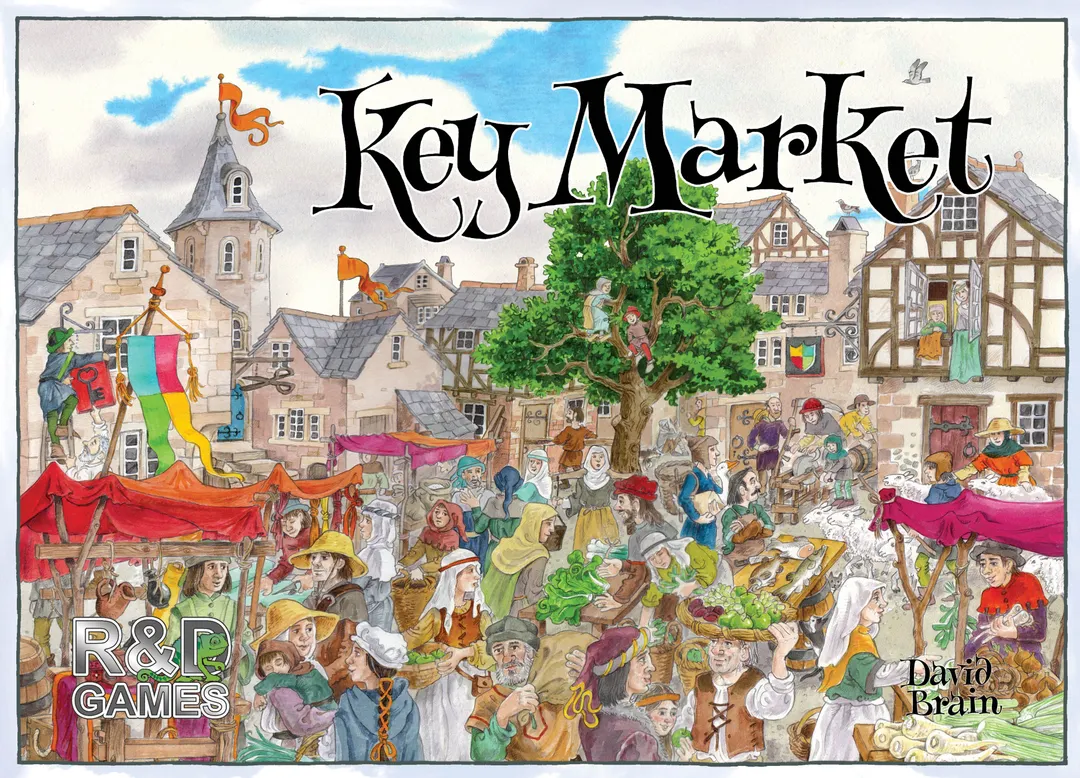
Keyper is a game with high player interaction for two to four players played over four rounds. Each round represents a season: spring, summer, autumn, and finally winter. Each player starts the game with their own village board, a mini keyp board, 12 village tiles, a keyper (waving meeple) in their player color, and a team of eight multi-colored keyples, including two white keyples. Each differently colored keyple is a specialist in one activity: the brown keyper is a woodsman, the black keyple is a miner, the orange keyple a clay worker, etc. The white keyples are generalists who can represent any other color. Keyper is a worker placement game. (Keyper is the eighth new title in the medieval Key series of games, with Keydom, the second in the series being widely recognized as the first of the worker placement genre of games.) What makes Keyper special is that when one player places a keyple on a country board, another player can join them with a matching colored keyple on the first player's turn to the benefit of both players. In this way, some players are likely to have played all their keyples before others. All keyples have the potential to work twice. If a player has played all of their keyples, but another player still has some, then on their turn, the player with no remaining keyples can lay down one or more keyples on the country board they have claimed or in their village board to secure additional resources or actions. It can therefore be doubly beneficial to co-operate with your fellow players, although Keyper is not a co-operative game in the usual sense of the term. The country boards are also noteworthy, in that they can be manipulated and folded at the beginning of summer, autumn, and winter to show one of four different permutations of fields for that season. A player will chose the one to suit their strategy, often hoping that another player will complement their choice. Certain fields on the country boards are available only in certain seasons, e.g., raw materials can be upgraded to finished goods only in spring and summer, after which you can only convert using tiles in your own village. Gem mining occurs only in autumn and winter. A player's strategy is likely to be influenced by which (seeded) spring country tiles they acquire and by the particular colored keyples they have available in the later seasons. Different combinations will encourage a player to develop their farm or village, help with their shipping or mining activities, and prepare for the seasonal fairs. Players constantly need to evaluate whether or not to join other players, when to claim a country board, whether to play on their own or another player's country board, when to use their own village, and whether to create a large or small team of keyples for the following season. The winner is the player to gain the most points, usually through pursuing at least a couple of the different strategies. In addition to the theme and mechanisms, Keyper has similar traits to the earlier Key games: Game actions are positive and constructive, not destructive; player interaction is through the game mechanisms not direct, and like Keyflower, the previous game in the series, there is a lot of player interaction. A special English-language Kickstarter edition of Keyper with "character" keyples and keypers will also be released.
Laut Katalog unterstützt Keyper 2–4 Personen. Diese Spanne entspricht der vom Verlag angegebenen Spielerzahl, das Spiel lässt sich also für jede Gruppengröße innerhalb dieser Spanne aufbauen. Aufbau, einzelne Regeln und Wertungsdetails können je nach Personenzahl trotzdem abweichen; prüfe daher die genaue Konfiguration in der Anleitung deiner Ausgabe.
Die angegebene Spieldauer für Keyper beträgt 90–120 Minuten. Das ist die Schätzung des Verlags für eine vollständige Partie. Die tatsächliche Dauer hängt von der Gruppe, der Personenzahl und der Regelkenntnis ab: Erste Partien dauern meist länger, erfahrene Gruppen sind oft schneller fertig. Aufbau und Regelerklärung sind in dieser Schätzung nicht enthalten.
Im Katalog wird Keyper ab 14 Jahren empfohlen. Das ist die Empfehlung des Verlags und berücksichtigt Leseanforderungen, Regelkomplexität und Kleinteile, nicht nur das Thema. Jüngere Kinder können oft mit Hilfe eines Erwachsenen mitspielen; beachte die Altersangabe deiner Ausgabe und die Brettspielerfahrung deiner Gruppe.
Keyper hat bei BoardGameGeek eine Komplexitätswertung von 3,6 von 5 und gilt damit als mittelschweres Spiel. Die Wertung zeigt, wie viel Regelwissen, Planung und Entscheidungen eine typische Partie verlangt. Schwerere Spiele brauchen bei der ersten Erklärung mehr Zeit, daher hilft vor dem Spieleabend eine Vorbereitungsanleitung.
Keyper gehört zu diesen Kategorien: Economic, Medieval und Farming. Die wichtigsten Mechaniken sind Set Collection, Area Majority / Influence und Tile Placement. Kategorien beschreiben Thema und Setting eines Spiels, Mechaniken dagegen, was die Spielenden in ihrem Zug tatsächlich tun. Jede Mechanik führt zu einer Katalogseite mit ähnlichen Spielen, falls du etwas Vergleichbares suchst.
Als Autoren von Keyper sind angegeben: Richard Breese. Diese Angaben stammen aus den veröffentlichten Spieldaten und nennen die für das Spieldesign verantwortlichen Personen, nicht die Illustratoren oder Verlage. Die Autorenseiten auf MeepleRules sammeln weitere Titel derselben Autoren – praktisch, wenn dir ein Spiel gefällt und du ähnliche Spiele suchst.
Im Katalog ist Keyper als Grundspiel aufgeführt. Es lässt sich eigenständig mit dem Material aus der Schachtel spielen und benötigt keinen weiteren Titel. Erweiterungen, sofern es welche gibt, ergänzen neues Material oder neue Regeln und sind im Katalog separat mit einem Verweis auf dieses Grundspiel aufgeführt.