
- BGG-Rang
- BGG #601
- BGG-Bewertung
- 7,1
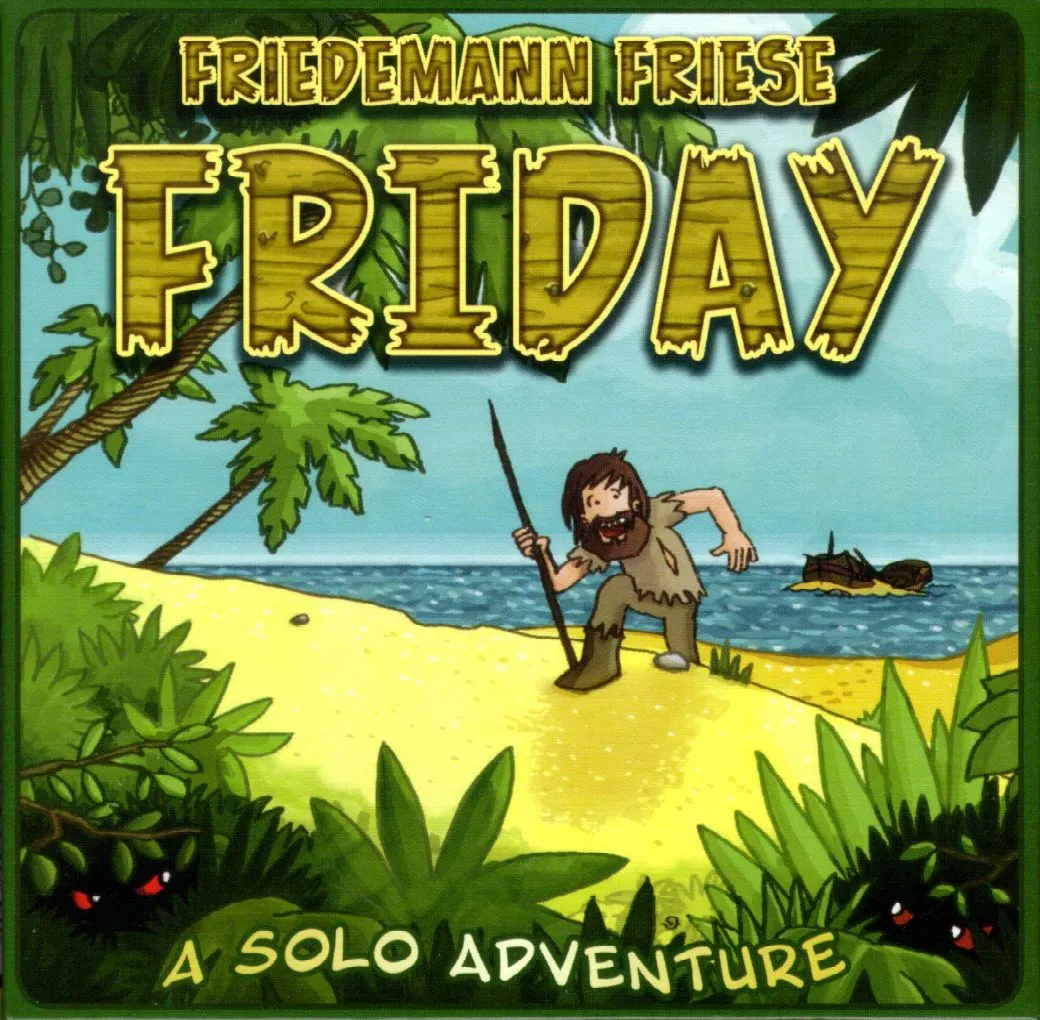
Friday
- 1 Spieler
- 25 Min.
- Komplexität 2,2/5
- 2011
2011
Regelhilfe für Lord of the Rings: The Adventure Deck Game
Verständliche Erklärungen zu Spielzügen, Karteneffekten und strittigen Situationen mit Verweisen auf offizielle Quellen und gespeichertem Fragenverlauf.
Für 1 Person
Was möchtest du wissen?
Antworten stammen aus dem offiziellen Regelheft, mit Seitenangabe zum Nachprüfen.
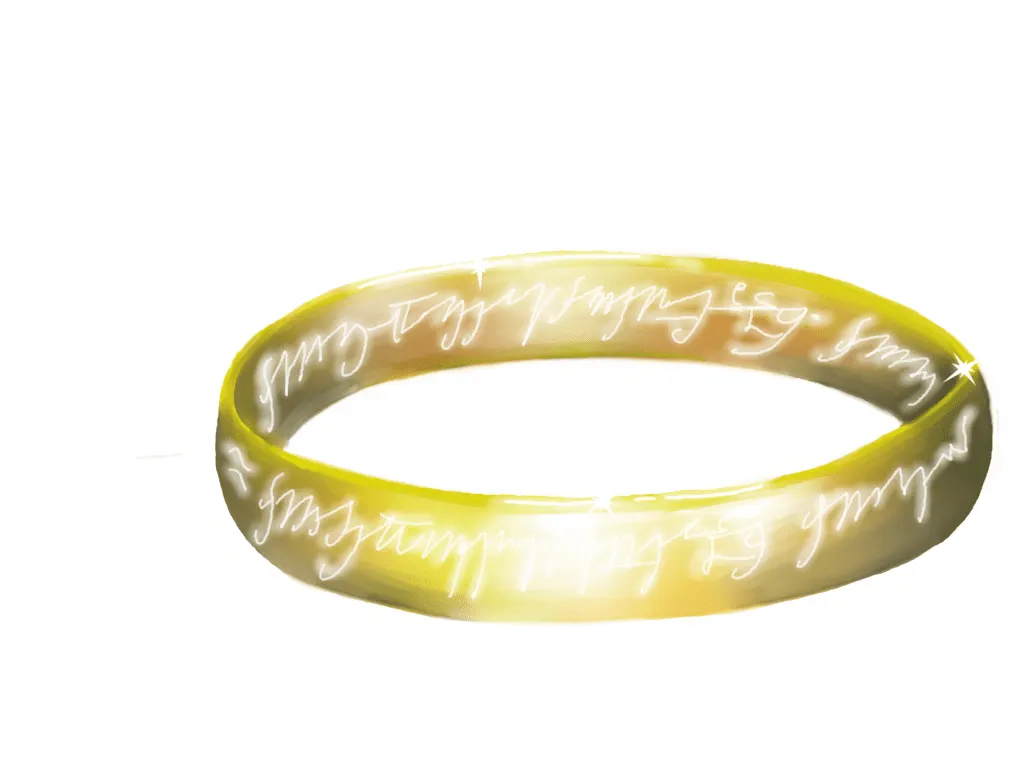
Lord of the Rings: The Adventure Deck Game ist ein Brettspiel aus dem Jahr 2011 für 1 Person, mit 5 Minuten pro Partie und ab 6 Jahren. Entwickelt wurde es von Michele Esmanech; die wichtigsten Mechaniken sind Push Your Luck, Solo / Solitaire Game und Open Drafting.
Auf Englisch
Lord of the Rings: the adventure deck game is a solitaire game, that takes from 5 to 15 minutes to play. In Lord of the Rings: the adventure deck game, the player is Frodo, whose goal is to reach Mt.Doom, drop the One Ring into the volcano's lava, and save Middle Earth. He has to hurry, as Sauron is gaining power, so the journey cannot last more than 25 days. In his journey, Frodo will encounter friends who help him (from Aragorn to Legolas) but he'll also encounter enemies (like Trolls and the Nazgul) that threaten Frodo and make his mission harder. From the rules: "Consider the card as a crossroad: therefore you are given choices on where to travel (up, left and/or right). The Directions show numbers (which range from 1 to 5) and show how many cards need to be drawn in order to proceed with the quest. B. Each card shows an aggression number (ranging from 0 to 3) which represents the attacks you have received while travelling. Sum the aggression numbers of each card you draw to get an Attack value which represents the amount of wounds you have sustained this turn. At any time, if the total attack value is higher than Frodo's wounds, the player immediately loses the game. This means that the Attack value will be the sum of all aggression numbers of cards drawn this turn. Example: if the player chooses directions with a high destination number, which makes him move faster, he will finish the mission within the preset time of 25 days/turns, but will also increase the chances of getting damaged and killed. At any time, but before drawing cards from the quest deck, you can use the RING which will turn Frodo invisible and, therefore, immune to all the attacks received (consider all aggression numbers as 0). BUT doing so will also bring the Witch King closer to you. Any time you use the Ring, put a token on the the Witch King Track on the play mat. The first time you use the ring, put a token on the Ring symbol on the play mat: this is a reminder that the ring has been used at least once. While drawing or before drawing (depending on the item), the player will have the chance to use one item he is equipped with. The player can use only one item per turn. C. Card Effects can be good or bad, depending on the card. A player resolves the card effects ONLY of the last drawn card of the turn. Unless otherwise stated, the ONLY thing the player should take into account while drawing the cards is the aggression number. Example: if the player chooses a direction with a destination number 3, he draws (one at a time) 3 cards, adding the Aggression Numbers of all 3 cards and resolving ONLY the effects of the 3rd card." Each turn, the player will have many choices to make, from deciding if he wants to rest (and recover his wounds), to which direction to go; from using potions or other items (like the Ring), to going looking for Aragorn to help him against the Witch King. Main game mechanic: push your luck.
Laut Katalog unterstützt Lord of the Rings: The Adventure Deck Game 1 Person. Das ist die vom Verlag angegebene Spielerzahl, das Spiel ist also genau für diese Anzahl von Mitspielenden ausgelegt. Varianten für andere Gruppengrößen sind, sofern vorhanden, in der Anleitung deiner Ausgabe beschrieben; prüfe sie, bevor du eine andere Konfiguration aufbaust.
Die angegebene Spieldauer für Lord of the Rings: The Adventure Deck Game beträgt 5 Minuten. Das ist die Schätzung des Verlags für eine vollständige Partie. Die tatsächliche Dauer hängt von der Gruppe, der Personenzahl und der Regelkenntnis ab: Erste Partien dauern meist länger, erfahrene Gruppen sind oft schneller fertig. Aufbau und Regelerklärung sind in dieser Schätzung nicht enthalten.
Im Katalog wird Lord of the Rings: The Adventure Deck Game ab 6 Jahren empfohlen. Das ist die Empfehlung des Verlags und berücksichtigt Leseanforderungen, Regelkomplexität und Kleinteile, nicht nur das Thema. Jüngere Kinder können oft mit Hilfe eines Erwachsenen mitspielen; beachte die Altersangabe deiner Ausgabe und die Brettspielerfahrung deiner Gruppe.
Lord of the Rings: The Adventure Deck Game hat bei BoardGameGeek eine Komplexitätswertung von 1,6 von 5 und gilt damit als leichtes Spiel. Die Wertung zeigt, wie viel Regelwissen, Planung und Entscheidungen eine typische Partie verlangt. Schwerere Spiele brauchen bei der ersten Erklärung mehr Zeit, daher hilft vor dem Spieleabend eine Vorbereitungsanleitung.
Lord of the Rings: The Adventure Deck Game gehört zu diesen Kategorien: Card Game, Fantasy und Print & Play. Die wichtigsten Mechaniken sind Push Your Luck, Solo / Solitaire Game und Open Drafting. Kategorien beschreiben Thema und Setting eines Spiels, Mechaniken dagegen, was die Spielenden in ihrem Zug tatsächlich tun. Jede Mechanik führt zu einer Katalogseite mit ähnlichen Spielen, falls du etwas Vergleichbares suchst.
Als Autoren von Lord of the Rings: The Adventure Deck Game sind angegeben: Michele Esmanech. Diese Angaben stammen aus den veröffentlichten Spieldaten und nennen die für das Spieldesign verantwortlichen Personen, nicht die Illustratoren oder Verlage. Die Autorenseiten auf MeepleRules sammeln weitere Titel derselben Autoren – praktisch, wenn dir ein Spiel gefällt und du ähnliche Spiele suchst.
Im Katalog ist Lord of the Rings: The Adventure Deck Game als Grundspiel aufgeführt. Es lässt sich eigenständig mit dem Material aus der Schachtel spielen und benötigt keinen weiteren Titel. Erweiterungen, sofern es welche gibt, ergänzen neues Material oder neue Regeln und sind im Katalog separat mit einem Verweis auf dieses Grundspiel aufgeführt.