
- BGG-Rang
- BGG #10.665
- BGG-Bewertung
- 7,3
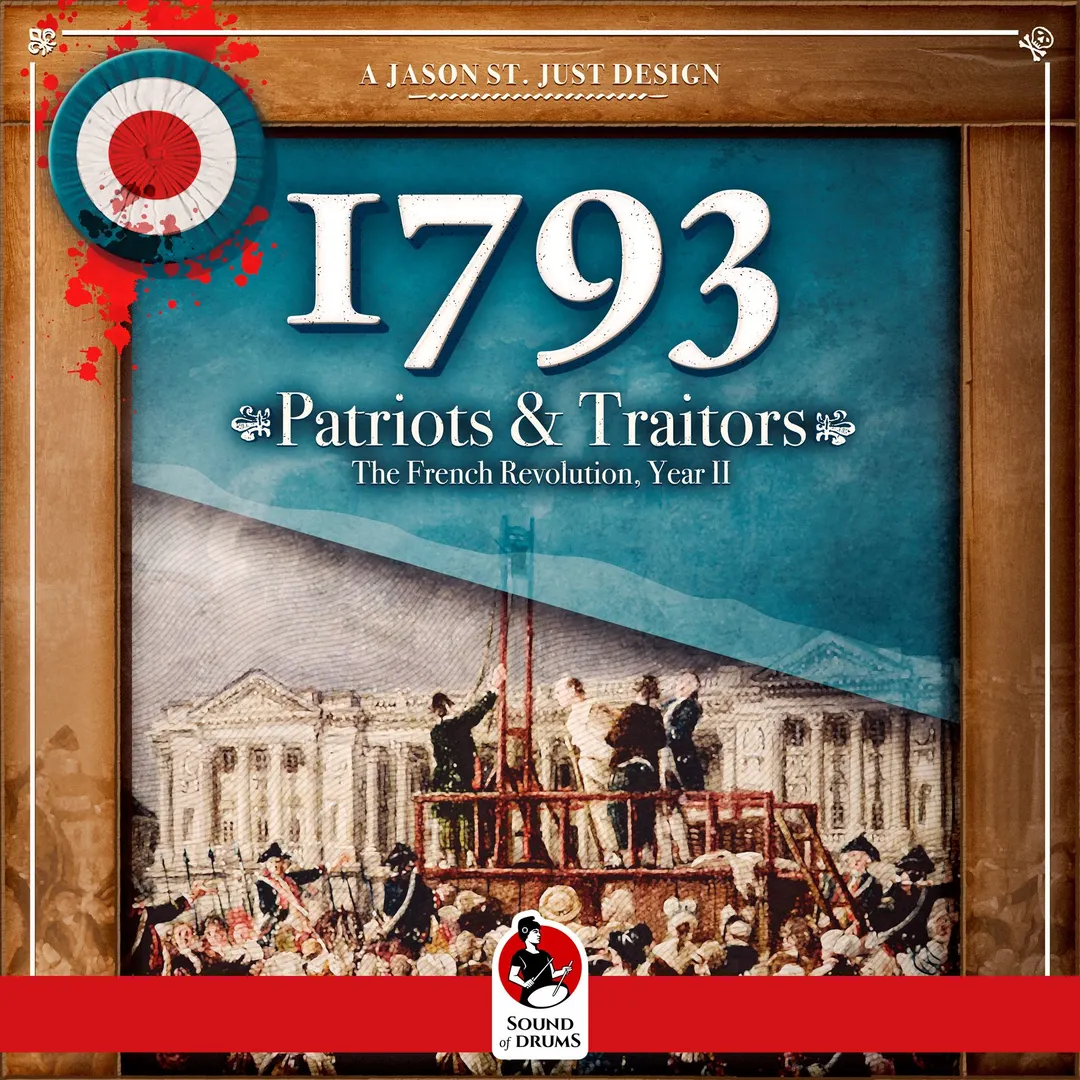
1793: Patriots & Traitors
- 1–5 Spieler
- 30–120 Min.
- Komplexität 3,1/5
- 2024
2017
Regelhilfe für Lost in Time
Verständliche Erklärungen zu Spielzügen, Karteneffekten und strittigen Situationen mit Verweisen auf offizielle Quellen und gespeichertem Fragenverlauf.
Für 1 Person
Was möchtest du wissen?
Antworten stammen aus dem offiziellen Regelheft, mit Seitenangabe zum Nachprüfen.
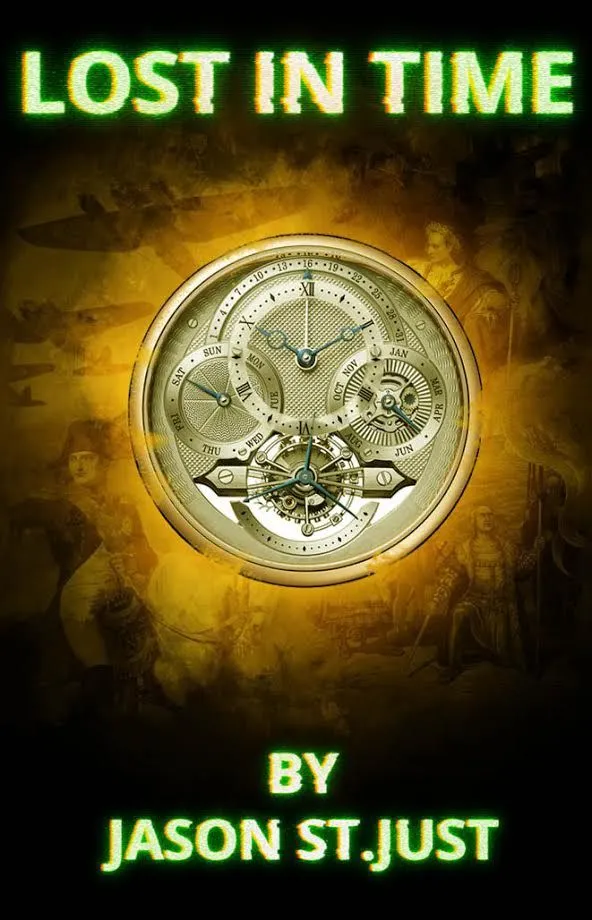
Lost in Time ist ein Brettspiel aus dem Jahr 2017 für 1–4 Personen, mit 20–45 Minuten pro Partie und ab 10 Jahren. Entwickelt wurde es von Jason St.Just; die wichtigsten Mechaniken sind Hand Management, Cooperative Game und Pattern Building.






Auf Englisch
Lost in Time is a thematic card game centering around time travel with three sets of rules that allow for different ways of play. The game consists of 88 cards with beautiful historical illustrations. No, it is not just a question of placing cards on a timeline! There's much more to it than that... The first version of the game is light and easy, specifically designed for families. It's the year 2031: you are one of the very first time travelers and you have been sent to the past. However, your time machine does not work as it was supposed to (isn't that typical!) and you are left stranded in the past. Now you have to get back to the year 2031. Each game round the players must jump into time but the problem is: not everybody will want to travel to the future like you do, some will want to jump to the past. And if you can't place anything on your timeline, you run the risk of being absorbed by the time-space continuum. It's a tug-of-war in time & space. Duration of play: 20 to 30 minutes. The second version, The Time Bandits, is heavier and semi-cooperative. In this game lets the players choose between being the secret agents or the thieves. The thieves, sent to the past by a criminal organization, must collect four historical artifacts before the eighth card has been played. The agents have been hired & vigourously trained by the government to hunt the criminals down before they end up changing the past and thus also automatically...the future. All players receive a deck of 18 cards which represent their time machine's battery allowing them to conjure up a wormhole in order to jump into time. The players must keep a close eye on the level of their battery: if it's empty, they will not be able to jump in time anymore and they will end up Lost in Time. Both the agents and thieves can make use of famous historical characters (Elizabeth I, Napoleon or Lenin...) to help them stop their rivals! Duration of play: 30 to 40 minutes. The third version is a solo variant. Before traveling to the past, you must decide how many batteries (deck of cards) to bring along. Every leap in time costs an amount of energy and even moreso if you end up in a period of disaster. When your batteries are empty, you are stuck in time, so you must be economical with your available energy! Will you jump in time immediately and save your battery, or will you press your luck and spend more energy in order to find a data chip that will help your travel through time more easily? Duration of play: 15 to 20 minutes. Can you survive the past?
Laut Katalog unterstützt Lost in Time 1–4 Personen. Diese Spanne entspricht der vom Verlag angegebenen Spielerzahl, das Spiel lässt sich also für jede Gruppengröße innerhalb dieser Spanne aufbauen. Aufbau, einzelne Regeln und Wertungsdetails können je nach Personenzahl trotzdem abweichen; prüfe daher die genaue Konfiguration in der Anleitung deiner Ausgabe.
Die angegebene Spieldauer für Lost in Time beträgt 20–45 Minuten. Das ist die Schätzung des Verlags für eine vollständige Partie. Die tatsächliche Dauer hängt von der Gruppe, der Personenzahl und der Regelkenntnis ab: Erste Partien dauern meist länger, erfahrene Gruppen sind oft schneller fertig. Aufbau und Regelerklärung sind in dieser Schätzung nicht enthalten.
Im Katalog wird Lost in Time ab 10 Jahren empfohlen. Das ist die Empfehlung des Verlags und berücksichtigt Leseanforderungen, Regelkomplexität und Kleinteile, nicht nur das Thema. Jüngere Kinder können oft mit Hilfe eines Erwachsenen mitspielen; beachte die Altersangabe deiner Ausgabe und die Brettspielerfahrung deiner Gruppe.
Lost in Time hat bei BoardGameGeek eine Komplexitätswertung von 2,0 von 5 und gilt damit als eher leichtes Spiel. Die Wertung zeigt, wie viel Regelwissen, Planung und Entscheidungen eine typische Partie verlangt. Schwerere Spiele brauchen bei der ersten Erklärung mehr Zeit, daher hilft vor dem Spieleabend eine Vorbereitungsanleitung.
Lost in Time gehört zu diesen Kategorien: Card Game, Napoleonic und Medieval. Die wichtigsten Mechaniken sind Hand Management, Cooperative Game und Pattern Building. Kategorien beschreiben Thema und Setting eines Spiels, Mechaniken dagegen, was die Spielenden in ihrem Zug tatsächlich tun. Jede Mechanik führt zu einer Katalogseite mit ähnlichen Spielen, falls du etwas Vergleichbares suchst.
Als Autoren von Lost in Time sind angegeben: Jason St.Just. Diese Angaben stammen aus den veröffentlichten Spieldaten und nennen die für das Spieldesign verantwortlichen Personen, nicht die Illustratoren oder Verlage. Die Autorenseiten auf MeepleRules sammeln weitere Titel derselben Autoren – praktisch, wenn dir ein Spiel gefällt und du ähnliche Spiele suchst.
Im Katalog ist Lost in Time als Grundspiel aufgeführt. Es lässt sich eigenständig mit dem Material aus der Schachtel spielen und benötigt keinen weiteren Titel. Erweiterungen, sofern es welche gibt, ergänzen neues Material oder neue Regeln und sind im Katalog separat mit einem Verweis auf dieses Grundspiel aufgeführt.