
- BGG-Rang
- BGG #1.310
- BGG-Bewertung
- 7,6
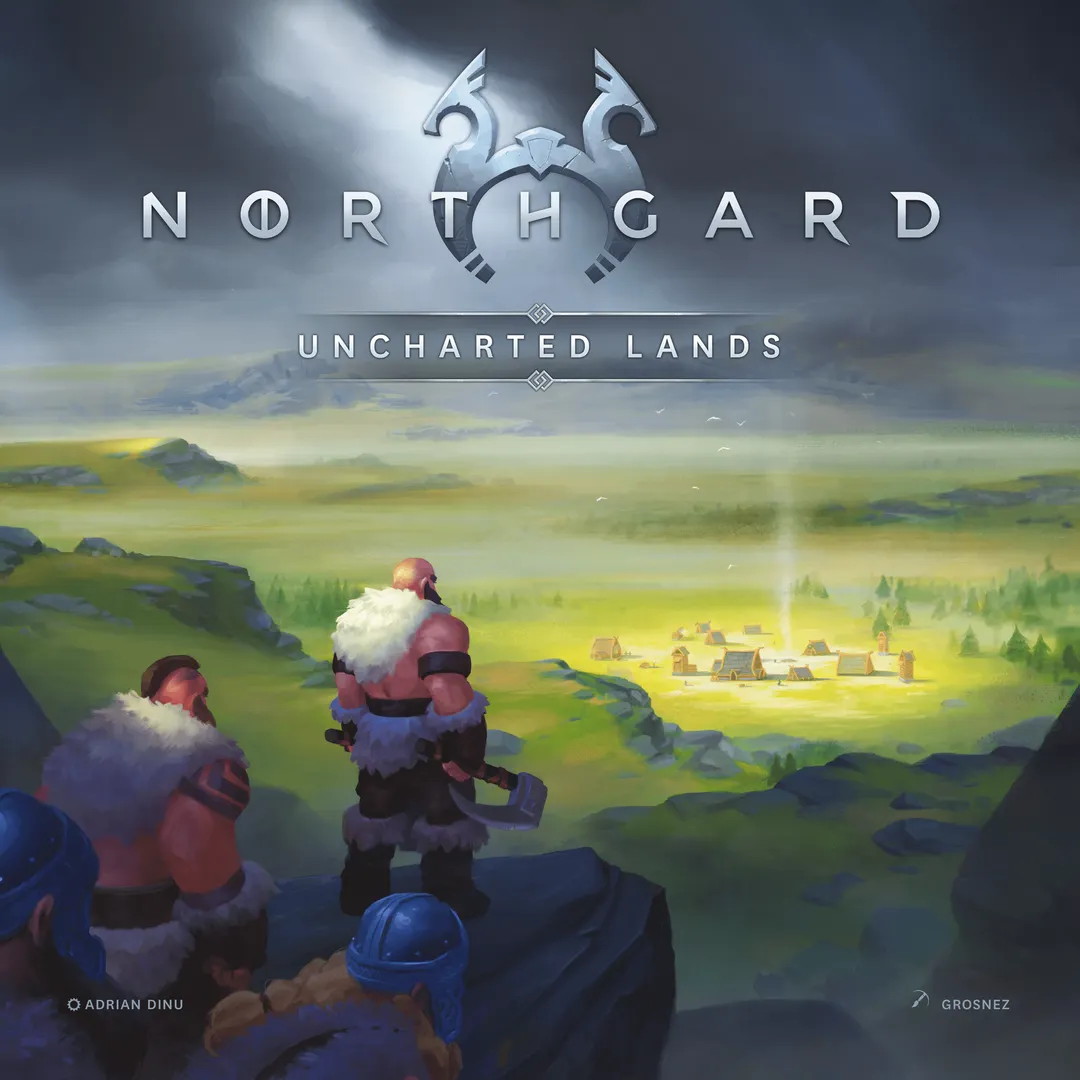
Northgard: Uncharted Lands
- 2–5 Spieler
- 45–90 Min.
- Komplexität 2,8/5
- 2022
2007
Regelhilfe für Moai
Verständliche Erklärungen zu Spielzügen, Karteneffekten und strittigen Situationen mit Verweisen auf offizielle Quellen und gespeichertem Fragenverlauf.
Was möchtest du wissen?
Antworten stammen aus dem offiziellen Regelheft, mit Seitenangabe zum Nachprüfen.
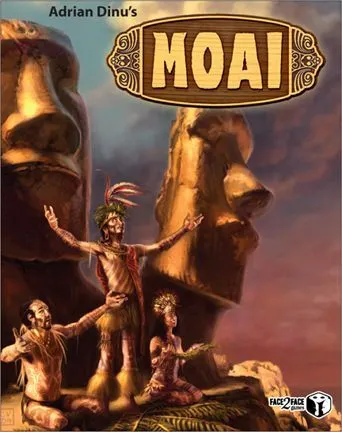
Moai ist ein Brettspiel aus dem Jahr 2007 für 2–5 Personen, mit 75 Minuten pro Partie und ab 12 Jahren. Entwickelt wurde es von Adrian Dinu; die wichtigsten Mechaniken sind Take That, Auction / Bidding und Open Drafting.
Auf Englisch
Easter Island is a tiny triangular speck of land at the eastern edge of Polynesia in the middle of the Pacific Ocean. The island has fascinated travelers, mystics, and scientists for years as people have wondered how such a small, isolated area could have been home to a society that created the world's most spectacular outdoor museum. In the 1940s, Norwegian archeologist Thor Heyerdahl sailed the reed boat Kon-Tiki from South America to Easter Island to show that the technology available made it possible for Polynesia to be settled from the Americas. In the 1970s, Erich Van Daniken popularized the idea that the world was visited by ancient astronauts and the beautiful and enormous stone statutes, the Moai, of Easter Island were used as some of his "evidence." Today, scientists around the world generally agree that Easter Island was settled from other Polynesian islands to its west, and the extreme culture that produced hundreds of stone Moai is related to other cultures in the region. The history of the island is a history of constraint, and the carving of the Moai, the rapid deforestation of the island, and the limited food sources available all worked together to build an extreme culture that became the victim of its own consumption. In this way, Easter Island today represents more than just a wonderful place to travel, but also is a reminder of the greater resource limits of our entire planet. As populations continue to grow and we put further strains on sources of fuel and food, are we heading toward the same fate that this small island suffered hundreds of years ago? The island today is owned by Chile, and the small population thrives with a few weekly flights to mainland South America and the occasional cargo ship visit. Moai is a game that closely follows the developments and excesses of the island until the arrival of Dutch Admiral Jacob Roggeveen, the first European to discover the island and name it for the day of his discovery. Combining many of the historical features of the island's culture in an exciting and well-playing strategic game, players can have fun reliving the dramatic history of this exciting little island.
Laut Katalog unterstützt Moai 2–5 Personen. Diese Spanne entspricht der vom Verlag angegebenen Spielerzahl, das Spiel lässt sich also für jede Gruppengröße innerhalb dieser Spanne aufbauen. Aufbau, einzelne Regeln und Wertungsdetails können je nach Personenzahl trotzdem abweichen; prüfe daher die genaue Konfiguration in der Anleitung deiner Ausgabe.
Die angegebene Spieldauer für Moai beträgt 75 Minuten. Das ist die Schätzung des Verlags für eine vollständige Partie. Die tatsächliche Dauer hängt von der Gruppe, der Personenzahl und der Regelkenntnis ab: Erste Partien dauern meist länger, erfahrene Gruppen sind oft schneller fertig. Aufbau und Regelerklärung sind in dieser Schätzung nicht enthalten.
Im Katalog wird Moai ab 12 Jahren empfohlen. Das ist die Empfehlung des Verlags und berücksichtigt Leseanforderungen, Regelkomplexität und Kleinteile, nicht nur das Thema. Jüngere Kinder können oft mit Hilfe eines Erwachsenen mitspielen; beachte die Altersangabe deiner Ausgabe und die Brettspielerfahrung deiner Gruppe.
Moai hat bei BoardGameGeek eine Komplexitätswertung von 2,7 von 5 und gilt damit als eher leichtes Spiel. Die Wertung zeigt, wie viel Regelwissen, Planung und Entscheidungen eine typische Partie verlangt. Schwerere Spiele brauchen bei der ersten Erklärung mehr Zeit, daher hilft vor dem Spieleabend eine Vorbereitungsanleitung.
Moai gehört zu diesen Kategorien: Ancient. Die wichtigsten Mechaniken sind Take That, Auction / Bidding und Open Drafting. Kategorien beschreiben Thema und Setting eines Spiels, Mechaniken dagegen, was die Spielenden in ihrem Zug tatsächlich tun. Jede Mechanik führt zu einer Katalogseite mit ähnlichen Spielen, falls du etwas Vergleichbares suchst.
Als Autoren von Moai sind angegeben: Adrian Dinu. Diese Angaben stammen aus den veröffentlichten Spieldaten und nennen die für das Spieldesign verantwortlichen Personen, nicht die Illustratoren oder Verlage. Die Autorenseiten auf MeepleRules sammeln weitere Titel derselben Autoren – praktisch, wenn dir ein Spiel gefällt und du ähnliche Spiele suchst.
Im Katalog ist Moai als Grundspiel aufgeführt. Es lässt sich eigenständig mit dem Material aus der Schachtel spielen und benötigt keinen weiteren Titel. Erweiterungen, sofern es welche gibt, ergänzen neues Material oder neue Regeln und sind im Katalog separat mit einem Verweis auf dieses Grundspiel aufgeführt.