- BGG-Bewertung
- 9,0
Myraclia: Darkness
- 2–5 Spieler
- 45–55 Min.
- 2020
2020
Regelhilfe für Myraclia
Verständliche Erklärungen zu Spielzügen, Karteneffekten und strittigen Situationen mit Verweisen auf offizielle Quellen und gespeichertem Fragenverlauf.
Für 2 Personen
Was möchtest du wissen?
Antworten stammen aus dem offiziellen Regelheft, mit Seitenangabe zum Nachprüfen.
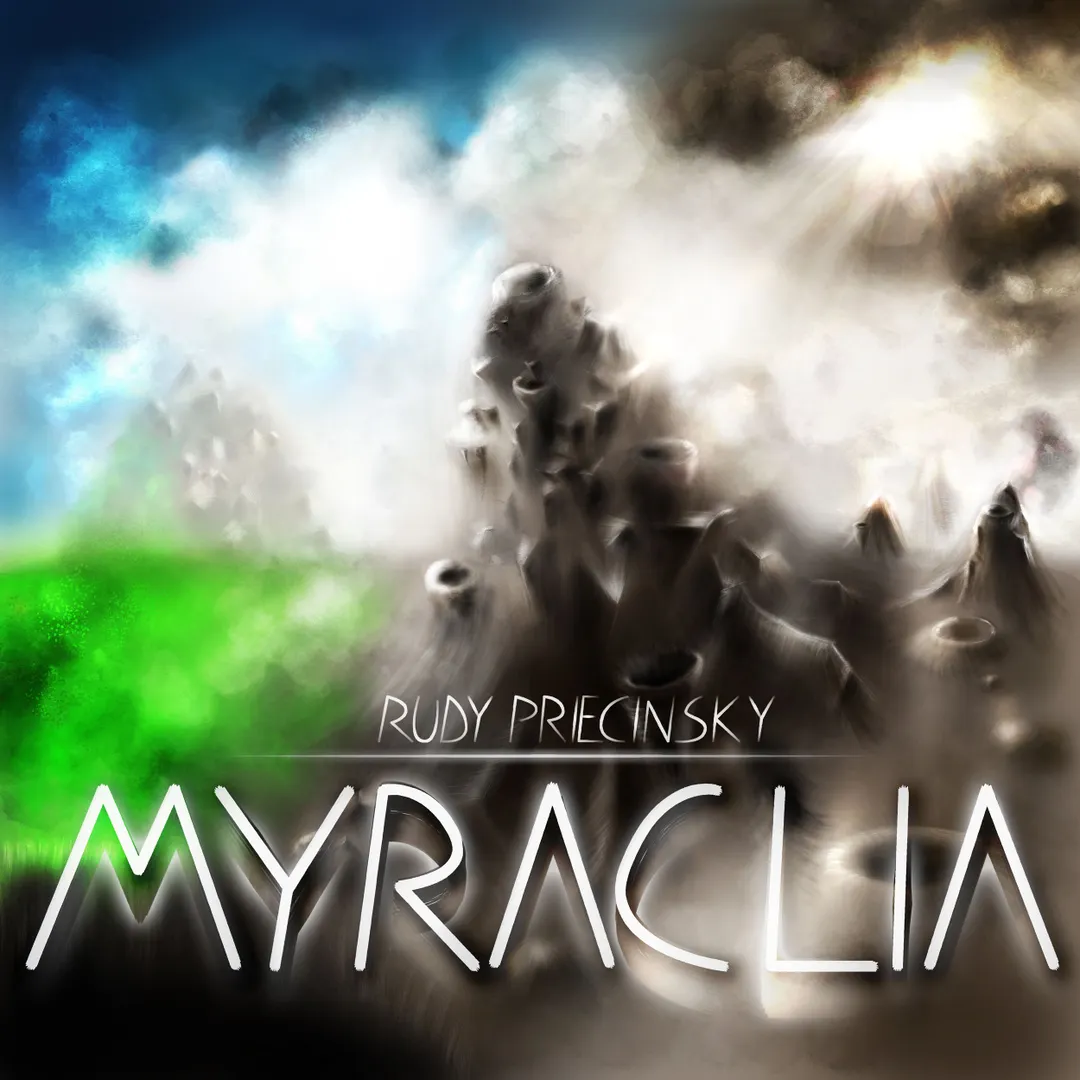
Myraclia ist ein Brettspiel aus dem Jahr 2020 für 2–5 Personen, mit 45–55 Minuten pro Partie und ab 10 Jahren. Entwickelt wurde es von Rudy Priecinsky; die wichtigsten Mechaniken sind Set Collection, Area Majority / Influence und Tile Placement.


Auf Englisch
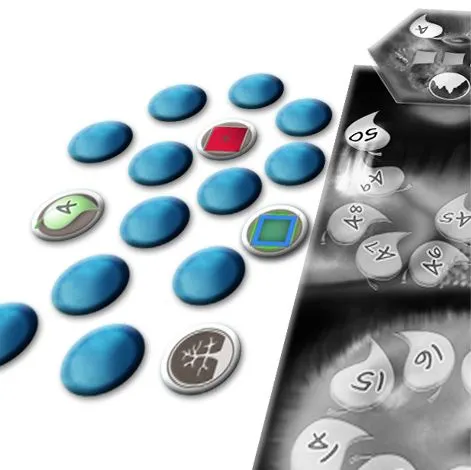
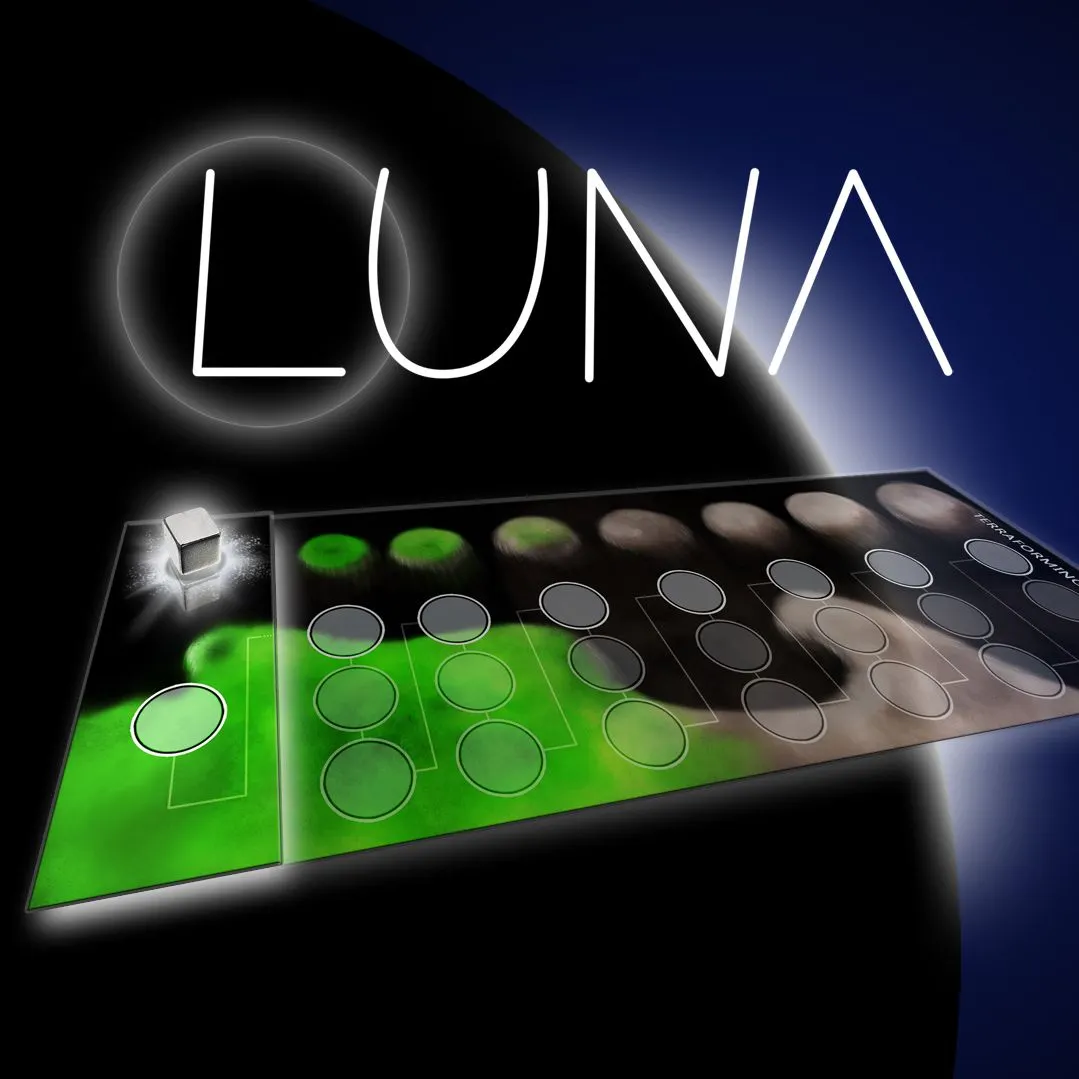
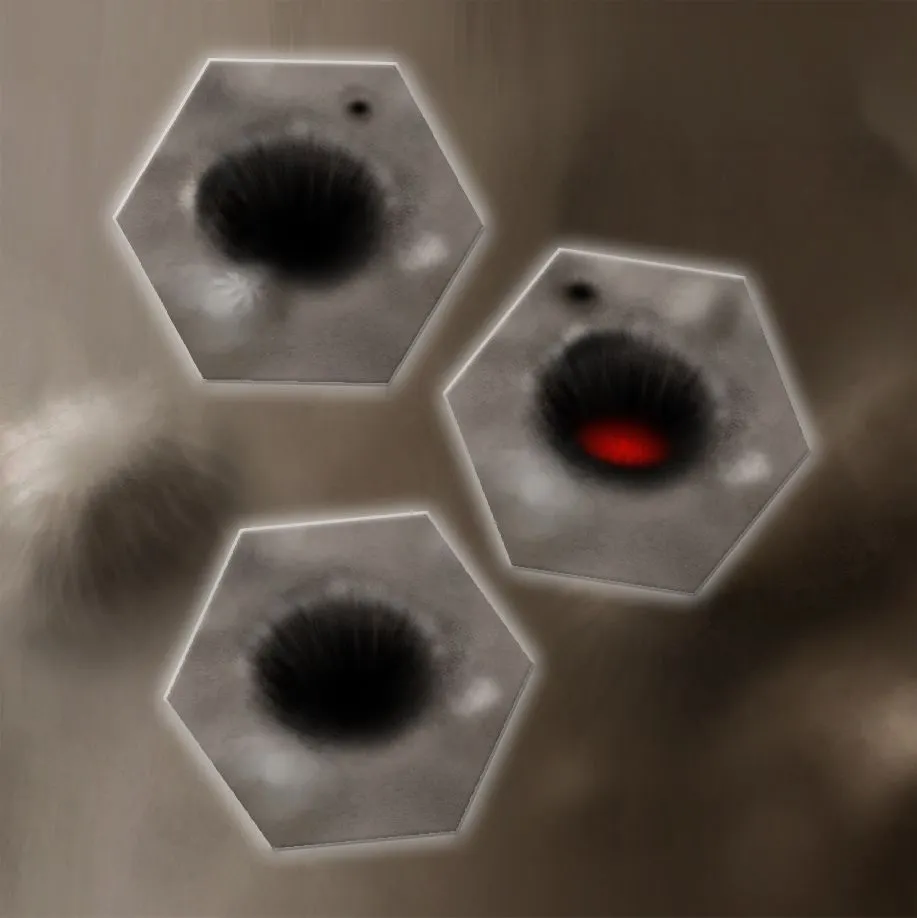
Created with love for openness and simplicity going along with a strong theme... Myraclia is a strategy game to be enjoyed on many occasions with many different people... Rudy Priecinsky, Designer of Myraclia - - - Planet Myraclia. Deserted and inhospitable. Wildly controlled by the elements. Life has no place here... But you came! With your divine powers. You know, or more precisely, you want to turn Myraclia...to a dreamed planet full of life. The task is not easy. You have to subdue chaotic elements of nature, organize them, establish order, to give life a chance... But you are not alone. Others want to turn Myraclia into their picture. Resources and time are limited. If you want to think of Myraclia as your creation, you have to fight with others ruthlessly for resources, but the form of Myraclia as well. Your goals are noble. But are your motives? - - - THE PRINCIPLE OF THE GAME In the game, you compete with other players for the title of The Creator of Myraclia. You are trying to get limited and chaotically emerging elements and sources of life. These are represented by glittering cubes in 7 colors in uneven numbers. You have to get them, organize them correctly, possibly replace them with the other player's elements, and ..... a miracle! The desolate and inhospitable part of Myraclia changes into a beautiful cradle of life. The Myraclia surface is divided into hexagonal tiles. One side of the tile represents the original look of Myraclia, before the transformation, without life, the other side of the terraformed appearance, the new beautiful face of Myraclia full of greenery. There are 4 types of surfaces, namely plains, forests, water areas, and mountains. The game takes place in rounds, divided into two basic phases. In the first – drafting phase – players alternate in the specified order and select one element (cube) from the drafting board to help them transform (re-shape) a part of the planet in the next phase. But remember. Not the same resources are available in each round. Those elements, which were abundant in the last round and nobody wanted them, can now be scarce and desirable. And vice versa. The price for gaining a rare element is great. Speed - and sometimes greed – during elements selection determine the player order for an important second phase. In the second phase - the terraformation - the players, according to the order set in the first phase, turn the individual deserted parts of the planet into Myraclia full of life. They discard the elements displayed on the Myraclia tile and turn it to a terraformed side. In most parts, they instantly earn points and/or a bonus in the form of the free released element. A released element can be used immediately. Order is key, but the first position does not necessarily mean an absolute advantage. If you were greedy in the first phase or you have chosen the wrong combination of elements, other players in turn could exchange their elements for your unused elements. The reward for the conversion of Myraclia is, in addition to the points, also the right to reveal new parts of the planet (by choosing new Myraclia tiles from the offer). The game ends in a round in which any player has terraformed 7 parts of Myraclia planet or if a certain part of the planet has been terraformed (i.e. it is not possible to replenish the offer of Myraclia tiles). Until the last moment, you cannot be sure who gets the title of The Creator of Myraclia. At final scoring, players are rewarded by the final look of the planet Myraclia and receive a bonus for the most consecutive terraformed area of the planet, for the variety of the terraformed surface, but also for the size of individual types of surfaces terraformed by the player. Your reward is a brand new Myraclia, beautiful, full of life. And also the feeling that you have contributed to it ..... the most.
Laut Katalog unterstützt Myraclia 2–5 Personen. Diese Spanne entspricht der vom Verlag angegebenen Spielerzahl, das Spiel lässt sich also für jede Gruppengröße innerhalb dieser Spanne aufbauen. Aufbau, einzelne Regeln und Wertungsdetails können je nach Personenzahl trotzdem abweichen; prüfe daher die genaue Konfiguration in der Anleitung deiner Ausgabe.
Die angegebene Spieldauer für Myraclia beträgt 45–55 Minuten. Das ist die Schätzung des Verlags für eine vollständige Partie. Die tatsächliche Dauer hängt von der Gruppe, der Personenzahl und der Regelkenntnis ab: Erste Partien dauern meist länger, erfahrene Gruppen sind oft schneller fertig. Aufbau und Regelerklärung sind in dieser Schätzung nicht enthalten.
Im Katalog wird Myraclia ab 10 Jahren empfohlen. Das ist die Empfehlung des Verlags und berücksichtigt Leseanforderungen, Regelkomplexität und Kleinteile, nicht nur das Thema. Jüngere Kinder können oft mit Hilfe eines Erwachsenen mitspielen; beachte die Altersangabe deiner Ausgabe und die Brettspielerfahrung deiner Gruppe.
Myraclia hat bei BoardGameGeek eine Komplexitätswertung von 2,3 von 5 und gilt damit als eher leichtes Spiel. Die Wertung zeigt, wie viel Regelwissen, Planung und Entscheidungen eine typische Partie verlangt. Schwerere Spiele brauchen bei der ersten Erklärung mehr Zeit, daher hilft vor dem Spieleabend eine Vorbereitungsanleitung.
Myraclia gehört zu diesen Kategorien: Fantasy, Territory Building und Space Exploration. Die wichtigsten Mechaniken sind Set Collection, Area Majority / Influence und Tile Placement. Kategorien beschreiben Thema und Setting eines Spiels, Mechaniken dagegen, was die Spielenden in ihrem Zug tatsächlich tun. Jede Mechanik führt zu einer Katalogseite mit ähnlichen Spielen, falls du etwas Vergleichbares suchst.
Als Autoren von Myraclia sind angegeben: Rudy Priecinsky. Diese Angaben stammen aus den veröffentlichten Spieldaten und nennen die für das Spieldesign verantwortlichen Personen, nicht die Illustratoren oder Verlage. Die Autorenseiten auf MeepleRules sammeln weitere Titel derselben Autoren – praktisch, wenn dir ein Spiel gefällt und du ähnliche Spiele suchst.
Im Katalog ist Myraclia als Grundspiel aufgeführt. Es lässt sich eigenständig mit dem Material aus der Schachtel spielen und benötigt keinen weiteren Titel. Erweiterungen, sofern es welche gibt, ergänzen neues Material oder neue Regeln und sind im Katalog separat mit einem Verweis auf dieses Grundspiel aufgeführt.