
- BGG-Rang
- BGG #2.935
- BGG-Bewertung
- 8,4
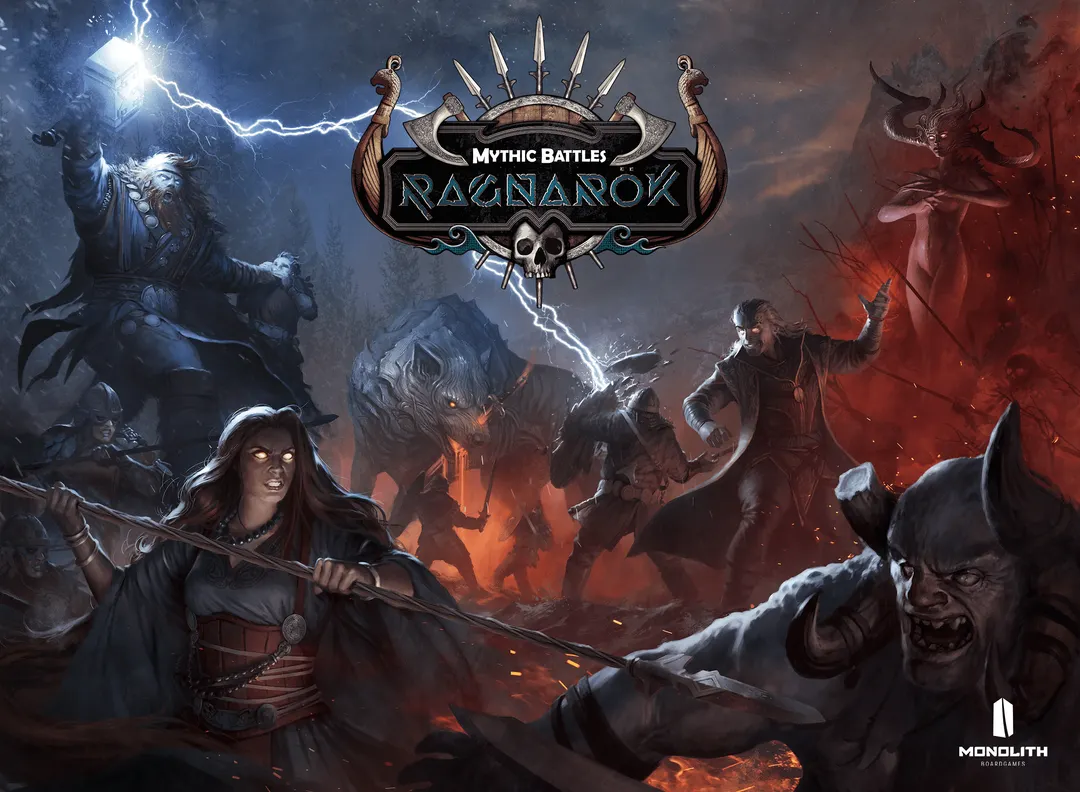
Mythic Battles: Ragnarök
- 2–4 Spieler
- 60–90 Min.
- Komplexität 3,3/5
- 2024
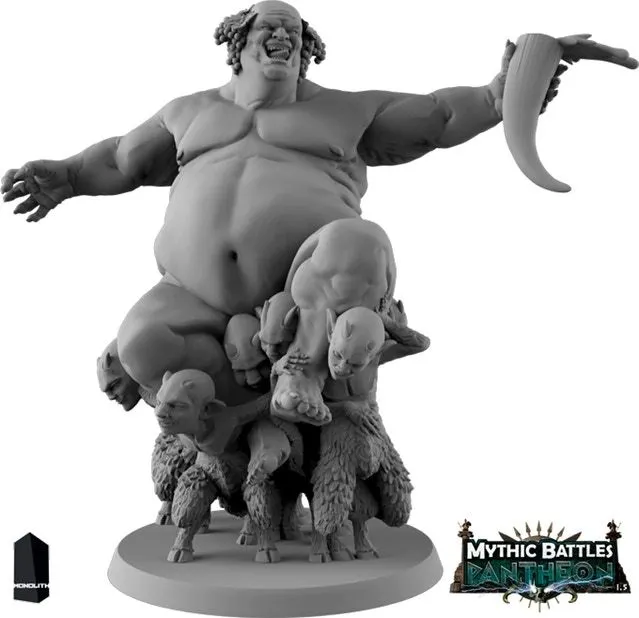
Regelhilfe für Mythic Battles: Pantheon – Dionysus
Verständliche Erklärungen zu Spielzügen, Karteneffekten und strittigen Situationen mit Verweisen auf offizielle Quellen und gespeichertem Fragenverlauf.
Was möchtest du wissen?
Antworten stammen aus dem offiziellen Regelheft, mit Seitenangabe zum Nachprüfen.
Mythic Battles: Pantheon – Dionysus ist eine Erweiterung für Mythic Battles: Pantheon aus dem Jahr 2018 für 1–4 Personen, mit 60–90 Minuten pro Partie und ab 14 Jahren. Die wichtigsten Mechaniken sind Variable Player Powers, Hand Management und Player Elimination.


Auf Englisch
New 2018 expansion for Mythic Battles Pantheon With Dionysus, we didn't want to create a combat-oriented unit, but rather a control oriented unit that represented opulence and chaos. Let's start by looking at the power "Orgiastic Procession" which aims to simulate the arrival of Dionysus, accompanied by one of his procession. This power gives the player several troops who, themselves, have many activation cards. The goal is to support the notion of opulence, which is emphasized by the number of "art of war" cards that brings Dionysus, as well as a high number of life points. The satyr children also help Dionysus controlling the map because they all possess the block talent. However, we don’t imagine that it is by physical might they manage to block off their enemies; it is because the units in their areas are too busy drinking their wine and feasting. The power of the satyr children makes it clear that Dionysus is not here to kill the opponents by fighting, but on the contrary, for them to lose themselves in the chaotic bliss of merriment. This power greatly disrupts an opponent's position and, in effect, offers significant control on the map to Dionysus. If the satyr children can neither attack nor collect gems, we imagine it is because they are busy serving wine to all the units in their area. This is represented by their block talent, as we have seen above, but also by the Bolster talent of the troops and the intoxicating power of Dionysus. This power, meanwhile, can generate chaos in the opponent's cards by forcing him to discard cards from his deck. Clearly, Dionysus can be a technical unit to play, due to his low mobility which requires careful placement on the map. Despite this, he is ubiquitous on the field and has the capability to disrupt the opponent's strategy. This, combined with the fact that he can send satyr children to bring him Omphalos (simulated by the talent gem collector), allows one to achieve victory by attaining Omphalos. —description from the publisher
Laut Katalog unterstützt Mythic Battles: Pantheon – Dionysus 1–4 Personen. Diese Spanne entspricht der vom Verlag angegebenen Spielerzahl, das Spiel lässt sich also für jede Gruppengröße innerhalb dieser Spanne aufbauen. Aufbau, einzelne Regeln und Wertungsdetails können je nach Personenzahl trotzdem abweichen; prüfe daher die genaue Konfiguration in der Anleitung deiner Ausgabe.
Die angegebene Spieldauer für Mythic Battles: Pantheon – Dionysus beträgt 60–90 Minuten. Das ist die Schätzung des Verlags für eine vollständige Partie. Die tatsächliche Dauer hängt von der Gruppe, der Personenzahl und der Regelkenntnis ab: Erste Partien dauern meist länger, erfahrene Gruppen sind oft schneller fertig. Aufbau und Regelerklärung sind in dieser Schätzung nicht enthalten.
Im Katalog wird Mythic Battles: Pantheon – Dionysus ab 14 Jahren empfohlen. Das ist die Empfehlung des Verlags und berücksichtigt Leseanforderungen, Regelkomplexität und Kleinteile, nicht nur das Thema. Jüngere Kinder können oft mit Hilfe eines Erwachsenen mitspielen; beachte die Altersangabe deiner Ausgabe und die Brettspielerfahrung deiner Gruppe.
Mythic Battles: Pantheon – Dionysus gehört zu diesen Kategorien: Card Game, Fighting und Wargame. Die wichtigsten Mechaniken sind Variable Player Powers, Hand Management und Player Elimination. Kategorien beschreiben Thema und Setting eines Spiels, Mechaniken dagegen, was die Spielenden in ihrem Zug tatsächlich tun. Jede Mechanik führt zu einer Katalogseite mit ähnlichen Spielen, falls du etwas Vergleichbares suchst.
Im Katalog ist Mythic Battles: Pantheon – Dionysus als Erweiterung zu Mythic Battles: Pantheon aufgeführt. Erweiterungen ergänzen das Grundspiel um neues Material, neue Regeln oder Szenarien und sind meist nicht eigenständig spielbar; du brauchst also Mythic Battles: Pantheon, um sie zu nutzen. Prüfe, ob deine Ausgabe von Mythic Battles: Pantheon kompatibel ist, da manche Erweiterungen zwischen den Auflagen überarbeitet wurden.