
- BGG-Bewertung
- 8,0
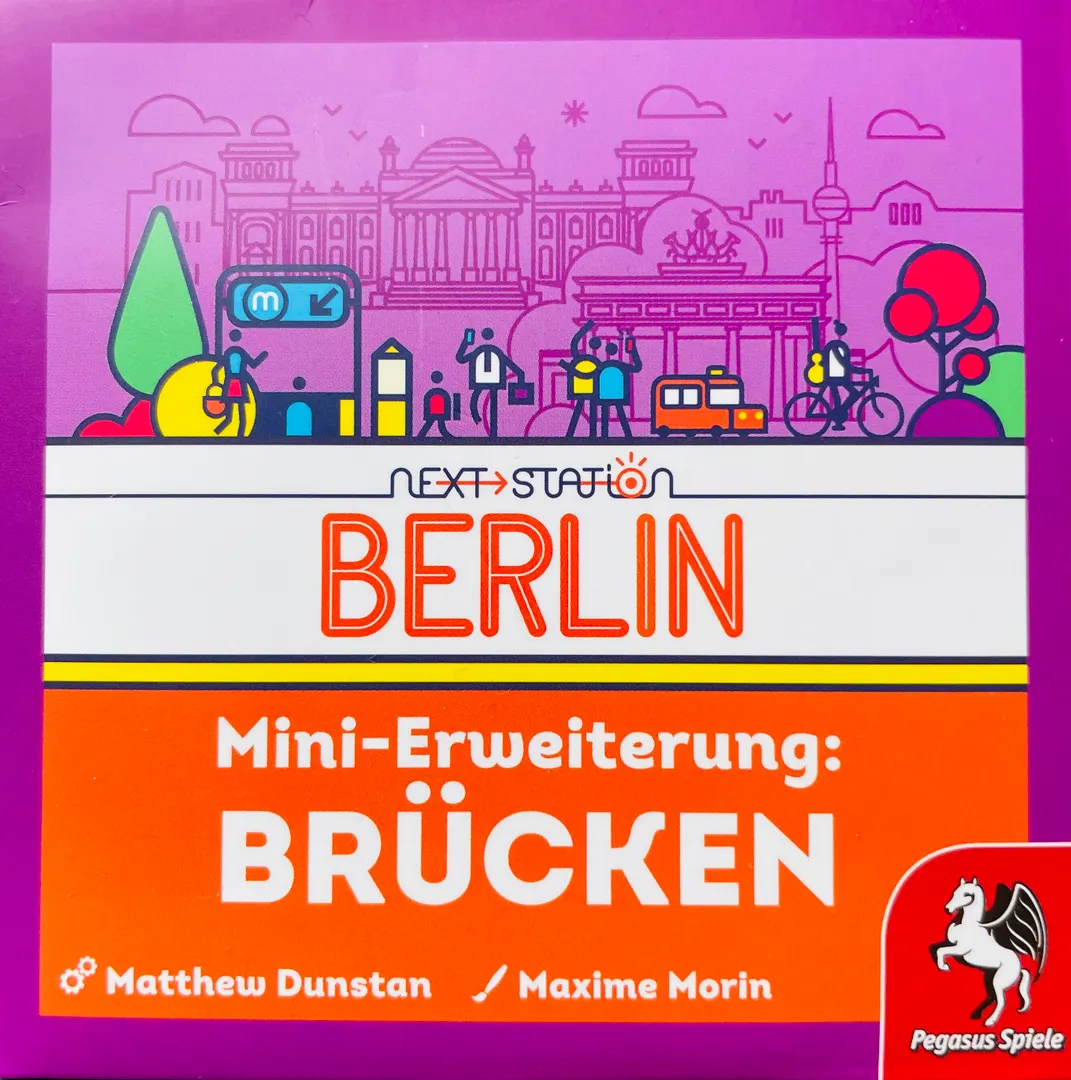
Next Station: Berlin Mini-Erweiterung Brücken
- 1–4 Spieler
- 25 Min.
- 2026
2026
Regelhilfe für Next Station: Berlin
Verständliche Erklärungen zu Spielzügen, Karteneffekten und strittigen Situationen mit Verweisen auf offizielle Quellen und gespeichertem Fragenverlauf.
Für 1 Person
Was möchtest du wissen?
Antworten stammen aus dem offiziellen Regelheft, mit Seitenangabe zum Nachprüfen.
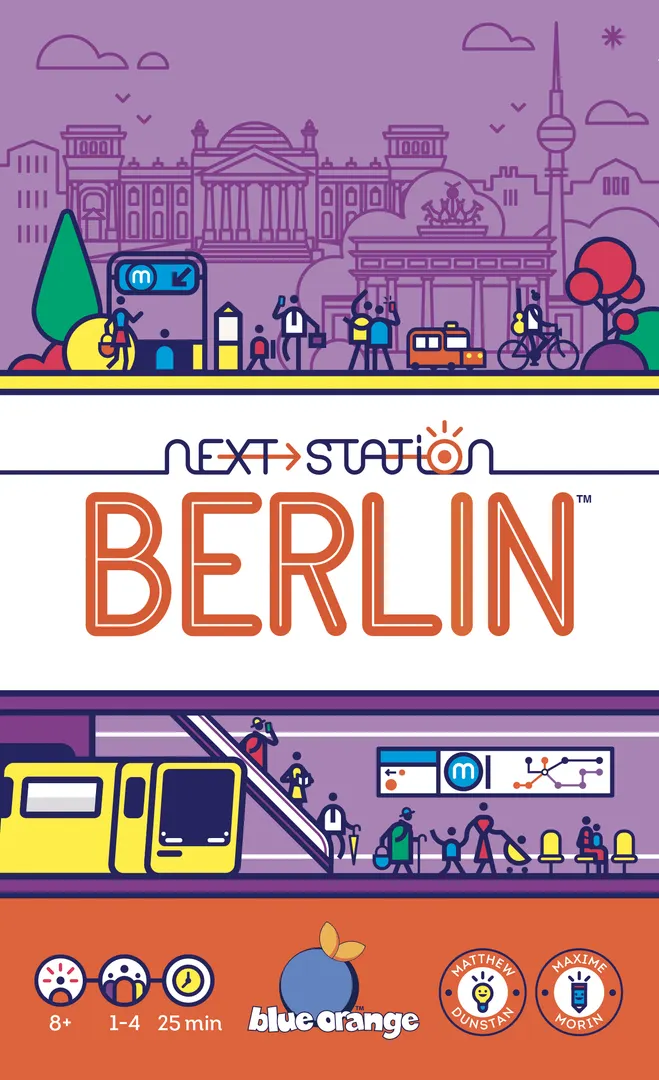
Next Station: Berlin ist ein Brettspiel aus dem Jahr 2026 für 1–4 Personen, mit 25 Minuten pro Partie und ab 8 Jahren. Entwickelt wurde es von Matthew Dunstan; die wichtigsten Mechaniken sind Network and Route Building, Line Drawing und Connections.

Auf Englisch
In Next Station: Berlin, you are competing to design the most efficient metro network in the German capital. Over four rounds, each player draws colored metro lines on their own map, starting from two designated departure stations on opposite sides of the city. As Station cards are revealed, everyone simultaneously extends their current line to matching symbols, carefully following the printed connections and strict building rules—no crossing tracks, no loops, and no retracing your path. Each round introduces a new color, gradually layering your network across Berlin’s districts. Special cards allow you to create railway switches or mark key hubs as National Train Stations, opening up new tactical possibilities. Across the game, you will aim to link your two starting stations, spread through multiple districts, and create valuable interchange stations where different colored lines meet. After four rounds, players total their points from completed lines and interchanges. The player with the highest score is declared Berlin’s best metro planner. —description from the publisher
Laut Katalog unterstützt Next Station: Berlin 1–4 Personen. Diese Spanne entspricht der vom Verlag angegebenen Spielerzahl, das Spiel lässt sich also für jede Gruppengröße innerhalb dieser Spanne aufbauen. Aufbau, einzelne Regeln und Wertungsdetails können je nach Personenzahl trotzdem abweichen; prüfe daher die genaue Konfiguration in der Anleitung deiner Ausgabe.
Die angegebene Spieldauer für Next Station: Berlin beträgt 25 Minuten. Das ist die Schätzung des Verlags für eine vollständige Partie. Die tatsächliche Dauer hängt von der Gruppe, der Personenzahl und der Regelkenntnis ab: Erste Partien dauern meist länger, erfahrene Gruppen sind oft schneller fertig. Aufbau und Regelerklärung sind in dieser Schätzung nicht enthalten.
Im Katalog wird Next Station: Berlin ab 8 Jahren empfohlen. Das ist die Empfehlung des Verlags und berücksichtigt Leseanforderungen, Regelkomplexität und Kleinteile, nicht nur das Thema. Jüngere Kinder können oft mit Hilfe eines Erwachsenen mitspielen; beachte die Altersangabe deiner Ausgabe und die Brettspielerfahrung deiner Gruppe.
Next Station: Berlin hat bei BoardGameGeek eine Komplexitätswertung von 2,0 von 5 und gilt damit als eher leichtes Spiel. Die Wertung zeigt, wie viel Regelwissen, Planung und Entscheidungen eine typische Partie verlangt. Schwerere Spiele brauchen bei der ersten Erklärung mehr Zeit, daher hilft vor dem Spieleabend eine Vorbereitungsanleitung.
Next Station: Berlin gehört zu diesen Kategorien: Trains und City Building. Die wichtigsten Mechaniken sind Network and Route Building, Line Drawing und Connections. Kategorien beschreiben Thema und Setting eines Spiels, Mechaniken dagegen, was die Spielenden in ihrem Zug tatsächlich tun. Jede Mechanik führt zu einer Katalogseite mit ähnlichen Spielen, falls du etwas Vergleichbares suchst.
Als Autoren von Next Station: Berlin sind angegeben: Matthew Dunstan. Diese Angaben stammen aus den veröffentlichten Spieldaten und nennen die für das Spieldesign verantwortlichen Personen, nicht die Illustratoren oder Verlage. Die Autorenseiten auf MeepleRules sammeln weitere Titel derselben Autoren – praktisch, wenn dir ein Spiel gefällt und du ähnliche Spiele suchst.
Im Katalog ist Next Station: Berlin als Grundspiel aufgeführt. Es lässt sich eigenständig mit dem Material aus der Schachtel spielen und benötigt keinen weiteren Titel. Erweiterungen, sofern es welche gibt, ergänzen neues Material oder neue Regeln und sind im Katalog separat mit einem Verweis auf dieses Grundspiel aufgeführt.