- BGG-Rang
- BGG #52
- BGG-Bewertung
- 8,0
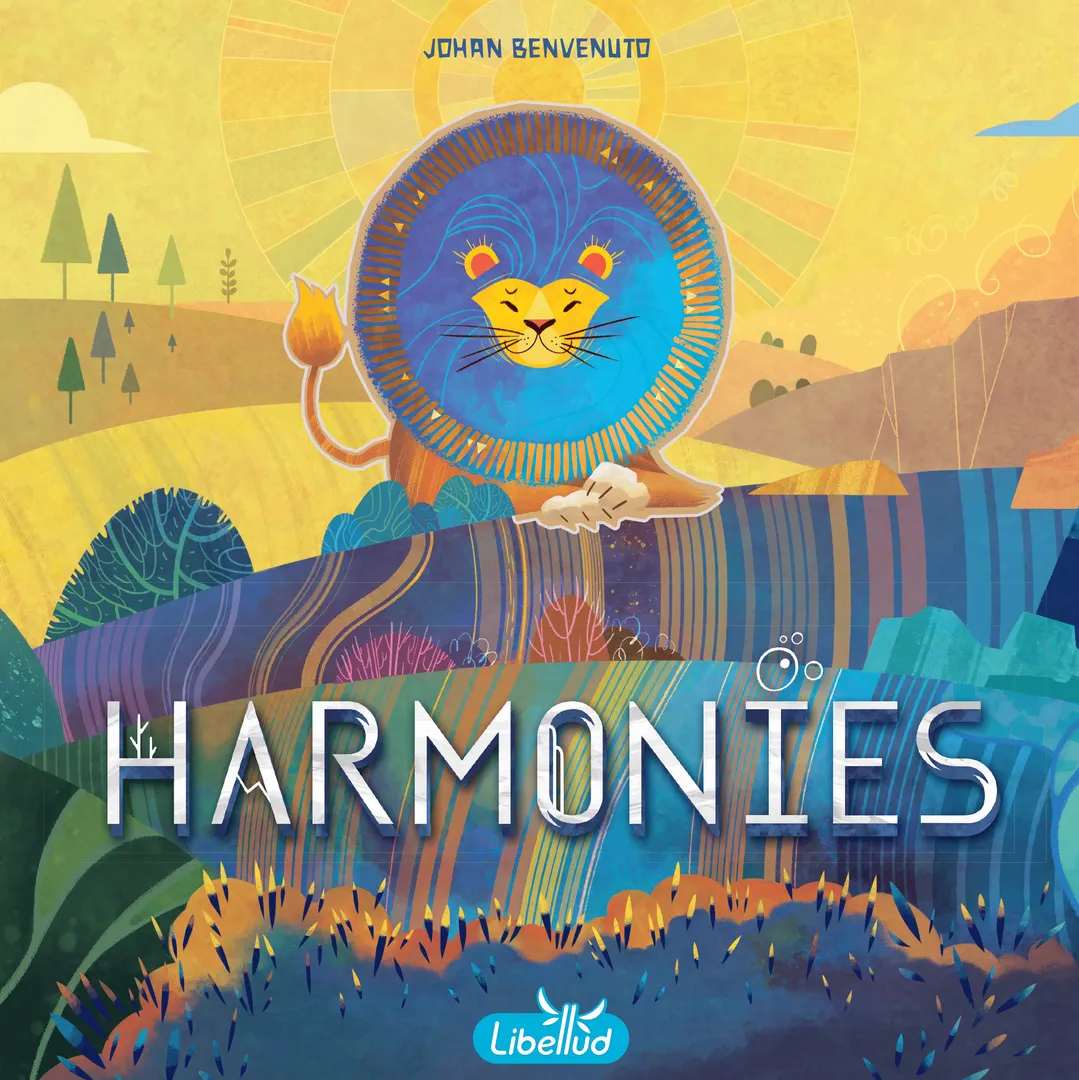
Harmonies
1–4 Spieler30–45 Min.2024
Komplexität 2,0/5
- Regelfrage stellen

Regelhilfe für Nim
Verständliche Erklärungen zu Spielzügen, Karteneffekten und strittigen Situationen mit gespeichertem Fragenverlauf.
Für 2 Personen
Was möchtest du wissen?
Antworten stammen aus dem offiziellen Regelheft, mit Seitenangabe zum Nachprüfen.
Nim ist ein Brettspiel für 2 Personen.
1–4 Spieler30–45 Min.2024
2–4 Spieler30–45 Min.2017
2–4 Spieler60–120 Min.1997
2 Spieler15–30 Min.2014
2–4 Spieler30 Min.2018
1–4 Spieler45 Min.2017
2 Spieler30–180 Min.-2200

2–4 Spieler30–45 Min.2019

2 Spieler30–60 Min.2003

1–4 Spieler30–45 Min.2020
2–4 Spieler30–60 Min.1998

2–4 Spieler20 Min.2016
Auf Englisch
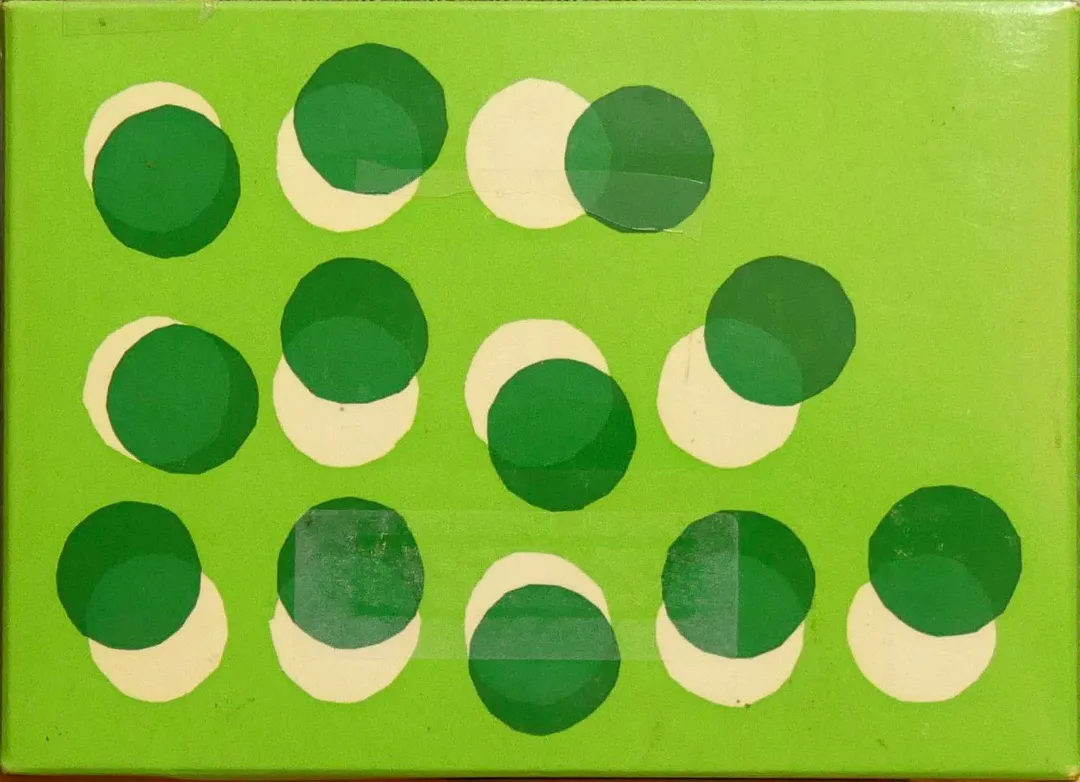
Generally, the game of Nim is a two-player game of perfect information in which there are some number of rows or "heaps" of objects, and a legal move consists of removing any number of objects from a single heap. (For a non-trivial game, we should start with at least three heaps.) In "standard play", the player who cannot make a move on his turn (because no objects remain) is the loser. A very general and far-reaching theory of such games is developed in Berlekamp, Conway, and Guy's Winning Ways for Your Mathematical Plays. In the commercial version pictured, the players take turns removing 1, 2, 3, or 4 pegs together in a row. It would appear from the picture that "rows" can run in any direction, which means that the "heaps" intersect. This is not what most people know as Nim. Also, according to the original description, in this version the loser is the player who has to remove the last peg. This is so-called "misere play", rather than the standard winning condition. Many combinatorial games allow misère play as a variation. Nim is solved, which means that from any initial configuration, one can readily determine whether the next player or the previous player has a winning strategy, and identify a good next move in the former case. For Nim, this can be determined surprisingly readily no matter the size of the heaps, but you're not going to get the secret from me. As most who would be interested in Nim know the solution, there isn't much of a game here. But Nim plays a central role in the theory of combinatorial games, as any two-player finite impartial game is in some sense Nim in disguise: any position in such a game corresponds to a unique Nim-heap, and one can play the disguised game perfectly by making the moves that correspond to winning moves in Nim. Sprouts is one example. This however does not mean that Sprouts itself is solved, as the "disguise" is only partially revealed.
Laut Katalog unterstützt Nim 2 Personen. Das ist die vom Verlag angegebene Spielerzahl, das Spiel ist also genau für diese Anzahl von Mitspielenden ausgelegt. Varianten für andere Gruppengrößen sind, sofern vorhanden, in der Anleitung deiner Ausgabe beschrieben; prüfe sie, bevor du eine andere Konfiguration aufbaust.
Nim hat bei BoardGameGeek eine Komplexitätswertung von 1,5 von 5 und gilt damit als leichtes Spiel. Die Wertung zeigt, wie viel Regelwissen, Planung und Entscheidungen eine typische Partie verlangt. Schwerere Spiele brauchen bei der ersten Erklärung mehr Zeit, daher hilft vor dem Spieleabend eine Vorbereitungsanleitung.
Nim gehört zu diesen Kategorien: Abstract Strategy. Kategorien beschreiben Thema, Setting und Stil eines Spiels, nicht seine Regeln. Filtere den Katalog nach derselben Kategorie, um ähnliche Spiele zu finden, wenn dir Nim gefallen hat und du etwas Vergleichbares für den nächsten Spieleabend suchst.
Im Katalog ist Nim als Grundspiel aufgeführt. Es lässt sich eigenständig mit dem Material aus der Schachtel spielen und benötigt keinen weiteren Titel. Erweiterungen, sofern es welche gibt, ergänzen neues Material oder neue Regeln und sind im Katalog separat mit einem Verweis auf dieses Grundspiel aufgeführt.
