
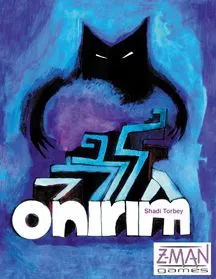
- BGG-Rang
- BGG #1.870
- BGG-Bewertung
- 6,6
Onirim
- 1–2 Spieler
- 15 Min.
- Komplexität 1,7/5
- 2010
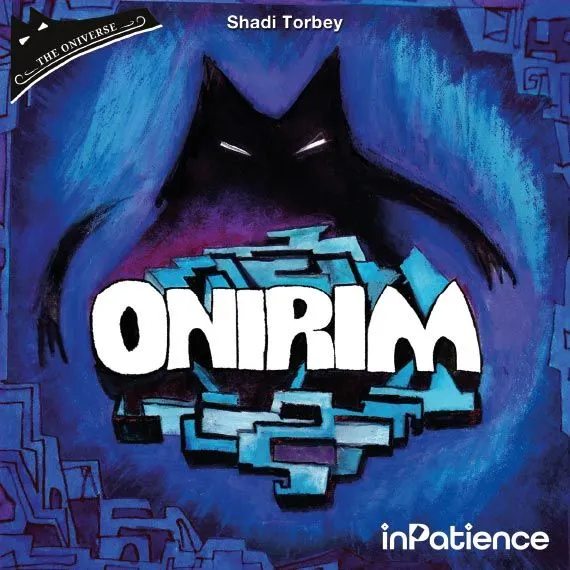
2014
Regelhilfe für Onirim (Second Edition)
Verständliche Erklärungen zu Spielzügen, Karteneffekten und strittigen Situationen mit Verweisen auf offizielle Quellen und gespeichertem Fragenverlauf.
Für 1 Person
Was möchtest du wissen?
Antworten stammen aus dem offiziellen Regelheft, mit Seitenangabe zum Nachprüfen.
Onirim (Second Edition) ist ein Brettspiel aus dem Jahr 2014 für 1–2 Personen, mit 15 Minuten pro Partie und ab 10 Jahren. Entwickelt wurde es von Shadi Torbey; die wichtigsten Mechaniken sind Hand Management, Set Collection und Cooperative Game.


Auf Englisch
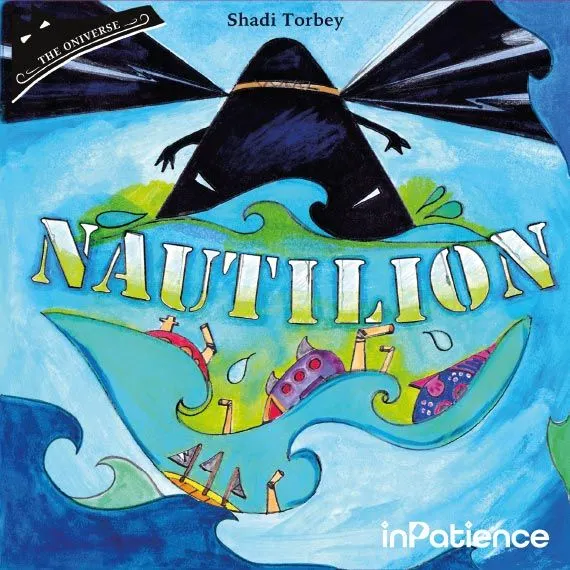
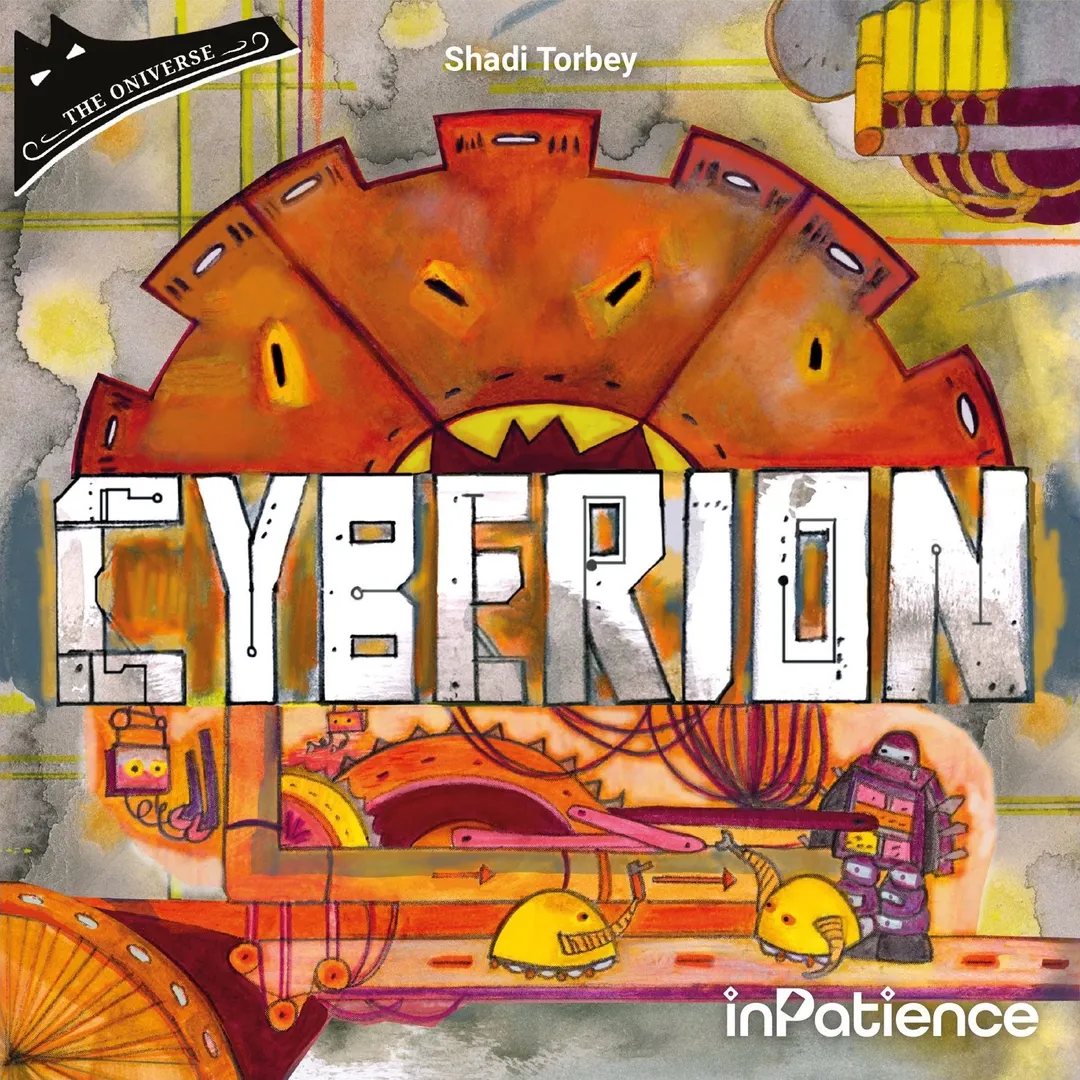
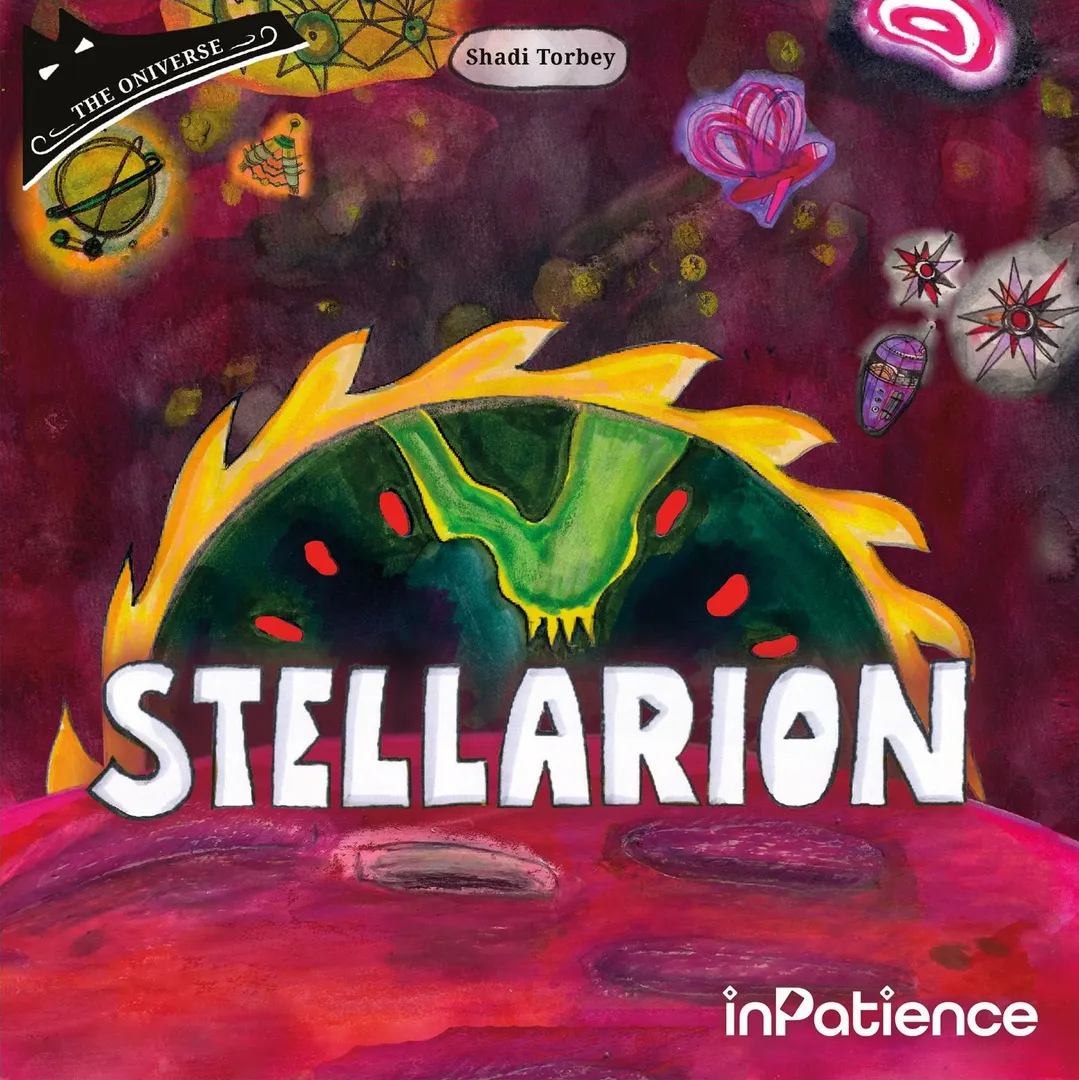
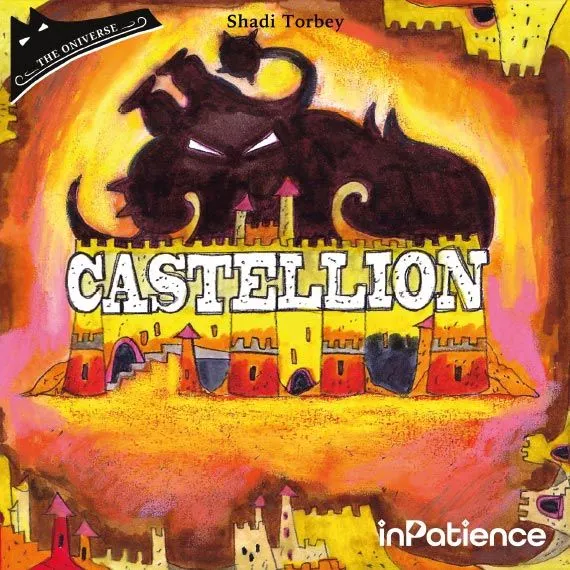
You are a Dreamwalker, lost in a mysterious labyrinth, and you must discover the oneiric doors before your dreamtime runs out – or you will remain trapped forever! You may wander through the chambers of dreams, hoping that chance will reveal the doors, or you can linger in each type of room. In both cases, you will have to deal with the slithering Nightmares, which haunt the hallways of the labyrinth. Onirim is a solo/cooperative card game. You (and a partner, if you wish) must work (together) against the game to gather the eight Door cards before the deck runs out; you can obtain those Door cards either by playing cards of the same color three turns in a row, or by discarding (under specific circumstances) one of your powerful Key cards. In both cases you will have to decide the best use of each card in your hand and carefully play around the Nightmares. Those cards are hidden in the deck and will trigger painful dilemmas when drawn... Seven mini-expansions, all standalone and compatible with one another, are included with the second edition of Onirim, including these three that were in the first edition of the game: "The Towers" introduces a new type of card that allows more searching and deck manipulation, while also imposing an additional victory condition. "Happy Dreams and Dark Premonitions" adds evil time bombs that will impede your progress at predictable moments of your quest as well as helpful but unreliable allies. In "The Book of Steps Lost and Found", you must find the eight Door cards in a randomly given order and may remove discarded cards from the game to cast powerful spells that will help you complete this difficult task. In addition to these three variants from the first edition, there are four new modules in the Onirim 2nd edition box. Just like previously, each module consists of something that makes the game easier and something that makes the game harder: "The Glyphs" introduces a fourth symbol on location cards (apart from Key, Sun and Moon), which makes it easier to compose the row of unrepeated symbols. Player must then find one extra door of each color (so 12 doors in total) to win "The Dreamcatchers" are four cards that "guard" the Limbo piles. The Limbo pile stays with Dreamcatcher until some effect allows the player to shuffle the pile back to the deck... if all Dreamcatchers are full and new cards should come to Limbo, a Dreamcatcher is discarded and his cards shuffled back. Also, four new "Lost Dreams" cards are supposed to be in Limbo at the end of the game, as an extra winning condition - so discarding all Dreamcatchers means loss. "The Crossroads and Dead Ends" introduce location cards with a given symbol (3 Sun, 2 Moon, 1 Key), but serving as any color "joker". It also contains 10 "Dead End" cards, that remain in players hand (un-discard-able on its own) and block her 5-cards hand limit... until a player discards the whole hand (=the only way to discard a Dead End). "The Door To The Oniverse" brings several one-time abilities cards as "inhabitants of the Oniverse"... and one extra colorless door to find. Apart from all those, there are a few special rules to use the dark meeple in the game (which interferes with Nightmare cards resolving), making the game easier or harder, depending on the chosen variant.
Laut Katalog unterstützt Onirim (Second Edition) 1–2 Personen. Diese Spanne entspricht der vom Verlag angegebenen Spielerzahl, das Spiel lässt sich also für jede Gruppengröße innerhalb dieser Spanne aufbauen. Aufbau, einzelne Regeln und Wertungsdetails können je nach Personenzahl trotzdem abweichen; prüfe daher die genaue Konfiguration in der Anleitung deiner Ausgabe.
Die angegebene Spieldauer für Onirim (Second Edition) beträgt 15 Minuten. Das ist die Schätzung des Verlags für eine vollständige Partie. Die tatsächliche Dauer hängt von der Gruppe, der Personenzahl und der Regelkenntnis ab: Erste Partien dauern meist länger, erfahrene Gruppen sind oft schneller fertig. Aufbau und Regelerklärung sind in dieser Schätzung nicht enthalten.
Im Katalog wird Onirim (Second Edition) ab 10 Jahren empfohlen. Das ist die Empfehlung des Verlags und berücksichtigt Leseanforderungen, Regelkomplexität und Kleinteile, nicht nur das Thema. Jüngere Kinder können oft mit Hilfe eines Erwachsenen mitspielen; beachte die Altersangabe deiner Ausgabe und die Brettspielerfahrung deiner Gruppe.
Onirim (Second Edition) hat bei BoardGameGeek eine Komplexitätswertung von 1,6 von 5 und gilt damit als leichtes Spiel. Die Wertung zeigt, wie viel Regelwissen, Planung und Entscheidungen eine typische Partie verlangt. Schwerere Spiele brauchen bei der ersten Erklärung mehr Zeit, daher hilft vor dem Spieleabend eine Vorbereitungsanleitung.
Onirim (Second Edition) gehört zu diesen Kategorien: Card Game, Fantasy und Exploration. Die wichtigsten Mechaniken sind Hand Management, Set Collection und Cooperative Game. Kategorien beschreiben Thema und Setting eines Spiels, Mechaniken dagegen, was die Spielenden in ihrem Zug tatsächlich tun. Jede Mechanik führt zu einer Katalogseite mit ähnlichen Spielen, falls du etwas Vergleichbares suchst.
Als Autoren von Onirim (Second Edition) sind angegeben: Shadi Torbey. Diese Angaben stammen aus den veröffentlichten Spieldaten und nennen die für das Spieldesign verantwortlichen Personen, nicht die Illustratoren oder Verlage. Die Autorenseiten auf MeepleRules sammeln weitere Titel derselben Autoren – praktisch, wenn dir ein Spiel gefällt und du ähnliche Spiele suchst.
Im Katalog ist Onirim (Second Edition) als Grundspiel aufgeführt. Es lässt sich eigenständig mit dem Material aus der Schachtel spielen und benötigt keinen weiteren Titel. Erweiterungen, sofern es welche gibt, ergänzen neues Material oder neue Regeln und sind im Katalog separat mit einem Verweis auf dieses Grundspiel aufgeführt.