
- BGG-Bewertung
- 8,0
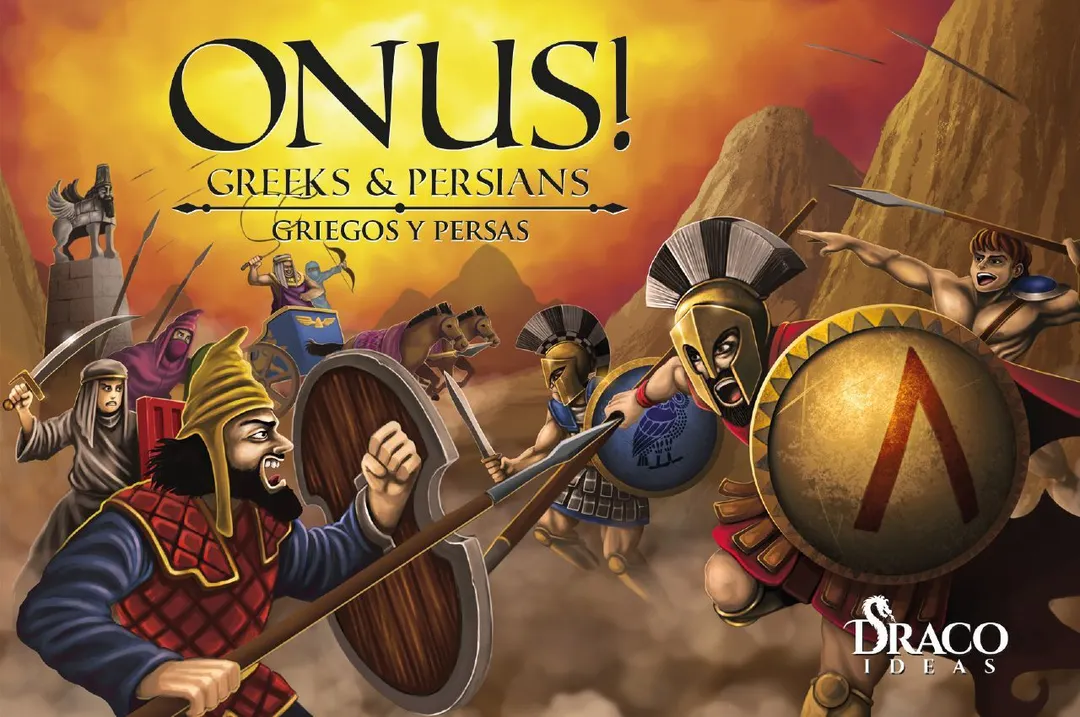
ONUS! Greeks & Persians
- 1–4 Spieler
- 30–120 Min.
- Komplexität 3,5/5
- 2016
2014
Regelhilfe für ONUS! Rome Vs Carthage
Verständliche Erklärungen zu Spielzügen, Karteneffekten und strittigen Situationen mit Verweisen auf offizielle Quellen und gespeichertem Fragenverlauf.
Für 1 Person
Was möchtest du wissen?
Antworten stammen aus dem offiziellen Regelheft, mit Seitenangabe zum Nachprüfen.
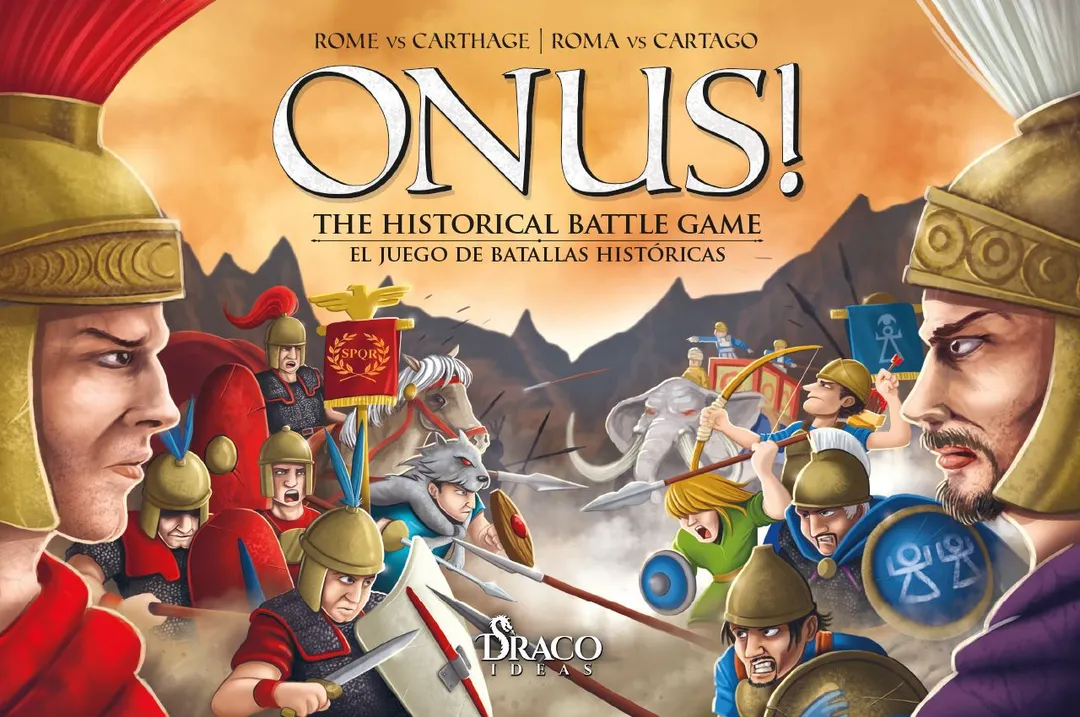
ONUS! Rome Vs Carthage ist ein Brettspiel aus dem Jahr 2014 für 1–4 Personen, mit 60 Minuten pro Partie und ab 12 Jahren. Entwickelt wurde es von Luis Álvaro Hernández und Alvar Sanz; die wichtigsten Mechaniken sind Dice Rolling, Simultaneous Action Selection und Open Drafting.
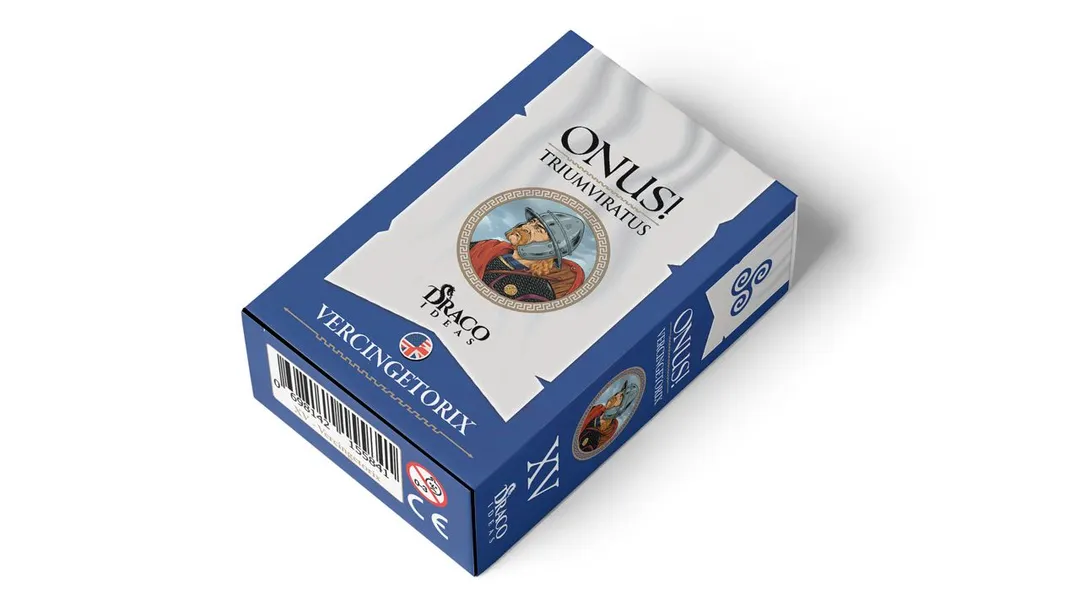
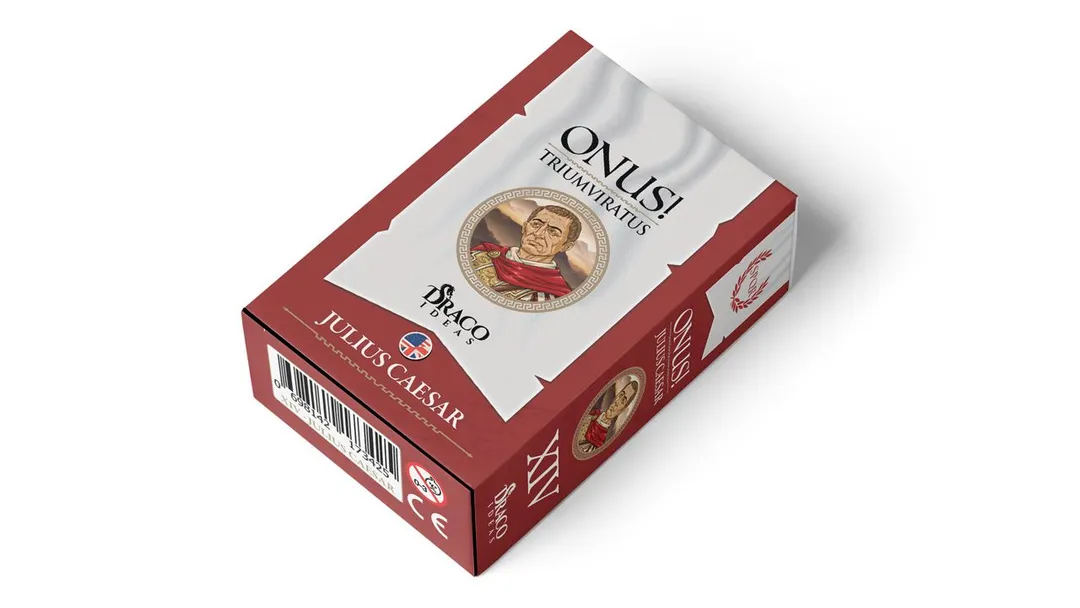
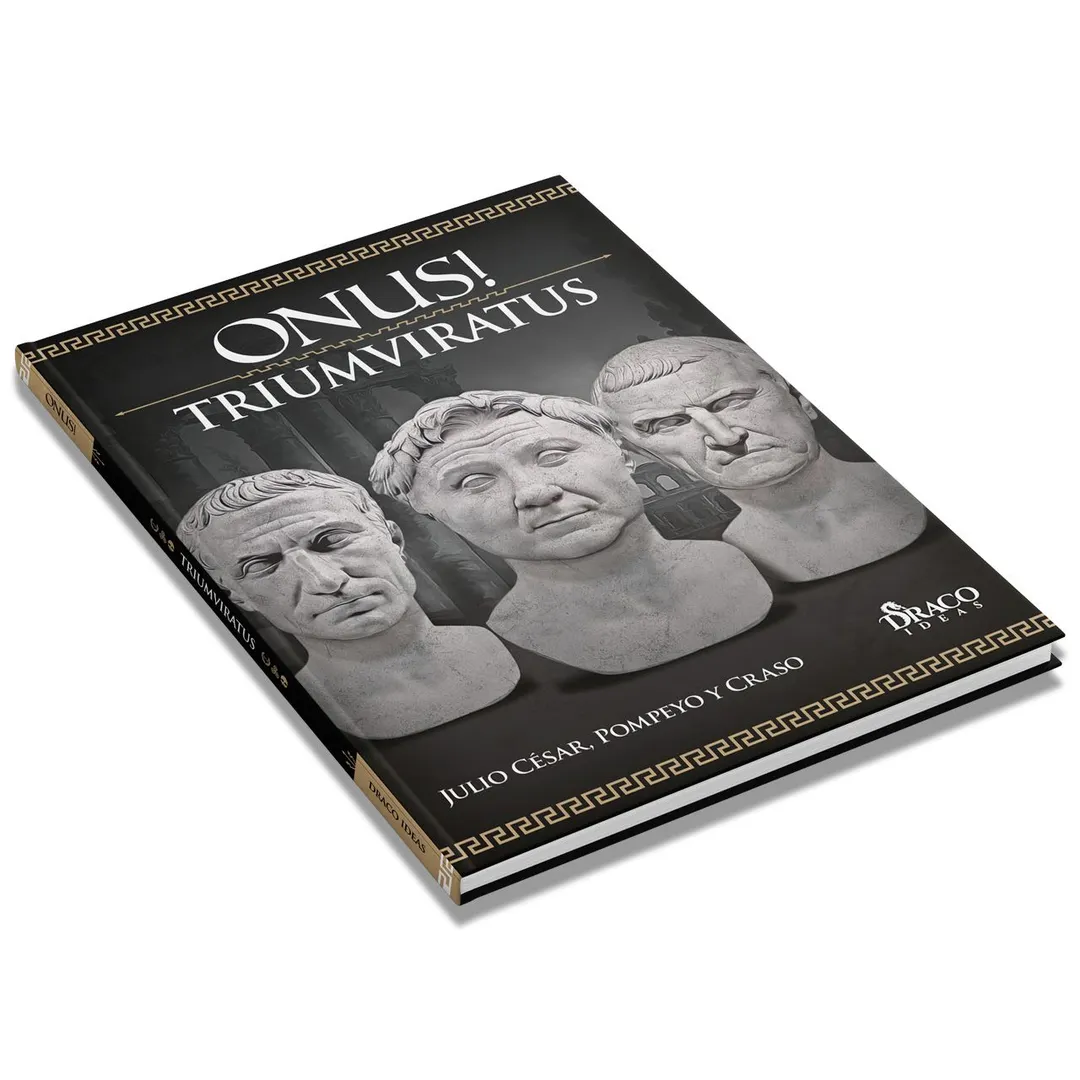
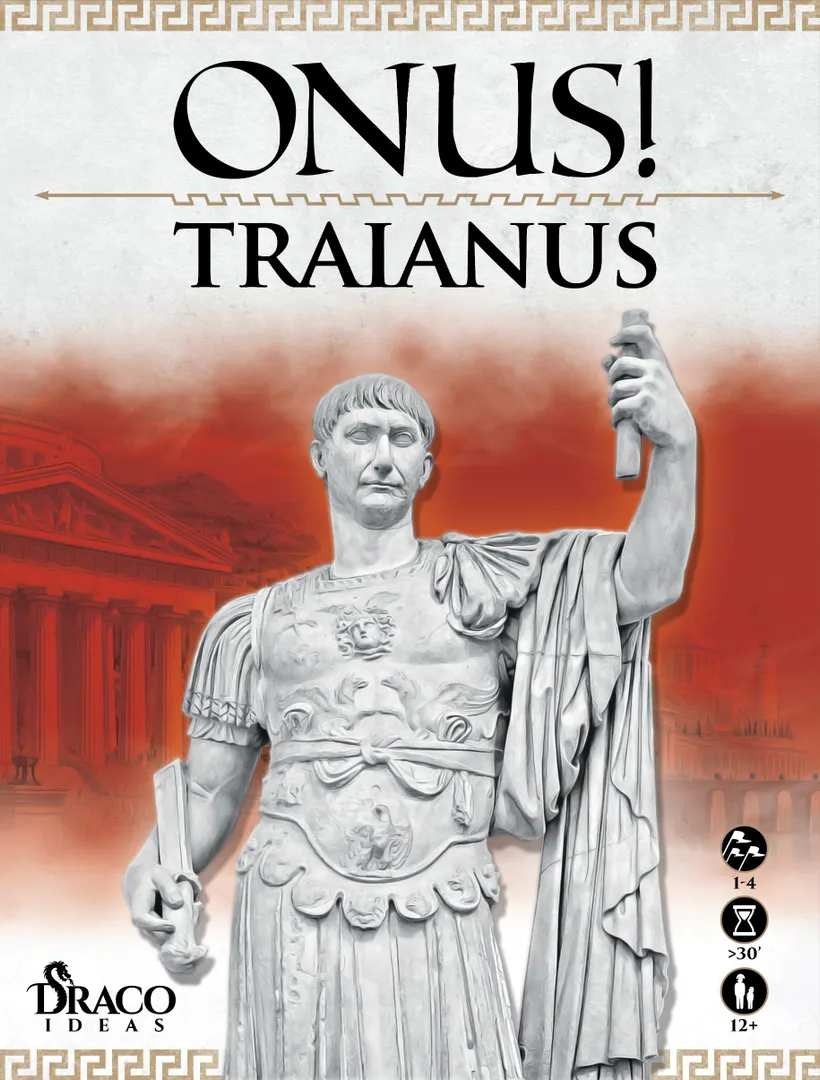


Auf Englisch
Have you ever dreamed of commanding a powerful army? Have you ever imagined leading troops, which included elephants over the Pyrenees and the Alps to try to conquer Rome? Have you enjoyed a good historical novel dated on the old Republic of Rome, and you would like to travel to that time? ONUS! Rome Vs Carthage is a war game similar to miniatures games in which both sides fight an ancient battle. The game is mainly based on the II Punic war, although battles from III to I B.C centuries can be also simulated. The game concept combines both, orders and events cards, that makes each game different and each combat becomes unpredictable and thrilling. ONUS! can be played anywhere but to get the best gaming experience we do recommend a game area as large as possible, i.e. 3.2 x 2.9 feet (100 x 90 cm). Units are represented by cards which have been scaled around a Centuria (also known as Century) or to a Maniple (also known as Manipulus), representing formations from 80 to 100 men for Infantry units, 20 cavalrymen for Cavalry units or 6 Elephants. Units have their own set of traits to represent permanent attributes of the unit, like Melee Combat, Range Attack, Defensive capacity, Morale and Life, and Movement capacity. This set of traits gets bonuses and penalties depending on the ongoing situation and combat engagements. Units also have their unique set of skills to represent specific abilities they can perform: from defensive formations to extremely effective techniques to attack enemies. Some of these skills need to be activated, meaning only one of them can be used in an engagement, while others are inherent to the units. Leadership is represented in the game by the figure of the General. A General’s token represent his HQ and its own escort. In addition to the leadership benefit, a General grants bonuses to nearby units, boosting the morale of the troops and providing additional benefits when they are engaged with the enemy in those bloody encounters. Both, Hannibal and Scipio, two well-known Generals are included in the game with their unique set of bonuses! Also, Heroes, Veterans and Elite units take part in Onus! ONUS! Rome Vs Carthage is played in turns, composed by six different phases each: 1. Activation of Units: in this phase, the active player can play any number of Order cards from his hand, stating what units are going to be used during the turn. 2. Movement and Charges: in this phase, the active player may move all those units activated in the previous phase. Those units finishing their movement in contact with enemy units, may Charge against them. 3. Range Attack: those active units able to carry out Ranged Attacks and which haven’t moved or executed a Reduced Movement may shoot enemies within its maximum range. Also, special units like Skirmirsher have this skill, thus they may want to use this ability. 4. Skirmishers: units having these specific skill can harass enemy units, provided they haven't spent all their movement points. 5. Combat: All engagements are resolved in this phase, being the active player the one choosing the order of combats. 6. Flee Movement: units fleeing continue their movement if Morale checks fail.
Laut Katalog unterstützt ONUS! Rome Vs Carthage 1–4 Personen. Diese Spanne entspricht der vom Verlag angegebenen Spielerzahl, das Spiel lässt sich also für jede Gruppengröße innerhalb dieser Spanne aufbauen. Aufbau, einzelne Regeln und Wertungsdetails können je nach Personenzahl trotzdem abweichen; prüfe daher die genaue Konfiguration in der Anleitung deiner Ausgabe.
Die angegebene Spieldauer für ONUS! Rome Vs Carthage beträgt 60 Minuten. Das ist die Schätzung des Verlags für eine vollständige Partie. Die tatsächliche Dauer hängt von der Gruppe, der Personenzahl und der Regelkenntnis ab: Erste Partien dauern meist länger, erfahrene Gruppen sind oft schneller fertig. Aufbau und Regelerklärung sind in dieser Schätzung nicht enthalten.
Im Katalog wird ONUS! Rome Vs Carthage ab 12 Jahren empfohlen. Das ist die Empfehlung des Verlags und berücksichtigt Leseanforderungen, Regelkomplexität und Kleinteile, nicht nur das Thema. Jüngere Kinder können oft mit Hilfe eines Erwachsenen mitspielen; beachte die Altersangabe deiner Ausgabe und die Brettspielerfahrung deiner Gruppe.
ONUS! Rome Vs Carthage hat bei BoardGameGeek eine Komplexitätswertung von 2,8 von 5 und gilt damit als eher leichtes Spiel. Die Wertung zeigt, wie viel Regelwissen, Planung und Entscheidungen eine typische Partie verlangt. Schwerere Spiele brauchen bei der ersten Erklärung mehr Zeit, daher hilft vor dem Spieleabend eine Vorbereitungsanleitung.
ONUS! Rome Vs Carthage gehört zu diesen Kategorien: Wargame, Miniatures und Ancient. Die wichtigsten Mechaniken sind Dice Rolling, Simultaneous Action Selection und Open Drafting. Kategorien beschreiben Thema und Setting eines Spiels, Mechaniken dagegen, was die Spielenden in ihrem Zug tatsächlich tun. Jede Mechanik führt zu einer Katalogseite mit ähnlichen Spielen, falls du etwas Vergleichbares suchst.
Als Autoren von ONUS! Rome Vs Carthage sind angegeben: Luis Álvaro Hernández und Alvar Sanz. Diese Angaben stammen aus den veröffentlichten Spieldaten und nennen die für das Spieldesign verantwortlichen Personen, nicht die Illustratoren oder Verlage. Die Autorenseiten auf MeepleRules sammeln weitere Titel derselben Autoren – praktisch, wenn dir ein Spiel gefällt und du ähnliche Spiele suchst.
Im Katalog ist ONUS! Rome Vs Carthage als Grundspiel aufgeführt. Es lässt sich eigenständig mit dem Material aus der Schachtel spielen und benötigt keinen weiteren Titel. Erweiterungen, sofern es welche gibt, ergänzen neues Material oder neue Regeln und sind im Katalog separat mit einem Verweis auf dieses Grundspiel aufgeführt.