
- BGG-Rang
- BGG #25.974
- BGG-Bewertung
- 5,9
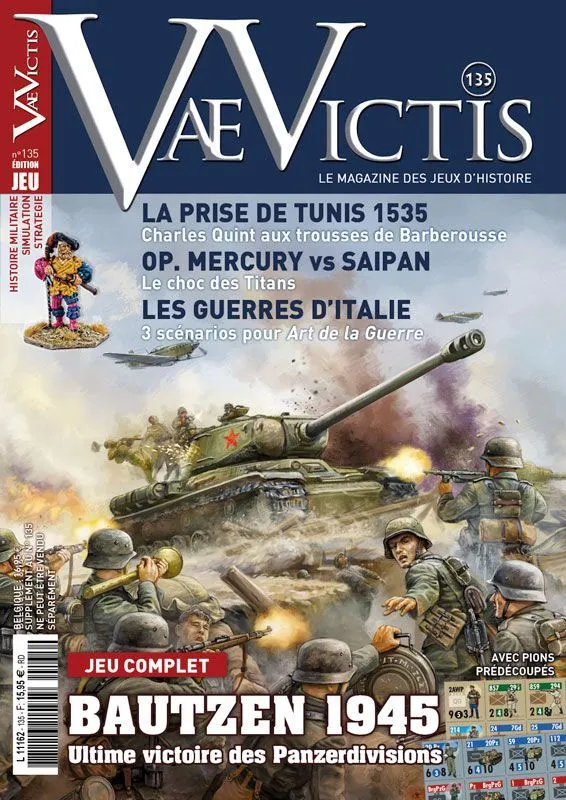
Bautzen 1945
- 1–2 Spieler
- Komplexität 3,0/5
- 2017
2011
Regelhilfe für Partizan!
Verständliche Erklärungen zu Spielzügen, Karteneffekten und strittigen Situationen mit Verweisen auf offizielle Quellen und gespeichertem Fragenverlauf.
Für 1 Person
Was möchtest du wissen?
Antworten stammen aus dem offiziellen Regelheft, mit Seitenangabe zum Nachprüfen.
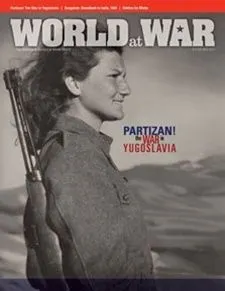
Partizan! ist ein Brettspiel aus dem Jahr 2011 für 1–2 Personen, mit 240 Minuten pro Partie und ab 10 Jahren. Entwickelt wurde es von Javier Romero; die wichtigsten Mechaniken sind Dice Rolling, Hexagon Grid und Simulation.
Auf Englisch
Partizan is a two-player, intermediate-complexity, historical simulation of the struggle between the Communists and the Axis occupation forces for mastery of Yugoslavia from 1941 through 1944. It starts with the first uprisings against the Axis in Bosnia, Serbia and Montenegro in late 1941, and ends in late 1944 just before the Soviet Army entered the country. The game is won by the Partisan player by waging an aggressive guerilla war: harassing the occupiers and destroying infrastructure that may be of use to them: warehouses, fuel dumps, bridges, dams, depots, railroads, viaducts, motor pools, etc (each represented by variably placed counters). “Resource hexes” represent strategic mineral deposits, such as bauxite, copper and chromium, which the Axis player must protect, along with routes from them back to Germany, while also guarding possible invasion beaches along the coast. During the game, the exact strengths of Partisan units are mostly unknown by the Axis player (via “tried” and “untried” counter-sides). He must attempt to head off Partisan operations while never certain exactly where they’re headed. The Partisan player must select his targets carefully in order to disrupt the occupation enough for him to win the game, while avoiding becoming surrounded and destroyed by the Germans in the process. The counter-mix includes the full German, Italian, Hungarian, Croatian, Bulgarian, and Ustashi orders of battle, as well as all the Partisan forces and Marshall Tito himself (the Chetniks are handled abstractly). The Partisans may even expect support from the Anglo-Allies if the guerilla war against the Axis is going well, including possibly an amphibious invasion by the Anglo-Americans (“Operation Armpit”). In fact, most of the main Axis' operations in Yugoslavia historically pertained to the protection of their coastal flank. Their primary anti-partisan offensives were intended to clear the guerrillas from the coastal areas where an Allied invasion was possible. In game terms, the "Allied Landing Scare" rule simulates the reality of German strategic fears in the Balkans. Axis forces, especially the Germans, are generally stronger than the partisans, but the partisans are elusive and difficult to catch, often forcing the Axis player to spread thin his forces. Partizan has been designed by Javier Romero (Triple Alliance War, Spanish Civil War) and developed by Eric Harvey (AETO, APTO & AOI). It contains one 34x22” extra-large-hex map and 228 iconic and NATO-style counters. Units of maneuver are brigades and divisions. There is one grand campaign scenario, which can be completed by two players in about five or six hours. Solitaire play is doable.
Laut Katalog unterstützt Partizan! 1–2 Personen. Diese Spanne entspricht der vom Verlag angegebenen Spielerzahl, das Spiel lässt sich also für jede Gruppengröße innerhalb dieser Spanne aufbauen. Aufbau, einzelne Regeln und Wertungsdetails können je nach Personenzahl trotzdem abweichen; prüfe daher die genaue Konfiguration in der Anleitung deiner Ausgabe.
Die angegebene Spieldauer für Partizan! beträgt 240 Minuten. Das ist die Schätzung des Verlags für eine vollständige Partie. Die tatsächliche Dauer hängt von der Gruppe, der Personenzahl und der Regelkenntnis ab: Erste Partien dauern meist länger, erfahrene Gruppen sind oft schneller fertig. Aufbau und Regelerklärung sind in dieser Schätzung nicht enthalten.
Im Katalog wird Partizan! ab 10 Jahren empfohlen. Das ist die Empfehlung des Verlags und berücksichtigt Leseanforderungen, Regelkomplexität und Kleinteile, nicht nur das Thema. Jüngere Kinder können oft mit Hilfe eines Erwachsenen mitspielen; beachte die Altersangabe deiner Ausgabe und die Brettspielerfahrung deiner Gruppe.
Partizan! hat bei BoardGameGeek eine Komplexitätswertung von 2,6 von 5 und gilt damit als eher leichtes Spiel. Die Wertung zeigt, wie viel Regelwissen, Planung und Entscheidungen eine typische Partie verlangt. Schwerere Spiele brauchen bei der ersten Erklärung mehr Zeit, daher hilft vor dem Spieleabend eine Vorbereitungsanleitung.
Partizan! gehört zu diesen Kategorien: Wargame und World War II. Die wichtigsten Mechaniken sind Dice Rolling, Hexagon Grid und Simulation. Kategorien beschreiben Thema und Setting eines Spiels, Mechaniken dagegen, was die Spielenden in ihrem Zug tatsächlich tun. Jede Mechanik führt zu einer Katalogseite mit ähnlichen Spielen, falls du etwas Vergleichbares suchst.
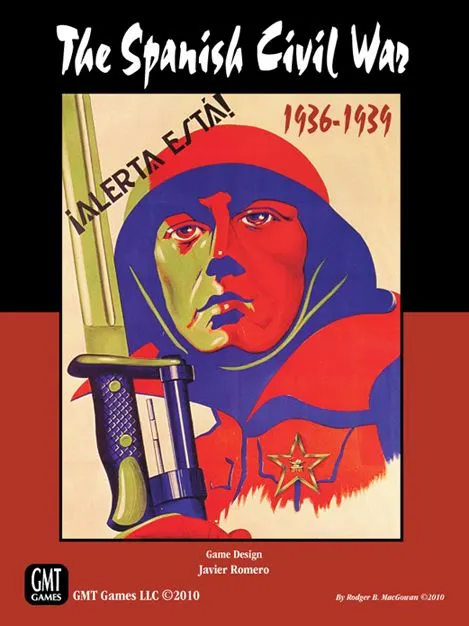
Als Autoren von Partizan! sind angegeben: Javier Romero. Diese Angaben stammen aus den veröffentlichten Spieldaten und nennen die für das Spieldesign verantwortlichen Personen, nicht die Illustratoren oder Verlage. Die Autorenseiten auf MeepleRules sammeln weitere Titel derselben Autoren – praktisch, wenn dir ein Spiel gefällt und du ähnliche Spiele suchst.
Im Katalog ist Partizan! als Grundspiel aufgeführt. Es lässt sich eigenständig mit dem Material aus der Schachtel spielen und benötigt keinen weiteren Titel. Erweiterungen, sofern es welche gibt, ergänzen neues Material oder neue Regeln und sind im Katalog separat mit einem Verweis auf dieses Grundspiel aufgeführt.