
- BGG-Rang
- BGG #4.406
- BGG-Bewertung
- 7,0
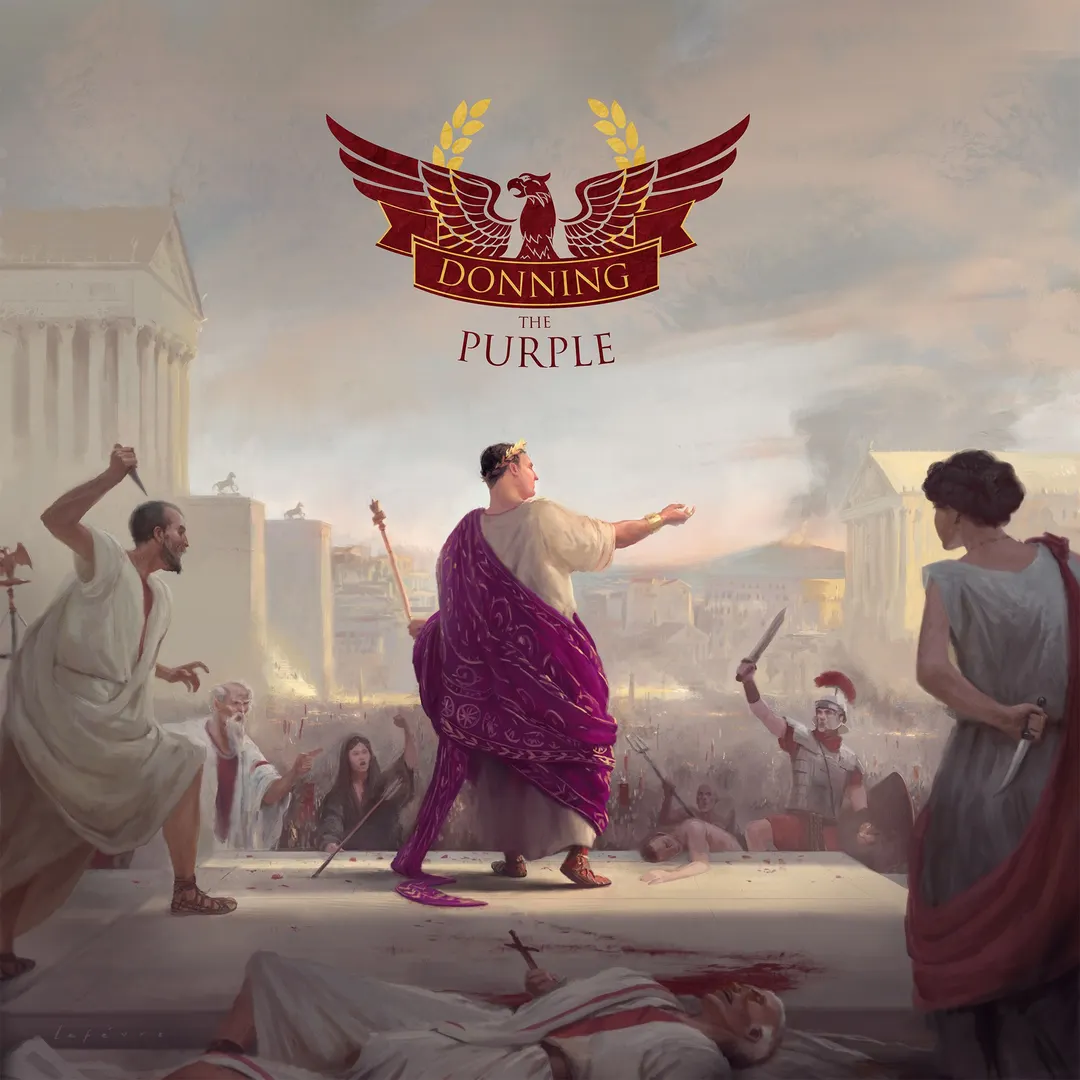
Donning the Purple
- 1–3 Spieler
- 70–90 Min.
- Komplexität 3,0/5
- 2018
2025
Regelhilfe für Pompeii
Verständliche Erklärungen zu Spielzügen, Karteneffekten und strittigen Situationen mit Verweisen auf offizielle Quellen und gespeichertem Fragenverlauf.
Was möchtest du wissen?
Antworten stammen aus dem offiziellen Regelheft, mit Seitenangabe zum Nachprüfen.
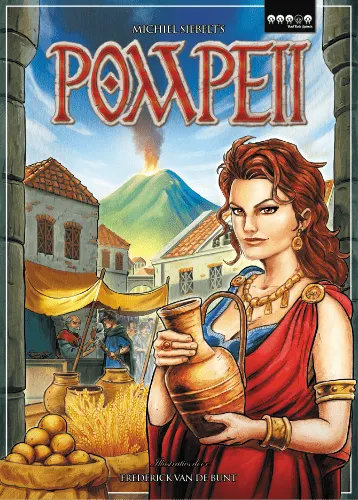
Pompeii ist ein Brettspiel aus dem Jahr 2025 für 1–4 Personen, mit 60–120 Minuten pro Partie und ab 12 Jahren. Entwickelt wurde es von Michiel Siebelt; die wichtigsten Mechaniken sind Deck, Bag, and Pool Building, Worker Placement und Semi-Cooperative Game.



Auf Englisch
Shape a City. Share a Fate Step into ancient Pompeii — a thriving Roman city known for its wealthy inhabitants and luxurious villas. In Pompeii, players lead their citizens to grow the city through smart planning, resourceful trading, and meaningful choices. Oh mighty player, set your subjects to work and and carve your legacy in the history of Pompeii. However, in Pompeii it was ambition, greed and envy that angered the gods ... and buried the city beneath a smoldering layer of volcanic ash! Together players must share sufficient offerings to appease Vesuvius. If you fixate on your own wealth, you may also find yourselves buried under layers of suffocating and toxic ash. Pompeii is a game of thoughtful strategy and shared responsibility. Can you guide the city to prosperity — and keep it standing? Or would you risk pursuing power, even if it brings downfall upon all? Gameplay Pompeii is a develoment game with a twist. A light-to-medium strategy game: easy to learn, full of meaningful choices. Each round, your workers can perform 1 of the following standard worker actions: 1. Gather raw materials 2. Produce refined goods 3. Construct buildings 4. Trade goods, or 5. Train specialists Next to standard actions, you can also choose to take a card action: activated specialists and city locations with immediate actions or recurring actions. The twist is in the two phases in which Pompeii is played: The Calm and The Awakening: During The Calm, players built the backbone of Pompeii while working on their strategy (gathering supplies, building a nice card engine, et cetera). However, during The Awakening, the Vesuvius is a force to be reckoned with: players have to negotiate shared offerings to the Vesuvius to prevent an eruption and possible loss of hard-earned goods. The Looming Threat of Vesuvius Vesuvius watches from a distance, and its patience is limited. During The Calm, Vesuvius is asleep. But when the first prestigious building is constructed, players' ambitions become clear and Vesuvius awakens. As of this moment, players must pay shared offerings to prevent an eruption of Vesuvius and thereby loss of valuable goods. You’ll need to weigh your ambitions carefully — focus too much on personal gain, and you risk the wrath of the gods. Forget the volcano, and you may all fall together. Pompeii challenges you not only to claim the city for yourself, but also to survive as a group! A Balance Between Ambition and Harmony While you grow your part of the city, others are doing the same. Each player has their own vision for Pompeii’s future, and everyone’s progress is interwoven. The most successful leader will station their army at the Castrum, the military camp outside the city gates, taking control of the city’s fate. But remember: there’s more at stake than victory alone. Together, you must also keep the gods appeased. Greed and neglect can stir Vesuvius. Ignore this smoldering primal force, and your fate may take a very different turn. What makes Pompeii so special? Unique gameplay – You’ll face the ultimate dilemma: claim victory for yourself, but survive as a group. Will your ambitions lead to your personal triumph, or the city’s ruin? In Pompeii, your fate is tied to your rivals – and the looming threat of the volcano. Relive Pompeii’s glory in a boardgame – See Pompeii come to life as you play. You build the city with every turn – from bustling workshops to grand public buildings. While you shape Pompeii, the evocative artwork breathes life into the ruins, capturing the city in its prime. Beautiful hand-drawn illustrations using pencil and watercolor paint by Frederick van de Bunt – Immerse yourself in a visually stunning world, where every card is a miniature work of art. Respect for history – Artwork and theme pay respect to the history and site of Pompeii. Historically accurate architecture and ethnicity of the citizens; every detail is thoughtfully crafted to honor Pompeii’s legacy. Experience the city’s final days with a touch of reverence and awe. Gateway game – The game gradually increases in complexity, allowing you to ease into it. Whether you’re a casual player or a seasoned gamer, Pompeii welcomes all. —description from the publisher
Laut Katalog unterstützt Pompeii 1–4 Personen. Diese Spanne entspricht der vom Verlag angegebenen Spielerzahl, das Spiel lässt sich also für jede Gruppengröße innerhalb dieser Spanne aufbauen. Aufbau, einzelne Regeln und Wertungsdetails können je nach Personenzahl trotzdem abweichen; prüfe daher die genaue Konfiguration in der Anleitung deiner Ausgabe.
Die angegebene Spieldauer für Pompeii beträgt 60–120 Minuten. Das ist die Schätzung des Verlags für eine vollständige Partie. Die tatsächliche Dauer hängt von der Gruppe, der Personenzahl und der Regelkenntnis ab: Erste Partien dauern meist länger, erfahrene Gruppen sind oft schneller fertig. Aufbau und Regelerklärung sind in dieser Schätzung nicht enthalten.
Im Katalog wird Pompeii ab 12 Jahren empfohlen. Das ist die Empfehlung des Verlags und berücksichtigt Leseanforderungen, Regelkomplexität und Kleinteile, nicht nur das Thema. Jüngere Kinder können oft mit Hilfe eines Erwachsenen mitspielen; beachte die Altersangabe deiner Ausgabe und die Brettspielerfahrung deiner Gruppe.
Pompeii hat bei BoardGameGeek eine Komplexitätswertung von 2,6 von 5 und gilt damit als eher leichtes Spiel. Die Wertung zeigt, wie viel Regelwissen, Planung und Entscheidungen eine typische Partie verlangt. Schwerere Spiele brauchen bei der ersten Erklärung mehr Zeit, daher hilft vor dem Spieleabend eine Vorbereitungsanleitung.
Pompeii gehört zu diesen Kategorien: Ancient, City Building und Civilization. Die wichtigsten Mechaniken sind Deck, Bag, and Pool Building, Worker Placement und Semi-Cooperative Game. Kategorien beschreiben Thema und Setting eines Spiels, Mechaniken dagegen, was die Spielenden in ihrem Zug tatsächlich tun. Jede Mechanik führt zu einer Katalogseite mit ähnlichen Spielen, falls du etwas Vergleichbares suchst.
Als Autoren von Pompeii sind angegeben: Michiel Siebelt. Diese Angaben stammen aus den veröffentlichten Spieldaten und nennen die für das Spieldesign verantwortlichen Personen, nicht die Illustratoren oder Verlage. Die Autorenseiten auf MeepleRules sammeln weitere Titel derselben Autoren – praktisch, wenn dir ein Spiel gefällt und du ähnliche Spiele suchst.
Im Katalog ist Pompeii als Grundspiel aufgeführt. Es lässt sich eigenständig mit dem Material aus der Schachtel spielen und benötigt keinen weiteren Titel. Erweiterungen, sofern es welche gibt, ergänzen neues Material oder neue Regeln und sind im Katalog separat mit einem Verweis auf dieses Grundspiel aufgeführt.