

- BGG-Rang
- BGG #5.381
- BGG-Bewertung
- 6,9
Skyrockets: Festivals of Fire
- 2–5 Spieler
- 10–15 Min.
- Komplexität 1,5/5
- 2023
2026
Regelhilfe für Ringyō
Verständliche Erklärungen zu Spielzügen, Karteneffekten und strittigen Situationen mit Verweisen auf offizielle Quellen und gespeichertem Fragenverlauf.
Für 1 Person
Was möchtest du wissen?
Antworten stammen aus dem offiziellen Regelheft, mit Seitenangabe zum Nachprüfen.
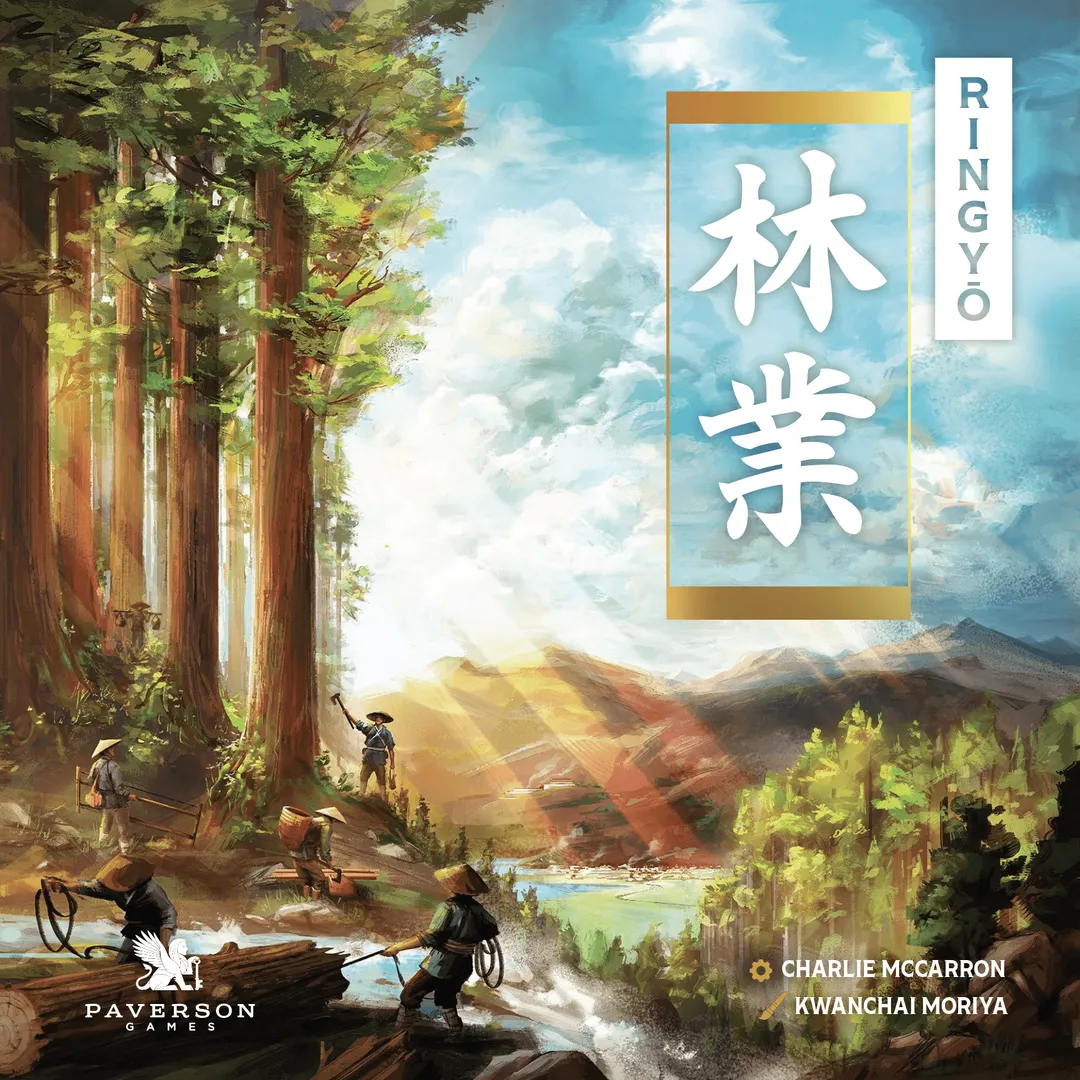
Ringyō ist ein Brettspiel aus dem Jahr 2026 für 1–4 Personen, mit 45–90 Minuten pro Partie und ab 14 Jahren. Entwickelt wurde es von Charlie McCarron; die wichtigsten Mechaniken sind Auction / Bidding, Simultaneous Action Selection und Worker Placement.




Auf Englisch
Set during the Edo Period of Japan, play as a daimyo - or feudal lord - overseeing a personal province board that begins as a wild, old growth forest. Over the course of five rounds, each player will determine the path of their own province by simultaneously placing skilled forestry samurai workers at key intersections to perform actions. These decisions could include the harvesting of trees to construct farms and castles, the planting and study of trees for future knowledge, establishing a new agricultural presence to sustain the region’s population, the building of castle structures for both immediate rewards and eventual honor, or even mustering a military force to help support the efforts of the Shogun in Edo. While tending to their province, players must also forecast, consider, and prepare for the ever-changing weather of Japan, with rain having both positive growth and negative flooding effects on their own land. The deck of weather cards is constantly changing focus on forest regions, and it is up to each daimyo to consider the importance in forecasting and preparing for the weather. If ignored, excessive rains in regions caught unaware could turn into a cascade of destructive flooding across your province! Using their skilled forestry samurai, players may choose to cut down any of the four different tree types found on the landscape, each of which contribute towards a specific combination of required materials for castles and farms to be built in their province or Edo. But players also must consider the sustainable approach to forest regeneration, through the planting, studying, and fostered growth of future generations of trees. If you clear cut the land to have an immediate stockpile of building supplies, you leave your province susceptible to flooding, destruction, and fallow fields. Finding the balance between the demands of the natural environment, your province’s needs, and the Shogun’s demands in Edo is the key to success in Ringyo. In addition to tending to their own region, players must consider the demands of the Shogun in Edo, located in the center of the table, as well. Competing with other daimyo players, each will send advisors from their region to Edo - as well as race to fulfill specific demands of the Shogun - to seek both immediate gifts and receive game-end honor bestowed upon them by the Shogun, allowing them to rise above the competition due to their attention on Edo. Using a combination of bidding for favor with the shogun, simultaneous worker placement in your own province, reacting to the ever-changing weather of the region, and competing with other feudal lords to fulfill the demands of the shogun, Ringyo rewards players with honor who consider both their own region’s needs as well as the requests of the greater country, all while taking a sustainable and respectful approach to the land on which they call home. Whichever path a player has taken, it is the daimyo who has achieved the greatest amount of honor by the end of five rounds, who will become the victor. —description from the publisher
Laut Katalog unterstützt Ringyō 1–4 Personen. Diese Spanne entspricht der vom Verlag angegebenen Spielerzahl, das Spiel lässt sich also für jede Gruppengröße innerhalb dieser Spanne aufbauen. Aufbau, einzelne Regeln und Wertungsdetails können je nach Personenzahl trotzdem abweichen; prüfe daher die genaue Konfiguration in der Anleitung deiner Ausgabe.
Die angegebene Spieldauer für Ringyō beträgt 45–90 Minuten. Das ist die Schätzung des Verlags für eine vollständige Partie. Die tatsächliche Dauer hängt von der Gruppe, der Personenzahl und der Regelkenntnis ab: Erste Partien dauern meist länger, erfahrene Gruppen sind oft schneller fertig. Aufbau und Regelerklärung sind in dieser Schätzung nicht enthalten.
Im Katalog wird Ringyō ab 14 Jahren empfohlen. Das ist die Empfehlung des Verlags und berücksichtigt Leseanforderungen, Regelkomplexität und Kleinteile, nicht nur das Thema. Jüngere Kinder können oft mit Hilfe eines Erwachsenen mitspielen; beachte die Altersangabe deiner Ausgabe und die Brettspielerfahrung deiner Gruppe.
Ringyō hat bei BoardGameGeek eine Komplexitätswertung von 2,7 von 5 und gilt damit als eher leichtes Spiel. Die Wertung zeigt, wie viel Regelwissen, Planung und Entscheidungen eine typische Partie verlangt. Schwerere Spiele brauchen bei der ersten Erklärung mehr Zeit, daher hilft vor dem Spieleabend eine Vorbereitungsanleitung.
Die wichtigsten Mechaniken von Ringyō sind Auction / Bidding, Simultaneous Action Selection und Worker Placement. Mechaniken beschreiben, was die Spielenden in ihrem Zug tun, etwa würfeln, Karten draften oder Arbeiter einsetzen. Jede Mechanik führt zu einer Katalogseite mit ähnlichen Spielen, falls dir Ringyō gefallen hat und du etwas Vergleichbares suchst.
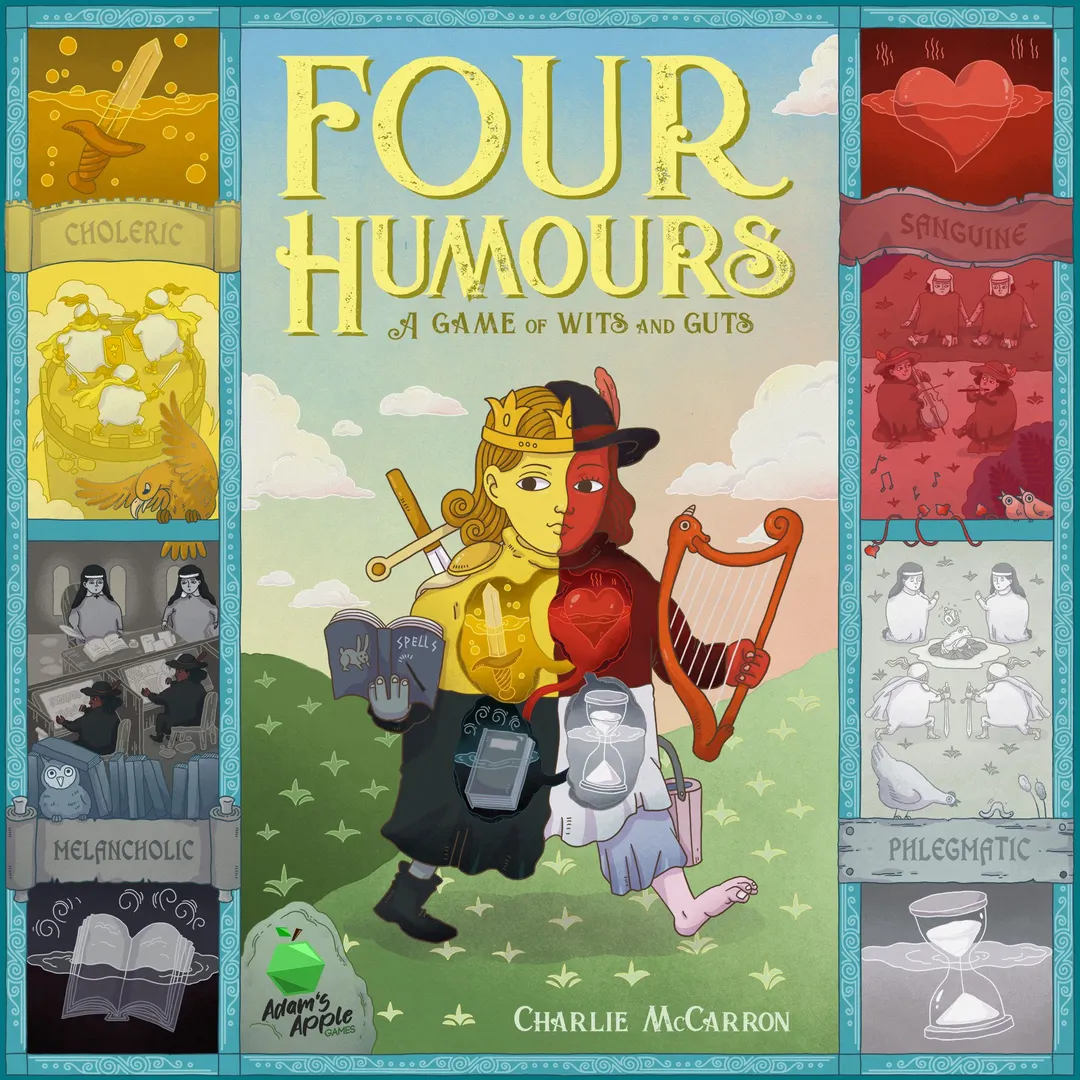
Als Autoren von Ringyō sind angegeben: Charlie McCarron. Diese Angaben stammen aus den veröffentlichten Spieldaten und nennen die für das Spieldesign verantwortlichen Personen, nicht die Illustratoren oder Verlage. Die Autorenseiten auf MeepleRules sammeln weitere Titel derselben Autoren – praktisch, wenn dir ein Spiel gefällt und du ähnliche Spiele suchst.
Im Katalog ist Ringyō als Grundspiel aufgeführt. Es lässt sich eigenständig mit dem Material aus der Schachtel spielen und benötigt keinen weiteren Titel. Erweiterungen, sofern es welche gibt, ergänzen neues Material oder neue Regeln und sind im Katalog separat mit einem Verweis auf dieses Grundspiel aufgeführt.