
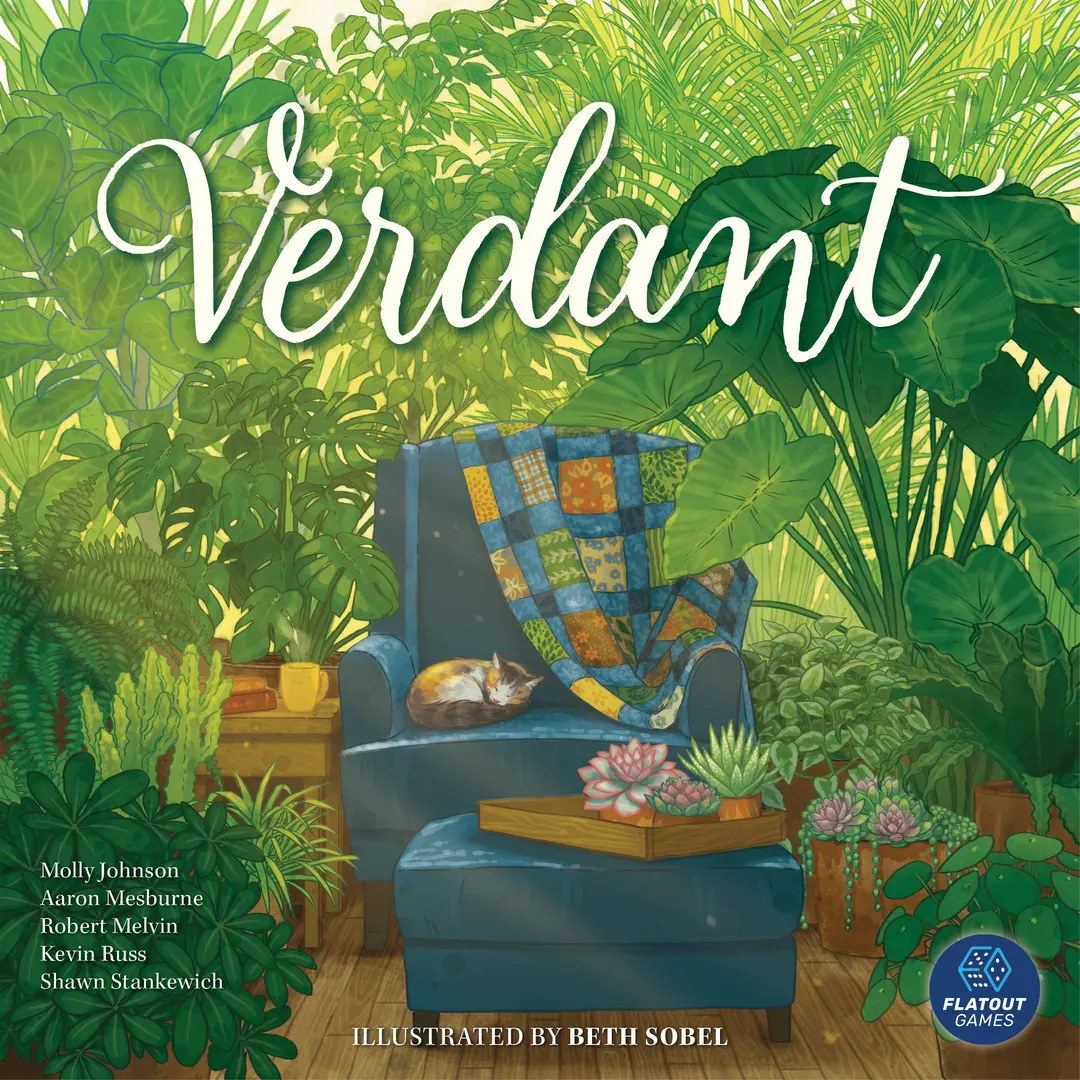
- BGG-Rang
- BGG #764
- BGG-Bewertung
- 7,3
Verdant
- 1–5 Spieler
- 45–60 Min.
- Komplexität 2,1/5
- 2022
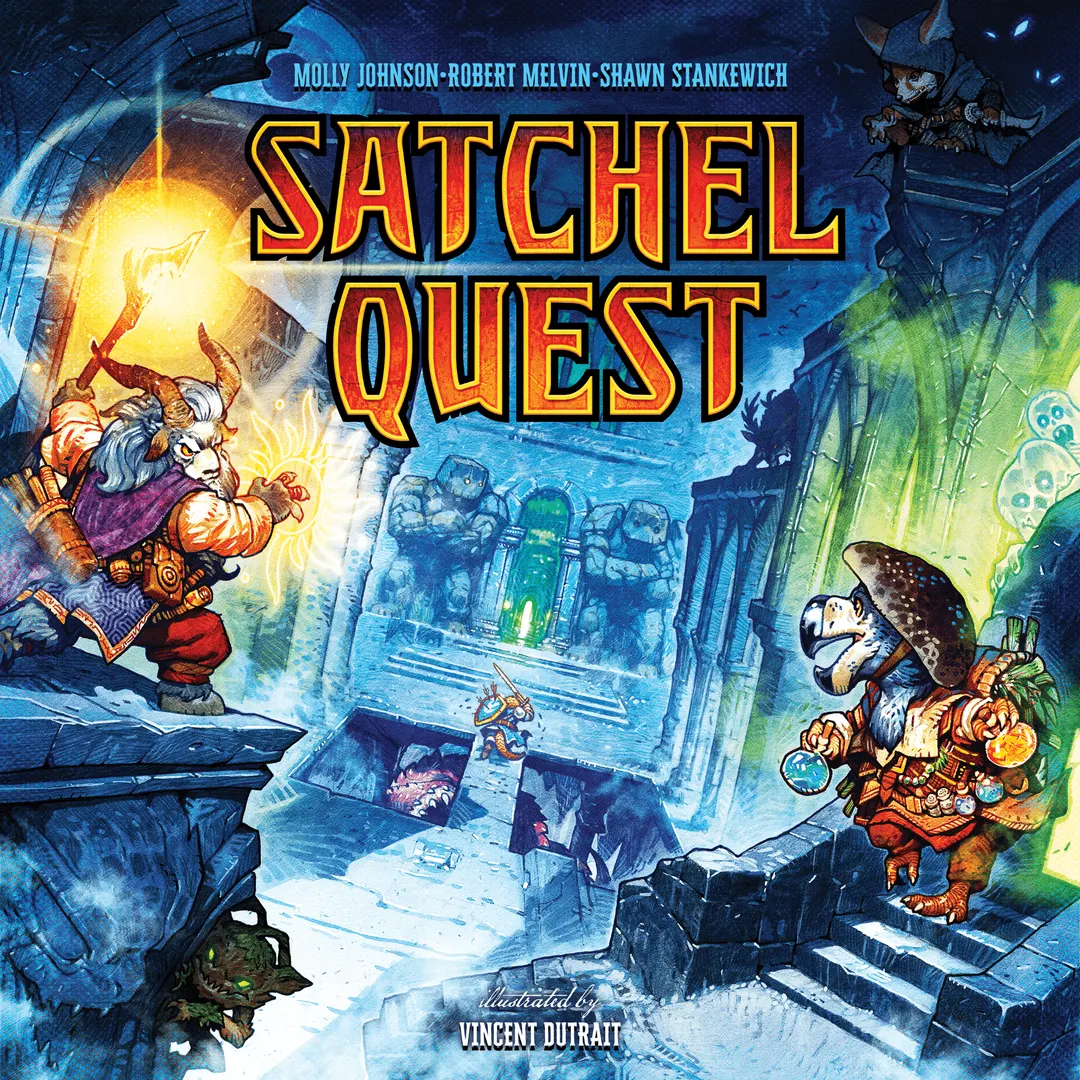
2026
Regelhilfe für Satchel Quest
Verständliche Erklärungen zu Spielzügen, Karteneffekten und strittigen Situationen mit Verweisen auf offizielle Quellen und gespeichertem Fragenverlauf.
Für 1 Person
Was möchtest du wissen?
Antworten stammen aus dem offiziellen Regelheft, mit Seitenangabe zum Nachprüfen.
Satchel Quest ist ein Brettspiel aus dem Jahr 2026 für 1–4 Personen und ab 10 Jahren. Entwickelt wurde es von Shawn Stankewich, Robert Melvin und Molly Johnson; die wichtigsten Mechaniken sind Variable Player Powers, Variable Set-up und Solo / Solitaire Game.







Auf Englisch
Venture into the dungeon with naught but your wits and your trusty bag! Satchel Quest is a competitive bag-building dungeon adventure in which every draw shapes your fate. Armed with a bag full of double-sided chips, you'll delve into the dungeon, battling enemies, disarming traps, and unlocking treasure chests while earning gold, experience, and valor. In Satchel Quest, players draw double-sided chips, choose which side to play, and place it strategically on the current floor of your dungeon map to attack monsters, block damage, trigger ranged effects, or set up for big combos. Exact placement matters as chips interact with adjacent spaces and can chain together for powerful results. Each round has 6 phases where players build the dungeon, resolve actions, visit the village to heal, upgrade your skills, and buy new chips at the market that expand your strategy. The game ends during the Path Phase when there are no more Path cards to reveal. The player with the most Valor points wins. With multiple adventure paths, asymmetric heroes, and a wealth of clever combos, Satchel Quest combines bag building with a fresh, spatial puzzle twist. —description from the publisher
Laut Katalog unterstützt Satchel Quest 1–4 Personen. Diese Spanne entspricht der vom Verlag angegebenen Spielerzahl, das Spiel lässt sich also für jede Gruppengröße innerhalb dieser Spanne aufbauen. Aufbau, einzelne Regeln und Wertungsdetails können je nach Personenzahl trotzdem abweichen; prüfe daher die genaue Konfiguration in der Anleitung deiner Ausgabe.
Im Katalog wird Satchel Quest ab 10 Jahren empfohlen. Das ist die Empfehlung des Verlags und berücksichtigt Leseanforderungen, Regelkomplexität und Kleinteile, nicht nur das Thema. Jüngere Kinder können oft mit Hilfe eines Erwachsenen mitspielen; beachte die Altersangabe deiner Ausgabe und die Brettspielerfahrung deiner Gruppe.
Satchel Quest hat bei BoardGameGeek eine Komplexitätswertung von 2,0 von 5 und gilt damit als eher leichtes Spiel. Die Wertung zeigt, wie viel Regelwissen, Planung und Entscheidungen eine typische Partie verlangt. Schwerere Spiele brauchen bei der ersten Erklärung mehr Zeit, daher hilft vor dem Spieleabend eine Vorbereitungsanleitung.
Satchel Quest gehört zu diesen Kategorien: Adventure und Puzzle. Die wichtigsten Mechaniken sind Variable Player Powers, Variable Set-up und Solo / Solitaire Game. Kategorien beschreiben Thema und Setting eines Spiels, Mechaniken dagegen, was die Spielenden in ihrem Zug tatsächlich tun. Jede Mechanik führt zu einer Katalogseite mit ähnlichen Spielen, falls du etwas Vergleichbares suchst.
Als Autoren von Satchel Quest sind angegeben: Shawn Stankewich, Robert Melvin und Molly Johnson. Diese Angaben stammen aus den veröffentlichten Spieldaten und nennen die für das Spieldesign verantwortlichen Personen, nicht die Illustratoren oder Verlage. Die Autorenseiten auf MeepleRules sammeln weitere Titel derselben Autoren – praktisch, wenn dir ein Spiel gefällt und du ähnliche Spiele suchst.
Im Katalog ist Satchel Quest als Grundspiel aufgeführt. Es lässt sich eigenständig mit dem Material aus der Schachtel spielen und benötigt keinen weiteren Titel. Erweiterungen, sofern es welche gibt, ergänzen neues Material oder neue Regeln und sind im Katalog separat mit einem Verweis auf dieses Grundspiel aufgeführt.