
- BGG-Rang
- BGG #456
- BGG-Bewertung
- 7,8
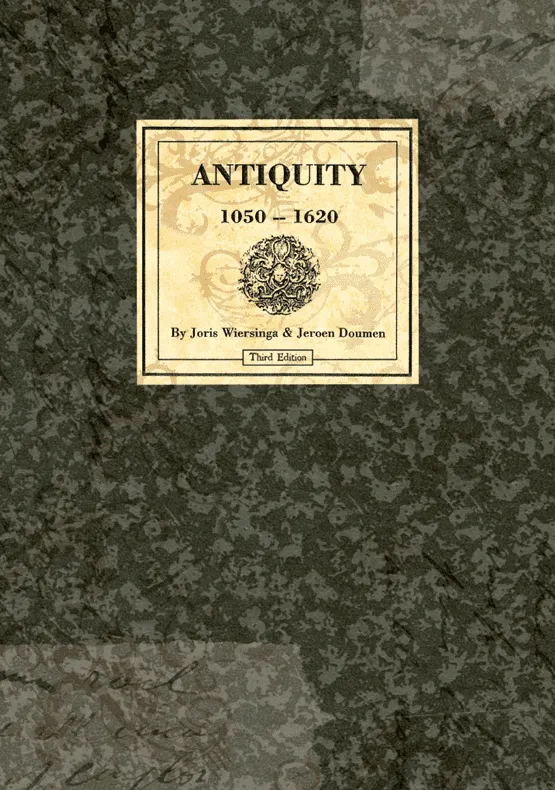
Antiquity
- 2–4 Spieler
- 120–180 Min.
- Komplexität 4,3/5
- 2004
2023
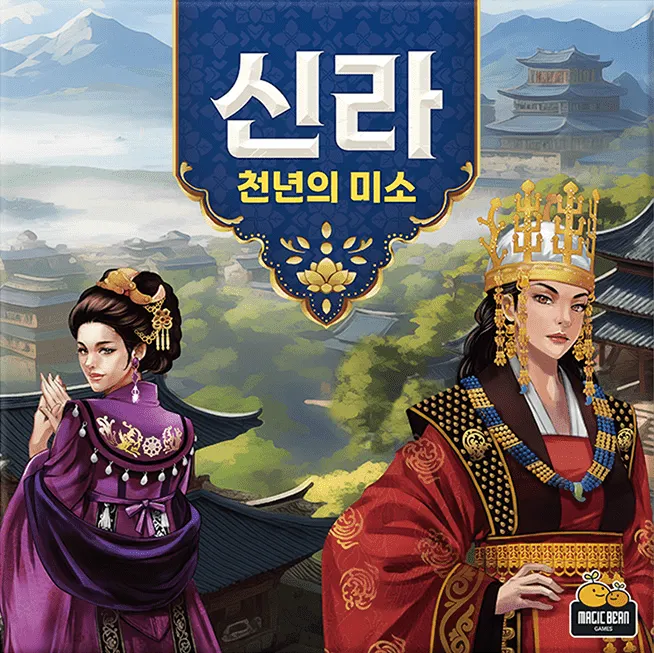
Regelhilfe für 신라: 천년의 미소 (Silla: A Thousand-year-old Smile)
Verständliche Erklärungen zu Spielzügen, Karteneffekten und strittigen Situationen mit Verweisen auf offizielle Quellen und gespeichertem Fragenverlauf.
Für 2 Personen
Was möchtest du wissen?
Antworten stammen aus dem offiziellen Regelheft, mit Seitenangabe zum Nachprüfen.
신라: 천년의 미소 (Silla: A Thousand-year-old Smile) ist ein Brettspiel aus dem Jahr 2023 für 2–4 Personen, mit 30–60 Minuten pro Partie und ab 14 Jahren. Die wichtigsten Mechaniken sind Tile Placement und Square Grid.



Auf Englisch
"Silla" was an ancient Korean kingdom that lasted for a thousand years, coexisting with "Goguryeo" and "Baekje" during the Three Kingdoms period. Silla changed its national name, reorganized its politics, religion, and military to strengthen royal authority, and expanded its territory to unify the Three Kingdoms. The millennium kingdom of Silla, which lasted the longest, is now submerged in the 'Pond of the Moon' under the moonlight. You are summoned by the king to beautifully rebuild the millennium kingdom of Silla. Bring appropriate statuses, acquire necessary resources, and revive the beautiful palaces of Silla. Set up the game and determine the order of play. When it's your turn, select and take a turn order card based on your status. The order and resources you can obtain vary according to your status. Higher status allows you to obtain premium resources but results in a later turn order in the next round. Lower status provides lower-grade resources but grants an earlier turn order in the next round. After selecting a status card and obtaining resources, you choose to perform one of two actions. You can either place a tile according to the terrain to make the land, or you can consume resources to construct a structure. You gain points by constructing terrain or structures. Once all players have performed their actions, the round ends and preparations for the next round begin. The next round proceeds according to the order numbers of the status cards selected in this round. Repeat the rounds. The game ends when three out of the five types of construction structures are exhausted, or when one stack of terrain tiles is completely depleted. —description from the publisher
Laut Katalog unterstützt 신라: 천년의 미소 (Silla: A Thousand-year-old Smile) 2–4 Personen. Diese Spanne entspricht der vom Verlag angegebenen Spielerzahl, das Spiel lässt sich also für jede Gruppengröße innerhalb dieser Spanne aufbauen. Aufbau, einzelne Regeln und Wertungsdetails können je nach Personenzahl trotzdem abweichen; prüfe daher die genaue Konfiguration in der Anleitung deiner Ausgabe.
Die angegebene Spieldauer für 신라: 천년의 미소 (Silla: A Thousand-year-old Smile) beträgt 30–60 Minuten. Das ist die Schätzung des Verlags für eine vollständige Partie. Die tatsächliche Dauer hängt von der Gruppe, der Personenzahl und der Regelkenntnis ab: Erste Partien dauern meist länger, erfahrene Gruppen sind oft schneller fertig. Aufbau und Regelerklärung sind in dieser Schätzung nicht enthalten.
Im Katalog wird 신라: 천년의 미소 (Silla: A Thousand-year-old Smile) ab 14 Jahren empfohlen. Das ist die Empfehlung des Verlags und berücksichtigt Leseanforderungen, Regelkomplexität und Kleinteile, nicht nur das Thema. Jüngere Kinder können oft mit Hilfe eines Erwachsenen mitspielen; beachte die Altersangabe deiner Ausgabe und die Brettspielerfahrung deiner Gruppe.
신라: 천년의 미소 (Silla: A Thousand-year-old Smile) hat bei BoardGameGeek eine Komplexitätswertung von 1,8 von 5 und gilt damit als leichtes Spiel. Die Wertung zeigt, wie viel Regelwissen, Planung und Entscheidungen eine typische Partie verlangt. Schwerere Spiele brauchen bei der ersten Erklärung mehr Zeit, daher hilft vor dem Spieleabend eine Vorbereitungsanleitung.
신라: 천년의 미소 (Silla: A Thousand-year-old Smile) gehört zu diesen Kategorien: Medieval und City Building. Die wichtigsten Mechaniken sind Tile Placement und Square Grid. Kategorien beschreiben Thema und Setting eines Spiels, Mechaniken dagegen, was die Spielenden in ihrem Zug tatsächlich tun. Jede Mechanik führt zu einer Katalogseite mit ähnlichen Spielen, falls du etwas Vergleichbares suchst.
Im Katalog ist 신라: 천년의 미소 (Silla: A Thousand-year-old Smile) als Grundspiel aufgeführt. Es lässt sich eigenständig mit dem Material aus der Schachtel spielen und benötigt keinen weiteren Titel. Erweiterungen, sofern es welche gibt, ergänzen neues Material oder neue Regeln und sind im Katalog separat mit einem Verweis auf dieses Grundspiel aufgeführt.