

- BGG-Rang
- BGG #13.362
- BGG-Bewertung
- 5,8
Cthulhu 500
- 3–8 Spieler
- 60 Min.
- Komplexität 1,7/5
- 2004
1998
Regelhilfe für Spammers
Verständliche Erklärungen zu Spielzügen, Karteneffekten und strittigen Situationen mit Verweisen auf offizielle Quellen und gespeichertem Fragenverlauf.
Was möchtest du wissen?
Antworten stammen aus dem offiziellen Regelheft, mit Seitenangabe zum Nachprüfen.
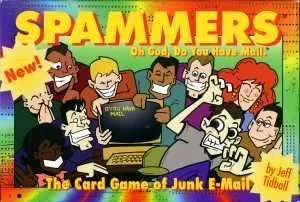
Spammers ist ein Brettspiel aus dem Jahr 1998 für 2–6 Personen, mit 90 Minuten pro Partie und ab 13 Jahren. Entwickelt wurde es von Jeff Tidball.







Auf Englisch
FROM the SESSION REPORT: Each player is competing to pull off the most lucrative scams. You do this by spamming mailing lists. The more closely related the mailing list is to the type of scam you're trying to pull, the easier it is to score. Scams come in 4 types - sex, internet, money and free stuff. The text and art flavor are quite wonderful. Of course the sex scams appeal the most - highlights were the Virtual Jellorama, Walter's Wankery and Disgusting Dog Tricks. If you're geeky, some of the internet scams are witty. All the standard 'make money doing nothing' and free stuff scams are there as well. You play scam cards in front of you (up to 5) and then play mail-out cards (spams) trying to lure people in. There are a number of mailing lists of various sizes in the middle for anyone to mail to, plus each player has some private mailing lists that only they can spam. The action is to play a 'mail' card, nominating both a scam and the list that you're mailing the scam offer to. If you roll a d6 less <= the size of the list, you succeed, and that scam scores a point. If you roll way under (4 or more), your scam scores 2 points. Some lists specialize in one of the 4 scam types ... if your scam and the list matches, you get a modifier of +2 making it easier to score, plus the mail-out cards have modifiers between 0 and +5. Simple so far, but every time a mailing list gets spammed, it decreases in size by 1 (1 million thematically which equals 1 on the die) - these are subscribers getting disgruntled by the amount of spam they're receiving who leave the list. The winner is the first person to get 20 points across all their scams, or who gets a single scam of 12 points BUT it's only checked at the start of your next turn. A turn consists of 3 actions surrounding 2 decks - list cards and action cards. An action is pick up a card, play a card or merge 2 lists (making one bigger list you can then mail to). The action cards consist of scams, mail-outs or hardware cards. Hardware cards are played in front of you and allow you to break the game rules in a prescribed way (eg can mail other's private lists). Mail-out cards also list special effects which vary from mundane to wildly powerful but generally allow you to hose other players. When you play one, you say whether you're mailing or playing the special effect. To the game play itself. You try to get a mail-out going every turn (you're only allowed one) and pick a scam / list combination that gives you the best chance of scoring 2 points rather than 1 point. If you only get 1 point, you may well be falling off the pace. You're generally picking up at least one card each turn, and this can be a slow process as any special action needs to be read and understood to work out whether you want to use the card as a mail-out or for the special effect. So it's not the fastest game in the world. These hostage cards also make it a big hit the leader game. If you're going to make a dash for the lead have plenty of protection cards because you have to maintain your winning score for a full round before you win - everyone gets a shot at you.
Laut Katalog unterstützt Spammers 2–6 Personen. Diese Spanne entspricht der vom Verlag angegebenen Spielerzahl, das Spiel lässt sich also für jede Gruppengröße innerhalb dieser Spanne aufbauen. Aufbau, einzelne Regeln und Wertungsdetails können je nach Personenzahl trotzdem abweichen; prüfe daher die genaue Konfiguration in der Anleitung deiner Ausgabe.
Die angegebene Spieldauer für Spammers beträgt 90 Minuten. Das ist die Schätzung des Verlags für eine vollständige Partie. Die tatsächliche Dauer hängt von der Gruppe, der Personenzahl und der Regelkenntnis ab: Erste Partien dauern meist länger, erfahrene Gruppen sind oft schneller fertig. Aufbau und Regelerklärung sind in dieser Schätzung nicht enthalten.
Im Katalog wird Spammers ab 13 Jahren empfohlen. Das ist die Empfehlung des Verlags und berücksichtigt Leseanforderungen, Regelkomplexität und Kleinteile, nicht nur das Thema. Jüngere Kinder können oft mit Hilfe eines Erwachsenen mitspielen; beachte die Altersangabe deiner Ausgabe und die Brettspielerfahrung deiner Gruppe.
Spammers hat bei BoardGameGeek eine Komplexitätswertung von 2,0 von 5 und gilt damit als eher leichtes Spiel. Die Wertung zeigt, wie viel Regelwissen, Planung und Entscheidungen eine typische Partie verlangt. Schwerere Spiele brauchen bei der ersten Erklärung mehr Zeit, daher hilft vor dem Spieleabend eine Vorbereitungsanleitung.
Spammers gehört zu diesen Kategorien: Card Game. Kategorien beschreiben Thema, Setting und Stil eines Spiels, nicht seine Regeln. Filtere den Katalog nach derselben Kategorie, um ähnliche Spiele zu finden, wenn dir Spammers gefallen hat und du etwas Vergleichbares für den nächsten Spieleabend suchst.
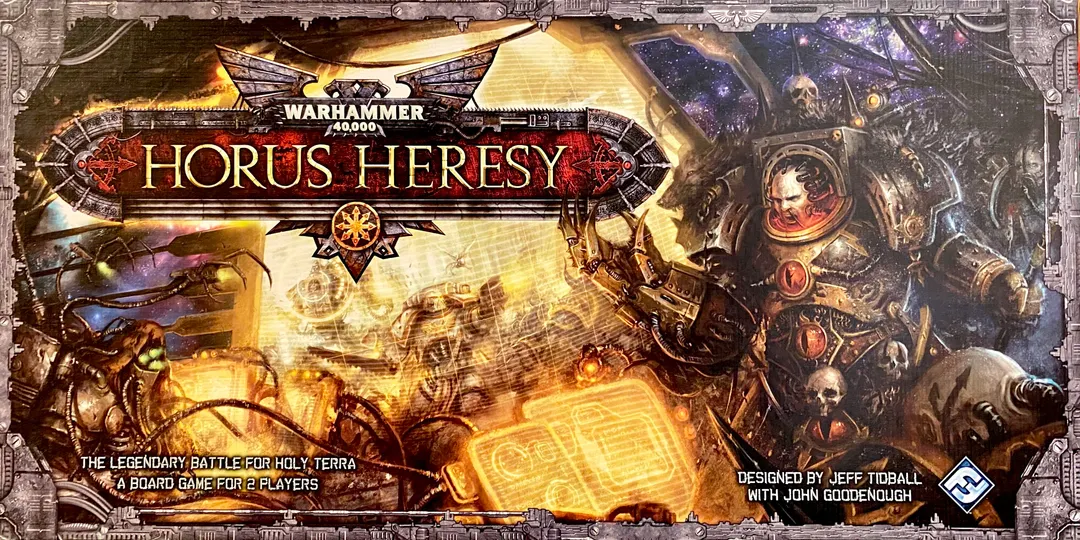
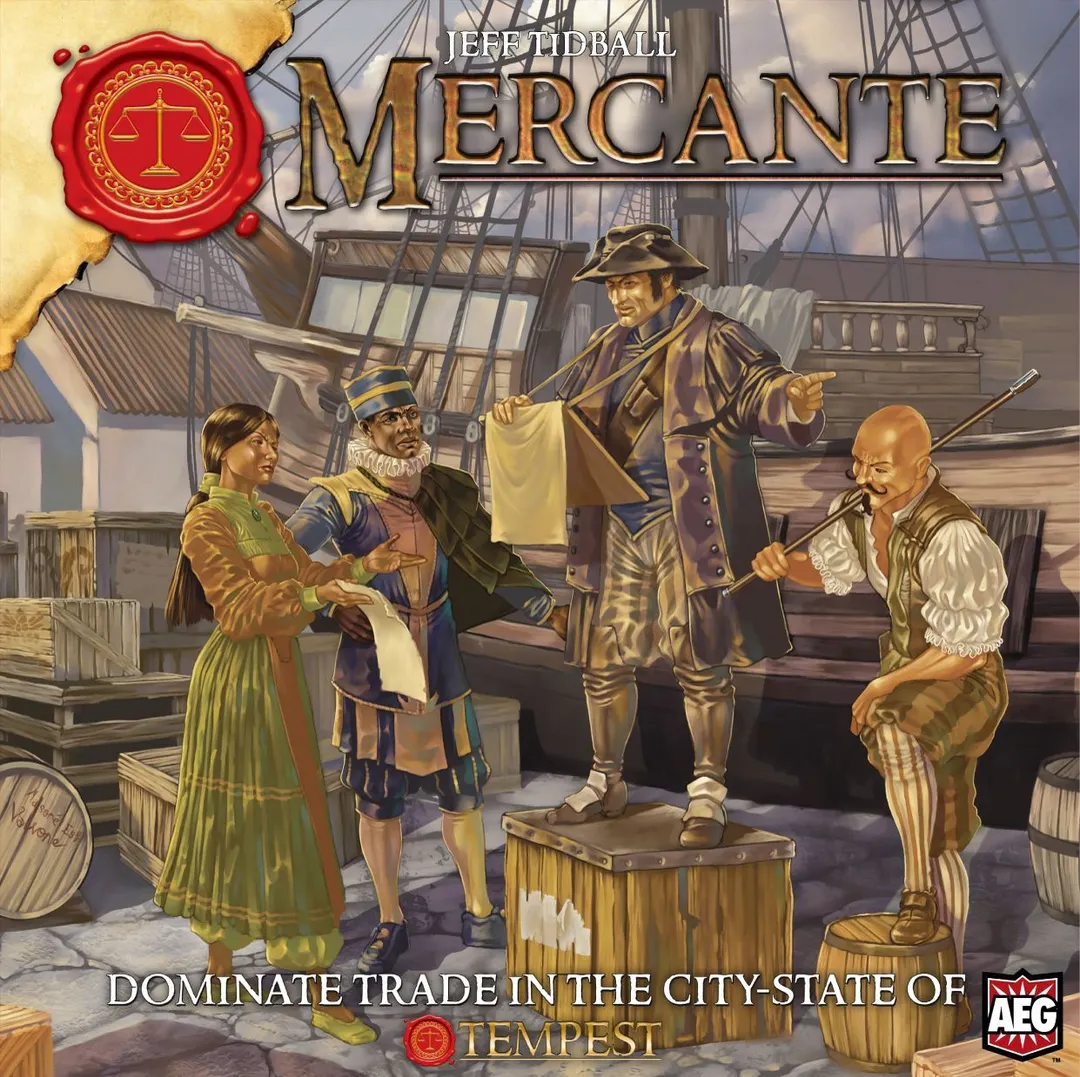
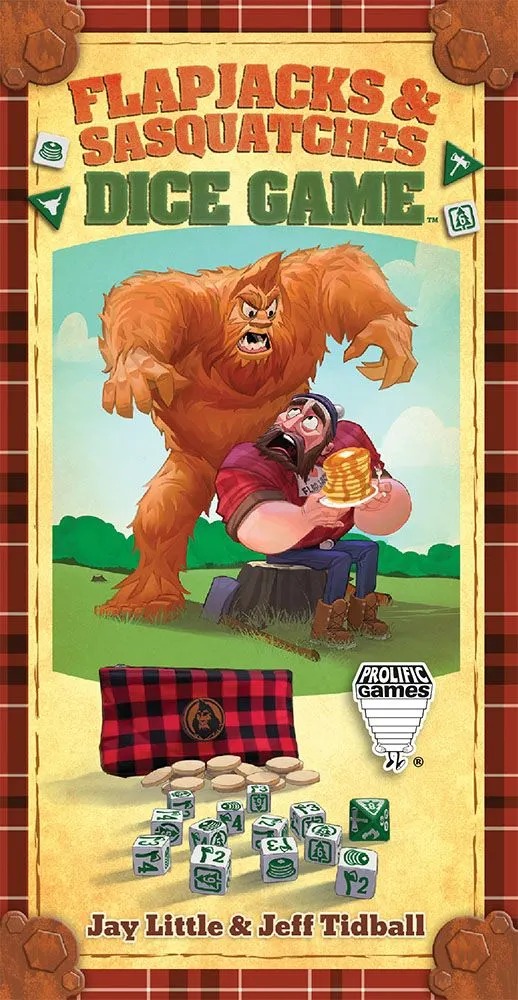
Als Autoren von Spammers sind angegeben: Jeff Tidball. Diese Angaben stammen aus den veröffentlichten Spieldaten und nennen die für das Spieldesign verantwortlichen Personen, nicht die Illustratoren oder Verlage. Die Autorenseiten auf MeepleRules sammeln weitere Titel derselben Autoren – praktisch, wenn dir ein Spiel gefällt und du ähnliche Spiele suchst.
Im Katalog ist Spammers als Grundspiel aufgeführt. Es lässt sich eigenständig mit dem Material aus der Schachtel spielen und benötigt keinen weiteren Titel. Erweiterungen, sofern es welche gibt, ergänzen neues Material oder neue Regeln und sind im Katalog separat mit einem Verweis auf dieses Grundspiel aufgeführt.