
- BGG-Rang
- BGG #11.431
- BGG-Bewertung
- 7,7
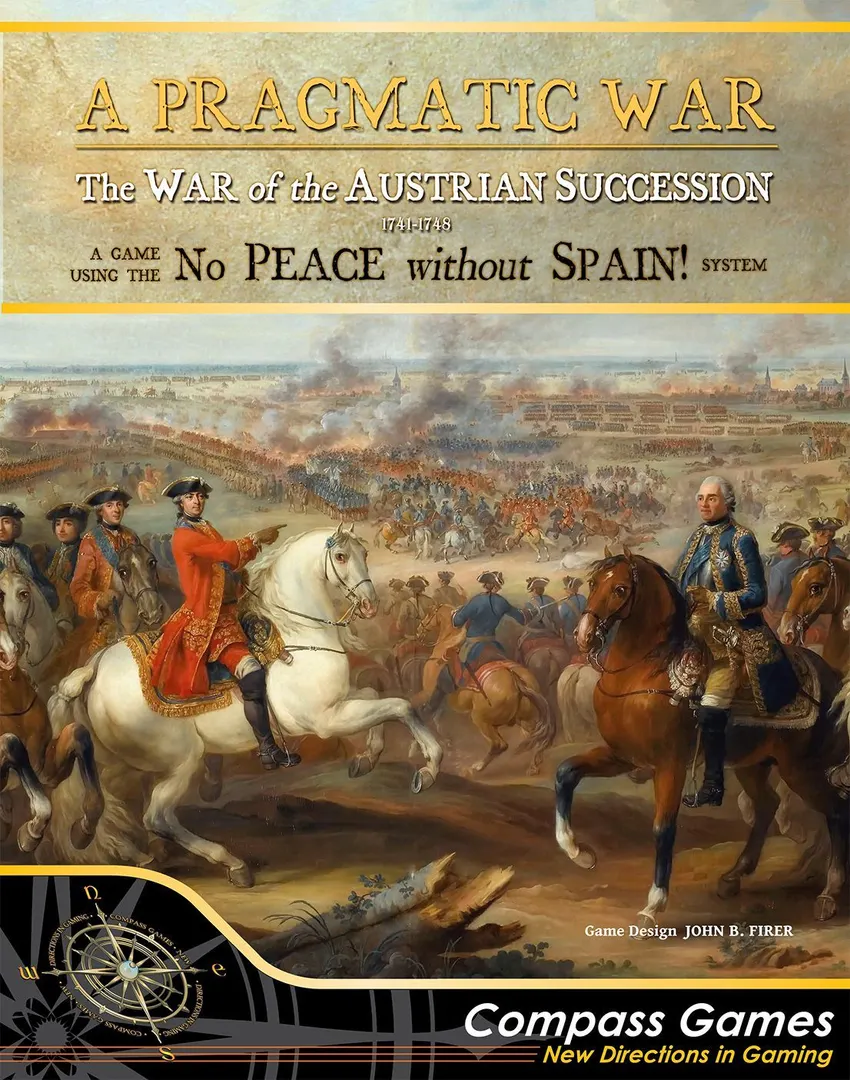
A Pragmatic War: The War of the Austrian Succession 1741 – 1748
- 2 Spieler
- 180–300 Min.
- Komplexität 2,5/5
- 2019
2008
Regelhilfe für Spartacus: Crisis in the Roman Republic 80-71 B.C.
Verständliche Erklärungen zu Spielzügen, Karteneffekten und strittigen Situationen mit Verweisen auf offizielle Quellen und gespeichertem Fragenverlauf.
Für 2 Personen
Was möchtest du wissen?
Antworten stammen aus dem offiziellen Regelheft, mit Seitenangabe zum Nachprüfen.
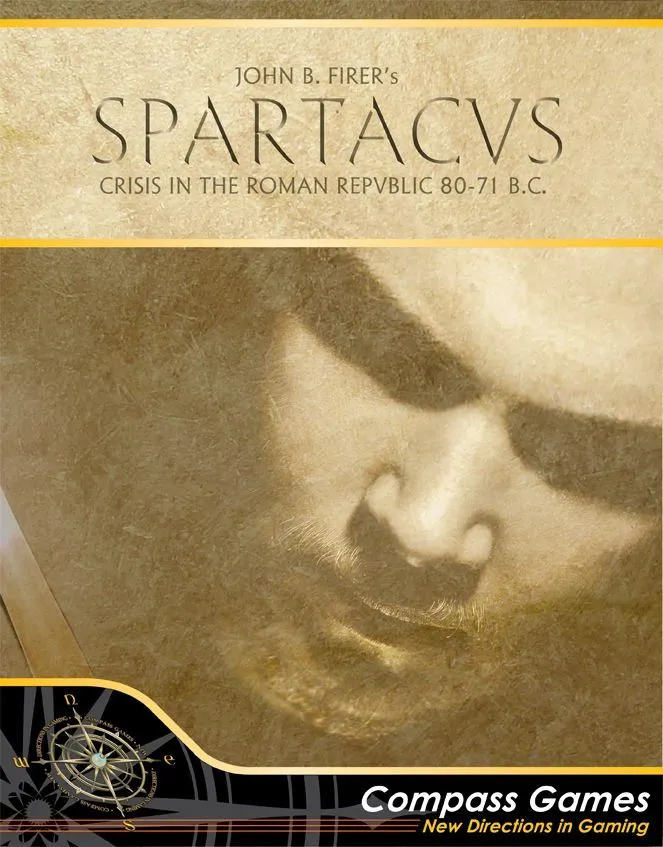
Spartacus: Crisis in the Roman Republic 80-71 B.C. ist ein Brettspiel aus dem Jahr 2008 für 2 Personen, mit 300 Minuten pro Partie und ab 12 Jahren. Entwickelt wurde es von John B. Firer; die wichtigsten Mechaniken sind Dice Rolling, Point to Point Movement und Simulation.
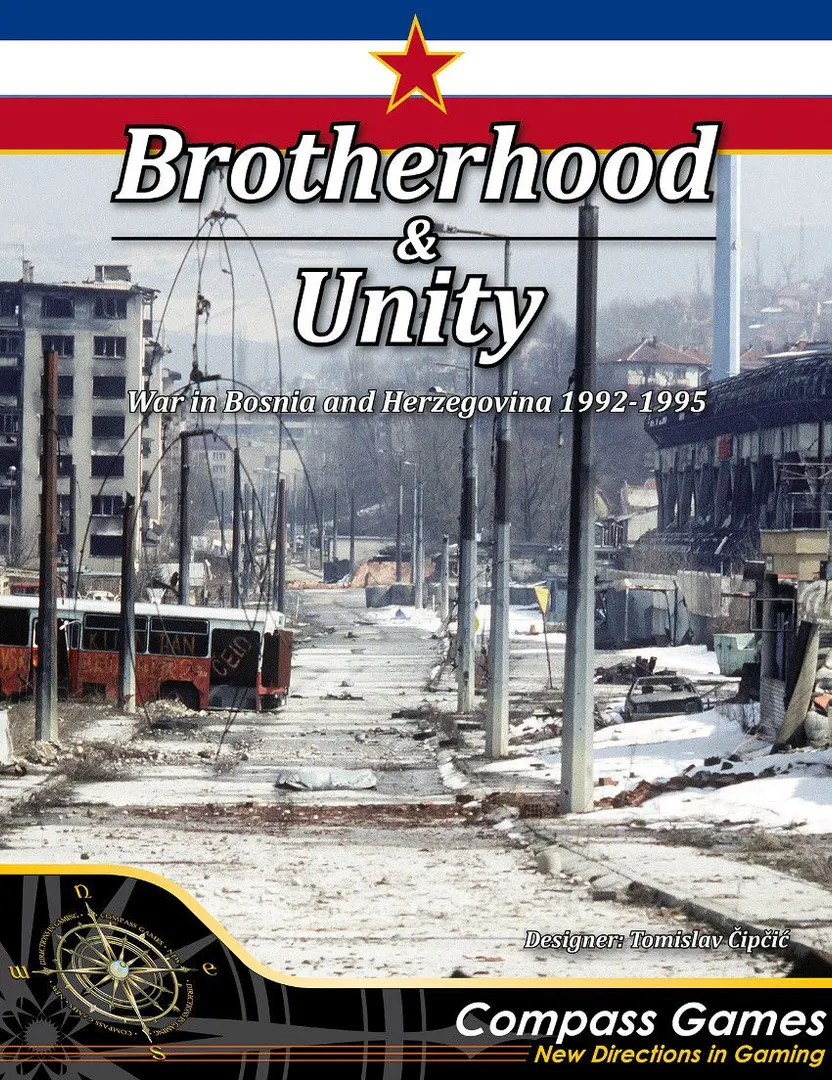
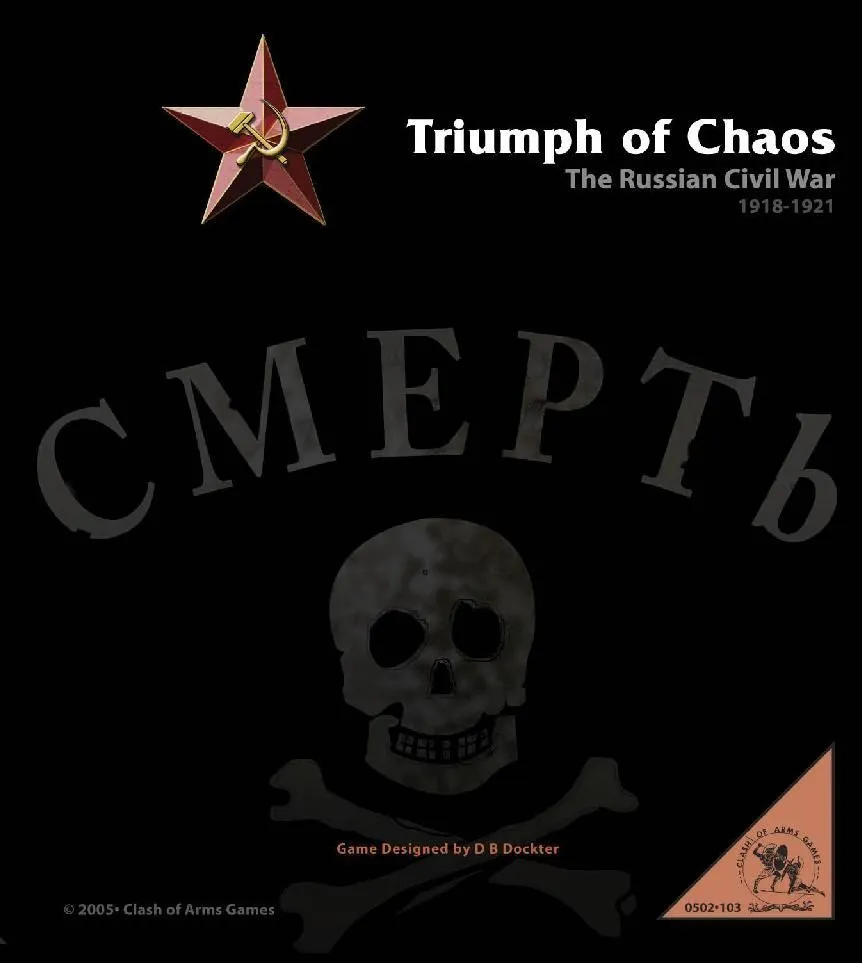
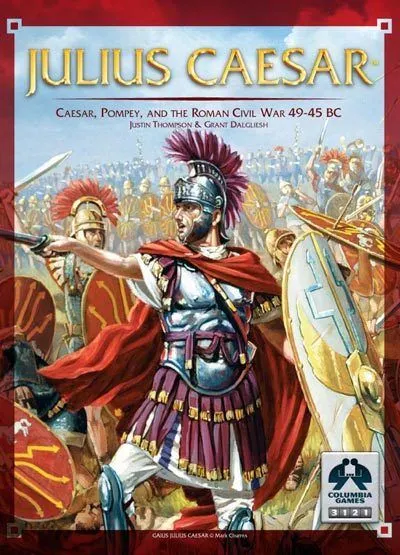
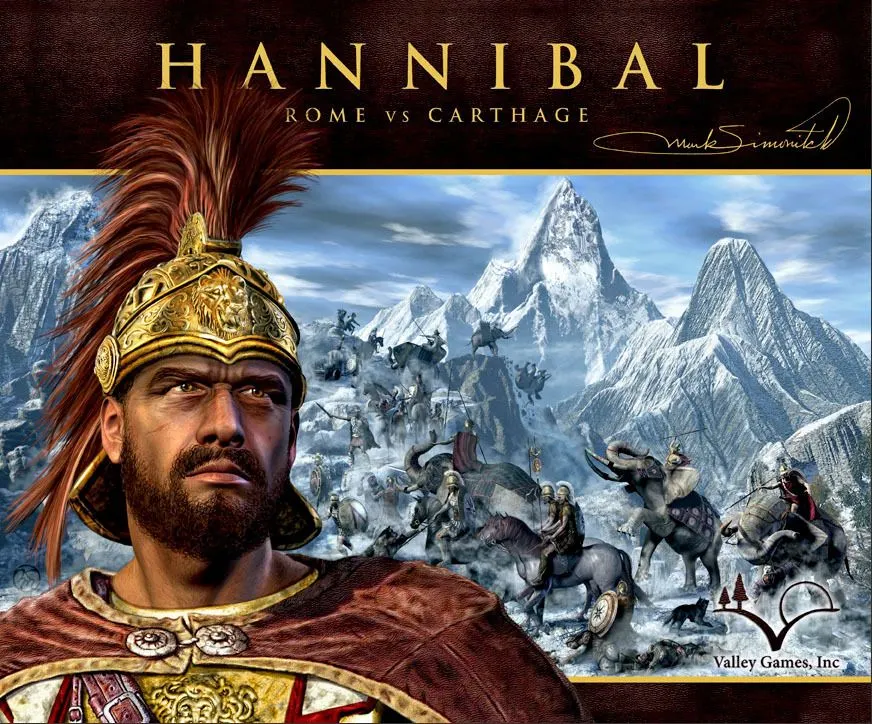


Auf Englisch
From the Publisher's website: "Spartacus: Crisis in the Roman Republic 80-71 B.C." is a two player, Strategic level, Card-Driven, point-to-point board-wargame simulation pitting a loose coalition of forces under Sertorius against the Roman Republic as restructured under Sulla and his lieutenants. As the Sertorian coalition, your objective is to force the Republic into collapse in order to rebuild it as it was before the Sullans changed the constitution. This is done through putting pressure on the Republic by territorial conquests, by exacerbating the tensions in the Republic, forcing it to utilize the services of new, potential Sullas to counter your armies in the field, or by taking Rome itself! As the Republic, you must defeat and neutralize Sertorius quickly, before he can conclude an alliance with Mithradates VI and cause a two-front war. However, the levying of too many troops to fight the enemy coupled with the utilization of ambitious generals can bring on the very circumstances you are trying to avoid, collapse of the Republic. In addition, care must be taken with Italy itself because in the background, civil war looms in the guise of Lepidus, and even worse, a slave revolt under the able gladiator-leader, Spartacus. Both sides can battle their adversaries using conventional forces, conduct guerrilla and pacification operations with the intention of denying your opponent control of strategic spaces and provinces, and attempt to hasten or delay the political collapse of the Republic. The central mechanism that influences all actions in the simulation is the Republican Crisis Track, which monitors the level of crisis in the Republic. All actions on the battlefield, the state of the empire, the strain of recruiting legions and utilizing ambitious generals, and the use of power politics, are ultimately reflected on the Crisis Track. The Sertorians hope to move the track towards heightened crisis while the Republic hopes to keep it well away from a political collapse. In the end, if the Republic manages to avoid collapse, it can still lose by having a strong, Sertorian presence on the board. "Spartacus" requires the player to successfully exercise many facets of military-political acumen in order to defeat his opponent while preserving the most precious asset of all, survival.
Laut Katalog unterstützt Spartacus: Crisis in the Roman Republic 80-71 B.C. 2 Personen. Das ist die vom Verlag angegebene Spielerzahl, das Spiel ist also genau für diese Anzahl von Mitspielenden ausgelegt. Varianten für andere Gruppengrößen sind, sofern vorhanden, in der Anleitung deiner Ausgabe beschrieben; prüfe sie, bevor du eine andere Konfiguration aufbaust.
Die angegebene Spieldauer für Spartacus: Crisis in the Roman Republic 80-71 B.C. beträgt 300 Minuten. Das ist die Schätzung des Verlags für eine vollständige Partie. Die tatsächliche Dauer hängt von der Gruppe, der Personenzahl und der Regelkenntnis ab: Erste Partien dauern meist länger, erfahrene Gruppen sind oft schneller fertig. Aufbau und Regelerklärung sind in dieser Schätzung nicht enthalten.
Im Katalog wird Spartacus: Crisis in the Roman Republic 80-71 B.C. ab 12 Jahren empfohlen. Das ist die Empfehlung des Verlags und berücksichtigt Leseanforderungen, Regelkomplexität und Kleinteile, nicht nur das Thema. Jüngere Kinder können oft mit Hilfe eines Erwachsenen mitspielen; beachte die Altersangabe deiner Ausgabe und die Brettspielerfahrung deiner Gruppe.
Spartacus: Crisis in the Roman Republic 80-71 B.C. hat bei BoardGameGeek eine Komplexitätswertung von 3,3 von 5 und gilt damit als mittelschweres Spiel. Die Wertung zeigt, wie viel Regelwissen, Planung und Entscheidungen eine typische Partie verlangt. Schwerere Spiele brauchen bei der ersten Erklärung mehr Zeit, daher hilft vor dem Spieleabend eine Vorbereitungsanleitung.
Spartacus: Crisis in the Roman Republic 80-71 B.C. gehört zu diesen Kategorien: Wargame, Political und Ancient. Die wichtigsten Mechaniken sind Dice Rolling, Point to Point Movement und Simulation. Kategorien beschreiben Thema und Setting eines Spiels, Mechaniken dagegen, was die Spielenden in ihrem Zug tatsächlich tun. Jede Mechanik führt zu einer Katalogseite mit ähnlichen Spielen, falls du etwas Vergleichbares suchst.
Als Autoren von Spartacus: Crisis in the Roman Republic 80-71 B.C. sind angegeben: John B. Firer. Diese Angaben stammen aus den veröffentlichten Spieldaten und nennen die für das Spieldesign verantwortlichen Personen, nicht die Illustratoren oder Verlage. Die Autorenseiten auf MeepleRules sammeln weitere Titel derselben Autoren – praktisch, wenn dir ein Spiel gefällt und du ähnliche Spiele suchst.
Im Katalog ist Spartacus: Crisis in the Roman Republic 80-71 B.C. als Grundspiel aufgeführt. Es lässt sich eigenständig mit dem Material aus der Schachtel spielen und benötigt keinen weiteren Titel. Erweiterungen, sofern es welche gibt, ergänzen neues Material oder neue Regeln und sind im Katalog separat mit einem Verweis auf dieses Grundspiel aufgeführt.