
- BGG-Rang
- BGG #1.714
- BGG-Bewertung
- 6,8
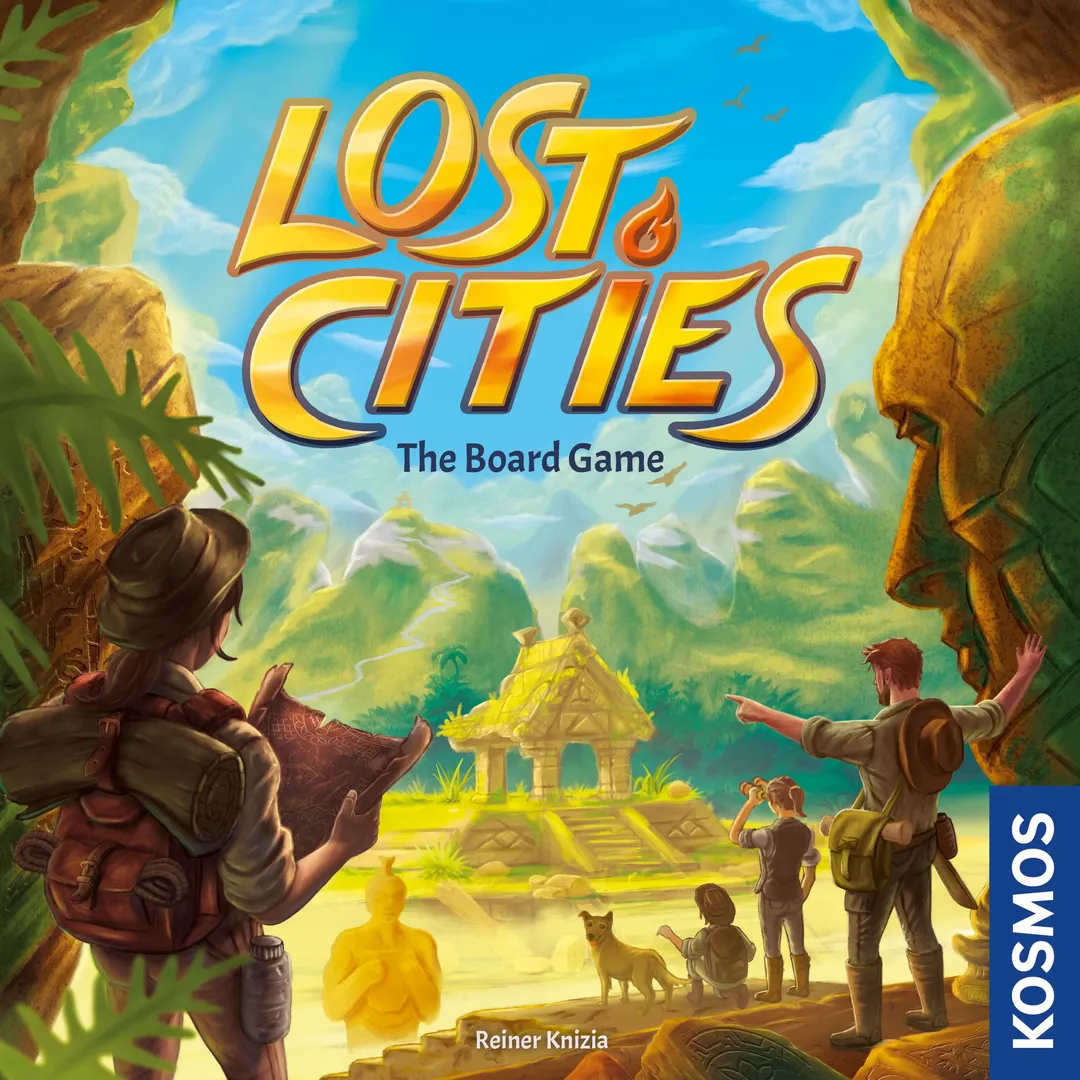
Lost Cities: The Board Game
- 2–4 Spieler
- 30–60 Min.
- Komplexität 1,7/5
- 2008
2020
Regelhilfe für Sumatra
Verständliche Erklärungen zu Spielzügen, Karteneffekten und strittigen Situationen mit Verweisen auf offizielle Quellen und gespeichertem Fragenverlauf.
Für 2 Personen
Was möchtest du wissen?
Antworten stammen aus dem offiziellen Regelheft, mit Seitenangabe zum Nachprüfen.
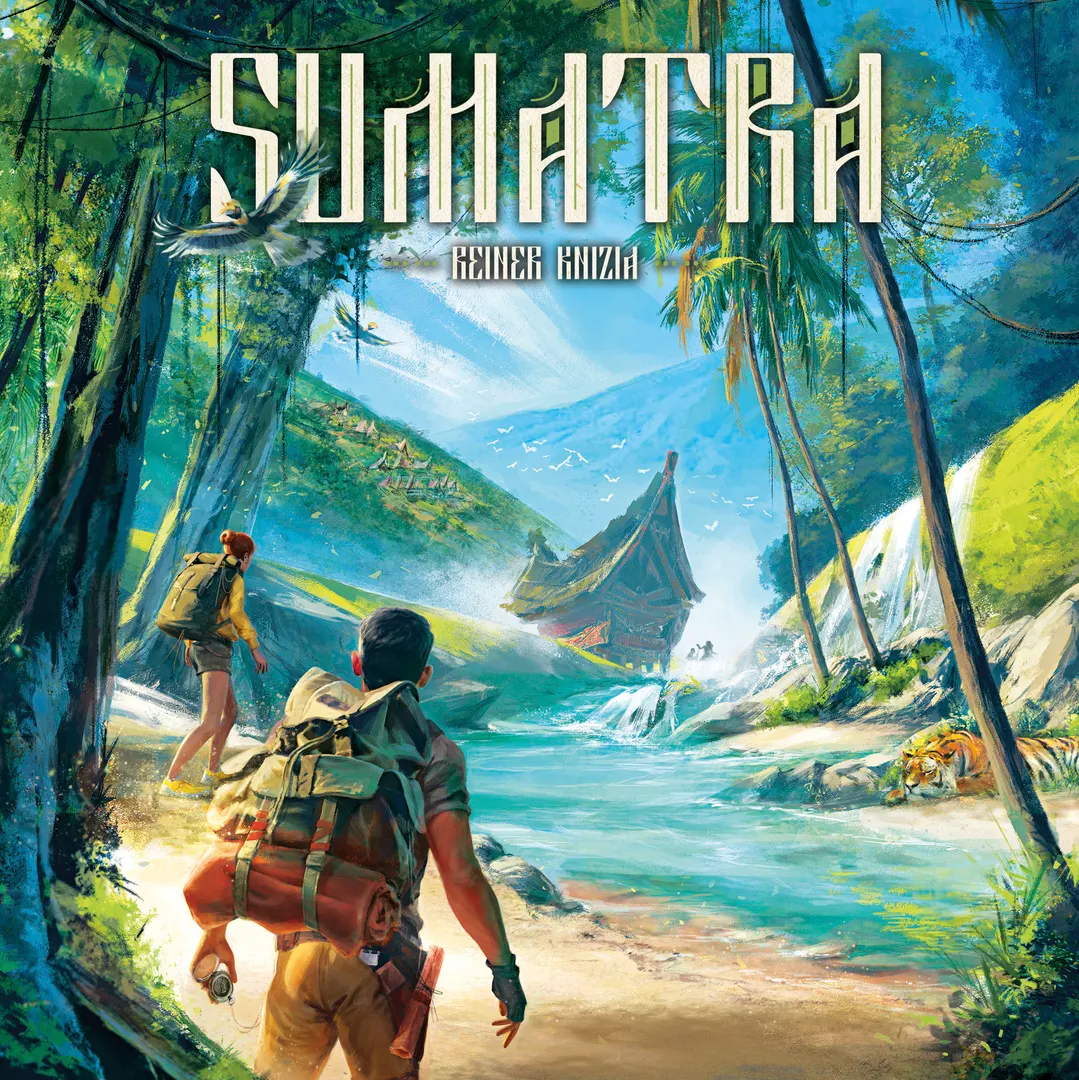
Sumatra ist ein Brettspiel aus dem Jahr 2020 für 2–5 Personen, mit 45 Minuten pro Partie und ab 8 Jahren. Entwickelt wurde es von Reiner Knizia; die wichtigsten Mechaniken sind Set Collection und Open Drafting.



Auf Englisch
Join this expedition, and you will have the unforgettable opportunity to explore Sumatra, from the top of its majestic volcanoes to the depths of its tropical rainforest. Find the most exotic animals and the most exuberant flowers, and discover the endless variety of cultures that coexist on the largest island in Indonesia. Your expedition sets out with the mission of writing a travel notebook that will help raise awareness of one of the richest ecosystems in the world. Whoever makes the best contribution to this exciting mission will win. In Sumatra, players move around the island to explore its multiple landscapes. On a turn, your possible actions depend on where you're located in relation to the travel notebook token that starts the game in base camp with all the players: If you're one space behind the token, you move to the notebook's space and end your turn. If you're on the same location as the token, either you move ahead one space or you stay put, take a tile from the pool of "available information" tiles, and add it to your personal notebook. If you're one space ahead of the token, you move the token to your space, move all the "available information" tiles to the "known information" pool, draw tiles from the bag equal to the number shown at your location, add those tiles to the pool of "available information", then take one of these new tiles and add it to your notebook. Thus, you're catching up with the group, researching with the group to add info to your notebook, moving ahead, or digging into new tiles ahead of everyone else. Tiles score and have effects in various ways, for example, with players gaining or losing points for meeting the most or fewest inhabitants. Flora and fauna tiles score only if you have a pair in a column, but only the highest-valued of this pair scores. Villages score only if you have more pairs of reception and GPS tiles than the number of villages, while the reception and GPS pairs net you no points, but allow you to get a tile from the pool of "known information". Equipment makes it safe to explore volcanoes on the island, and if you don't have enough equipment, you might lose other tiles you've collected. Sumatra also includes badges that players can collect. Be the first to collect, say, three flora tiles or a combination of two inhabitant and two craft tiles, and you can claim the badge for this, which is worth 3 points at game's end. You can also claim one diversity badge for having at least one tile in at least six rows of your notebook. The more rows you have a presence in, the higher the value of the diversity badge, but you can claim at most one during the game — and if someone else claims the six-row badge, then you'll need to have a tile in at least seven rows for the next one... ••• Únete a esta expedición y descubre Sumatra desde la cima de sus majestuosos volcanes hasta las profundidades de su selva. Encuentra los animales más exóticos, las flores más exuberantes y conoce la interminable variedad de culturas que conviven en la isla más grande de Indonesia. La expedición parte con la misión de escribir un cuaderno de viaje que ayude a dar a conocer uno de los ecosistemas más ricos del mundo. Aquel que contribuya en mayor medida a esta apasionante misión se alzará con la victoria. En Sumatra, los jugadores se irán desplazando por la isla para explorar sus múltiples parajes. En cada uno de ellos encontrarán información útil, representada por losetas, que deberán registrar en sus cuadernos de viaje colocándolas en su fila correspondiente. El jugador con el cuaderno de viaje e insignias de más valor al final de la partida se alzará con la victoria. —description from the publisher (Spanish)
Laut Katalog unterstützt Sumatra 2–5 Personen. Diese Spanne entspricht der vom Verlag angegebenen Spielerzahl, das Spiel lässt sich also für jede Gruppengröße innerhalb dieser Spanne aufbauen. Aufbau, einzelne Regeln und Wertungsdetails können je nach Personenzahl trotzdem abweichen; prüfe daher die genaue Konfiguration in der Anleitung deiner Ausgabe.
Die angegebene Spieldauer für Sumatra beträgt 45 Minuten. Das ist die Schätzung des Verlags für eine vollständige Partie. Die tatsächliche Dauer hängt von der Gruppe, der Personenzahl und der Regelkenntnis ab: Erste Partien dauern meist länger, erfahrene Gruppen sind oft schneller fertig. Aufbau und Regelerklärung sind in dieser Schätzung nicht enthalten.
Im Katalog wird Sumatra ab 8 Jahren empfohlen. Das ist die Empfehlung des Verlags und berücksichtigt Leseanforderungen, Regelkomplexität und Kleinteile, nicht nur das Thema. Jüngere Kinder können oft mit Hilfe eines Erwachsenen mitspielen; beachte die Altersangabe deiner Ausgabe und die Brettspielerfahrung deiner Gruppe.
Sumatra hat bei BoardGameGeek eine Komplexitätswertung von 2,0 von 5 und gilt damit als eher leichtes Spiel. Die Wertung zeigt, wie viel Regelwissen, Planung und Entscheidungen eine typische Partie verlangt. Schwerere Spiele brauchen bei der ersten Erklärung mehr Zeit, daher hilft vor dem Spieleabend eine Vorbereitungsanleitung.
Sumatra gehört zu diesen Kategorien: Travel, Exploration und Adventure. Die wichtigsten Mechaniken sind Set Collection und Open Drafting. Kategorien beschreiben Thema und Setting eines Spiels, Mechaniken dagegen, was die Spielenden in ihrem Zug tatsächlich tun. Jede Mechanik führt zu einer Katalogseite mit ähnlichen Spielen, falls du etwas Vergleichbares suchst.
Als Autoren von Sumatra sind angegeben: Reiner Knizia. Diese Angaben stammen aus den veröffentlichten Spieldaten und nennen die für das Spieldesign verantwortlichen Personen, nicht die Illustratoren oder Verlage. Die Autorenseiten auf MeepleRules sammeln weitere Titel derselben Autoren – praktisch, wenn dir ein Spiel gefällt und du ähnliche Spiele suchst.
Im Katalog ist Sumatra als Grundspiel aufgeführt. Es lässt sich eigenständig mit dem Material aus der Schachtel spielen und benötigt keinen weiteren Titel. Erweiterungen, sofern es welche gibt, ergänzen neues Material oder neue Regeln und sind im Katalog separat mit einem Verweis auf dieses Grundspiel aufgeführt.