- BGG-Bewertung
- 6,5
The Battle of Marathon, 490 B.C.
1992
Regelhilfe für The Battle of Marathon, 490 B.C.
Verständliche Erklärungen zu Spielzügen, Karteneffekten und strittigen Situationen mit Verweisen auf offizielle Quellen und gespeichertem Fragenverlauf.
- 2 Spieler
- Komplexität 3,5/5

Regelassistent für The Battle of Marathon, 490 B.C.
Was möchtest du wissen?
Antworten stammen aus dem offiziellen Regelheft, mit Seitenangabe zum Nachprüfen.
The Battle of Marathon, 490 B.C. ist eine Brettspiel-Erweiterung aus dem Jahr 1992 für 2 Personen. Entwickelt wurde es von Richard H. Berg und Mark Herman; die wichtigsten Mechaniken sind Dice Rolling, Hexagon Grid und Line of Sight.
Über das Spiel
Auf Englisch
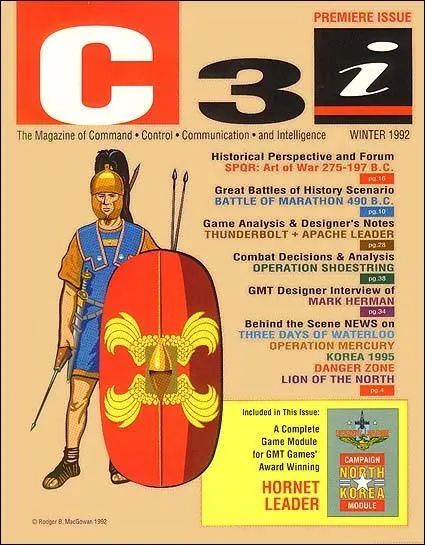
An expansion for The Great Battles of Alexander, this module is found in RBM/GMT's C3i Magazine Nr 1. It is the first C3i magazine scenario for Great Battles of History. As with other games in the series, it uses a combat system that emphasizes weapon/armor superiority and maneuverability over quantity. According to designer Mark Herman, "Hoplite warfare is a rather stolid affair. In most battles it's a question of whether Phalanx "a" can outpush and outsnarl Phalanx "b". This, for the most part, is why we chose not to begin our Great Battles of History series with something like HOPLITE: Classical Greek Warfare. With only a few exceptions, the scenario pickings alternate between dreary and grim. Marathon, one of the pivotal battles in classical history, is one of those exceptions." Marathon features the first bloody meeting between the great Persian Empire and the emerging power of Athens. The Persian army utilized light infantry and light cavalry from across their cosmopolitan empire. The Athenians used the famed Greek hoplites.
Kategorien
Mechanismen
Autoren
Verlage
- GMT Games
- RBM Studio
Fragen und Antworten
Laut Katalog unterstützt The Battle of Marathon, 490 B.C. 2 Personen. Das ist die vom Verlag angegebene Spielerzahl, das Spiel ist also genau für diese Anzahl von Mitspielenden ausgelegt. Varianten für andere Gruppengrößen sind, sofern vorhanden, in der Anleitung deiner Ausgabe beschrieben; prüfe sie, bevor du eine andere Konfiguration aufbaust.
The Battle of Marathon, 490 B.C. hat bei BoardGameGeek eine Komplexitätswertung von 3,5 von 5 und gilt damit als mittelschweres Spiel. Die Wertung zeigt, wie viel Regelwissen, Planung und Entscheidungen eine typische Partie verlangt. Schwerere Spiele brauchen bei der ersten Erklärung mehr Zeit, daher hilft vor dem Spieleabend eine Vorbereitungsanleitung.
The Battle of Marathon, 490 B.C. gehört zu diesen Kategorien: Wargame, Ancient und Expansion for Base-game. Die wichtigsten Mechaniken sind Dice Rolling, Hexagon Grid und Line of Sight. Kategorien beschreiben Thema und Setting eines Spiels, Mechaniken dagegen, was die Spielenden in ihrem Zug tatsächlich tun. Jede Mechanik führt zu einer Katalogseite mit ähnlichen Spielen, falls du etwas Vergleichbares suchst.
Als Autoren von The Battle of Marathon, 490 B.C. sind angegeben: Richard H. Berg und Mark Herman. Diese Angaben stammen aus den veröffentlichten Spieldaten und nennen die für das Spieldesign verantwortlichen Personen, nicht die Illustratoren oder Verlage. Die Autorenseiten auf MeepleRules sammeln weitere Titel derselben Autoren – praktisch, wenn dir ein Spiel gefällt und du ähnliche Spiele suchst.
Im Katalog ist The Battle of Marathon, 490 B.C. als Erweiterung aufgeführt. Erweiterungen ergänzen ein bestehendes Grundspiel um neues Material, neue Regeln oder Szenarien und sind meist nicht eigenständig spielbar. Prüfe auf der Schachtel oder in der Verlagsbeschreibung, welches Grundspiel genau benötigt wird und ob deine Ausgabe dieses Spiels mit der Erweiterung kompatibel ist.