
- BGG-Rang
- BGG #296
- BGG-Bewertung
- 7,9
Indonesia
- 2–5 Spieler
- 180–240 Min.
- Komplexität 4,0/5
- 2005
2012
Regelhilfe für The Great Zimbabwe
Verständliche Erklärungen zu Spielzügen, Karteneffekten und strittigen Situationen mit Verweisen auf offizielle Quellen und gespeichertem Fragenverlauf.
Für 2 Personen
Was möchtest du wissen?
Antworten stammen aus dem offiziellen Regelheft, mit Seitenangabe zum Nachprüfen.
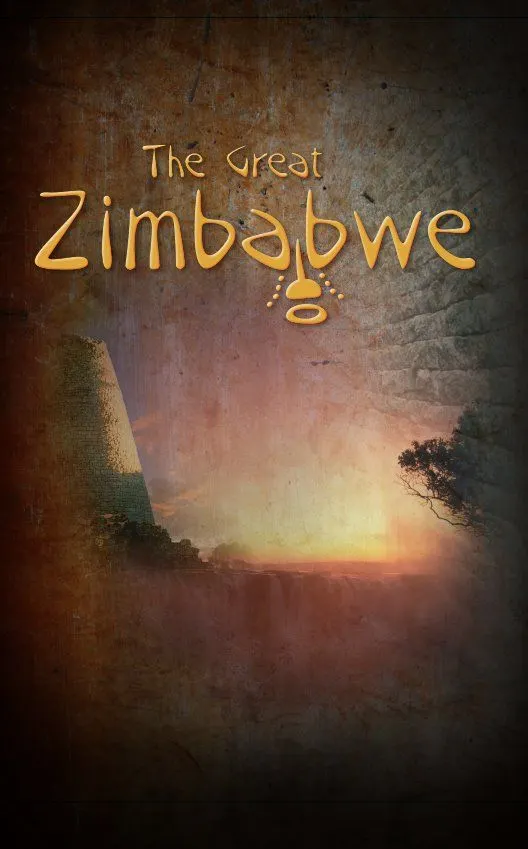
The Great Zimbabwe ist ein Brettspiel aus dem Jahr 2012 für 2–5 Personen, mit 90–150 Minuten pro Partie und ab 14 Jahren. Entwickelt wurde es von Jeroen Doumen und Joris Wiersinga; die wichtigsten Mechaniken sind Variable Player Powers, Auction / Bidding und Income.



Auf Englisch
The Great Zimbabwe is a game about building a trade based civilization in ancient Africa. It has been inspired by the old kingdoms surrounding the Great Zimbabwe, a world heritage site in southern Africa. Far into the previous century, colonial governments denied that a civilization that produced such impressive monuments and beautiful artwork could have been African in origin. But of course, this civilization was African, and the country of Zimbabwe itself was proudly named after this impressive cultural heritage. As always in our games, we have used this history for inspiration; however, first and foremost we wanted to create a highly playable and replayable Splotter game, so in many cases we took liberties with historical names, periods and artwork. In the game, players strive to build the most impressive monuments to one god of their choice. They can choose this god themselves-- each of the twelve gods offers a unique blessing, but each also requires a different amount of work to win the game. Building the monuments is done by developing a logistics network stretching across the region. Through this network, players produce and obtain ritual goods to raise their monuments and bring honour to the god of their choice. Here's the flavour text from the rules: The Mutapa king struts into the village, followed by a bunch of young warriors herding cattle. “Oondabezitha ”, he addresses the assembly of kings, “I have brought twelve heads of cattle for the ceremony tonight”. The others seem to shrink in stature as he speaks. The star of the king of Mutapa is clearly ascending. They have not brought nearly as much cattle themselves. “Soon, we will all be praying to Obatala”, murmurs one of the older Kilwa traders. “The Mutapa will be raising their godless monuments sky-high. Perhaps it is time for us to resort to some magic of our own”. Then the sky breaks into a thunder and a torrential rain pours down on the assembly. The men scramble while the plains fill with water. The ceremony will be wet tonight... The Great Zimbabwe is a logistico-economic game in which players are tribal leaders in Africa trying to please the gods by building monuments. Buying technology, building craftsmen, gathering resources and worshipping a god are among the many decisions necessary to win in 'The Great Zimbabwe'. But the main way of getting there is building and developing a network of monuments. The higher the monuments, the closer the players will be to victory, but players must balance many subtle aspects of the game. If they develop their economy, if they worship a powerful god or if they use a lot of technology, they will need to score more victory points. Clever use of turn-order manipulation, economic development in an almost close environment, scarce natural resource use and logistical optimization to deliver goods from craftsmen to monuments: You only get one action per turn, so be smart! 'The Great Zimbabwe' is a race for victory, in which you decide how far you want to go and at what speed. Then other players' decisions change everything...
Laut Katalog unterstützt The Great Zimbabwe 2–5 Personen. Diese Spanne entspricht der vom Verlag angegebenen Spielerzahl, das Spiel lässt sich also für jede Gruppengröße innerhalb dieser Spanne aufbauen. Aufbau, einzelne Regeln und Wertungsdetails können je nach Personenzahl trotzdem abweichen; prüfe daher die genaue Konfiguration in der Anleitung deiner Ausgabe.
Die angegebene Spieldauer für The Great Zimbabwe beträgt 90–150 Minuten. Das ist die Schätzung des Verlags für eine vollständige Partie. Die tatsächliche Dauer hängt von der Gruppe, der Personenzahl und der Regelkenntnis ab: Erste Partien dauern meist länger, erfahrene Gruppen sind oft schneller fertig. Aufbau und Regelerklärung sind in dieser Schätzung nicht enthalten.
Im Katalog wird The Great Zimbabwe ab 14 Jahren empfohlen. Das ist die Empfehlung des Verlags und berücksichtigt Leseanforderungen, Regelkomplexität und Kleinteile, nicht nur das Thema. Jüngere Kinder können oft mit Hilfe eines Erwachsenen mitspielen; beachte die Altersangabe deiner Ausgabe und die Brettspielerfahrung deiner Gruppe.
The Great Zimbabwe hat bei BoardGameGeek eine Komplexitätswertung von 3,7 von 5 und gilt damit als mittelschweres Spiel. Die Wertung zeigt, wie viel Regelwissen, Planung und Entscheidungen eine typische Partie verlangt. Schwerere Spiele brauchen bei der ersten Erklärung mehr Zeit, daher hilft vor dem Spieleabend eine Vorbereitungsanleitung.
The Great Zimbabwe gehört zu diesen Kategorien: Economic, Industry / Manufacturing und Transportation. Die wichtigsten Mechaniken sind Variable Player Powers, Auction / Bidding und Income. Kategorien beschreiben Thema und Setting eines Spiels, Mechaniken dagegen, was die Spielenden in ihrem Zug tatsächlich tun. Jede Mechanik führt zu einer Katalogseite mit ähnlichen Spielen, falls du etwas Vergleichbares suchst.
Als Autoren von The Great Zimbabwe sind angegeben: Jeroen Doumen und Joris Wiersinga. Diese Angaben stammen aus den veröffentlichten Spieldaten und nennen die für das Spieldesign verantwortlichen Personen, nicht die Illustratoren oder Verlage. Die Autorenseiten auf MeepleRules sammeln weitere Titel derselben Autoren – praktisch, wenn dir ein Spiel gefällt und du ähnliche Spiele suchst.
Im Katalog ist The Great Zimbabwe als Grundspiel aufgeführt. Es lässt sich eigenständig mit dem Material aus der Schachtel spielen und benötigt keinen weiteren Titel. Erweiterungen, sofern es welche gibt, ergänzen neues Material oder neue Regeln und sind im Katalog separat mit einem Verweis auf dieses Grundspiel aufgeführt.