
- BGG-Rang
- BGG #8.645
- BGG-Bewertung
- 8,0
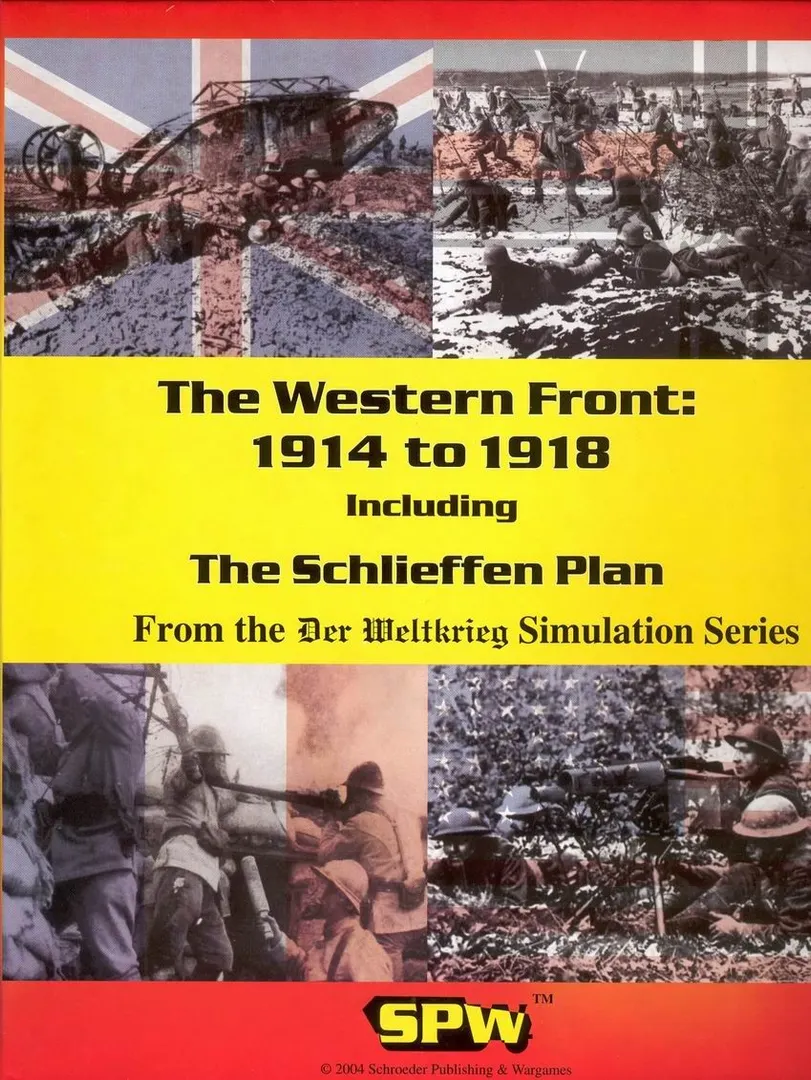
The Western Front: 1914 to 1918
- 2 Spieler
- 360 Min.
- Komplexität 3,4/5
- 2004
2003
Regelhilfe für The Italian Front: 1915-1918
Verständliche Erklärungen zu Spielzügen, Karteneffekten und strittigen Situationen mit Verweisen auf offizielle Quellen und gespeichertem Fragenverlauf.
Für 2 Personen
Was möchtest du wissen?
Antworten stammen aus dem offiziellen Regelheft, mit Seitenangabe zum Nachprüfen.
The Italian Front: 1915-1918 ist ein Brettspiel aus dem Jahr 2003 für 2 Personen, mit 360 Minuten pro Partie und ab 12 Jahren. Entwickelt wurde es von David Schroeder; die wichtigsten Mechaniken sind Dice Rolling und Hexagon Grid.


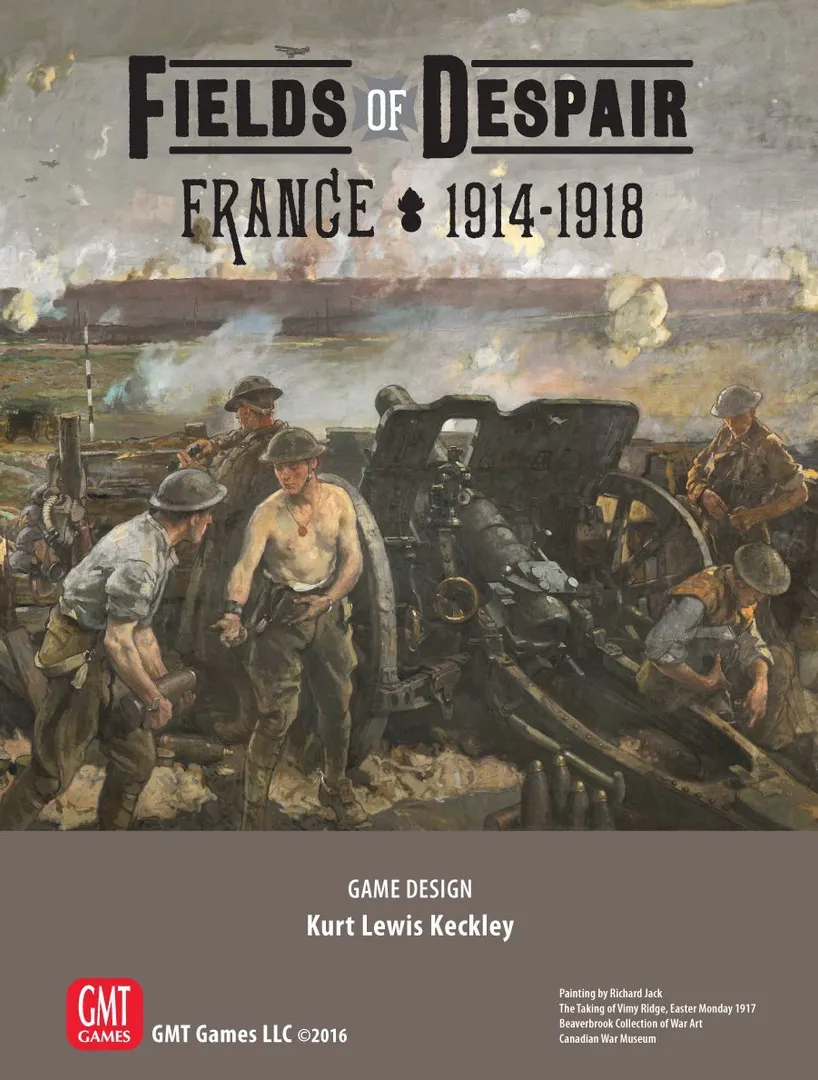

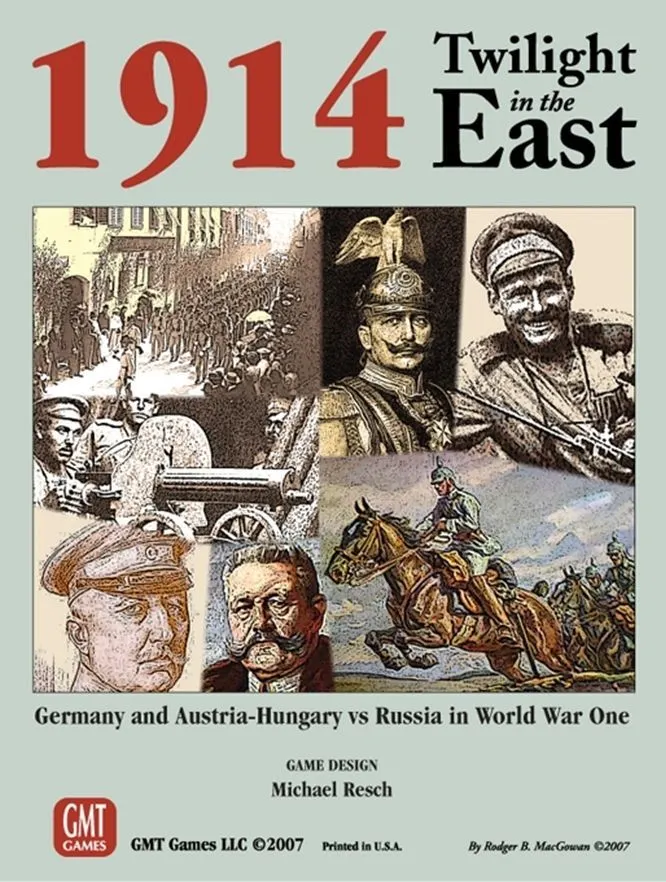
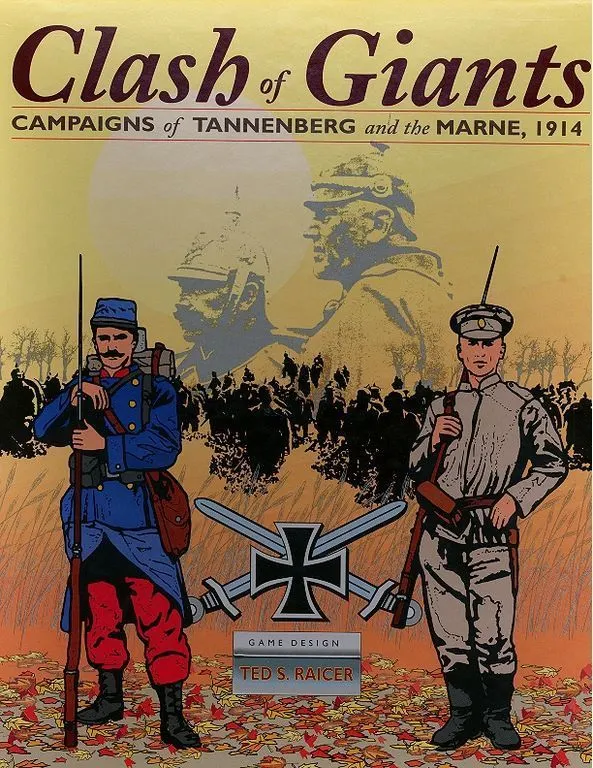

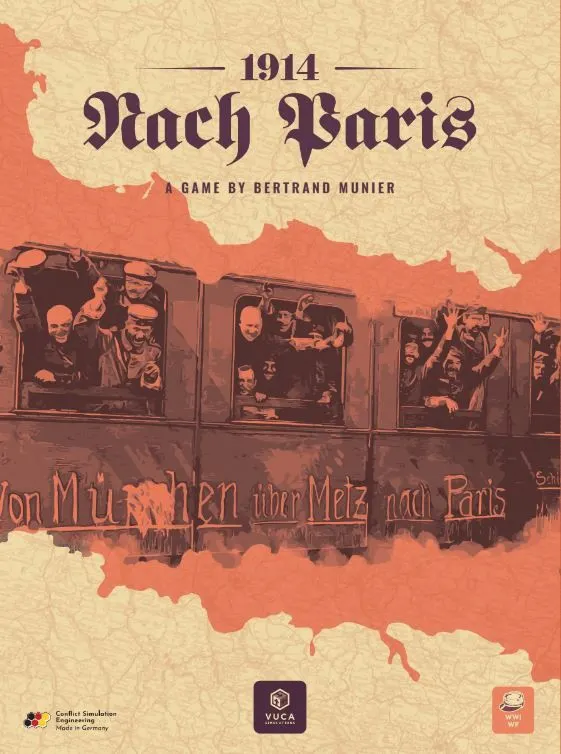

Auf Englisch
Five Separate Scenarios PLUS Campaign Game PLUS Links to Other Games of the Series. May 1915 - First Isonzo Italy decides to enter the war. Once a member of the Triple Alliance with Germany and Austria-Hungary, Italy now sides with the Entente. Italy's dream is of annexing Austro-Hungarian territory inhabited by ethnic Italians. Austria-Hungary views Italy not only as traitorous, but also as its traditional enemy. The stage is set for a bloodbath. The Italian army attempts to cross a narrow path into Austria-Hungary, across the Isonzo River towards Trieste. There the Austro-Hungarian army is dug in and waiting for them. May 1916 - The Strafexpedition The Chief of Staff of the Austro Hungarian army, Conrad von Hotzendorff, feels the time is right to punish Italy. He ignores the German chief Falkenhayn who foresees problems on the Eastern Front. Conrad masses guns and men in the Tirol for a strike to cut off the Italian armies to the east along the Isonzo. The plan looks good on paper, but the attacks will take place across rugged country. The Italians in the southern Tirol have neglected their rear area defenses. Italian reinforcements rush to the area. It is a dicey affair, but the Italian lines hold fast. The peril to the Italian forces along the Isonzo is checked. May 1917 - Tenth Isonzo Again and again and again, valiant Italian infantry has been fed into the maelstrom of the Isonzo. Each battle differs from the last only by their increasing intensity. The 9th Isonzo battle brought the capture of Gorizia. Now the Italians work to enlarge their holdings on the east of the bloody Isonzo. In the end, each side is once again exhausted. The Italians have become weary of the war. Yet, the Austrians feel that one more attack along the Isonzo may be the one that breaks their army first. October 1917 - Caporreto With Russia just about finished, the German army turns to help its beleaguered ally. Crack German divisions are sent to the Italian front to remove the mortal threat to Austria-Hungary. The Austrians reinforce the front with specially trained assault units. The Italians along the headwaters of the Isonzo are overwhelmed. German and Austrian units pour through the mountain gaps and into the Italian rear. Italian units melt away in the rush to get out of the trap. The gains of the Isonzo battles are permanently lost. Enterprising Austrians cross the Tagliamento River. Further Italian retreats ensue. The rout of the Italians ends along the banks of the Piave, the last natural barrier before Venice and the open country of the Po Valley. But Italy is not defeated, and her citizens rally anew to the cause. June 1918 - Albrecht & Radetzky The Germans are on the attack in France. Conrad wants in on the glory. Although the soldiers of the once proud Habsburg armies are weak and emaciated, they will have to go on the offensive one more time. As so often before, the Austrians split their strength between Conrad's armies in the Tirol and the forces along the Piave. Conrad's attacks from the north are ineffective. Once again the Marshal has made unrealistic plans his forces cannot execute. In the rugged mountain terrain only a single division manages to make any gains. Initial attacks across the Piave are successful, but quickly bog down. The Austrians have crossed the river, but cannot push far enough forward on the west bank to keep their pontoon bridges out of range of Italian artillery. Unable to advance, and unable to maintain viable supply lines across the river, they cross back, only to await the end. CONTENTS: 560 Die-Cut Counters One 34in x 22in Map Scenario Rulebook, Charts, and Tables Scale is 20km / hex 4 days per turn Unit Sizes: Division / Brigade (from the publisher's website and user's description)
Laut Katalog unterstützt The Italian Front: 1915-1918 2 Personen. Das ist die vom Verlag angegebene Spielerzahl, das Spiel ist also genau für diese Anzahl von Mitspielenden ausgelegt. Varianten für andere Gruppengrößen sind, sofern vorhanden, in der Anleitung deiner Ausgabe beschrieben; prüfe sie, bevor du eine andere Konfiguration aufbaust.
Die angegebene Spieldauer für The Italian Front: 1915-1918 beträgt 360 Minuten. Das ist die Schätzung des Verlags für eine vollständige Partie. Die tatsächliche Dauer hängt von der Gruppe, der Personenzahl und der Regelkenntnis ab: Erste Partien dauern meist länger, erfahrene Gruppen sind oft schneller fertig. Aufbau und Regelerklärung sind in dieser Schätzung nicht enthalten.
Im Katalog wird The Italian Front: 1915-1918 ab 12 Jahren empfohlen. Das ist die Empfehlung des Verlags und berücksichtigt Leseanforderungen, Regelkomplexität und Kleinteile, nicht nur das Thema. Jüngere Kinder können oft mit Hilfe eines Erwachsenen mitspielen; beachte die Altersangabe deiner Ausgabe und die Brettspielerfahrung deiner Gruppe.
The Italian Front: 1915-1918 hat bei BoardGameGeek eine Komplexitätswertung von 2,9 von 5 und gilt damit als eher leichtes Spiel. Die Wertung zeigt, wie viel Regelwissen, Planung und Entscheidungen eine typische Partie verlangt. Schwerere Spiele brauchen bei der ersten Erklärung mehr Zeit, daher hilft vor dem Spieleabend eine Vorbereitungsanleitung.
The Italian Front: 1915-1918 gehört zu diesen Kategorien: Wargame und World War I. Die wichtigsten Mechaniken sind Dice Rolling und Hexagon Grid. Kategorien beschreiben Thema und Setting eines Spiels, Mechaniken dagegen, was die Spielenden in ihrem Zug tatsächlich tun. Jede Mechanik führt zu einer Katalogseite mit ähnlichen Spielen, falls du etwas Vergleichbares suchst.
Als Autoren von The Italian Front: 1915-1918 sind angegeben: David Schroeder. Diese Angaben stammen aus den veröffentlichten Spieldaten und nennen die für das Spieldesign verantwortlichen Personen, nicht die Illustratoren oder Verlage. Die Autorenseiten auf MeepleRules sammeln weitere Titel derselben Autoren – praktisch, wenn dir ein Spiel gefällt und du ähnliche Spiele suchst.
Im Katalog ist The Italian Front: 1915-1918 als Grundspiel aufgeführt. Es lässt sich eigenständig mit dem Material aus der Schachtel spielen und benötigt keinen weiteren Titel. Erweiterungen, sofern es welche gibt, ergänzen neues Material oder neue Regeln und sind im Katalog separat mit einem Verweis auf dieses Grundspiel aufgeführt.