
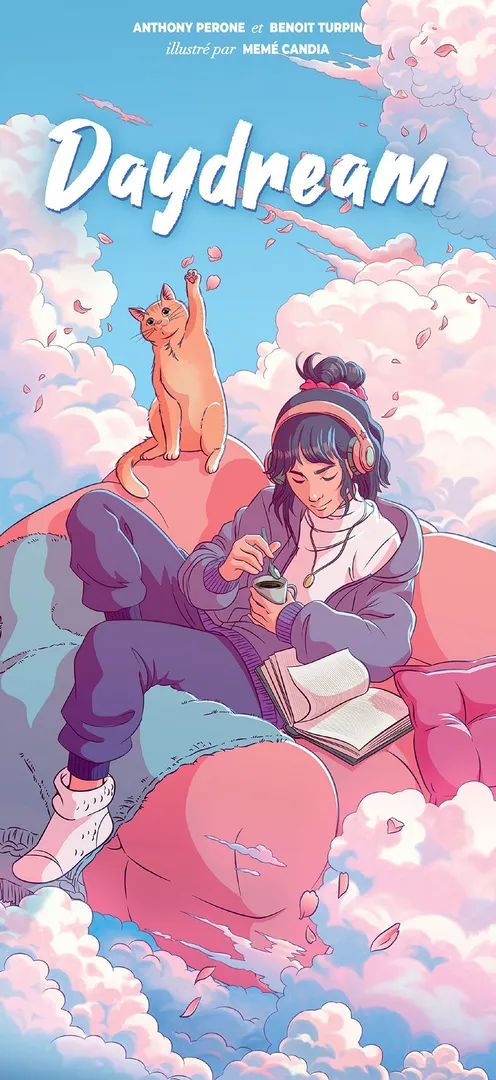
- BGG-Rang
- BGG #4.209
- BGG-Bewertung
- 7,4
Daydream
- 1–5 Spieler
- 15–30 Min.
- Komplexität 1,6/5
- 2025
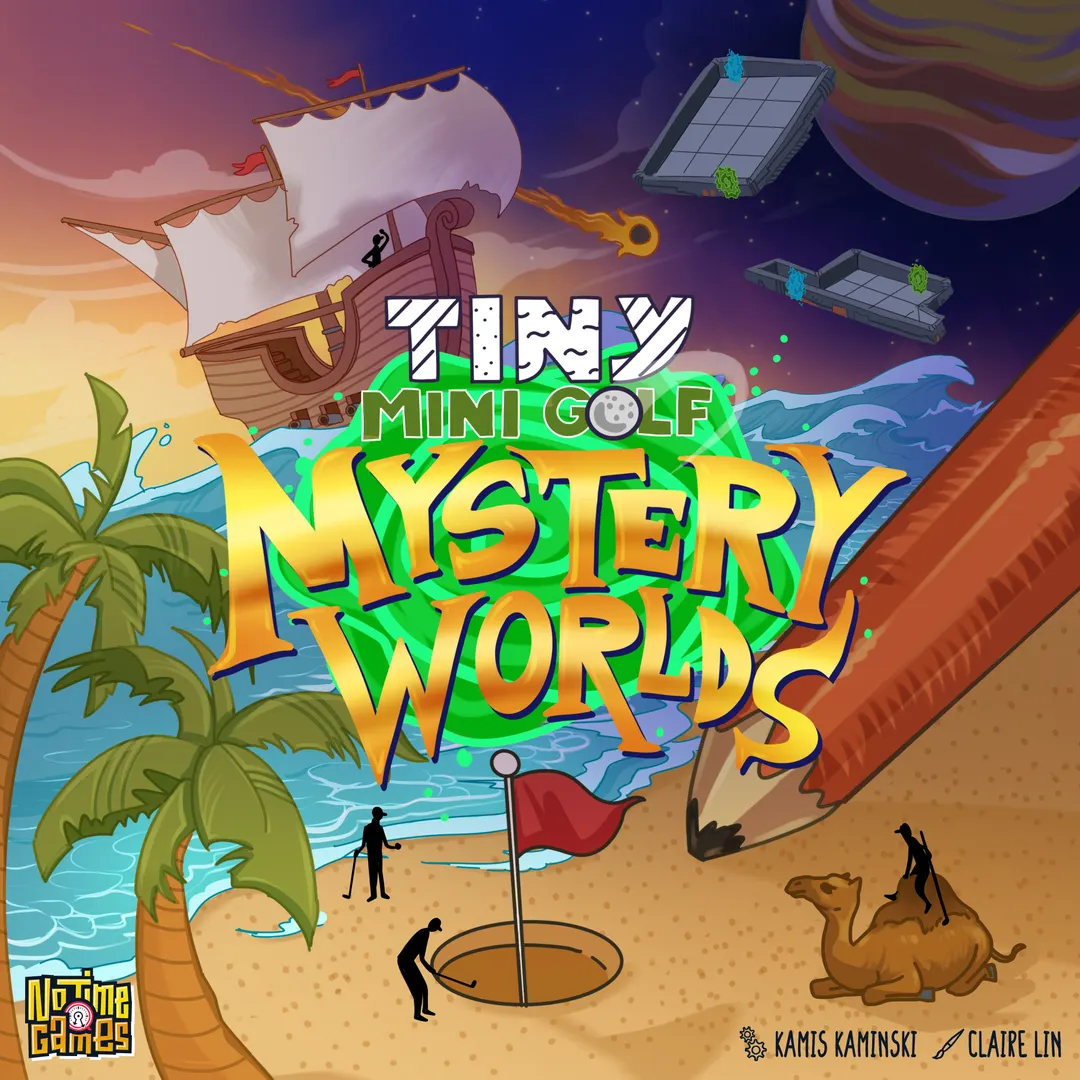
Regelhilfe für Tiny Mini Golf: Mystery Worlds
Verständliche Erklärungen zu Spielzügen, Karteneffekten und strittigen Situationen mit Verweisen auf offizielle Quellen und gespeichertem Fragenverlauf.
Was möchtest du wissen?
Antworten stammen aus dem offiziellen Regelheft, mit Seitenangabe zum Nachprüfen.
Tiny Mini Golf: Mystery Worlds ist eine Erweiterung für Tiny Mini Golf aus dem Jahr 2026 für 2–99 Personen, mit 20–40 Minuten pro Partie und ab 8 Jahren. Entwickelt wurde es von Kamis Kamiński; die wichtigsten Mechaniken sind Race, Push Your Luck und Dice Rolling.



Auf Englisch
Serenity Greens is no longer the only place to lose a golf ball. Tiny Mini Golf: Mystery Worlds adds three new map sheets to the base game, each built around a simple change to the familiar course geometry. Caravan Trails replaces the usual outer walls with desert sand, Buccaneer Splash spreads the course across two pirate ships connected by narrow planks, and Orbital Warps divides it between floating platforms linked by portals. The core Tiny Mini Golf rules stay the same: players design courses for one another and then try to complete them in as few shots as possible, with stronger shots bringing more risk. The new maps change the routes and decisions rather than adding a heavy new layer of rules — sand can swallow overambitious shots, planks reward straight lines, and portals make distant spaces suddenly adjacent. Mystery Worlds is slightly more advanced than Serenity Greens and is intended for players already familiar with the base game. The maps work with all multiplayer modes from Tiny Mini Golf and are designed to remain compatible with its other expansions. -description from designer
Laut Katalog unterstützt Tiny Mini Golf: Mystery Worlds 2–99 Personen. Diese Spanne entspricht der vom Verlag angegebenen Spielerzahl, das Spiel lässt sich also für jede Gruppengröße innerhalb dieser Spanne aufbauen. Aufbau, einzelne Regeln und Wertungsdetails können je nach Personenzahl trotzdem abweichen; prüfe daher die genaue Konfiguration in der Anleitung deiner Ausgabe.
Die angegebene Spieldauer für Tiny Mini Golf: Mystery Worlds beträgt 20–40 Minuten. Das ist die Schätzung des Verlags für eine vollständige Partie. Die tatsächliche Dauer hängt von der Gruppe, der Personenzahl und der Regelkenntnis ab: Erste Partien dauern meist länger, erfahrene Gruppen sind oft schneller fertig. Aufbau und Regelerklärung sind in dieser Schätzung nicht enthalten.
Im Katalog wird Tiny Mini Golf: Mystery Worlds ab 8 Jahren empfohlen. Das ist die Empfehlung des Verlags und berücksichtigt Leseanforderungen, Regelkomplexität und Kleinteile, nicht nur das Thema. Jüngere Kinder können oft mit Hilfe eines Erwachsenen mitspielen; beachte die Altersangabe deiner Ausgabe und die Brettspielerfahrung deiner Gruppe.
Tiny Mini Golf: Mystery Worlds gehört zu diesen Kategorien: Territory Building, Print & Play und Dice. Die wichtigsten Mechaniken sind Race, Push Your Luck und Dice Rolling. Kategorien beschreiben Thema und Setting eines Spiels, Mechaniken dagegen, was die Spielenden in ihrem Zug tatsächlich tun. Jede Mechanik führt zu einer Katalogseite mit ähnlichen Spielen, falls du etwas Vergleichbares suchst.
Als Autoren von Tiny Mini Golf: Mystery Worlds sind angegeben: Kamis Kamiński. Diese Angaben stammen aus den veröffentlichten Spieldaten und nennen die für das Spieldesign verantwortlichen Personen, nicht die Illustratoren oder Verlage. Die Autorenseiten auf MeepleRules sammeln weitere Titel derselben Autoren – praktisch, wenn dir ein Spiel gefällt und du ähnliche Spiele suchst.
Im Katalog ist Tiny Mini Golf: Mystery Worlds als Erweiterung zu Tiny Mini Golf aufgeführt. Erweiterungen ergänzen das Grundspiel um neues Material, neue Regeln oder Szenarien und sind meist nicht eigenständig spielbar; du brauchst also Tiny Mini Golf, um sie zu nutzen. Prüfe, ob deine Ausgabe von Tiny Mini Golf kompatibel ist, da manche Erweiterungen zwischen den Auflagen überarbeitet wurden.