
- BGG-Bewertung
- 7,0
Won by the Sword: Update Kit
- 2 Spieler
- 360 Min.
- Komplexität 2,5/5
- 2016
2014
Regelhilfe für Won by the Sword: Great Campaigns of the Thirty Years War, Vol. 1
Verständliche Erklärungen zu Spielzügen, Karteneffekten und strittigen Situationen mit Verweisen auf offizielle Quellen und gespeichertem Fragenverlauf.
Für 2 Personen
Was möchtest du wissen?
Antworten stammen aus dem offiziellen Regelheft, mit Seitenangabe zum Nachprüfen.
Won by the Sword: Great Campaigns of the Thirty Years War, Vol. 1 ist ein Brettspiel aus dem Jahr 2014 für 2 Personen, mit 360 Minuten pro Partie und ab 12 Jahren. Entwickelt wurde es von Ben Hull; die wichtigsten Mechaniken sind Dice Rolling, Point to Point Movement und Simulation.

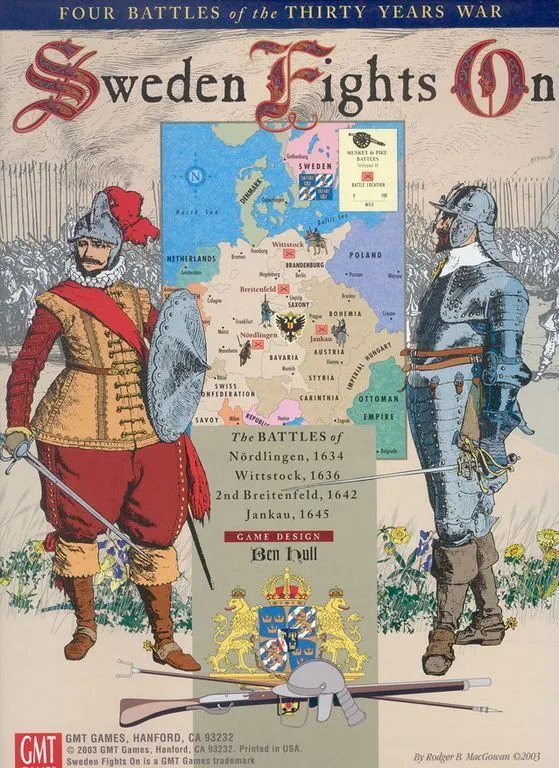

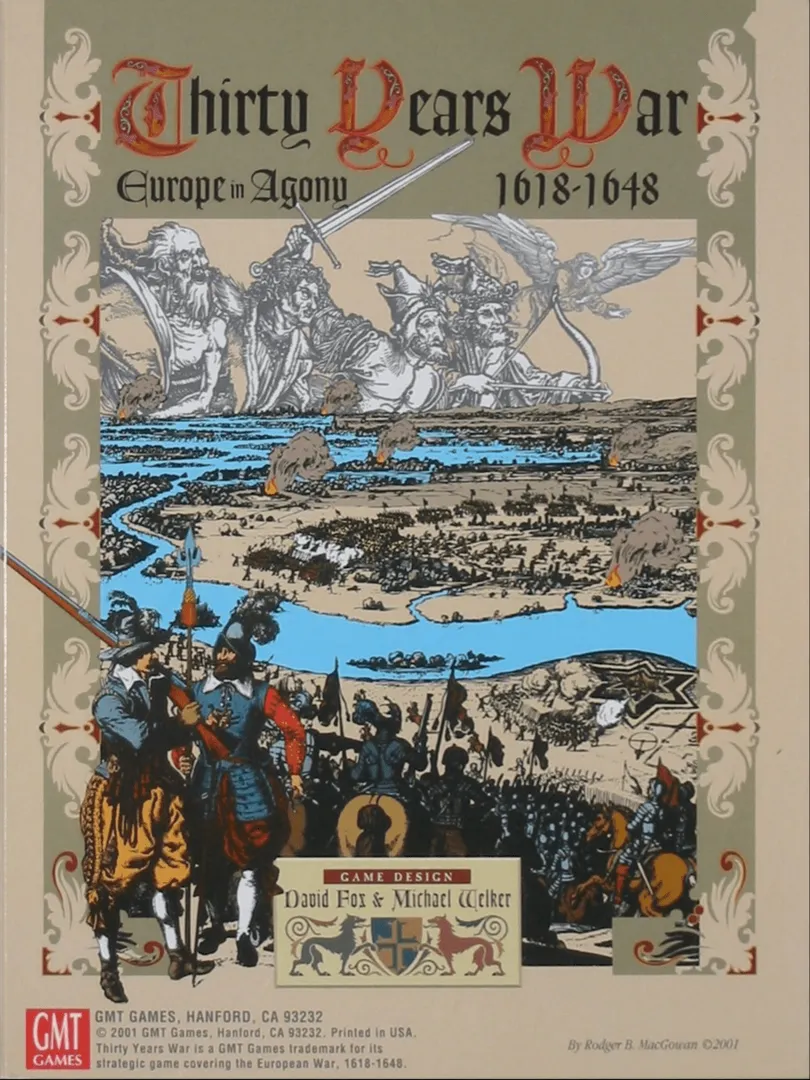
Auf Englisch
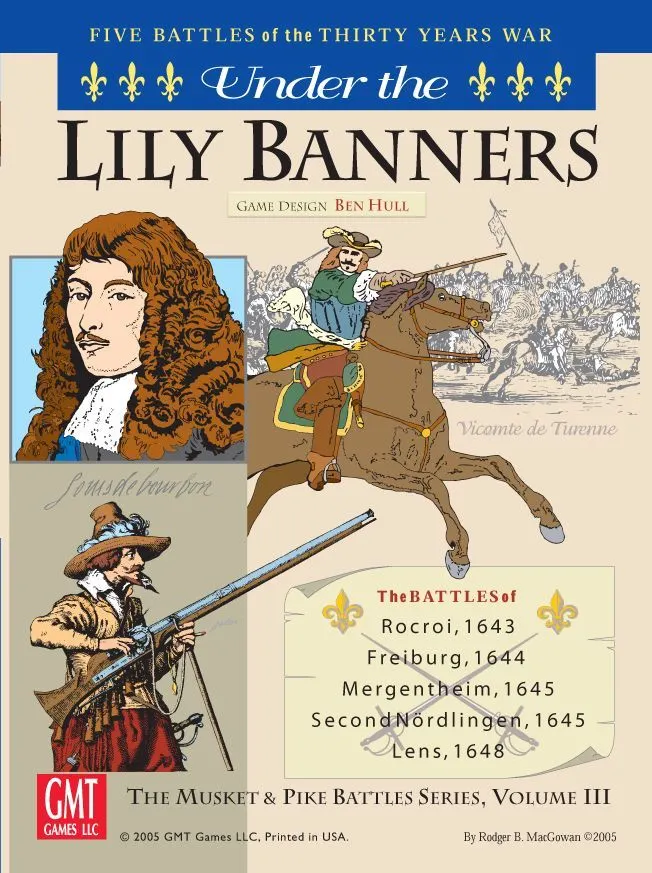
The war raged across Germany from 1618 to 1630 with the Habsburg, Holy Roman Emperor retaining the upperhand. Then the tide of war changed when King Gustav Adolf of Sweden, the "Lion of the North," revitalized the cause of the Protestant princes of Germany. Bankrolled by France, the Swedes pushed their advantage towards the Emperor's most valuable ally, Maximilian of Bavaria. Though Catholic, France sought to keep the power of the Habsburgs in check by financially supporting the Swedish King. From 1632 to 1648, Bavaria and the surrounding area became a crucial battlefront to knocking Bavaria out of the war. The Swedes enjoyed success until fate removed their King and their over-extended forces could not hold onto their gains. After the Swedes suffered a sharp defeat at Nördlingen in 1634, France was forced to play a more active role or lose all she had paid for. A series of seesaw campaigns ensued as the French Armée d'Allemagne secured crossings of the Rhine and pushed the war back into the heart of Bavaria. The area became the proving ground of the greatest generals of the age - Turenne, Condé, Mercy, de Werth. Neither side possessed a clear superiority of forces so it was a dangerous game of cat-and-mouse, march, counter-march, siege, and surprise attacks. After several years, a combined French-Swedish campaign finally broke the back of the Bavarians in 1646 and Maximilian made a separate peace. It did not last long; after a year he reluctantly rejoined the Imperial cause. Repeating the winning combination of 1646, the French-Swedish army ended Maximilian's enterprise at Zusmarshausen in 1648. Won by the Sword is the first game in Ben Hull's Great Campaigns of the Thirty Years War series. It is a two-player game of operational warfare in the 17th Century. Armies maneuver on a point to point map of Southern Germany based on the road network available at the time. Each game is centered around a major battle or full campaign season. A Turn is a month divided into a variable number of impulses. Each army has a hand of Campaign Cards that control the amount of activity it may perform, the supplies it must expend, and a special action. Each impulse features one card play per army. Forces are concealed off map so players are faced with limited knowledge of the enemy. The major activities are maneuver, foraging, besieging fortifications, and an occasional battle. Won by the Sword is a low-complexity game with emphasis on the players maneuvering their forces, but many decisions await. The low rules complexity allows each player, rather than being encumbered with rules, to focus on choices regarding how to manage his campaign.
Laut Katalog unterstützt Won by the Sword: Great Campaigns of the Thirty Years War, Vol. 1 2 Personen. Das ist die vom Verlag angegebene Spielerzahl, das Spiel ist also genau für diese Anzahl von Mitspielenden ausgelegt. Varianten für andere Gruppengrößen sind, sofern vorhanden, in der Anleitung deiner Ausgabe beschrieben; prüfe sie, bevor du eine andere Konfiguration aufbaust.
Die angegebene Spieldauer für Won by the Sword: Great Campaigns of the Thirty Years War, Vol. 1 beträgt 360 Minuten. Das ist die Schätzung des Verlags für eine vollständige Partie. Die tatsächliche Dauer hängt von der Gruppe, der Personenzahl und der Regelkenntnis ab: Erste Partien dauern meist länger, erfahrene Gruppen sind oft schneller fertig. Aufbau und Regelerklärung sind in dieser Schätzung nicht enthalten.
Im Katalog wird Won by the Sword: Great Campaigns of the Thirty Years War, Vol. 1 ab 12 Jahren empfohlen. Das ist die Empfehlung des Verlags und berücksichtigt Leseanforderungen, Regelkomplexität und Kleinteile, nicht nur das Thema. Jüngere Kinder können oft mit Hilfe eines Erwachsenen mitspielen; beachte die Altersangabe deiner Ausgabe und die Brettspielerfahrung deiner Gruppe.
Won by the Sword: Great Campaigns of the Thirty Years War, Vol. 1 hat bei BoardGameGeek eine Komplexitätswertung von 2,7 von 5 und gilt damit als eher leichtes Spiel. Die Wertung zeigt, wie viel Regelwissen, Planung und Entscheidungen eine typische Partie verlangt. Schwerere Spiele brauchen bei der ersten Erklärung mehr Zeit, daher hilft vor dem Spieleabend eine Vorbereitungsanleitung.
Won by the Sword: Great Campaigns of the Thirty Years War, Vol. 1 gehört zu diesen Kategorien: Wargame und Pike and Shot. Die wichtigsten Mechaniken sind Dice Rolling, Point to Point Movement und Simulation. Kategorien beschreiben Thema und Setting eines Spiels, Mechaniken dagegen, was die Spielenden in ihrem Zug tatsächlich tun. Jede Mechanik führt zu einer Katalogseite mit ähnlichen Spielen, falls du etwas Vergleichbares suchst.
Als Autoren von Won by the Sword: Great Campaigns of the Thirty Years War, Vol. 1 sind angegeben: Ben Hull. Diese Angaben stammen aus den veröffentlichten Spieldaten und nennen die für das Spieldesign verantwortlichen Personen, nicht die Illustratoren oder Verlage. Die Autorenseiten auf MeepleRules sammeln weitere Titel derselben Autoren – praktisch, wenn dir ein Spiel gefällt und du ähnliche Spiele suchst.
Im Katalog ist Won by the Sword: Great Campaigns of the Thirty Years War, Vol. 1 als Grundspiel aufgeführt. Es lässt sich eigenständig mit dem Material aus der Schachtel spielen und benötigt keinen weiteren Titel. Erweiterungen, sofern es welche gibt, ergänzen neues Material oder neue Regeln und sind im Katalog separat mit einem Verweis auf dieses Grundspiel aufgeführt.