
- Puesto en BGG
- BGG #10.958
- Puntuación BGG
- 6,4
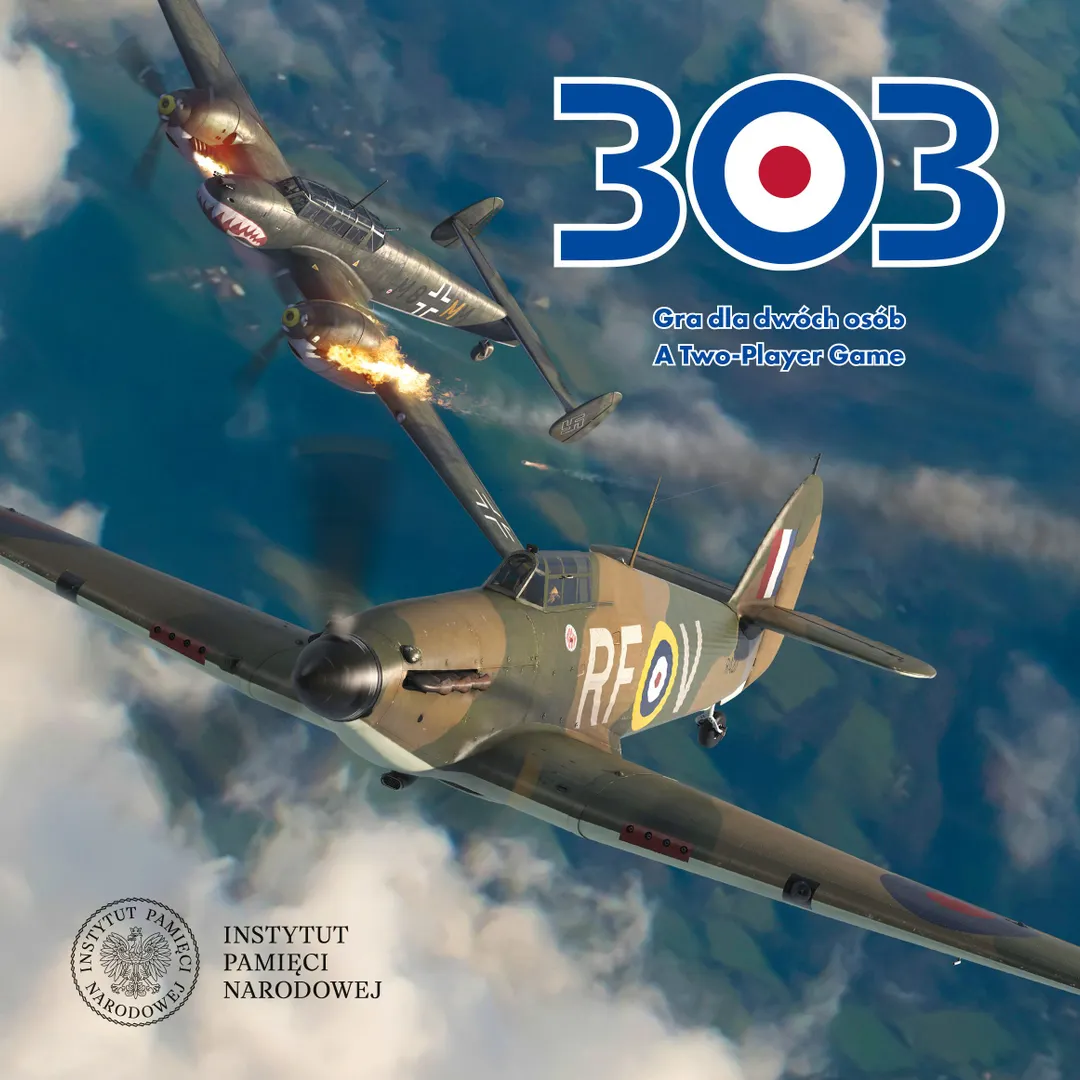
303
- 2 jugadores
- 15 min
- Complejidad 1,5/5
- 2010
2013
Ayuda con las reglas de 111: Alarm dla Warszawy
Explicaciones claras de turnos, efectos de cartas y situaciones dudosas, con referencias a fuentes oficiales e historial de preguntas guardado.
Para 2 jugadores
¿Qué quieres saber?
Las respuestas salen del reglamento oficial, con la página para comprobarlo.
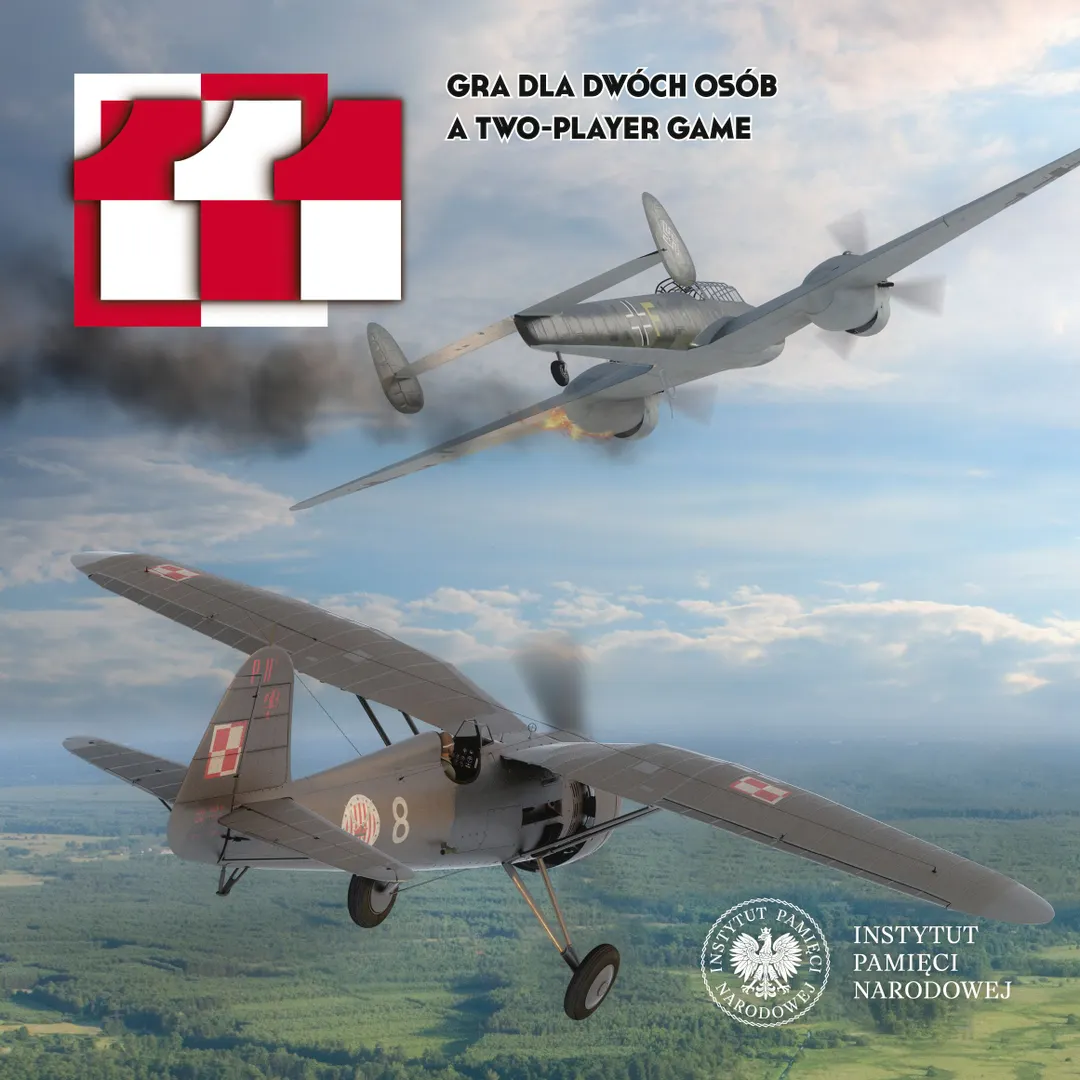
111: Alarm dla Warszawy es un juego de mesa publicado en 2013 para 2 jugadores, con partidas de 30 minutos y a partir de 10 años. Fue diseñado por Karol Madaj y Tomasz Ginter y sus mecánicas principales son Dice Rolling, Grid Movement y Hexagon Grid.
%2Fpic622074.jpg@webp)

En inglés
“111” is a simple war game for two based on the mechanics used in the “303” board game. One of the players is the commander of the Pursuit Brigade - Polish fighter group defending Warsaw on September 1st., 1939, the very first day of World War II, while the other commands the attacking German Luftwaffe. Polish player has access to four P.11 fighters, outdated and slow but highly manoeuvrable. German player uses two powerful Heinkel He-111 bombers and three fast and well-armed Messerschmitt BF-110 fighter. They conduct aerial duels by using special dice. The mission of the Third Reich’s air force is to bomb Capital City. Polish Air Force mission is to shoot down the bombers using the advantage of clouds, hidden airfields and anti-aircraft artillery. The name of the game “111” evokes one of the escadrilles, which pilots, after Poland’s defeat in 1939, formed the personnel of the famous 303 Fighter Squadron in 1940 during the Battle of Britain. This makes the “111” the prequel of “303”, showing the crucial differences between aerial war over Poland in 1939 and Britain in 1940.
Según el catálogo, 111: Alarm dla Warszawy admite 2 jugadores. Es el número de jugadores indicado por la editorial, así que el juego está diseñado exactamente para esa cantidad de participantes. Las variantes para otros tamaños de grupo, si existen, se describen en el reglamento de tu edición; consúltalo antes de preparar otra configuración.
La duración indicada para 111: Alarm dla Warszawy es de 30 minutos, la estimación de la editorial para una partida completa. El tiempo real depende del grupo, del número de jugadores y del conocimiento de las reglas: las primeras partidas suelen alargarse y los grupos con experiencia terminan antes. La preparación y la explicación de las reglas no están incluidas.
El catálogo indica 111: Alarm dla Warszawy a partir de 10 años. Es la recomendación de la editorial y refleja la lectura necesaria, la complejidad de las reglas y las piezas pequeñas, no solo el tema. Los más pequeños a menudo pueden jugar con ayuda de un adulto: comprueba la edad recomendada en tu edición y la experiencia de tu grupo.
111: Alarm dla Warszawy tiene una puntuación de complejidad de 1,7 sobre 5 según los jugadores de BoardGameGeek, lo que lo convierte en un juego ligero. La puntuación refleja cuánto conocimiento de reglas, planificación y toma de decisiones exige una partida típica. Los juegos exigentes requieren una explicación inicial más larga, así que conviene usar una guía de preparación.
111: Alarm dla Warszawy pertenece a estas categorías: Wargame, World War II y Aviation / Flight. Sus mecánicas principales son Dice Rolling, Grid Movement y Hexagon Grid. Las categorías describen el tema y la ambientación de un juego, mientras que las mecánicas describen lo que los jugadores hacen realmente en su turno. Cada mecánica lleva a una página del catálogo con juegos similares.
Los autores acreditados de 111: Alarm dla Warszawy son: Karol Madaj y Tomasz Ginter. Estos créditos proceden de los datos publicados del juego y nombran a las personas responsables de su diseño, no a ilustradores ni editoriales. Las páginas de autor de MeepleRules reúnen otros títulos de los mismos autores, algo útil cuando un juego te gusta y buscas otros parecidos.
El catálogo clasifica 111: Alarm dla Warszawy como juego base. Se juega por sí solo con los componentes de la caja y no requiere ningún otro título. Las expansiones, si existen, añaden contenido o reglas nuevas y aparecen por separado en el catálogo con un enlace a este juego base.