
- Puesto en BGG
- BGG #6231
- Puntuación BGG
- 6,5
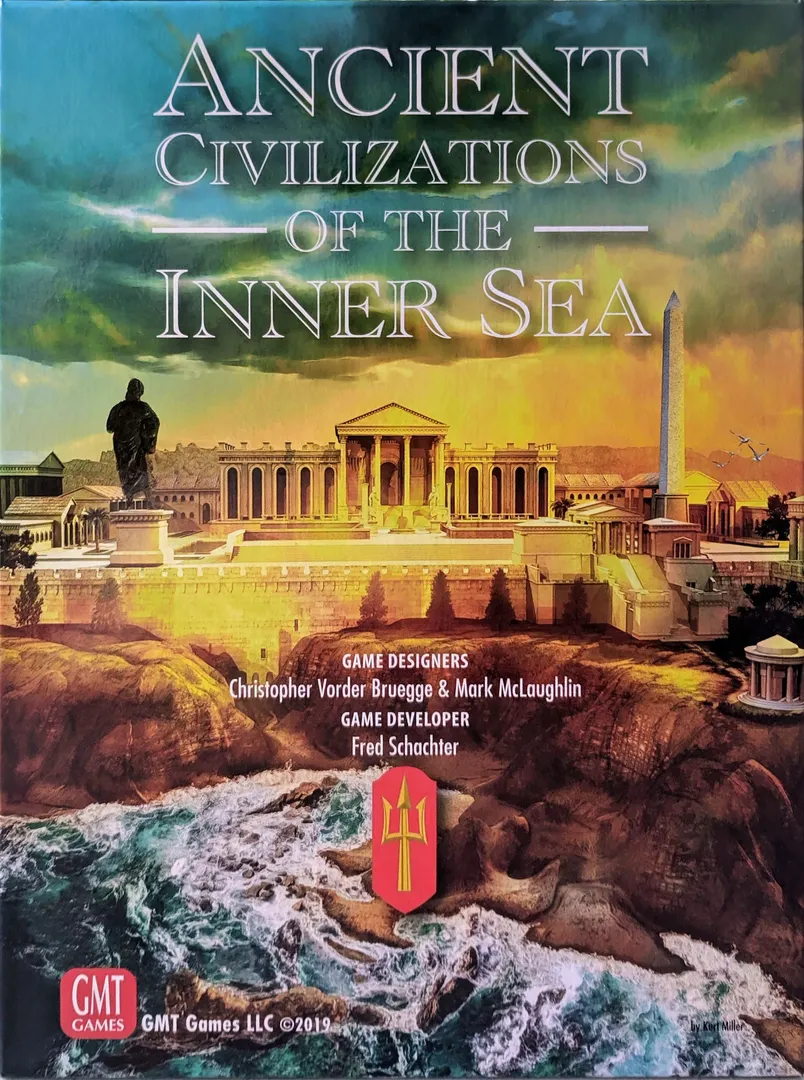
Ancient Civilizations of the Inner Sea
- 1–6 jugadores
- 120–300 min
- Complejidad 2,5/5
- 2019
2023
Ayuda con las reglas de Ancient Civilizations of the Middle East
Explicaciones claras de turnos, efectos de cartas y situaciones dudosas, con referencias a fuentes oficiales e historial de preguntas guardado.
Para 1 jugador
¿Qué quieres saber?
Las respuestas salen del reglamento oficial, con la página para comprobarlo.
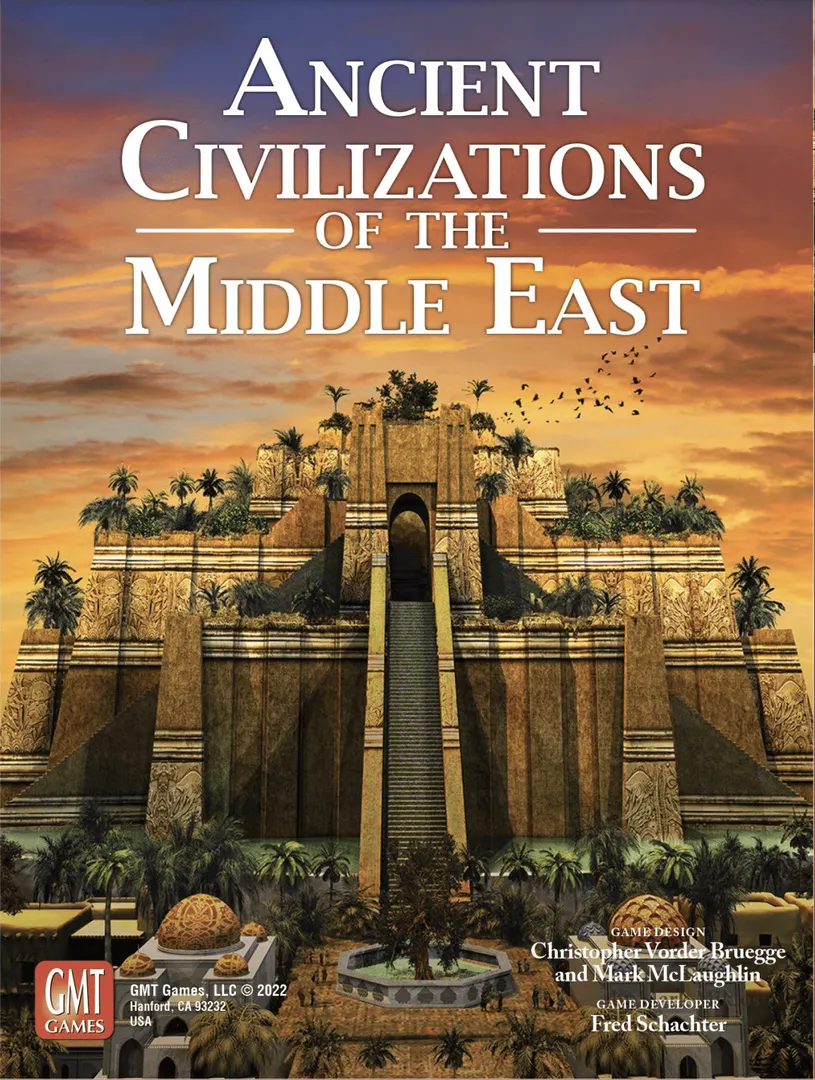
Ancient Civilizations of the Middle East es un juego de mesa publicado en 2023 para 1–6 jugadores y con partidas de 120 a 420 minutos. Fue diseñado por Mark McLaughlin y Chris Vorder Bruegge y sus mecánicas principales son Take That y Area Movement.



En inglés
If you liked Ancient Civilizations of the Inner Sea, you are going to love Ancient Civilizations of the Middle East! Ancient Civilizations of the Middle East (ACME) is brought to you by the same team that created Ancient Civilizations of the Inner Sea —designers Christopher Vorder Bruegge and Mark McLaughlin with developer Fred Schachter. ACME is not a sequel nor an expansion but a stand alone game using the same multiplayer and solitaire systems as its predecessor with many new and exciting features to intrigue its players. ACME is a game of the chaos-inducing wrath of gods & men—a chaos each player does their utmost to manage, survive, and guide their civilization through to triumphant victory. Spanning the ancient world from the Hellespont to the Indus, from the Caspian to the Red Sea, and from the early Bronze Age to the Hellenic Age, Ancient Civilizations of the Middle East allows you to command not just 10 but 17, SEVENTEEN CIVILIZATIONS! If you want a War Game, you got it. If you want a friendly game, this is it too! As in Ancient Civilizations of the Inner Sea, Ancient Civilizations of the Middle East can be all about war, but it doesn't have to be. It can be a friendly game of exploration, city building, trade, and faith. Players (solitaire, a group of up to six, or even a mix of live players with a system-driven civilization of two or more) can make of ACME what they wish or imagine. Competition can be martial or cultural, warlike or friendly, or a combination of both—how the game unfolds depends entirely on how the players want it to play. The duration of the game is also up to the players: from a multi-hour odyssey of all four Epochs to a pre-arranged shorter contest of an hour or two or to an agreed Sudden Death Victory Point threshold. —description from the publisher
Según el catálogo, Ancient Civilizations of the Middle East admite de 1 a 6 jugadores. Este intervalo corresponde al número de jugadores indicado por la editorial, así que el juego puede prepararse para cualquier grupo dentro de ese margen. La preparación, algunas reglas y la puntuación pueden variar según el número de jugadores; consulta la configuración exacta en el reglamento de tu edición.
La duración indicada para Ancient Civilizations of the Middle East es de 120 a 420 minutos, la estimación de la editorial para una partida completa. El tiempo real depende del grupo, del número de jugadores y del conocimiento de las reglas: las primeras partidas suelen alargarse y los grupos con experiencia terminan antes. La preparación y la explicación de las reglas no están incluidas.
Ancient Civilizations of the Middle East tiene una puntuación de complejidad de 2,6 sobre 5 según los jugadores de BoardGameGeek, lo que lo convierte en un juego algo ligero. La puntuación refleja cuánto conocimiento de reglas, planificación y toma de decisiones exige una partida típica. Los juegos exigentes requieren una explicación inicial más larga, así que conviene usar una guía de preparación.
Ancient Civilizations of the Middle East pertenece a estas categorías: Wargame, Ancient y Civilization. Sus mecánicas principales son Take That y Area Movement. Las categorías describen el tema y la ambientación de un juego, mientras que las mecánicas describen lo que los jugadores hacen realmente en su turno. Cada mecánica lleva a una página del catálogo con juegos similares.
Los autores acreditados de Ancient Civilizations of the Middle East son: Mark McLaughlin y Chris Vorder Bruegge. Estos créditos proceden de los datos publicados del juego y nombran a las personas responsables de su diseño, no a ilustradores ni editoriales. Las páginas de autor de MeepleRules reúnen otros títulos de los mismos autores, algo útil cuando un juego te gusta y buscas otros parecidos.
El catálogo clasifica Ancient Civilizations of the Middle East como juego base. Se juega por sí solo con los componentes de la caja y no requiere ningún otro título. Las expansiones, si existen, añaden contenido o reglas nuevas y aparecen por separado en el catálogo con un enlace a este juego base.