- Puntuación BGG
- 6,9
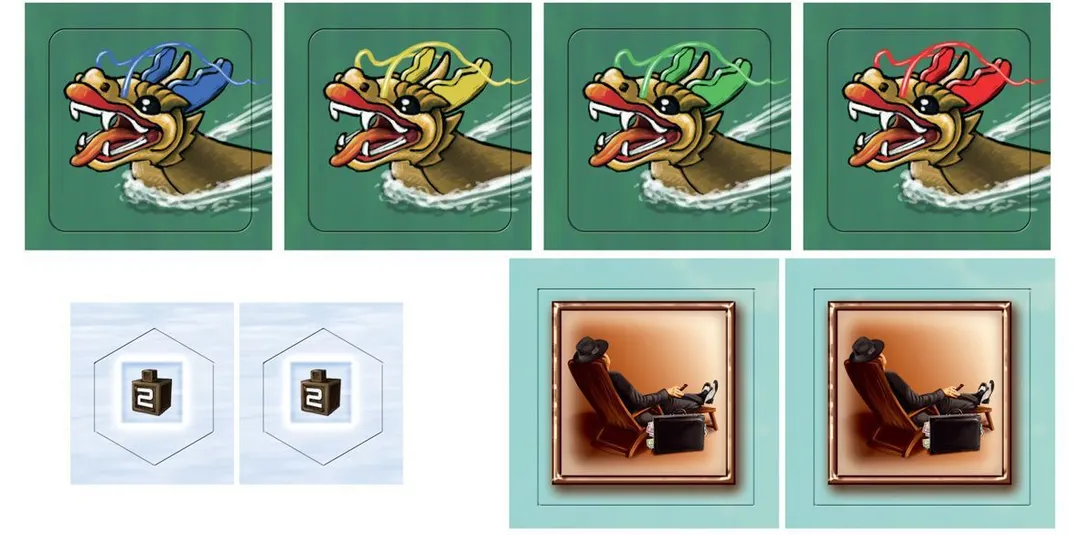
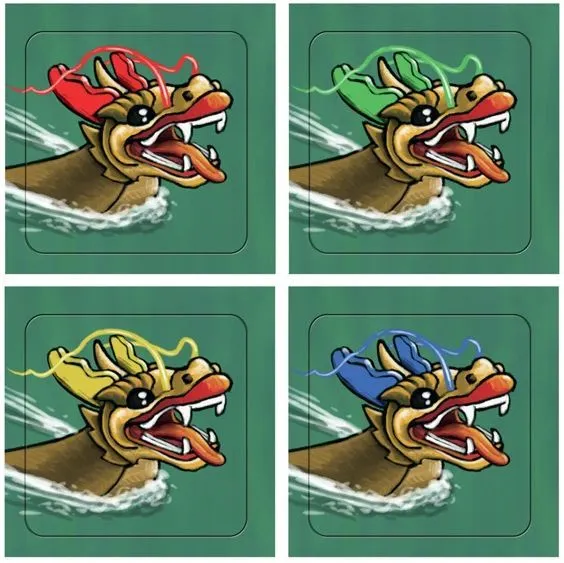
Bangkok Klongs: Dragon Boat expansion
- 2–4 jugadores
- 60 min
- Complejidad 2,0/5
- 2011
2010
Ayuda con las reglas de Bangkok Klongs
Explicaciones claras de turnos, efectos de cartas y situaciones dudosas, con referencias a fuentes oficiales e historial de preguntas guardado.
Para 2 jugadores
¿Qué quieres saber?
Las respuestas salen del reglamento oficial, con la página para comprobarlo.
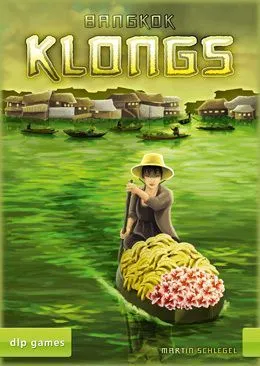
Bangkok Klongs es un juego de mesa publicado en 2010 para 2–4 jugadores, con partidas de 60 minutos y a partir de 10 años. Fue diseñado por Martin Schlegel y sus mecánicas principales son Set Collection y Tile Placement.




En inglés
From the rulebook Small boats, close-packed, charged with colourful fruits, rice or fish, paltering marketers – A hustle and bustle happens on the Klongs (canals) of Bangkok when the Thai merchants arrive with their boats on the floating markets. "Where are the best embarkation points for the boats?" The players take turns to bring their boats to the floating markets. They tow them into the best position as this is decisive for the success or disappointment of the market day. Only those embarkation points are profitable where enough boats are huddled around, the rest goes away empty-handed. But not only the market days are decisive for the merchants’ success, the final scoring of the stock will be important as well. The player who settled his main focus only on some goods will come off especially well, the collection of all sorts of goods is not preferable for the final score. Players place boats on the board, trying to take the best places. When a scoring round occurs filled up squares can be scored. After scoring players have to remove a boat which they can take in stock. The stock will be scored at the end of the game.
Según el catálogo, Bangkok Klongs admite de 2 a 4 jugadores. Este intervalo corresponde al número de jugadores indicado por la editorial, así que el juego puede prepararse para cualquier grupo dentro de ese margen. La preparación, algunas reglas y la puntuación pueden variar según el número de jugadores; consulta la configuración exacta en el reglamento de tu edición.
La duración indicada para Bangkok Klongs es de 60 minutos, la estimación de la editorial para una partida completa. El tiempo real depende del grupo, del número de jugadores y del conocimiento de las reglas: las primeras partidas suelen alargarse y los grupos con experiencia terminan antes. La preparación y la explicación de las reglas no están incluidas.
El catálogo indica Bangkok Klongs a partir de 10 años. Es la recomendación de la editorial y refleja la lectura necesaria, la complejidad de las reglas y las piezas pequeñas, no solo el tema. Los más pequeños a menudo pueden jugar con ayuda de un adulto: comprueba la edad recomendada en tu edición y la experiencia de tu grupo.
Bangkok Klongs tiene una puntuación de complejidad de 2,3 sobre 5 según los jugadores de BoardGameGeek, lo que lo convierte en un juego algo ligero. La puntuación refleja cuánto conocimiento de reglas, planificación y toma de decisiones exige una partida típica. Los juegos exigentes requieren una explicación inicial más larga, así que conviene usar una guía de preparación.
Bangkok Klongs pertenece a estas categorías: Economic. Sus mecánicas principales son Set Collection y Tile Placement. Las categorías describen el tema y la ambientación de un juego, mientras que las mecánicas describen lo que los jugadores hacen realmente en su turno. Cada mecánica lleva a una página del catálogo con juegos similares.
Los autores acreditados de Bangkok Klongs son: Martin Schlegel. Estos créditos proceden de los datos publicados del juego y nombran a las personas responsables de su diseño, no a ilustradores ni editoriales. Las páginas de autor de MeepleRules reúnen otros títulos de los mismos autores, algo útil cuando un juego te gusta y buscas otros parecidos.
El catálogo clasifica Bangkok Klongs como juego base. Se juega por sí solo con los componentes de la caja y no requiere ningún otro título. Las expansiones, si existen, añaden contenido o reglas nuevas y aparecen por separado en el catálogo con un enlace a este juego base.