
- Puntuación BGG
- 7,4
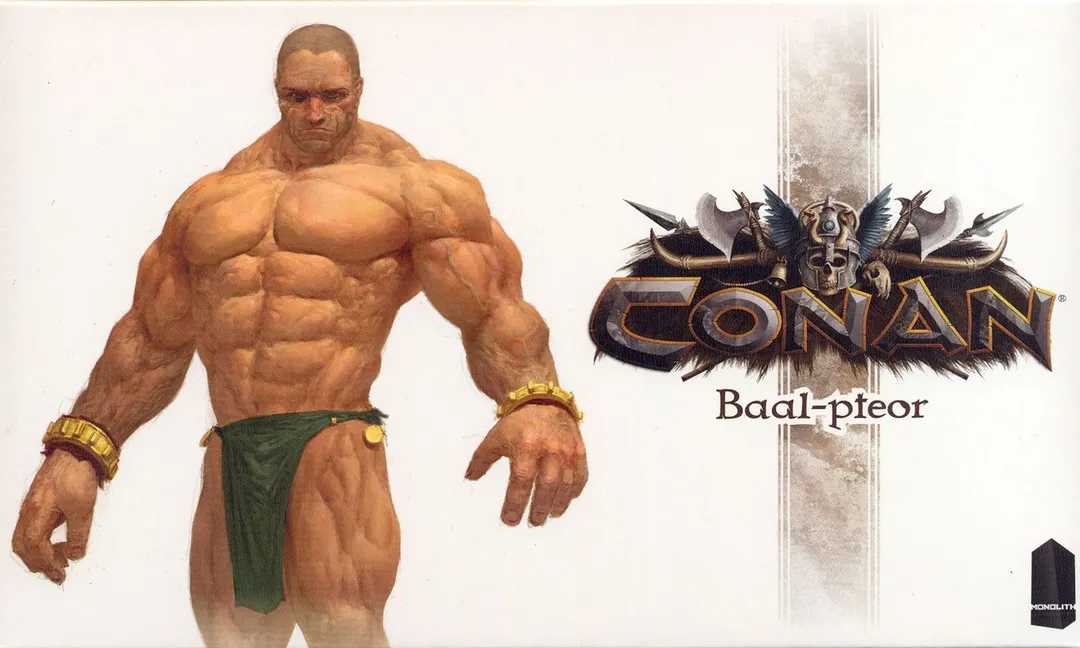
Conan: Baal-pteor
- 2–5 jugadores
- 60 min
- 2016

2016
Ayuda con las reglas de Conan
Explicaciones claras de turnos, efectos de cartas y situaciones dudosas, con referencias a fuentes oficiales e historial de preguntas guardado.
Para 2 jugadores
¿Qué quieres saber?
Las respuestas salen del reglamento oficial, con la página para comprobarlo.
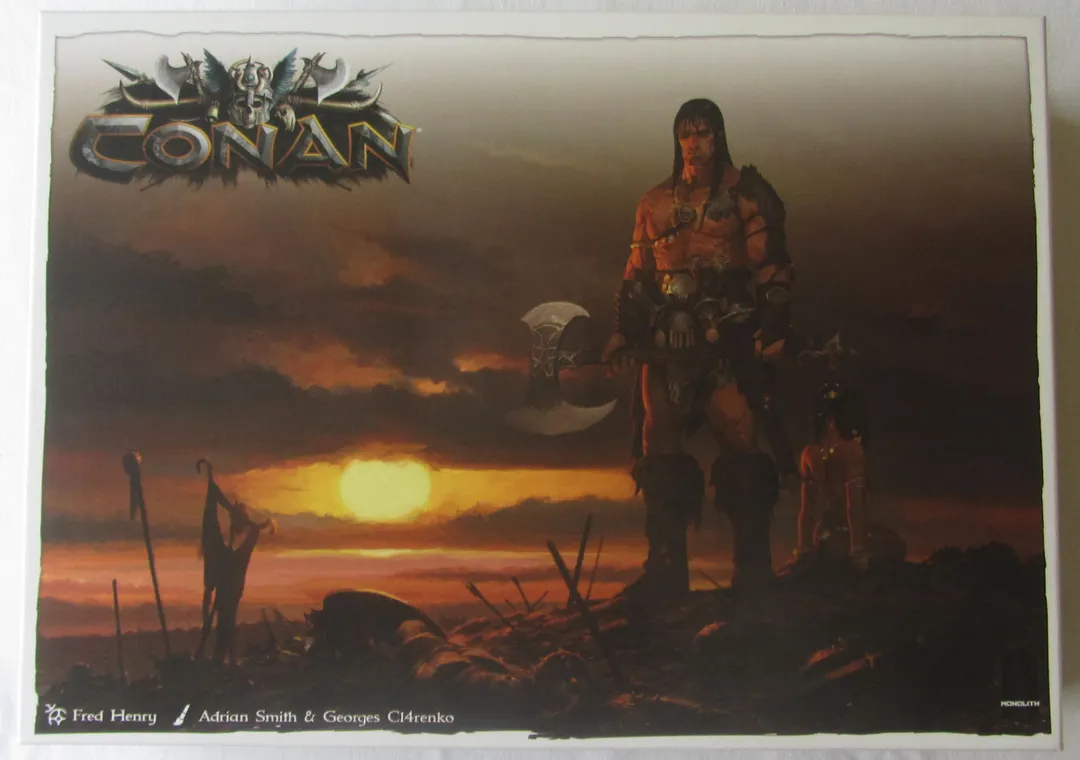
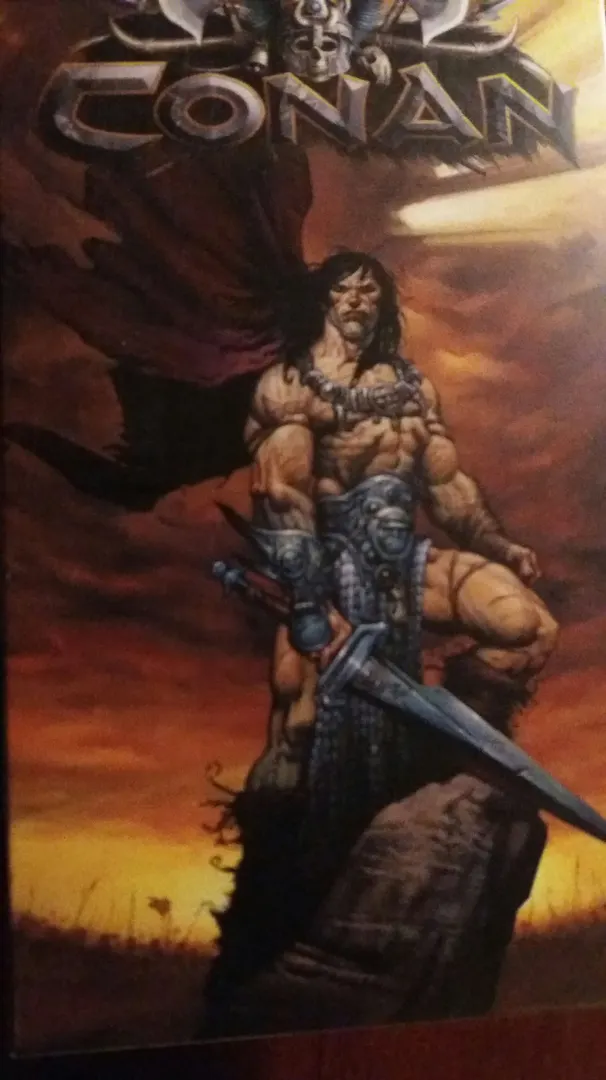
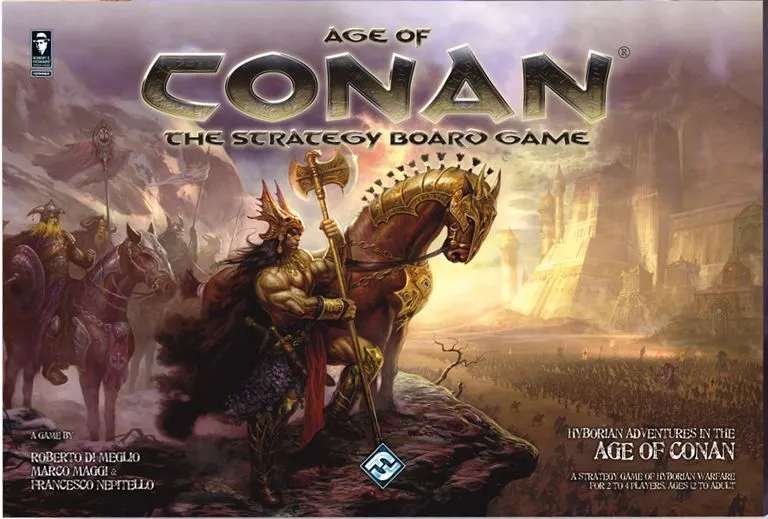
Conan es un juego de mesa publicado en 2016 para 2–5 jugadores, con partidas de 90 minutos y a partir de 14 años. Fue diseñado por Antoine Bauza, Frédéric Henry, Bruno Cathala, Ludovic Maublanc, Laurent Pouchain, Pascal Bernard y Croc y sus mecánicas principales son Variable Player Powers, Player Elimination y Area Movement.
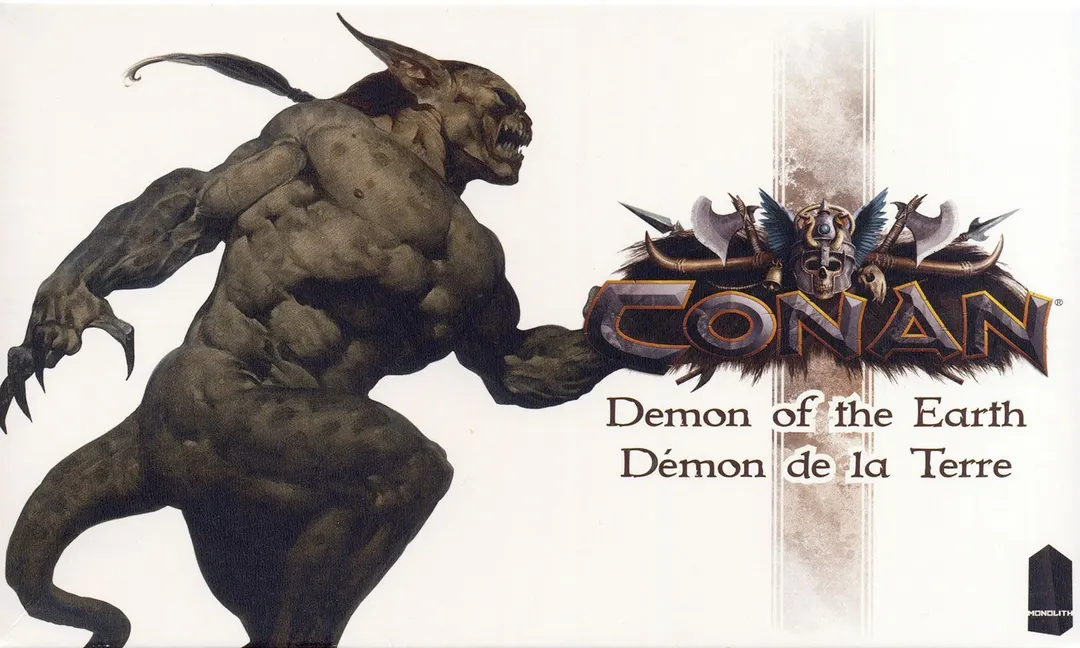
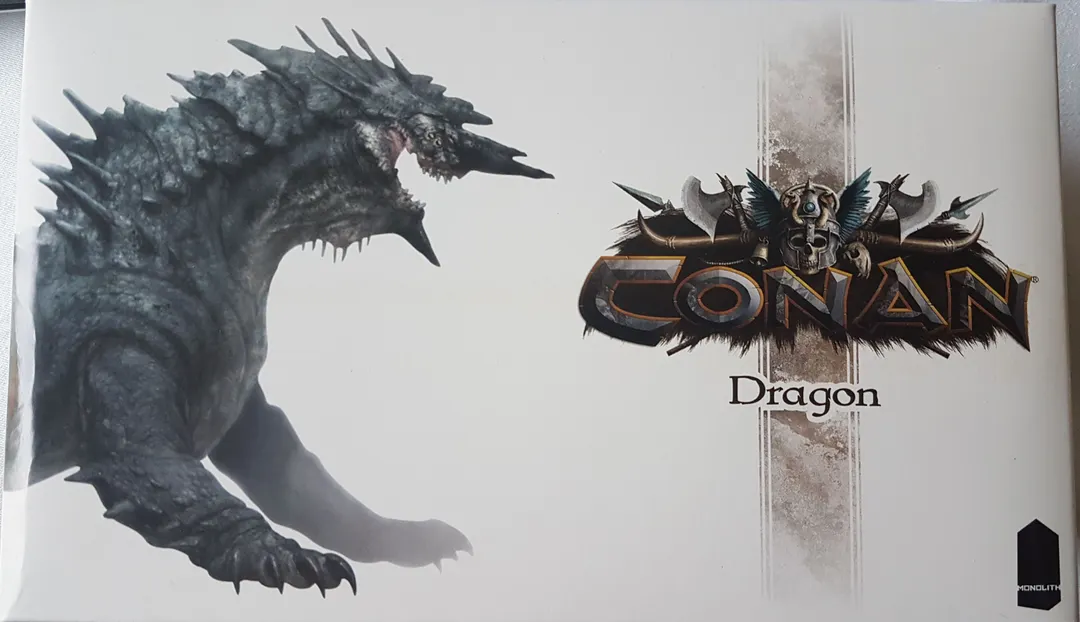
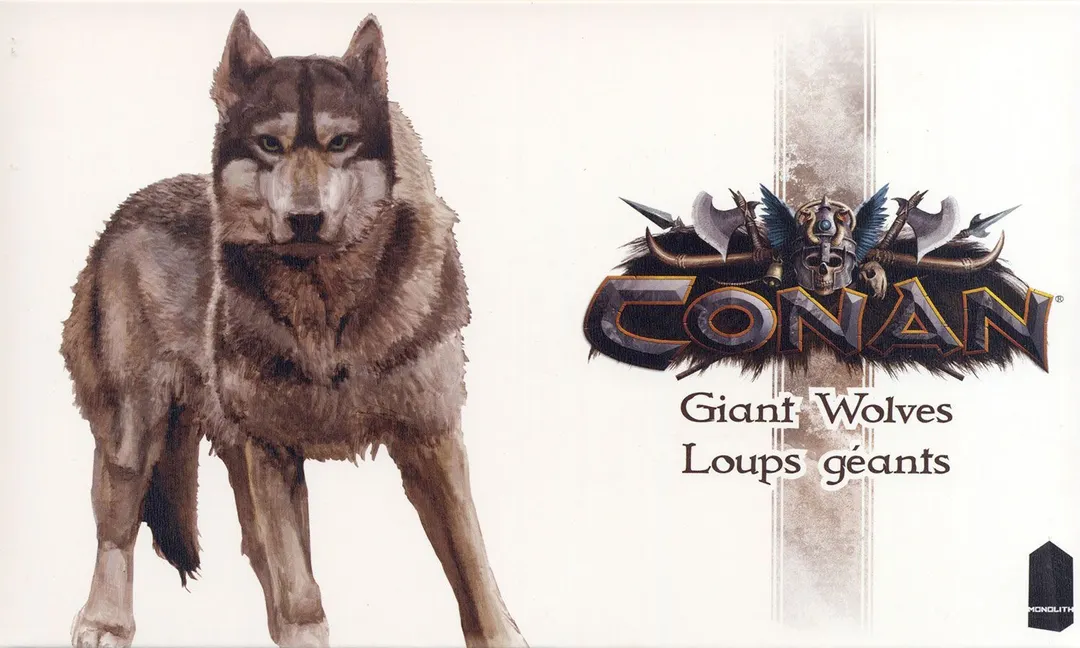
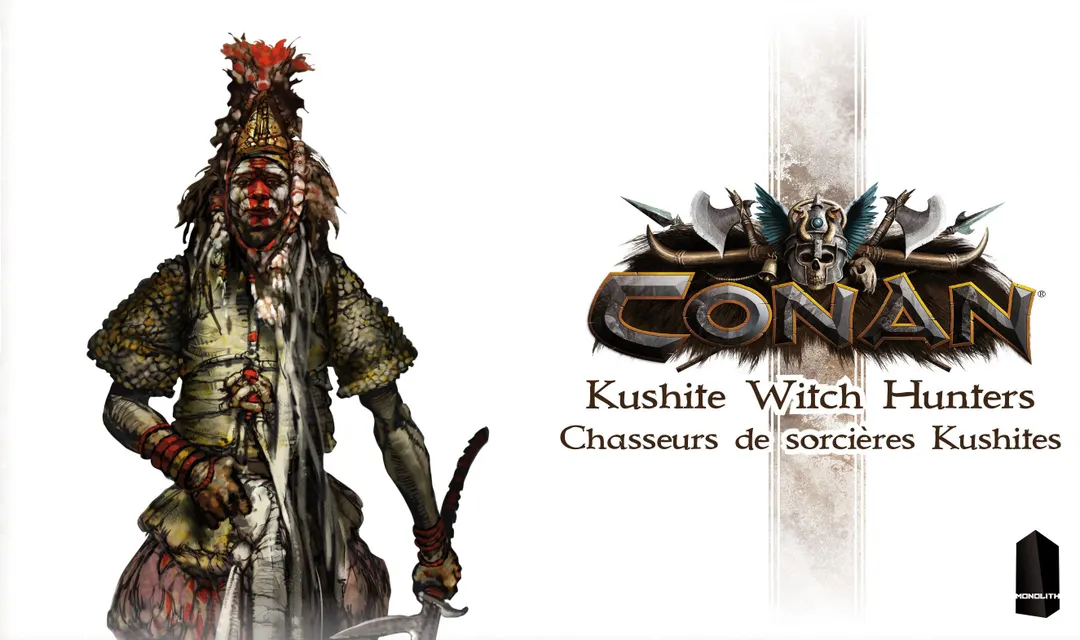
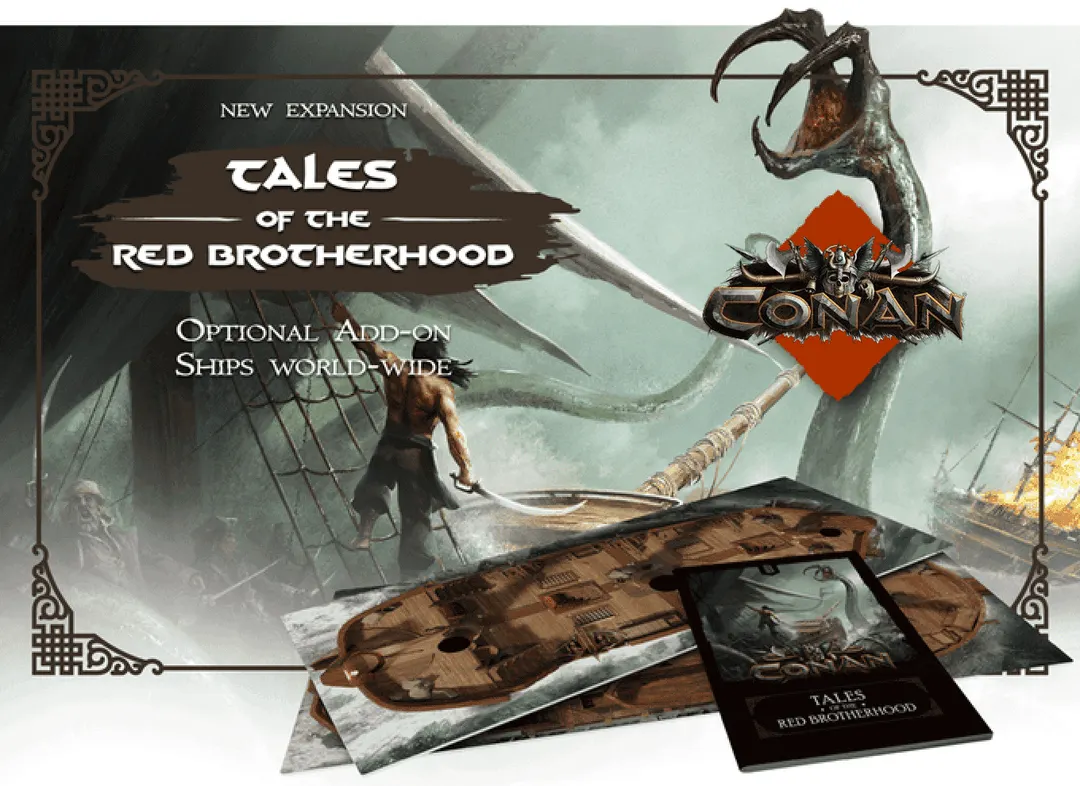
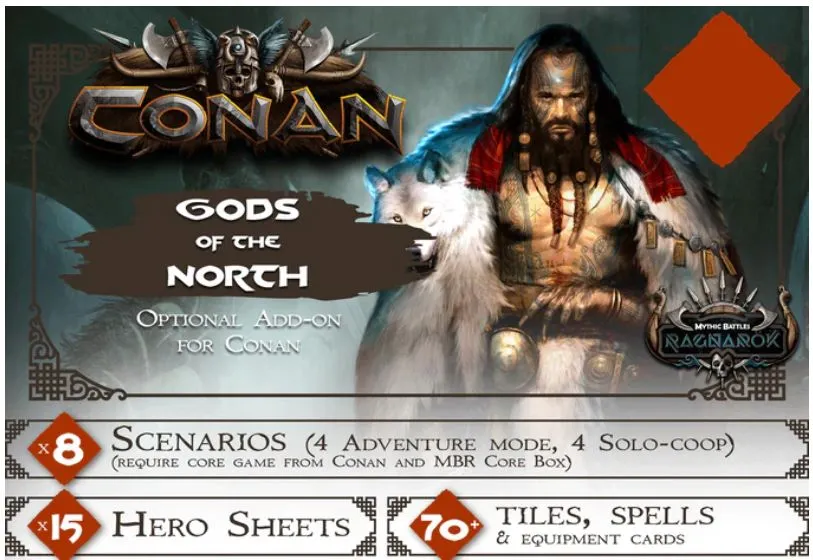
En inglés
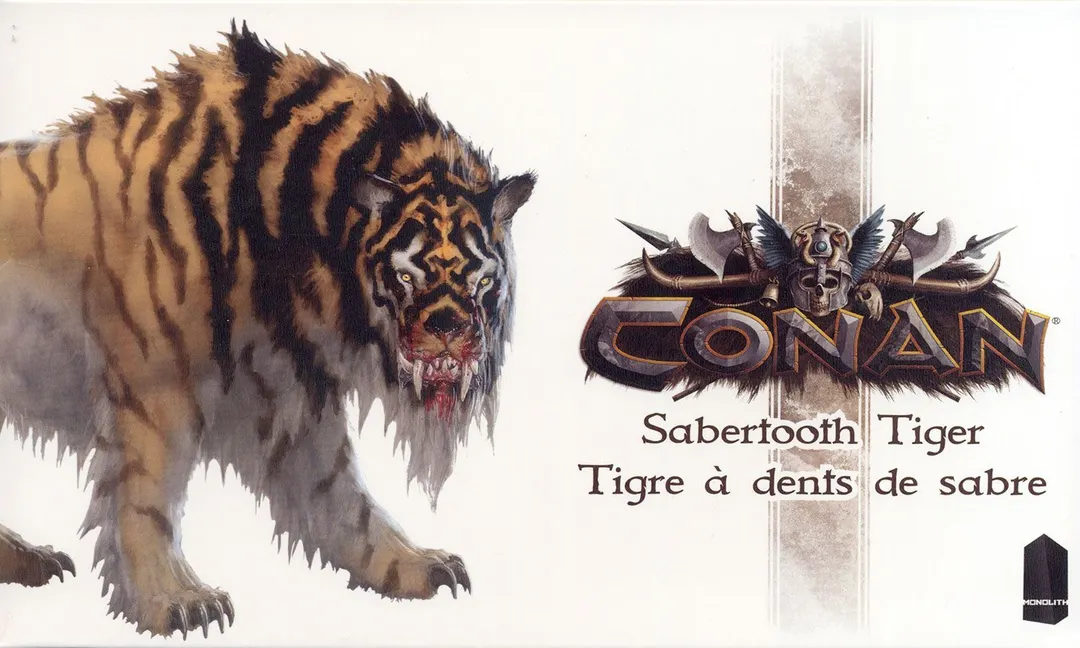
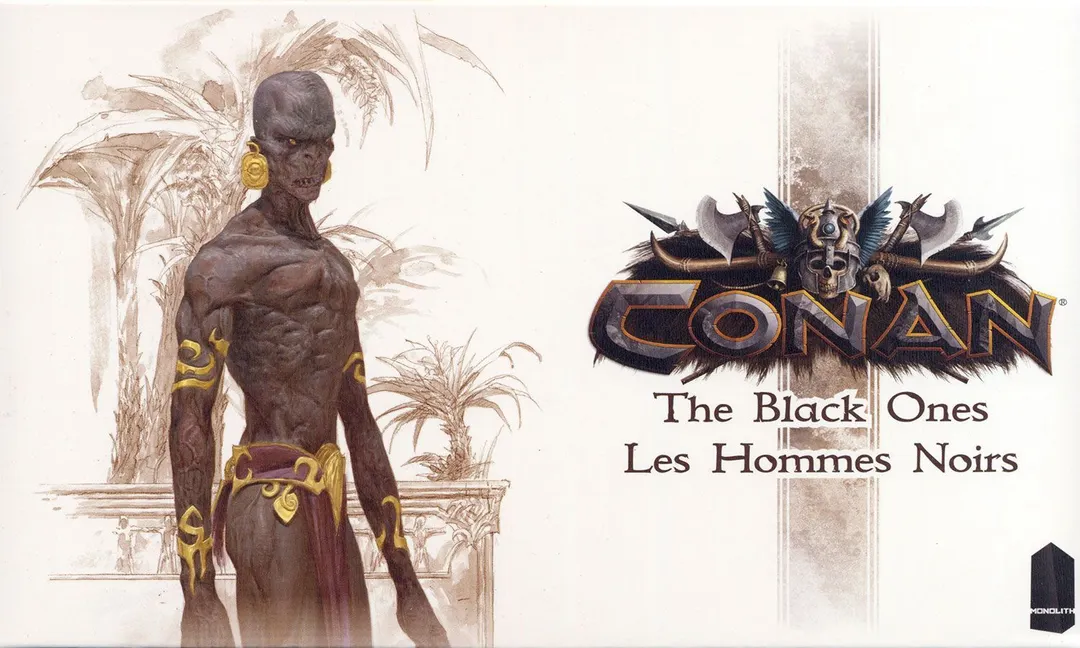
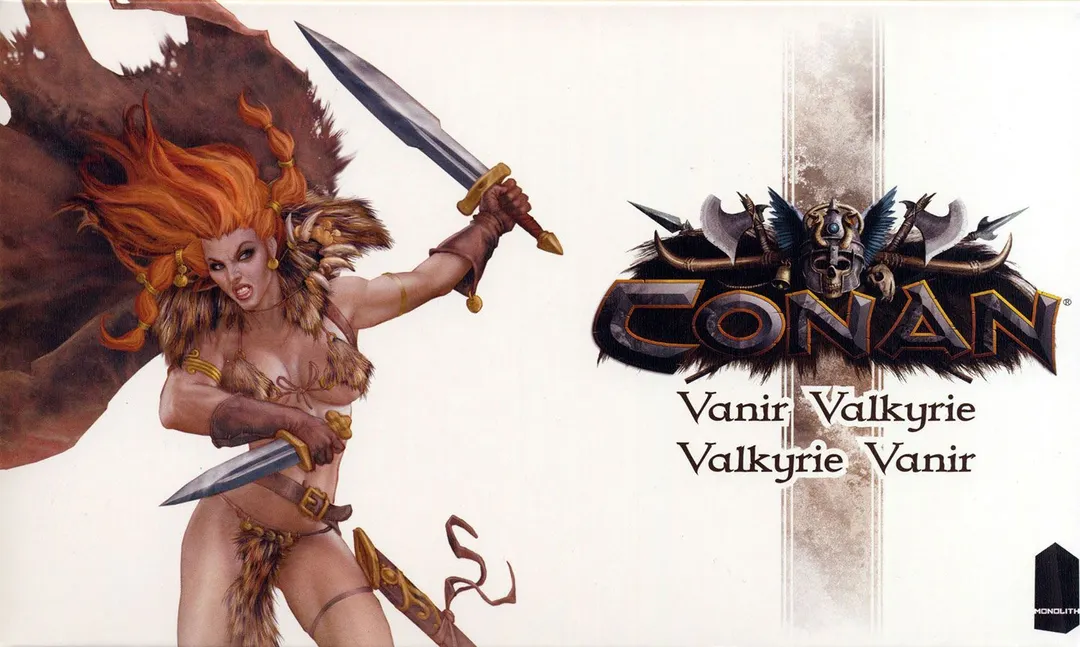
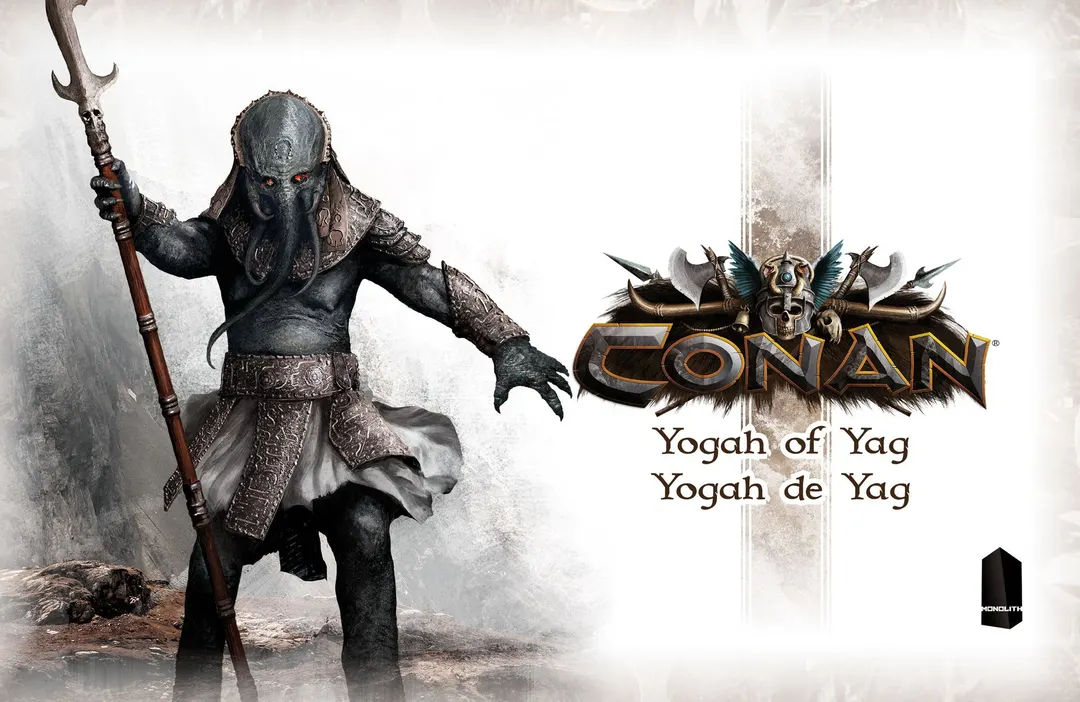
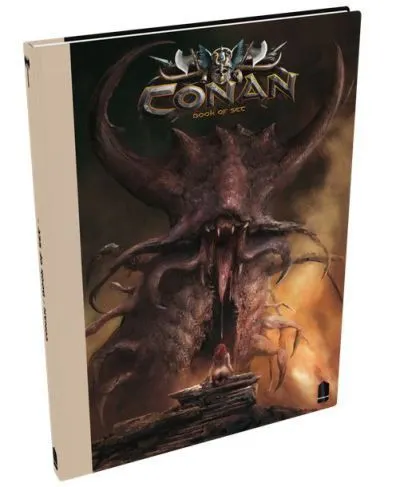
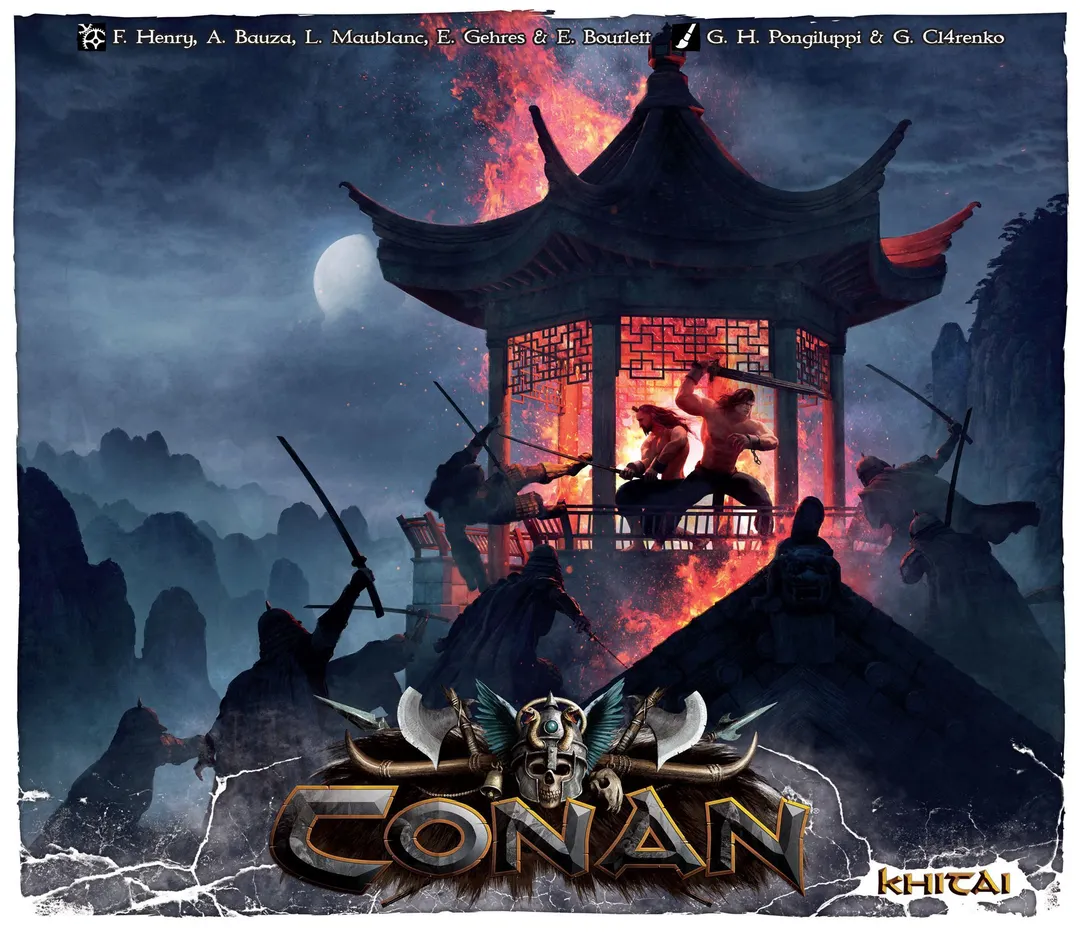
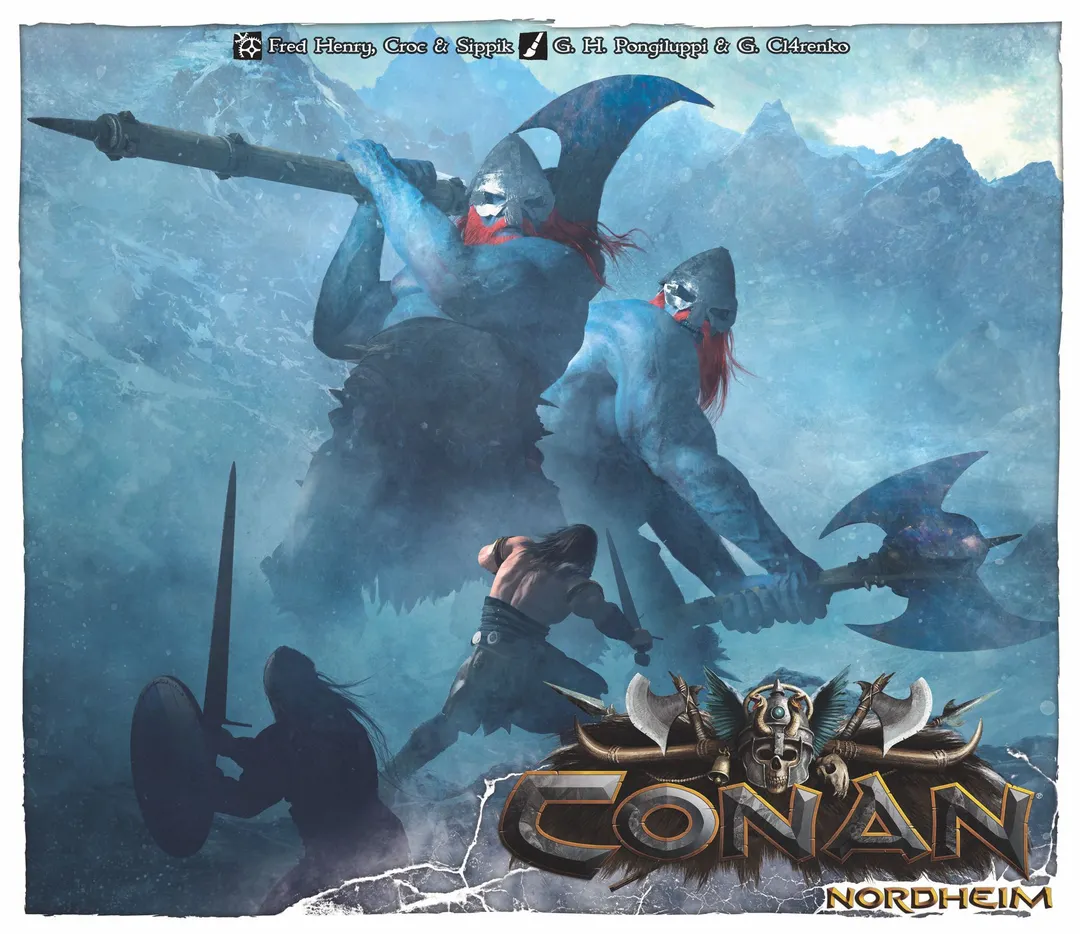
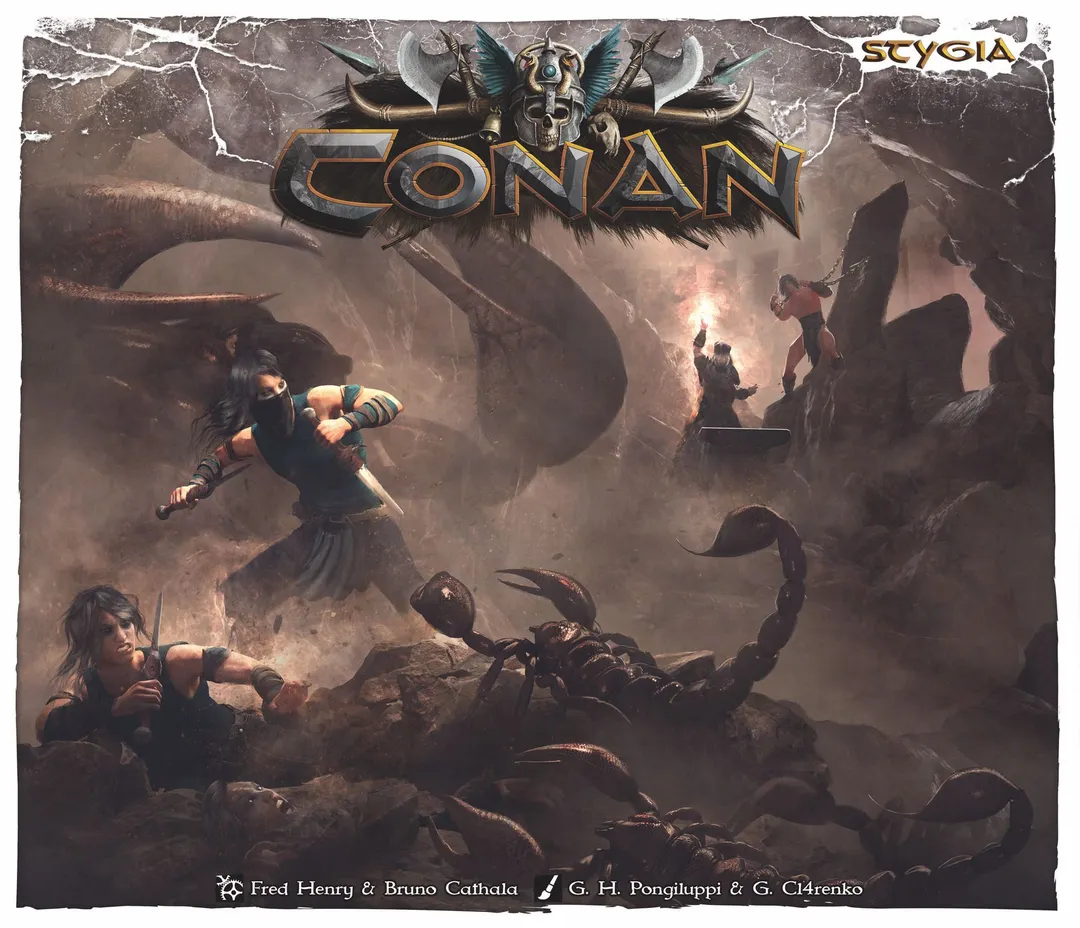
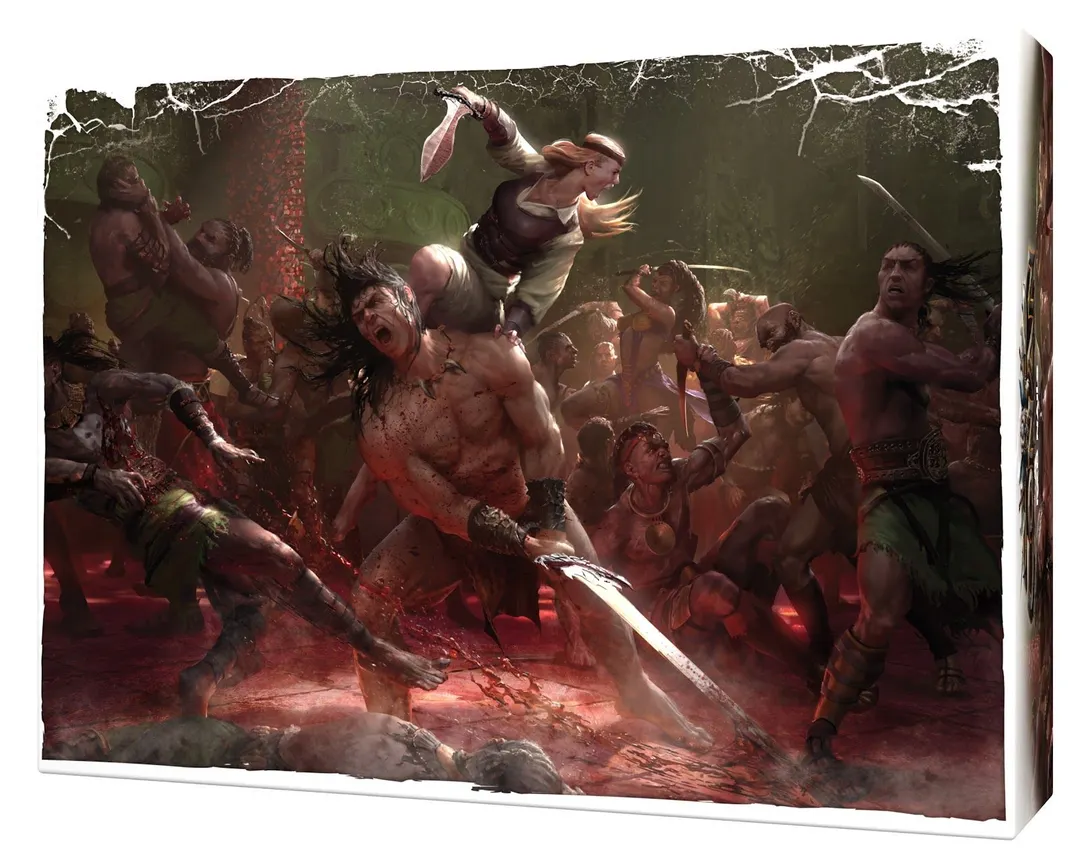
Conan, based on the Conan universe by Robert E. Howard, is a scenario-based semi-cooperative asymmetric miniatures board game. One player is the Overlord, playing the opposition forces, and the other players play Conan and his companions: Shevatas the thief, Hadrathus the Priest/Sorcerer, Belit the pirate queen, Valeria the warrior, etc. The game is based purely on Robert E. Howard's novels and short stories. Each game is a scenario, played on a map. There are 4 maps included in the retail copy of the game, and each map can have several scenarios set on it. The game is fast, one hour approximately. It's possible to play several scenarios in a campaign, but you can also play each scenario individually. There are 9 scenarios in the base box. At the beginning of a scenario, players choose their team (Conan and two or three other heroes). The Overlord gathers all the miniatures (picts, Necromancer, skeleton warriors, monsters, etc.), tokens, and cards from the chosen scenario. The game usually plays in a limited number of turns (ten, for instance). Each scenario can have very different objectives. During their turn, the heroes can activate or rest. If they activate, they can spend "gems" from their energy pool to do all sorts of actions: move, fight (melee or distance), defend, pick a lock, reroll, etc. If they rest, they can move a lot of gems from their "spent" pool box to their "available" pool box. The Overlord plays differently. He uses a board with eight slidable tiles, plus his own Energy gems. Each tile corresponds to one unit (1 to 3 miniatures) on the game mat, and all of the miniature abilities are written on this tile (movement, armor, attack, special abilities). The tile position on the board corresponds to the numbers 1-8. The Overlord has a pool of energy gems and each time he activates one unit, he needs to spend a number of gems matching the tile placement. In a typical scenario, the heroes need to accomplish something and the Overlord wins if the heroes fail to reach their objective — but in some scenarios, the Overlord has his own objectives and the Heroes win if they prevent him from accomplishing his goal.
Según el catálogo, Conan admite de 2 a 5 jugadores. Este intervalo corresponde al número de jugadores indicado por la editorial, así que el juego puede prepararse para cualquier grupo dentro de ese margen. La preparación, algunas reglas y la puntuación pueden variar según el número de jugadores; consulta la configuración exacta en el reglamento de tu edición.
La duración indicada para Conan es de 90 minutos, la estimación de la editorial para una partida completa. El tiempo real depende del grupo, del número de jugadores y del conocimiento de las reglas: las primeras partidas suelen alargarse y los grupos con experiencia terminan antes. La preparación y la explicación de las reglas no están incluidas.
El catálogo indica Conan a partir de 14 años. Es la recomendación de la editorial y refleja la lectura necesaria, la complejidad de las reglas y las piezas pequeñas, no solo el tema. Los más pequeños a menudo pueden jugar con ayuda de un adulto: comprueba la edad recomendada en tu edición y la experiencia de tu grupo.
Conan tiene una puntuación de complejidad de 2,8 sobre 5 según los jugadores de BoardGameGeek, lo que lo convierte en un juego algo ligero. La puntuación refleja cuánto conocimiento de reglas, planificación y toma de decisiones exige una partida típica. Los juegos exigentes requieren una explicación inicial más larga, así que conviene usar una guía de preparación.
Conan pertenece a estas categorías: Fantasy, Fighting y Adventure. Sus mecánicas principales son Variable Player Powers, Player Elimination y Area Movement. Las categorías describen el tema y la ambientación de un juego, mientras que las mecánicas describen lo que los jugadores hacen realmente en su turno. Cada mecánica lleva a una página del catálogo con juegos similares.
Los autores acreditados de Conan son: Antoine Bauza, Frédéric Henry, Bruno Cathala, Ludovic Maublanc, Laurent Pouchain, Pascal Bernard y Croc. Estos créditos proceden de los datos publicados del juego y nombran a las personas responsables de su diseño, no a ilustradores ni editoriales. Las páginas de autor de MeepleRules reúnen otros títulos de los mismos autores, algo útil cuando un juego te gusta y buscas otros parecidos.
El catálogo clasifica Conan como juego base. Se juega por sí solo con los componentes de la caja y no requiere ningún otro título. Las expansiones, si existen, añaden contenido o reglas nuevas y aparecen por separado en el catálogo con un enlace a este juego base.