

- Puesto en BGG
- BGG #8940
- Puntuación BGG
- 7,5
Red Badge of Courage
- 2–6 jugadores
- 360 min
- Complejidad 3,9/5
- 2001
2009
Ayuda con las reglas de Dead of Winter: The Battle of Stones River (Second Edition)
Explicaciones claras de turnos, efectos de cartas y situaciones dudosas, con referencias a fuentes oficiales e historial de preguntas guardado.
Para 2 jugadores
¿Qué quieres saber?
Las respuestas salen del reglamento oficial, con la página para comprobarlo.
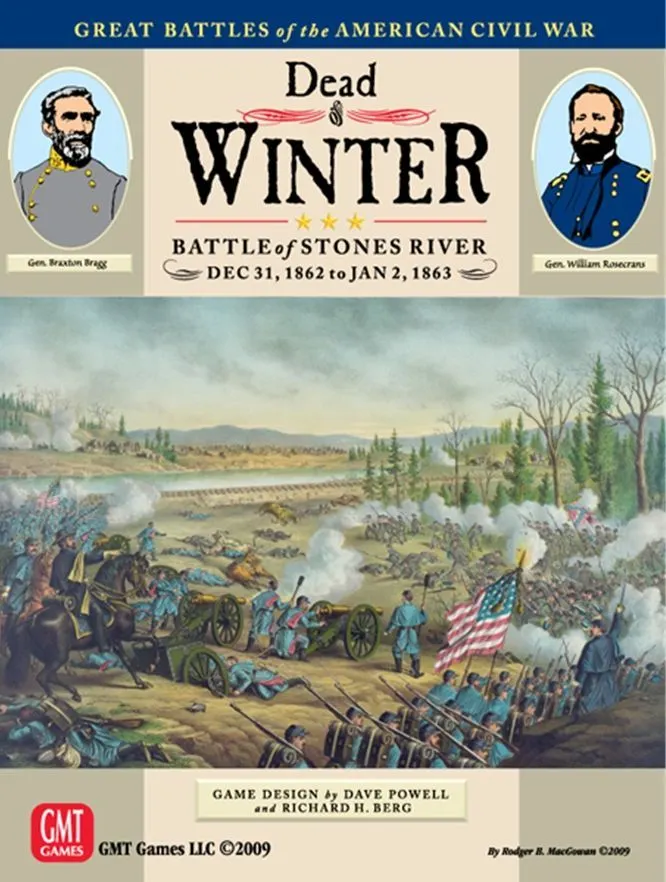
Dead of Winter: The Battle of Stones River (Second Edition) es un juego de mesa publicado en 2009 para 2 jugadores, con partidas de 180 minutos y a partir de 14 años. Fue diseñado por Richard H. Berg y David A. Powell y sus mecánicas principales son Dice Rolling, Hexagon Grid y Simulation.



En inglés
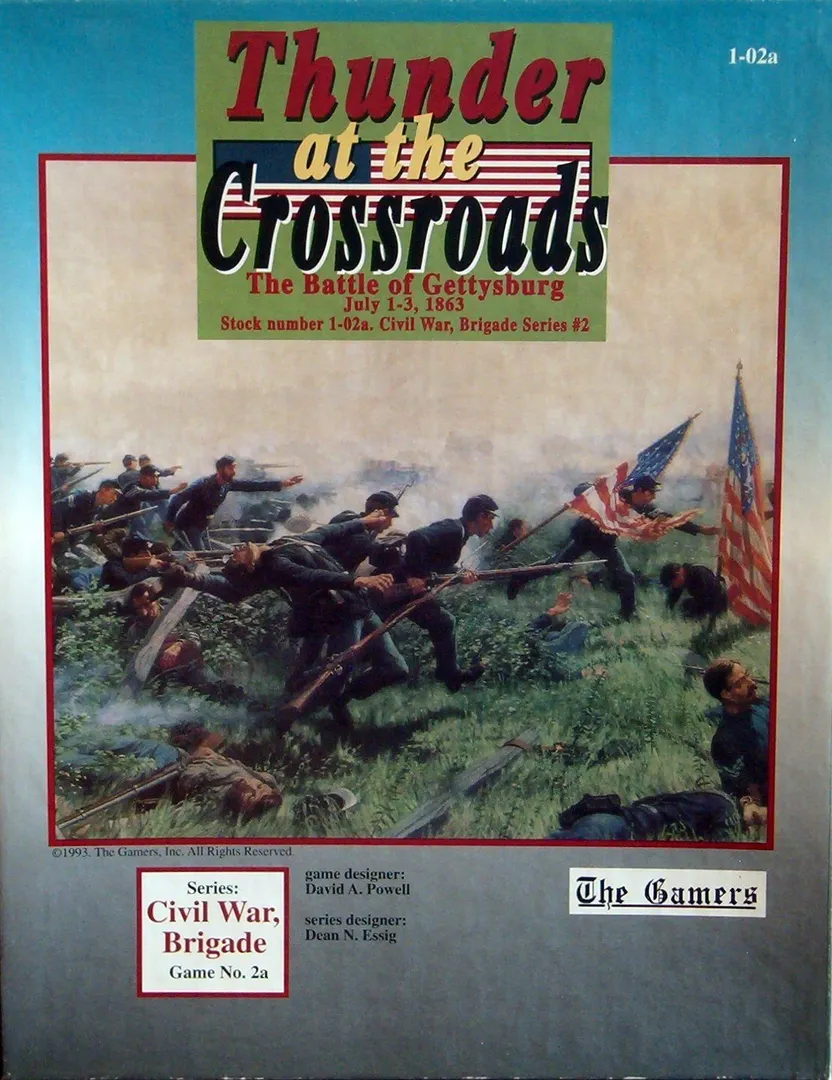
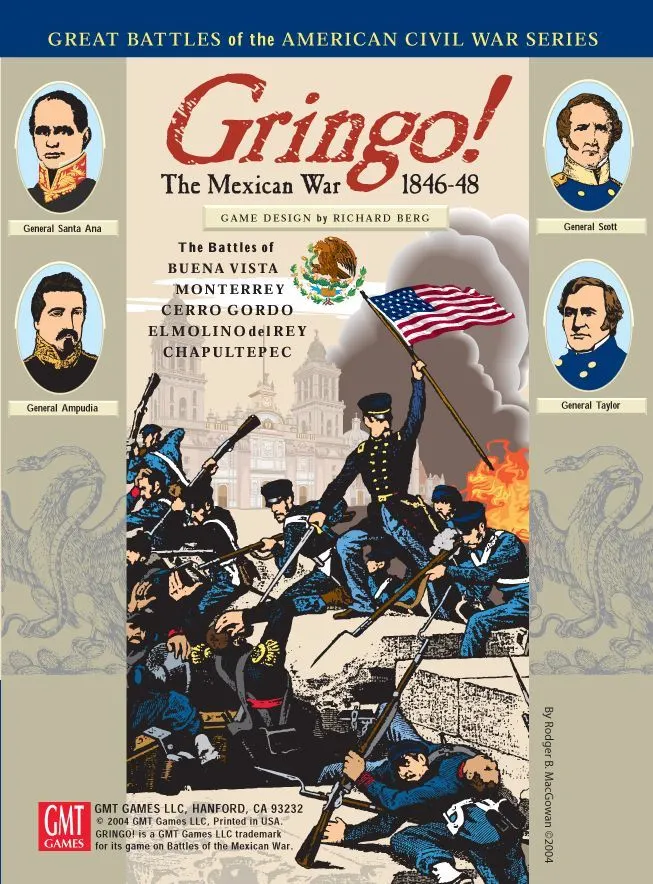
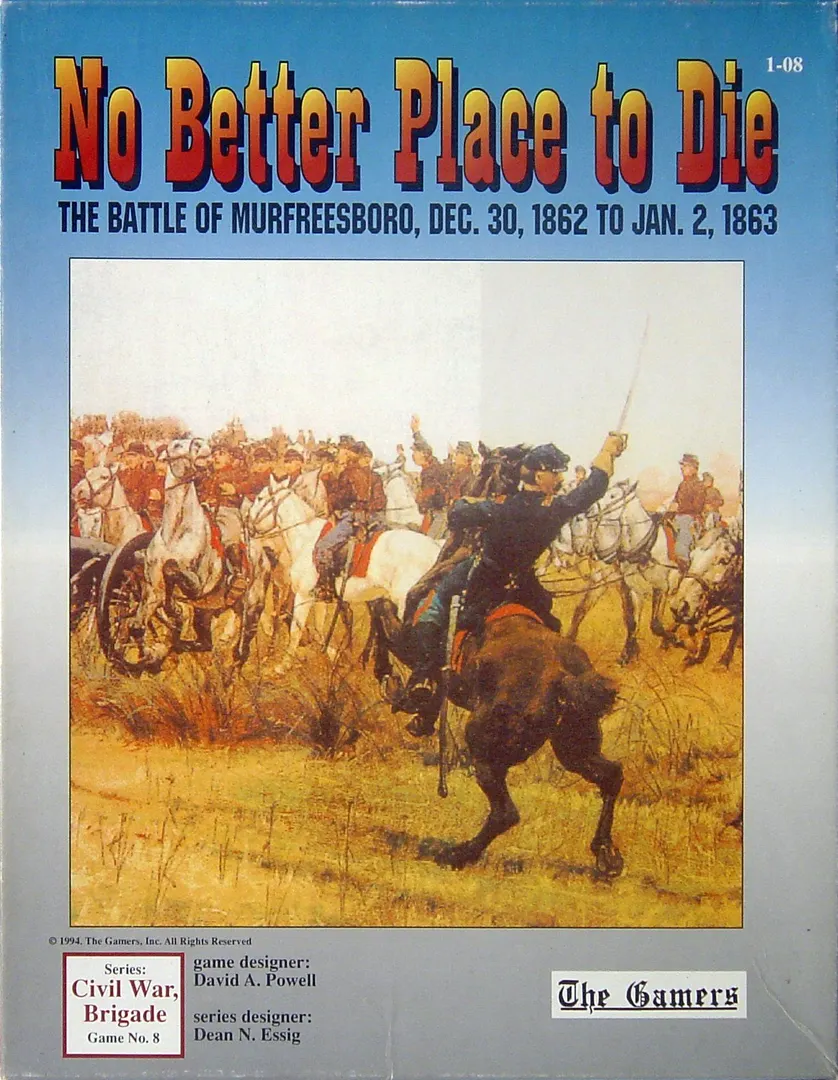
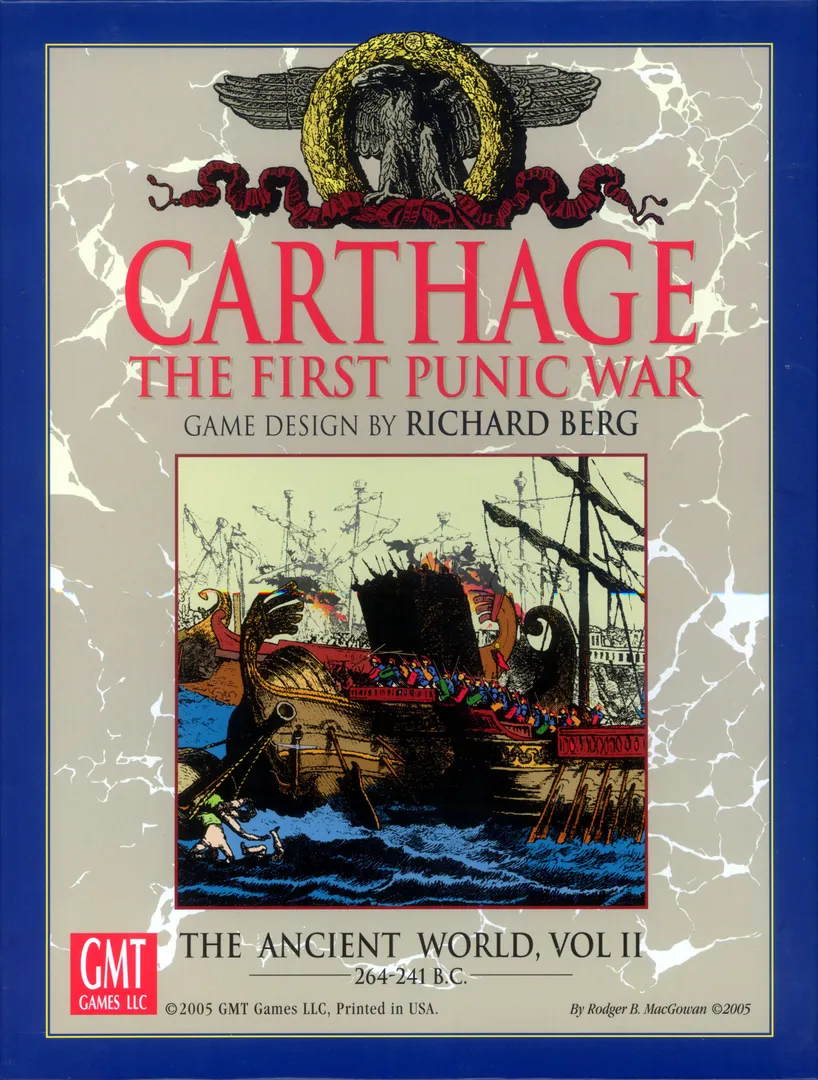
Dead of Winter is GMT’s recreation of Richard Berg’s “Great Battles of the American Civil War series” series title on the battle of Murfreesboro; also known as The Battle of Stone’s River to Union Veterans. Perhaps one of the most evenly matched battles of the war, Murfreesboro/Stone’s River pitted the Federal Army of the Cumberland under Major General William Starke Rosecrans against the Confederate Army of Tennessee captained by General Braxton Bragg. With near parity of numbers (each side fielded roughly 40,000 men) and remarkably similar battle plans, both armies grappled in the December cold for control of Middle Tennessee. The Series: The GBACW Series is one of the hobby’s longest lived design concepts, springing from the legendary regimental Level Gettysburg game - Terrible Swift Sword - created by Richard Berg in 1976. Since then, the series has undergone numerous system evolutions, always seeking to enhance the player’s illusion of reality. Today, the series relies on inter-active chit-pull mechanics to simulate the sometimes chaotic nature of the 19th Century battlefield. GMT's Red Badge Of Courage and Gringo! Are the two most recent releases in this classic line of games. The Game: Dead of Winter II completely revisits this battle. The old version needed a face-lift. The biggest change is in returning the ground scale to 110 yards per hex. While going to the larger scale means an increase in maps, the added elbow room allows for much more historical unit frontages and more playable stacking. One Introductory and ten regular scenarios examine every aspect of the historical battle and present the players with several plausible alternative situations based on events leading up to the actual engagement. Scenario sizes range from one-half of one map and an hour to play, to all four maps and many enjoyable gaming hours. Also included are a number of optional forces that could have plausibly been brought into the fight; Keep your opponent guessing as to what he will face next with this interesting range of options. The Team: While Richard Berg remains the final authority for all things GBACW, and John Alsen continues his invaluable role in the development of each title, Dead of Winter II adds one more well-known gaming name to the mix: Designer Dave Powell. Dave has designed more than a dozen civil war simulation games with The Gamers, Inc, (now owned by MMP.) Dave has always loved the GBACW since the moment he first opened the box for TSS, and welcomed the chance to bring his design talents and historical skills to the Dead of Winter project. The GMT game is the revised second version of Dead of Winter: The Battle of Stones River – Murfreesboro, Tennessee by Simulation Design, Inc.. Game Design: Dave Powell Series Design: Richard H. Berg Developer: John Alsen
Según el catálogo, Dead of Winter: The Battle of Stones River (Second Edition) admite 2 jugadores. Es el número de jugadores indicado por la editorial, así que el juego está diseñado exactamente para esa cantidad de participantes. Las variantes para otros tamaños de grupo, si existen, se describen en el reglamento de tu edición; consúltalo antes de preparar otra configuración.
La duración indicada para Dead of Winter: The Battle of Stones River (Second Edition) es de 180 minutos, la estimación de la editorial para una partida completa. El tiempo real depende del grupo, del número de jugadores y del conocimiento de las reglas: las primeras partidas suelen alargarse y los grupos con experiencia terminan antes. La preparación y la explicación de las reglas no están incluidas.
El catálogo indica Dead of Winter: The Battle of Stones River (Second Edition) a partir de 14 años. Es la recomendación de la editorial y refleja la lectura necesaria, la complejidad de las reglas y las piezas pequeñas, no solo el tema. Los más pequeños a menudo pueden jugar con ayuda de un adulto: comprueba la edad recomendada en tu edición y la experiencia de tu grupo.
Dead of Winter: The Battle of Stones River (Second Edition) tiene una puntuación de complejidad de 3,8 sobre 5 según los jugadores de BoardGameGeek, lo que lo convierte en un juego exigente. La puntuación refleja cuánto conocimiento de reglas, planificación y toma de decisiones exige una partida típica. Los juegos exigentes requieren una explicación inicial más larga, así que conviene usar una guía de preparación.
Dead of Winter: The Battle of Stones River (Second Edition) pertenece a estas categorías: Wargame, Post-Napoleonic y American Civil War. Sus mecánicas principales son Dice Rolling, Hexagon Grid y Simulation. Las categorías describen el tema y la ambientación de un juego, mientras que las mecánicas describen lo que los jugadores hacen realmente en su turno. Cada mecánica lleva a una página del catálogo con juegos similares.
Los autores acreditados de Dead of Winter: The Battle of Stones River (Second Edition) son: Richard H. Berg y David A. Powell. Estos créditos proceden de los datos publicados del juego y nombran a las personas responsables de su diseño, no a ilustradores ni editoriales. Las páginas de autor de MeepleRules reúnen otros títulos de los mismos autores, algo útil cuando un juego te gusta y buscas otros parecidos.
El catálogo clasifica Dead of Winter: The Battle of Stones River (Second Edition) como juego base. Se juega por sí solo con los componentes de la caja y no requiere ningún otro título. Las expansiones, si existen, añaden contenido o reglas nuevas y aparecen por separado en el catálogo con un enlace a este juego base.