
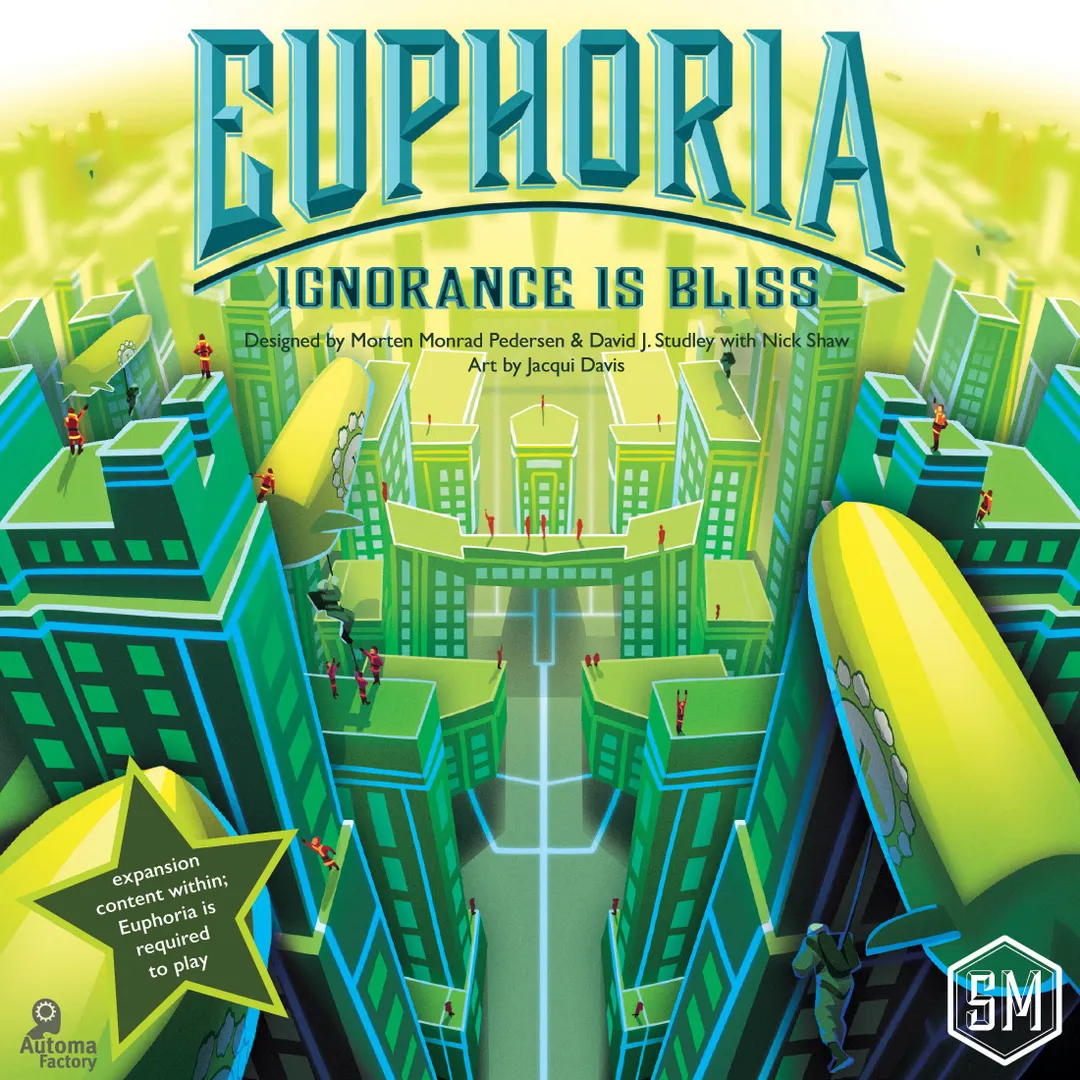
- Puntuación BGG
- 7,8
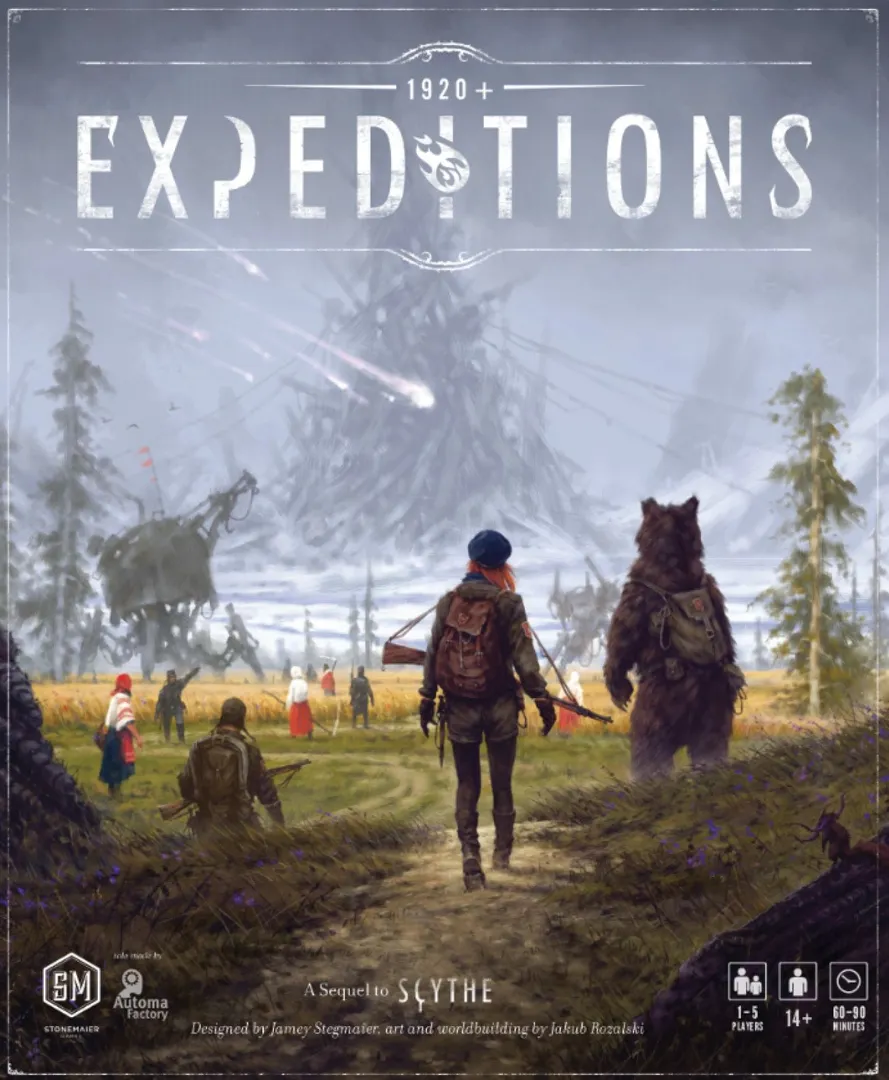
Euphoria: Ignorance Is Bliss
- 1–6 jugadores
- 40–90 min
- Complejidad 3,1/5
- 2019
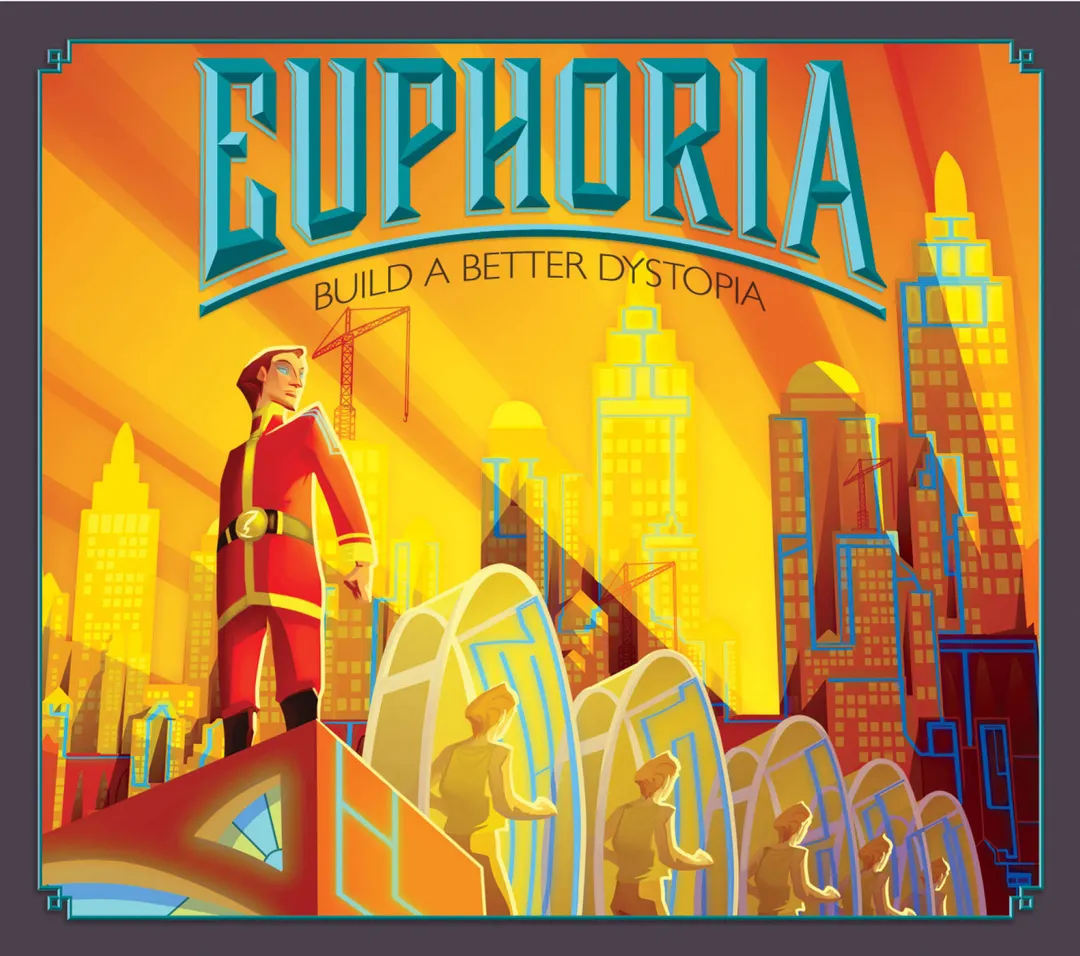
2013
Ayuda con las reglas de Euphoria: Build a Better Dystopia
Explicaciones claras de turnos, efectos de cartas y situaciones dudosas, con referencias a fuentes oficiales e historial de preguntas guardado.
Para 2 jugadores
¿Qué quieres saber?
Las respuestas salen del reglamento oficial, con la página para comprobarlo.
Euphoria: Build a Better Dystopia es un juego de mesa publicado en 2013 para 2–6 jugadores, con partidas de 60 minutos y a partir de 13 años. Fue diseñado por Jamey Stegmaier y Alan Stone y sus mecánicas principales son Variable Player Powers, Hand Management y Race.

En inglés
You find yourself in a dystopian cityscape with a few workers at your disposal to make your mark on the world. Like most people in dystopian fiction, your workers are oblivious to their situation. This world is all they've ever known, and you may use them at your whim. The world as we know it has ended, and in its place the city of Euphoria has risen. Believing that a new world order is needed to prevent another apocalypse, the Euphorian elite erect high walls around their golden city and promote intellectual equality above all else. Gone are personal freedoms; gone is knowledge of the past. All that matters is the future. The Euphorians aren’t alone. Outside the city are those who experienced the apocalypse firsthand—they have the memories and scars to prove it. These Wastelanders have cobbled together a society of historians and farmers among the forgotten scrap yards of the past. There is more to the world than the surface of the earth. Deep underground lies the hidden city of Subterra, occupied by miners, mechanics, and revolutionaries. By keeping their workers in the dark, they’ve patched together a network of pipes and sewers, of steam and gears, of hidden passages and secret stairways. In Euphoria: Build a Better Dystopia, you lead a team of workers (dice) and recruits (cards) to claim ownership of the dystopian world. You will generate commodities, dig tunnels to infiltrate opposing areas, construct markets, collect artifacts, strengthen allegiances, and fulfill secret agendas. Euphoria is a worker-placement game in which dice are your workers. The number on each die represents a worker's knowledge—that is, his level of awareness that he's in a dystopia. Worker knowledge enables various bonuses and impacts player interaction. If the collective knowledge of all of your available workers gets too high, one of them might desert you. You also have two elite recruit cards at your disposal; one has pledged allegiance to you, but the other needs some convincing. You can reveal and use the reticent recruit by reaching certain milestones in the game... or by letting other players unwittingly reach those milestones for you. Your path to victory is paved with the sweat of your workers, the strength of your allegiances, and the tunnels you dig to infiltrate other areas of the world, but the destination is a land grab in the form of area control. You accomplish this by constructing markets that impose harsh restrictions of personal freedoms upon other players, changing the face of the game and opening new paths to victory. You can also focus on gathering artifacts from the old world, objects of leisure that are extremely rare in this utilitarian society. The dystopian elite covet these artifacts—especially matching pairs—and are willing to give you tracts of land in exchange for them. Four distinct societies, each of them waiting for you to rewrite history. What are you willing to sacrifice to build a better dystopia?
Según el catálogo, Euphoria: Build a Better Dystopia admite de 2 a 6 jugadores. Este intervalo corresponde al número de jugadores indicado por la editorial, así que el juego puede prepararse para cualquier grupo dentro de ese margen. La preparación, algunas reglas y la puntuación pueden variar según el número de jugadores; consulta la configuración exacta en el reglamento de tu edición.
La duración indicada para Euphoria: Build a Better Dystopia es de 60 minutos, la estimación de la editorial para una partida completa. El tiempo real depende del grupo, del número de jugadores y del conocimiento de las reglas: las primeras partidas suelen alargarse y los grupos con experiencia terminan antes. La preparación y la explicación de las reglas no están incluidas.
El catálogo indica Euphoria: Build a Better Dystopia a partir de 13 años. Es la recomendación de la editorial y refleja la lectura necesaria, la complejidad de las reglas y las piezas pequeñas, no solo el tema. Los más pequeños a menudo pueden jugar con ayuda de un adulto: comprueba la edad recomendada en tu edición y la experiencia de tu grupo.
Euphoria: Build a Better Dystopia tiene una puntuación de complejidad de 3,1 sobre 5 según los jugadores de BoardGameGeek, lo que lo convierte en un juego de complejidad media. La puntuación refleja cuánto conocimiento de reglas, planificación y toma de decisiones exige una partida típica. Los juegos exigentes requieren una explicación inicial más larga, así que conviene usar una guía de preparación.
Euphoria: Build a Better Dystopia pertenece a estas categorías: Science Fiction. Sus mecánicas principales son Variable Player Powers, Hand Management y Race. Las categorías describen el tema y la ambientación de un juego, mientras que las mecánicas describen lo que los jugadores hacen realmente en su turno. Cada mecánica lleva a una página del catálogo con juegos similares.
Los autores acreditados de Euphoria: Build a Better Dystopia son: Jamey Stegmaier y Alan Stone. Estos créditos proceden de los datos publicados del juego y nombran a las personas responsables de su diseño, no a ilustradores ni editoriales. Las páginas de autor de MeepleRules reúnen otros títulos de los mismos autores, algo útil cuando un juego te gusta y buscas otros parecidos.
El catálogo clasifica Euphoria: Build a Better Dystopia como juego base. Se juega por sí solo con los componentes de la caja y no requiere ningún otro título. Las expansiones, si existen, añaden contenido o reglas nuevas y aparecen por separado en el catálogo con un enlace a este juego base.