- Puntuación BGG
- 7,1
Ayuda con las reglas de EuroFront: War in Europe, 1939-45
Explicaciones claras de turnos, efectos de cartas y situaciones dudosas, con referencias a fuentes oficiales e historial de preguntas guardado.
- 2–6 jugadores
- 600 min
- 12+
- Complejidad 3,7/5

Asistente de reglas de EuroFront: War in Europe, 1939-45
¿Qué quieres saber?
Las respuestas salen del reglamento oficial, con la página para comprobarlo.
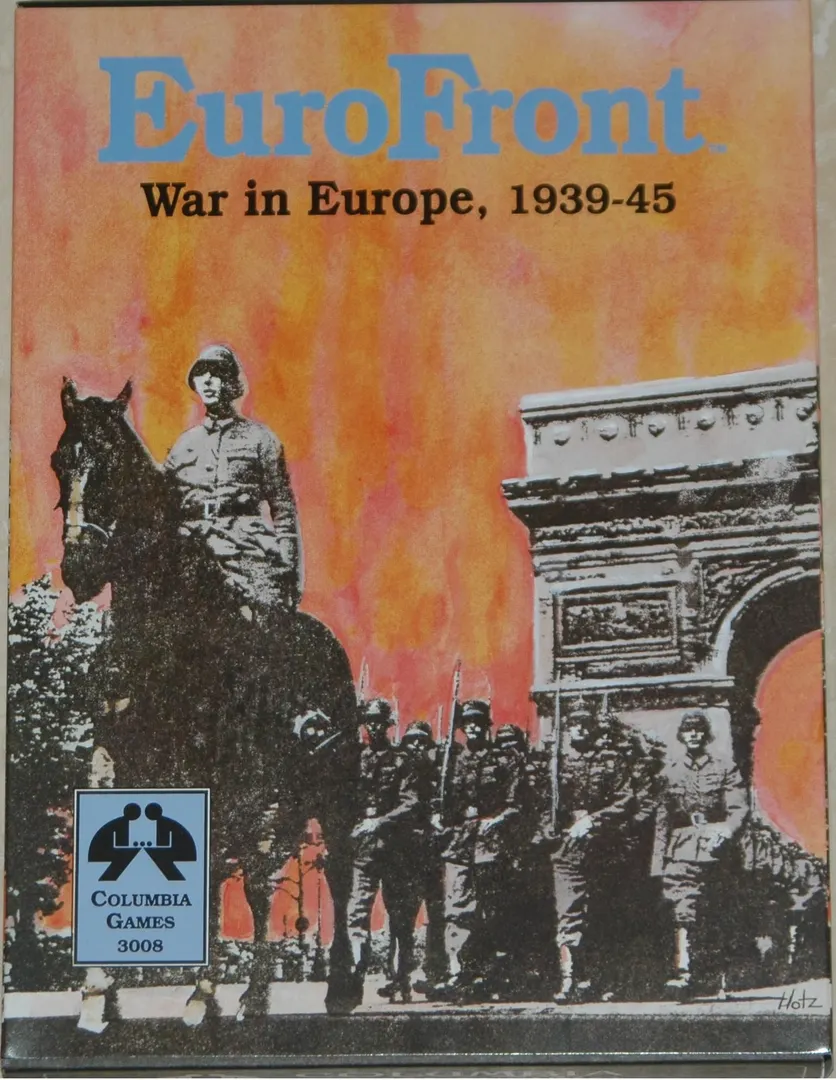
EuroFront: War in Europe, 1939-45 es una expansión de EastFront: The War in Russia, 1941-45 publicada en 1995 para 2–6 jugadores, con partidas de 600 minutos y a partir de 12 años. Fue diseñado por Craig Besinque y sus mecánicas principales son Dice Rolling, Secret Unit Deployment y Hexagon Grid.
Sobre el juego
En inglés
EuroFront is a supplementary rules system that allows all of the Front games (EastFront: The War in Russia, 1941-45, WestFront: The War in Europe, 1943-45, MedFront: War in North Africa 1940-43 and possibly the VolgaFront: East of EastFront 1942-43 expansion) to be combined into one sprawling game that covers the entire European theater of WWII. Rules are provided to link all the games together seamlessly and add units for neutral and minor powers in Europe. Further, rules are provided so that simulate the political history and allow for the possibility that non-historical outcomes occur with respect to how minor powers react to the events of WWII. Part of the EuroFront series. This title uses Columbia Games Block system. While there are variations in the rule sets, all of their games are based on the block system. Basically this means that rather than using the traditional counters to represent units on the map the game uses wooden blocks that stand upright with unit details only shown on one side. This does two things: First it provides an easy way of producing a "fog of war" because your opponent can not tell, save through good memory, what type of unit a specific piece is or its current strength. Second, having the blocks stand on end allows the possibility of rotating a block so the current strength is the top number. Although most war games have some type of mechanism that lets units take steps in their overall strength, counters normally have at most two steps because they only have two sides. Blocks, however, have four so you can easily keep track of twice the amount of detail that many other war games provide. With the use of blocks Columbia has provided a way of adding a good deal of depth to their war games without adding complex layers of bookkeeping, allowing interesting and relatively short sessions of play.
Diseñadores
Editoriales
- Columbia Games
Preguntas y respuestas
Según el catálogo, EuroFront: War in Europe, 1939-45 admite de 2 a 6 jugadores. Este intervalo corresponde al número de jugadores indicado por la editorial, así que el juego puede prepararse para cualquier grupo dentro de ese margen. La preparación, algunas reglas y la puntuación pueden variar según el número de jugadores; consulta la configuración exacta en el reglamento de tu edición.
La duración indicada para EuroFront: War in Europe, 1939-45 es de 600 minutos, la estimación de la editorial para una partida completa. El tiempo real depende del grupo, del número de jugadores y del conocimiento de las reglas: las primeras partidas suelen alargarse y los grupos con experiencia terminan antes. La preparación y la explicación de las reglas no están incluidas.
El catálogo indica EuroFront: War in Europe, 1939-45 a partir de 12 años. Es la recomendación de la editorial y refleja la lectura necesaria, la complejidad de las reglas y las piezas pequeñas, no solo el tema. Los más pequeños a menudo pueden jugar con ayuda de un adulto: comprueba la edad recomendada en tu edición y la experiencia de tu grupo.
EuroFront: War in Europe, 1939-45 tiene una puntuación de complejidad de 3,7 sobre 5 según los jugadores de BoardGameGeek, lo que lo convierte en un juego de complejidad media. La puntuación refleja cuánto conocimiento de reglas, planificación y toma de decisiones exige una partida típica. Los juegos exigentes requieren una explicación inicial más larga, así que conviene usar una guía de preparación.
EuroFront: War in Europe, 1939-45 pertenece a estas categorías: Wargame, World War II y Expansion for Base-game. Sus mecánicas principales son Dice Rolling, Secret Unit Deployment y Hexagon Grid. Las categorías describen el tema y la ambientación de un juego, mientras que las mecánicas describen lo que los jugadores hacen realmente en su turno. Cada mecánica lleva a una página del catálogo con juegos similares.
Los autores acreditados de EuroFront: War in Europe, 1939-45 son: Craig Besinque. Estos créditos proceden de los datos publicados del juego y nombran a las personas responsables de su diseño, no a ilustradores ni editoriales. Las páginas de autor de MeepleRules reúnen otros títulos de los mismos autores, algo útil cuando un juego te gusta y buscas otros parecidos.
El catálogo clasifica EuroFront: War in Europe, 1939-45 como expansión de EastFront: The War in Russia, 1941-45. Las expansiones añaden contenido, reglas o escenarios al juego base y normalmente no se pueden jugar solas, así que necesitas EastFront: The War in Russia, 1941-45 para usarla. Comprueba que tu edición de EastFront: The War in Russia, 1941-45 sea compatible, porque algunas expansiones se revisaron entre ediciones.