
- Puesto en BGG
- BGG #285
- Puntuación BGG
- 7,6
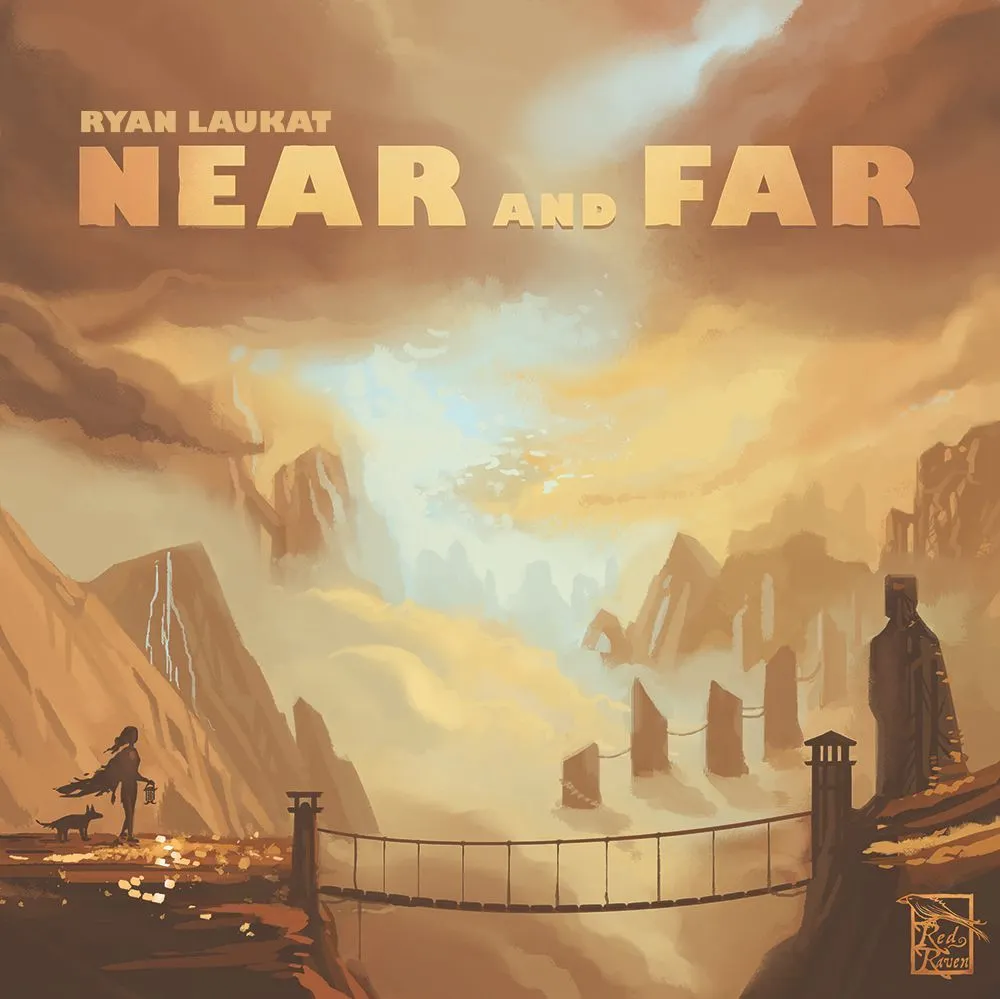
Near and Far
- 2–4 jugadores
- 90–120 min
- Complejidad 2,9/5
- 2017
2022
Ayuda con las reglas de First Ascent
Explicaciones claras de turnos, efectos de cartas y situaciones dudosas, con referencias a fuentes oficiales e historial de preguntas guardado.
Para 2 jugadores
¿Qué quieres saber?
Las respuestas salen del reglamento oficial, con la página para comprobarlo.
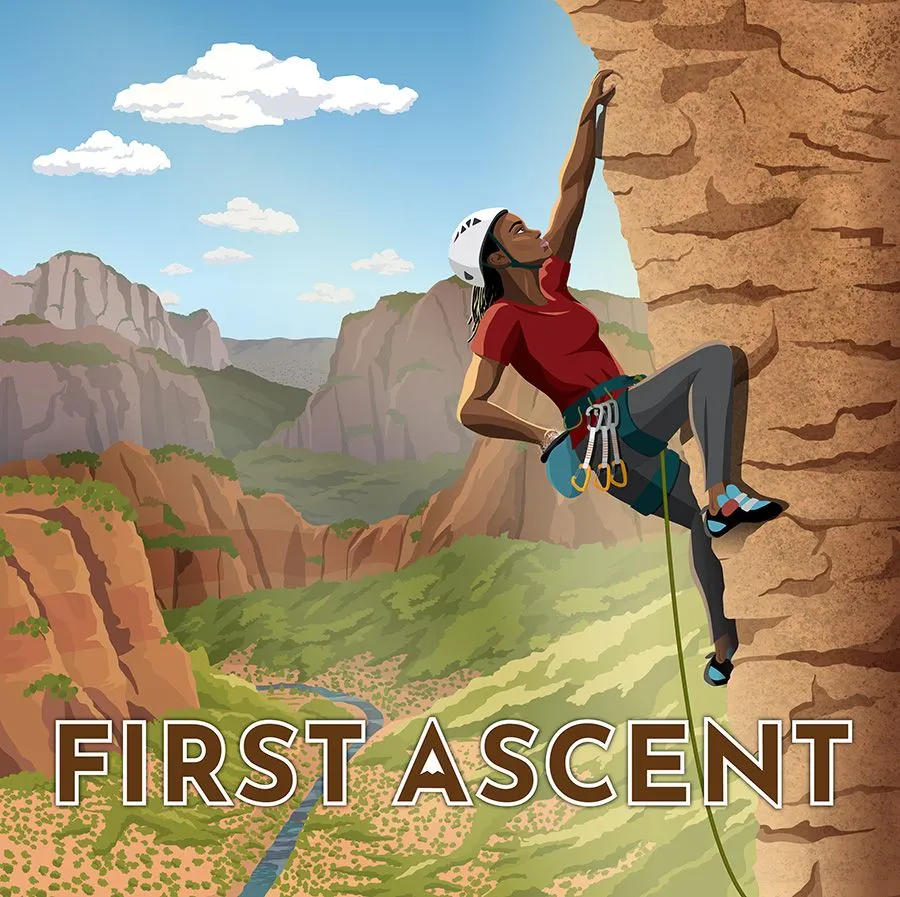
First Ascent es un juego de mesa publicado en 2022 para 2–5 jugadores, con partidas de 45 a 90 minutos y a partir de 14 años. Fue diseñado por Kate Otte y sus mecánicas principales son Variable Player Powers, Hand Management y Set Collection.






En inglés
First Ascent is a rock climbing-themed strategic board game. The goal in this medium weight, competitive game is to gain the most points by climbing the best route up the mountain and becoming the most skilled climber! Each player assumes the role of a unique asymmetric character, and throughout the game they will be building their route up the mountain, managing resources, achieving objectives, and increasing their efficiency by accumulating skills and gear! This game is for 2-5 players and takes 45-90 minutes to play. Gameplay overview: In First Ascent, the goal is to gain the most points by creating the best route! Points are gained in four ways: 1) Climbing pitches — use your climbing skills, gear, water, and psych to pay the requirements to move on to a tile "climb the pitch". Draw a climbing card and resolve the events that may involve resource management, board manipulation, or selfish vs altruistic decisions. Each tile is worth 1-5 points with higher point value tiles requiring more resources. 2) Objectives — achieve shared and personal objectives that relate to the path of your route. Plan carefully and manage resources to execute the path that will contribute towards achieving your objectives. 3) Technique bonuses — the climbing skills and gear cards contain symbols representing climbing techniques of precision, power, balance, and pain tolerance. Match three technique symbols on the cards you play to climb a tile and earn +2 bonus points. These can add up significantly, so choose your resources wisely. 4) Summit — reaching the top of the mountain is great, but climbing is about the journey. Gain +1 summit bonus point for reaching a peak. If you don't have the required resources to climb, you can "risk it" by rolling the risk dice to climb a tile for one less resource. You may get away with a check mark and succeed without consequence, roll minus two cards and give them to another player, or roll minus one card and one psych which you give to another player. As long as you have the assets to lose, you will climb the tile, but at a price. When you begin to ascend the mountain start in any tile on the first row. Next climb to any adjacent tile and leave your rope behind to mark the route you've climbed. Two climbers can not occupy the same tile, except for a summit, so you may compete with other climbers on the mountain for the prime locations. As you climb the mountain you will practice your skills and become a more efficient climber. The engine building component of this game grants you an "earned asset" after you play four cards of a specific skill type or gear. These tokens stay on your climber asset board and count towards fulfilling the required assets of future tiles. This isn't a race to the top, its about creating a strategic route that will reward your cunning and planning. The game ends when a player has used all seven rope lengths and climbed their eighth tile. Do you have what it takes to create the greatest First Ascent?
Según el catálogo, First Ascent admite de 2 a 5 jugadores. Este intervalo corresponde al número de jugadores indicado por la editorial, así que el juego puede prepararse para cualquier grupo dentro de ese margen. La preparación, algunas reglas y la puntuación pueden variar según el número de jugadores; consulta la configuración exacta en el reglamento de tu edición.
La duración indicada para First Ascent es de 45 a 90 minutos, la estimación de la editorial para una partida completa. El tiempo real depende del grupo, del número de jugadores y del conocimiento de las reglas: las primeras partidas suelen alargarse y los grupos con experiencia terminan antes. La preparación y la explicación de las reglas no están incluidas.
El catálogo indica First Ascent a partir de 14 años. Es la recomendación de la editorial y refleja la lectura necesaria, la complejidad de las reglas y las piezas pequeñas, no solo el tema. Los más pequeños a menudo pueden jugar con ayuda de un adulto: comprueba la edad recomendada en tu edición y la experiencia de tu grupo.
First Ascent tiene una puntuación de complejidad de 2,9 sobre 5 según los jugadores de BoardGameGeek, lo que lo convierte en un juego algo ligero. La puntuación refleja cuánto conocimiento de reglas, planificación y toma de decisiones exige una partida típica. Los juegos exigentes requieren una explicación inicial más larga, así que conviene usar una guía de preparación.
First Ascent pertenece a estas categorías: Humor, Adventure y Environmental. Sus mecánicas principales son Variable Player Powers, Hand Management y Set Collection. Las categorías describen el tema y la ambientación de un juego, mientras que las mecánicas describen lo que los jugadores hacen realmente en su turno. Cada mecánica lleva a una página del catálogo con juegos similares.
Los autores acreditados de First Ascent son: Kate Otte. Estos créditos proceden de los datos publicados del juego y nombran a las personas responsables de su diseño, no a ilustradores ni editoriales. Las páginas de autor de MeepleRules reúnen otros títulos de los mismos autores, algo útil cuando un juego te gusta y buscas otros parecidos.
El catálogo clasifica First Ascent como juego base. Se juega por sí solo con los componentes de la caja y no requiere ningún otro título. Las expansiones, si existen, añaden contenido o reglas nuevas y aparecen por separado en el catálogo con un enlace a este juego base.