
- Puesto en BGG
- BGG #15.849
- Puntuación BGG
- 6,8
Auf Fotosafari in Ombagassa
- 3–6 jugadores
- 60 min
- Complejidad 1,0/5
- 1985
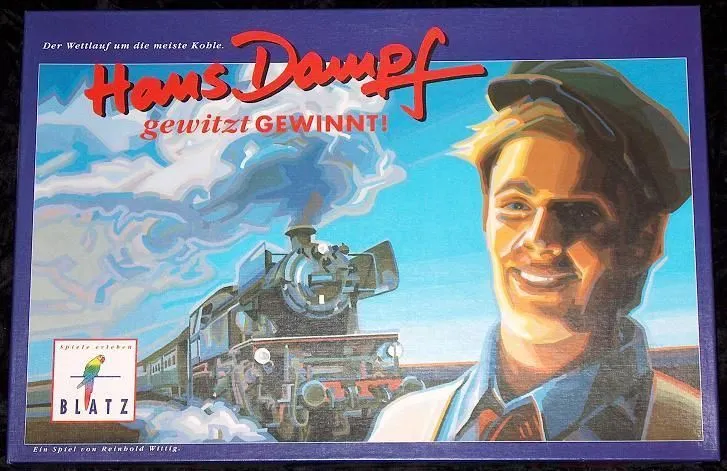
1989
Ayuda con las reglas de Hans Dampf
Explicaciones claras de turnos, efectos de cartas y situaciones dudosas, con referencias a fuentes oficiales e historial de preguntas guardado.
Para 4 jugadores
¿Qué quieres saber?
Las respuestas salen del reglamento oficial, con la página para comprobarlo.
Hans Dampf es un juego de mesa publicado en 1989 para 4–8 jugadores, con partidas de 30 minutos y a partir de 10 años. Fue diseñado por Reinhold Wittig.
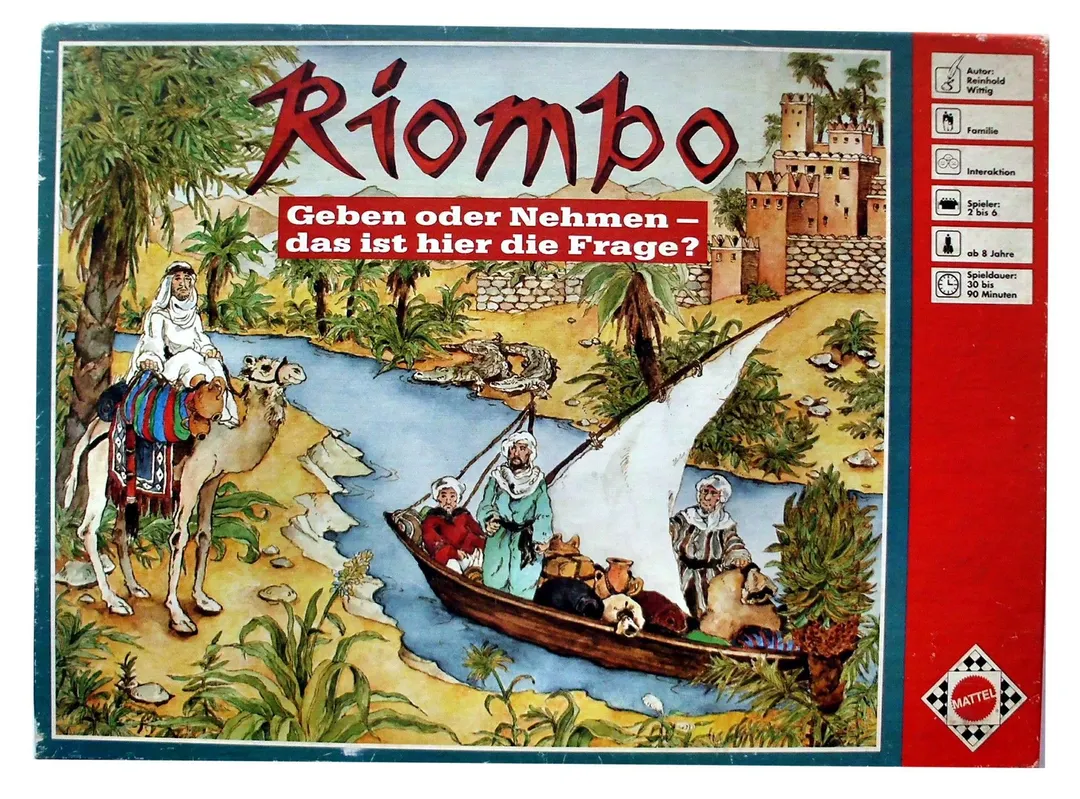
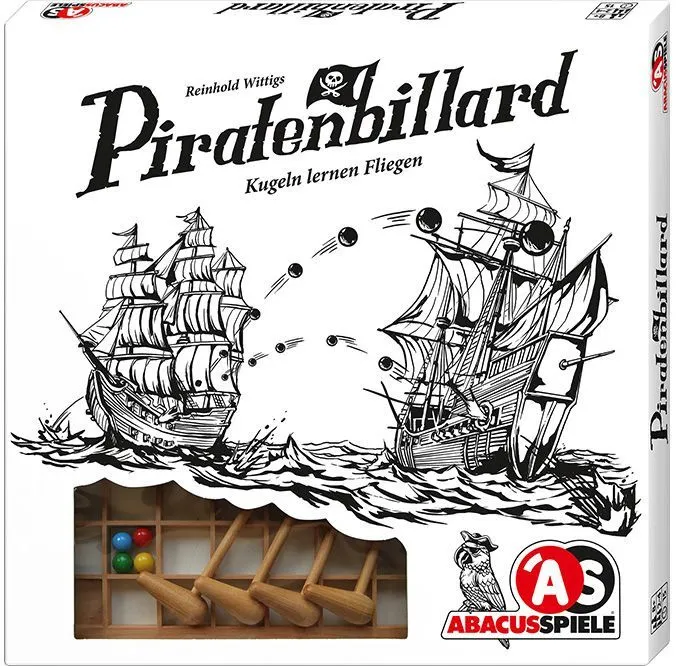
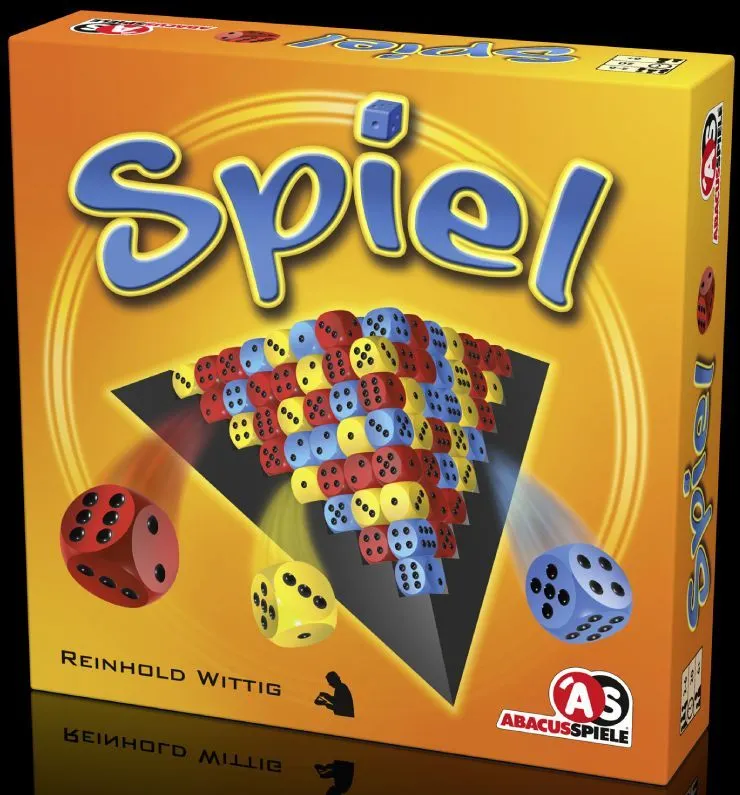
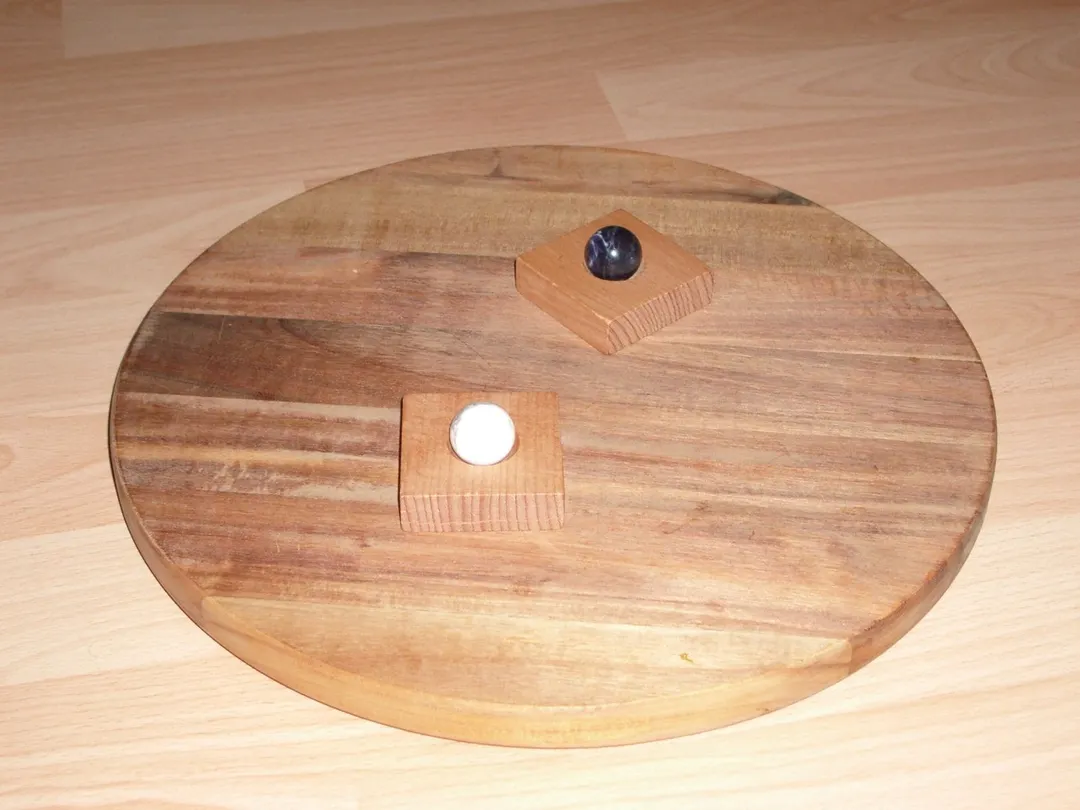
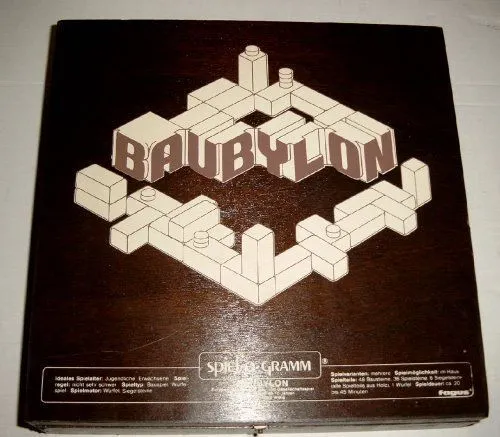
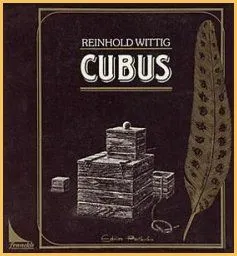
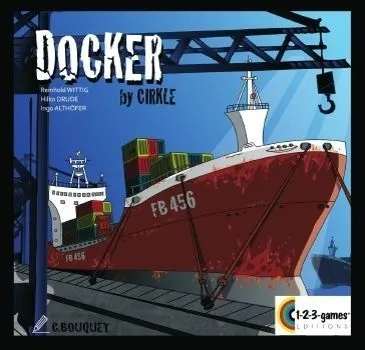
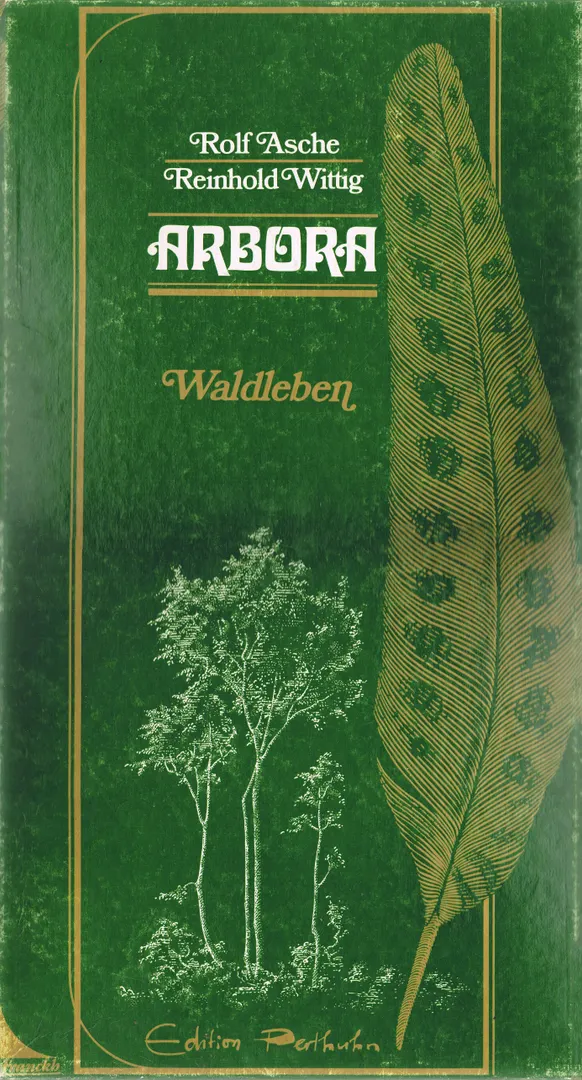
En inglés
This is a steam engine race for up eight players. The board has a spiral shaped track leading to the middle, then back to the edge. Each player receives an engine. The active player rolls a die (numbered 3,4,5,5,6,6) and moves the corresponding number of fields forward in a straight line. The engine may be turned by 90 degrees at the end of the move. If s/he doesn't want to use up all the die's points, s/he can decide to go slower. For that, s/he gets the difference in coal coins, but must distribute them in any way among the other players (who may beg, bribe or threaten the active player). Passing another engine costs one coal, passing an engine going in the opposite direction (with more than four players, the starting positions are on both ends of the track) costs 2 coals, and getting rid of an obstacle piece and placing it anywhere else on the track costs 4 coals. For crossing the finish lines, the players may pay any number of coals and add that number to their final die roll; they can also do one turn within their turn - but only if they can actually cross the line. The first player to do so, wins. In case of a tie, the remaining coal is the tiebreaker.
Según el catálogo, Hans Dampf admite de 4 a 8 jugadores. Este intervalo corresponde al número de jugadores indicado por la editorial, así que el juego puede prepararse para cualquier grupo dentro de ese margen. La preparación, algunas reglas y la puntuación pueden variar según el número de jugadores; consulta la configuración exacta en el reglamento de tu edición.
La duración indicada para Hans Dampf es de 30 minutos, la estimación de la editorial para una partida completa. El tiempo real depende del grupo, del número de jugadores y del conocimiento de las reglas: las primeras partidas suelen alargarse y los grupos con experiencia terminan antes. La preparación y la explicación de las reglas no están incluidas.
El catálogo indica Hans Dampf a partir de 10 años. Es la recomendación de la editorial y refleja la lectura necesaria, la complejidad de las reglas y las piezas pequeñas, no solo el tema. Los más pequeños a menudo pueden jugar con ayuda de un adulto: comprueba la edad recomendada en tu edición y la experiencia de tu grupo.
Hans Dampf tiene una puntuación de complejidad de 1,3 sobre 5 según los jugadores de BoardGameGeek, lo que lo convierte en un juego ligero. La puntuación refleja cuánto conocimiento de reglas, planificación y toma de decisiones exige una partida típica. Los juegos exigentes requieren una explicación inicial más larga, así que conviene usar una guía de preparación.
Hans Dampf pertenece a estas categorías: Racing y Trains. Las categorías describen el tema, la ambientación y el estilo de un juego, no sus reglas. Filtra el catálogo por la misma categoría para encontrar juegos similares si te gustó Hans Dampf y buscas algo parecido para tu próxima noche de juegos.
Los autores acreditados de Hans Dampf son: Reinhold Wittig. Estos créditos proceden de los datos publicados del juego y nombran a las personas responsables de su diseño, no a ilustradores ni editoriales. Las páginas de autor de MeepleRules reúnen otros títulos de los mismos autores, algo útil cuando un juego te gusta y buscas otros parecidos.
El catálogo clasifica Hans Dampf como juego base. Se juega por sí solo con los componentes de la caja y no requiere ningún otro título. Las expansiones, si existen, añaden contenido o reglas nuevas y aparecen por separado en el catálogo con un enlace a este juego base.