
- Puesto en BGG
- BGG #5719
- Puntuación BGG
- 8,2
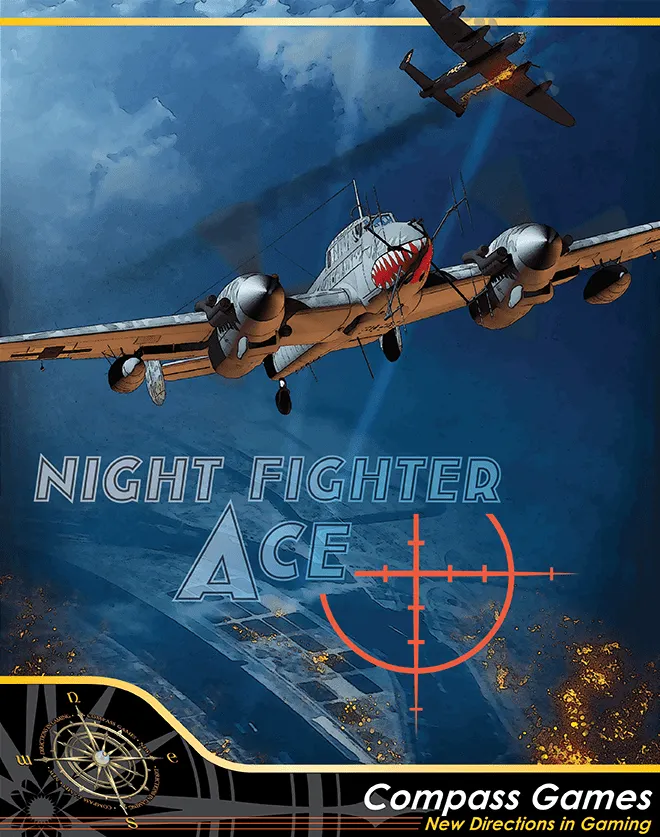
Nightfighter Ace: Air Defense Over Germany, 1943-44
- 1–2 jugadores
- 120–180 min
- Complejidad 2,3/5
- 2018
2019
Ayuda con las reglas de Interceptor Ace: Daylight Air Defense Over Germany, 1943-44
Explicaciones claras de turnos, efectos de cartas y situaciones dudosas, con referencias a fuentes oficiales e historial de preguntas guardado.
Para 1 jugador
¿Qué quieres saber?
Las respuestas salen del reglamento oficial, con la página para comprobarlo.
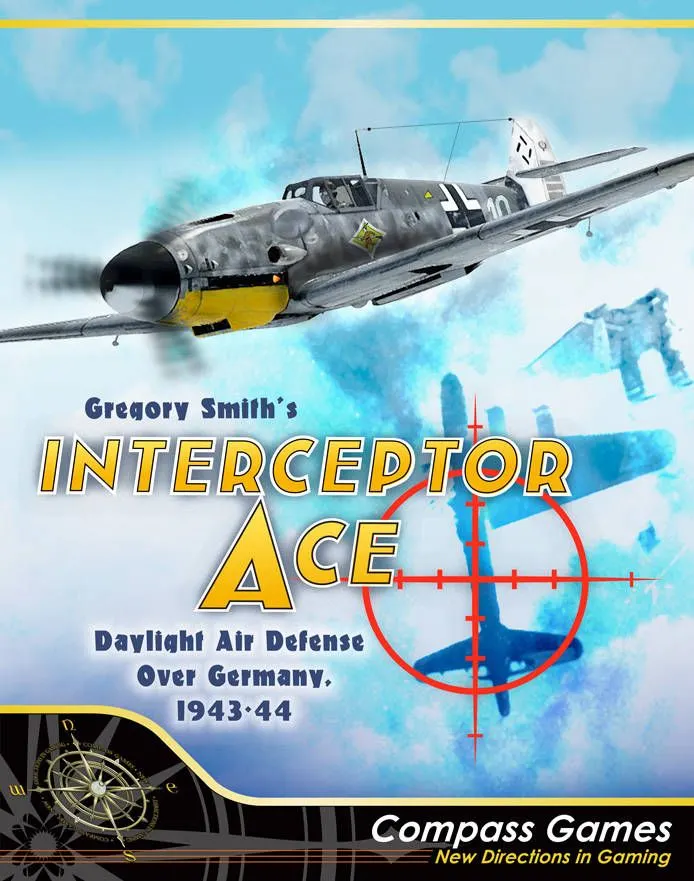
Interceptor Ace: Daylight Air Defense Over Germany, 1943-44 es un juego de mesa publicado en 2019 para 1 jugador y con partidas de 120 a 180 minutos. Fue diseñado por Gregory M. Smith y sus mecánicas principales son Dice Rolling, Simulation y Solo / Solitaire Game.
En inglés
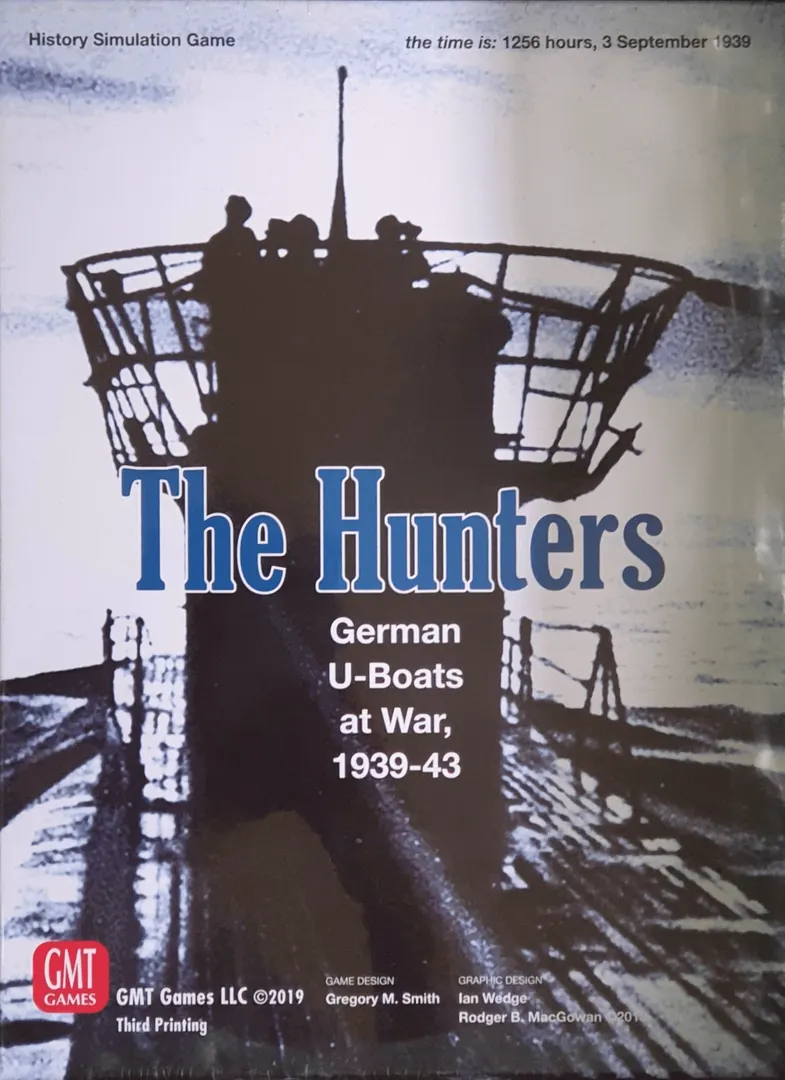
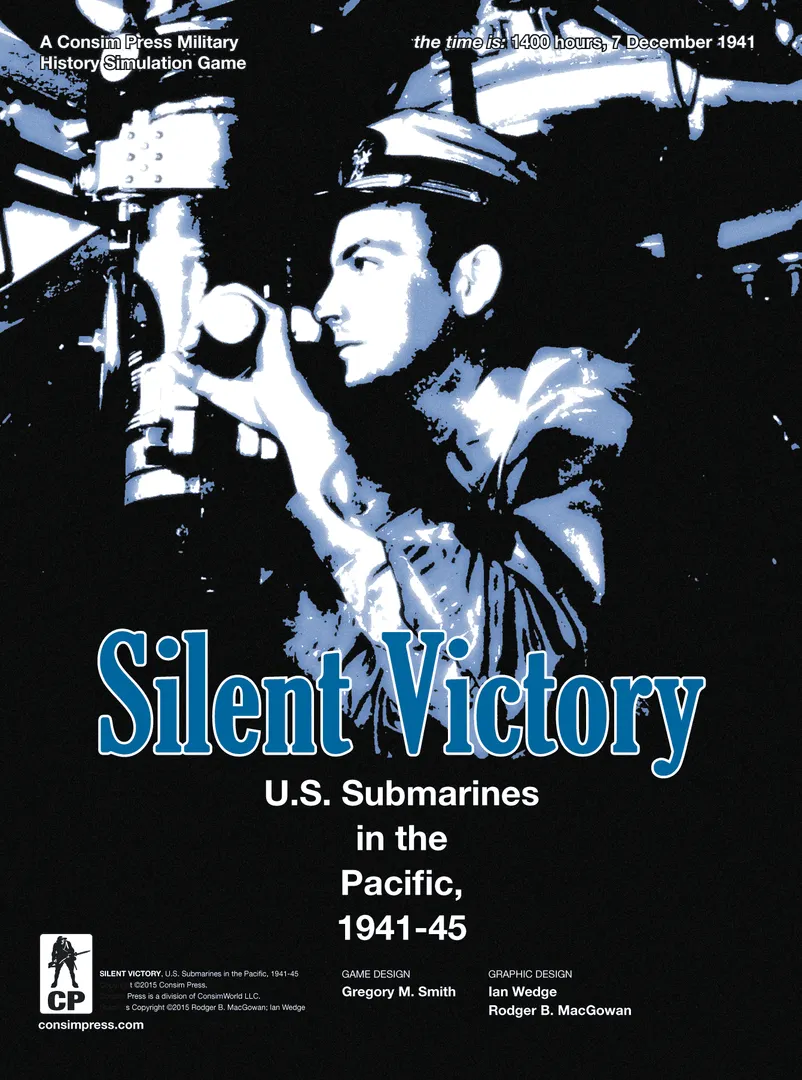
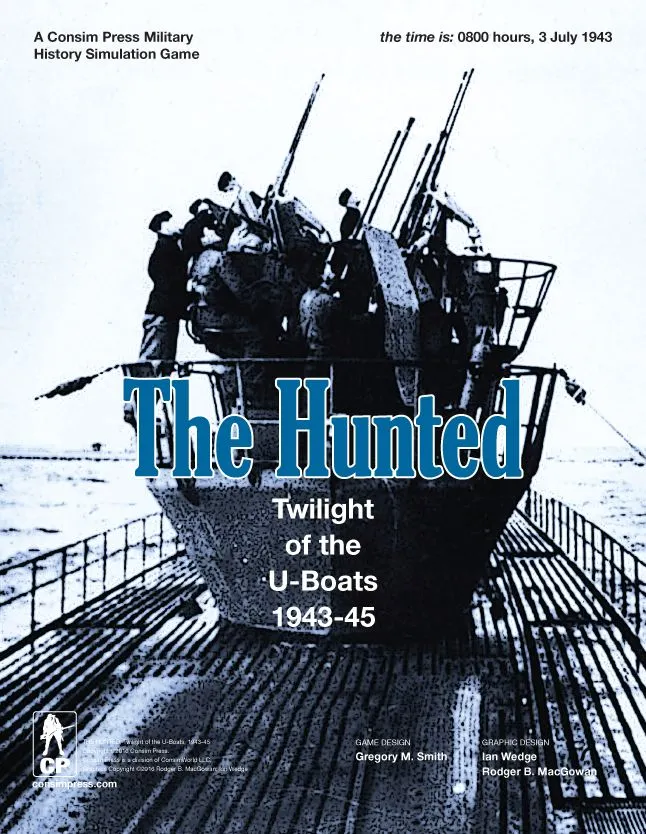
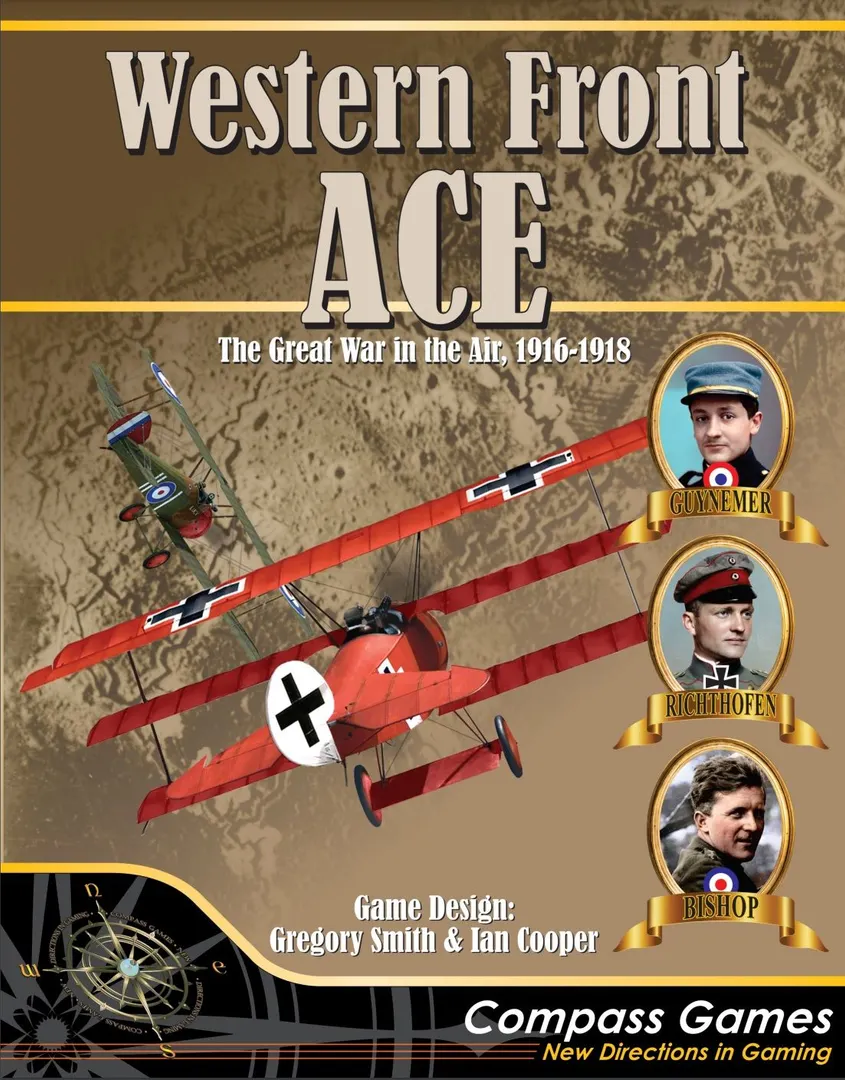
Interceptor Ace: Daylight Air Defense Over Germany, 1943-44 is a solitaire, tactical level game which places you in command of a German fighter during World War II. Each turn consists of several days, during which a combat mission will be flown from one of many bases in Europe, attempting to intercept incoming American Bombers. Interceptor Ace is based on the popular, action-packed Nightfighter Ace game system by Gregory M. Smith with a strong narrative around the pilot as you look to increase your prestige, earn skills, and rise in rank through promotion and receive awards. The objective of the game is to conduct numerous sorties in the role of a German interceptor pilot and rack up kills. Pilots may use the experience gained to improve their odds of success by purchasing skills. As their prestige increases, they may request a transfer to other fighter bases in an attempt to get “closer to the action” or request a newer type of fighter. Awards and ace status help to narrate the player’s eventual goal – to become the top “Viermot” killer of the war. The system is packed with rich technical detail but without the complexity to capture the key historical facets of the day bombing campaign over Germany. In terms of fighters alone, there are 30 aircraft models available to pilot. The families of fighters include: Bf109 (11 aircraft) Bf110 (4 aircraft) Me410 (2 aircraft) Fw190 (13 aircraft) For each interceptor, you will be using the date of availability, speed, area of operations based on originating base, individual weapon systems, damage, and crew status. Fighters can be assigned to one of seven possible major geographic base “groups” as follows: Dutch: Woensdrecht, Schiphol, Deelen, Wevelgem Bremen: Husum, Jever, Oldenburg, Hildesheim French: St. Brieuc, Poix, Vannes-Meucon, Evreax Ruhr: Jever, Mönchen-Gladbach Munich: Neubiberg Műnster: Münster-Handorf, Bad Lippspringe, Rheine Frankfurt: Ansbach, Wertheim Besides the focus on hardware, the soft aspects of the war are also faithfully rendered for each pilot and crew. For example, air crew is characterized by various, including numerous Pilot skills, Wingman skills, Bordschuetze (Rear Gunner) skills, and Prestige Level. The emphasis on various skills and benefits to gaining experience creates even a stronger narrative when compared to the Hunters game system, which helps weave a tense and dramatic narrative during play. One major change in Interceptor Ace over Hunters is the ability to choose your crew improvements instead of randomly rolling for them. As these greatly impact on your combat capability (and survival), it is a major decision you must make. Another major change in the system is the wingman concept, who can possibly pull you out of a bad situation if he is still flying. Game play moves quickly, following a set sequence of events that are repeated until the end of the game. Once you have your initial pilot and crew along with your nightfighter assignment, play proceeds by checking for incoming raid information while checking for weather prior to take off. Following successful take off, play proceeds by flying to the area you expect to intercept the American. As location boxes are entered, you will roll for possible intercept in which combat may ensue. Combat may consist of numerous rounds after which returning to base and landing operations occurs, with the weather playing a factor again as part of the landing procedure. When the mission is completed, you will ascertain any awards, Prestige points, or Experience points gained prior to you next sortie. Here you can also spend Prestige and Experience points if desired to gain skills, request a new fighter, or request a change of base. You will repeat this process by going to your next sortie until shot down and killed, or until February 1944 should you make it through unscathed. This game is highly accessible to those familiar with The Hunters, Silent Victory, or Nightfighter Ace and designed by Gregory M. Smith. The game system lends itself very well to capturing the tense air defense over Germany. While Interceptor Ace is designed as a solitaire gaming experience, additional options for play are provided for both multi-player cooperative and competitive gaming sessions. Product Information: Complexity: 6 out of 10 Solitaire Suitability: 10 out of 10 Time Scale: 3-4 days per Turn Map Scale: Abstract Unit Scale: individual aircraft, individual weapon systems, individual electronic systems, specific crew members, and ammo rounds Players: one (with option for two or more) Playing Time: two to three hours Components: One Countersheet of 9/16″ unit-counters Fifteen Aircraft Display Mats 8.5″ x 11″ (double-sided, 30 total) Four Player Aid Cards 8.5″ x 11″ One Combat Display Mat 8.5″ x 11″ Two Bomber Target Mats 8.5″ x 11″ One Pilot Awards Display Mat 8.5″ x 11″ One Air Operations Display Mat 11” x 17” Eight Ace Pilot Cards Sixty Combat Cards Rules Booklet featuring extensive Historical Background One Logsheet 8.5” x 11” Two 6-sided, one 10-sided, and one 20-sided die Box and Lid —description from the publisher
Según el catálogo, Interceptor Ace: Daylight Air Defense Over Germany, 1943-44 admite 1 jugador. Es el número de jugadores indicado por la editorial, así que el juego está diseñado exactamente para esa cantidad de participantes. Las variantes para otros tamaños de grupo, si existen, se describen en el reglamento de tu edición; consúltalo antes de preparar otra configuración.
La duración indicada para Interceptor Ace: Daylight Air Defense Over Germany, 1943-44 es de 120 a 180 minutos, la estimación de la editorial para una partida completa. El tiempo real depende del grupo, del número de jugadores y del conocimiento de las reglas: las primeras partidas suelen alargarse y los grupos con experiencia terminan antes. La preparación y la explicación de las reglas no están incluidas.
Interceptor Ace: Daylight Air Defense Over Germany, 1943-44 tiene una puntuación de complejidad de 2,5 sobre 5 según los jugadores de BoardGameGeek, lo que lo convierte en un juego algo ligero. La puntuación refleja cuánto conocimiento de reglas, planificación y toma de decisiones exige una partida típica. Los juegos exigentes requieren una explicación inicial más larga, así que conviene usar una guía de preparación.
Interceptor Ace: Daylight Air Defense Over Germany, 1943-44 pertenece a estas categorías: Wargame, World War II y Aviation / Flight. Sus mecánicas principales son Dice Rolling, Simulation y Solo / Solitaire Game. Las categorías describen el tema y la ambientación de un juego, mientras que las mecánicas describen lo que los jugadores hacen realmente en su turno. Cada mecánica lleva a una página del catálogo con juegos similares.
Los autores acreditados de Interceptor Ace: Daylight Air Defense Over Germany, 1943-44 son: Gregory M. Smith. Estos créditos proceden de los datos publicados del juego y nombran a las personas responsables de su diseño, no a ilustradores ni editoriales. Las páginas de autor de MeepleRules reúnen otros títulos de los mismos autores, algo útil cuando un juego te gusta y buscas otros parecidos.
El catálogo clasifica Interceptor Ace: Daylight Air Defense Over Germany, 1943-44 como juego base. Se juega por sí solo con los componentes de la caja y no requiere ningún otro título. Las expansiones, si existen, añaden contenido o reglas nuevas y aparecen por separado en el catálogo con un enlace a este juego base.