
- Puesto en BGG
- BGG #11.003
- Puntuación BGG
- 6,0
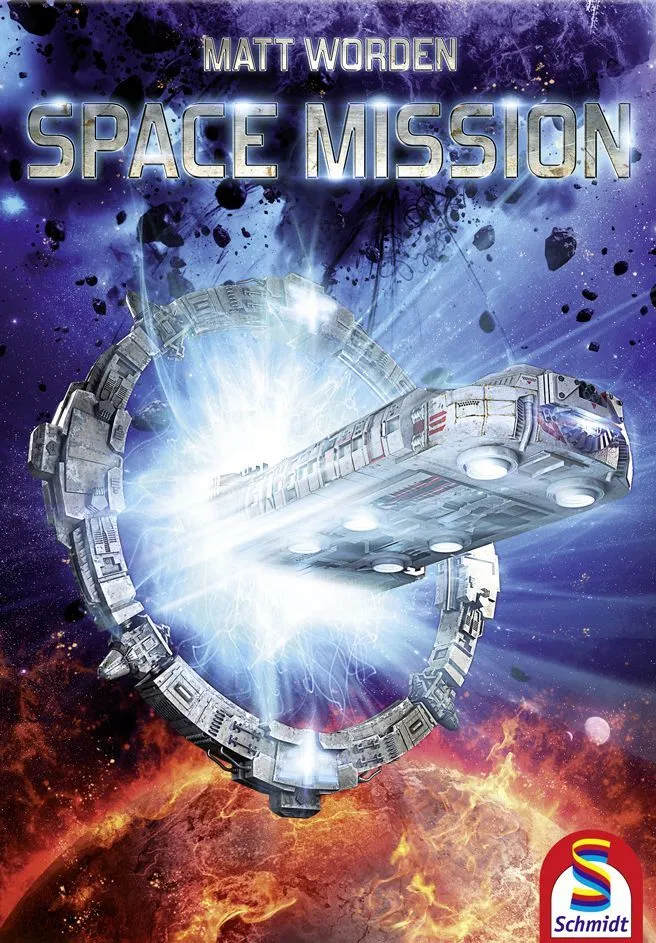
Space Mission
- 2–5 jugadores
- 45 min
- Complejidad 1,8/5
- 2011
2010
Ayuda con las reglas de Jump Gate
Explicaciones claras de turnos, efectos de cartas y situaciones dudosas, con referencias a fuentes oficiales e historial de preguntas guardado.
Para 2 jugadores
¿Qué quieres saber?
Las respuestas salen del reglamento oficial, con la página para comprobarlo.
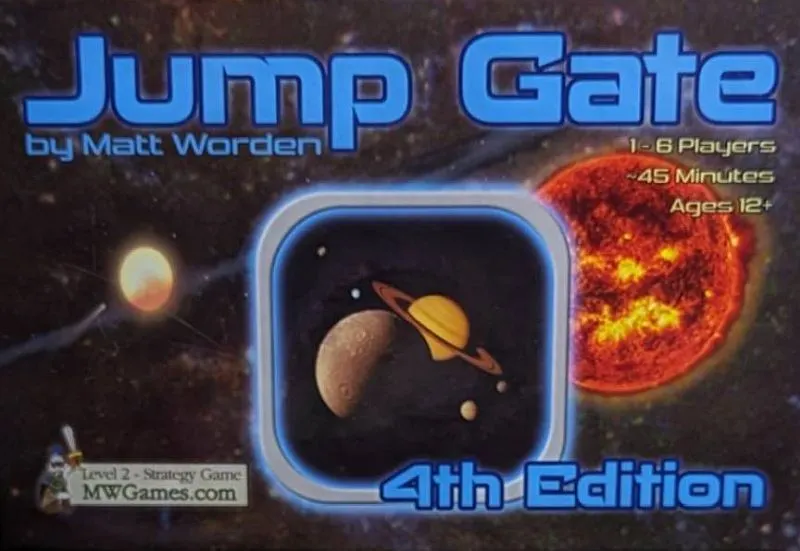
Jump Gate es un juego de mesa publicado en 2010 para 2–6 jugadores, con partidas de 45 minutos y a partir de 12 años. Fue diseñado por Matt Worden y sus mecánicas principales son Hand Management, Set Collection y Modular Board.



En inglés
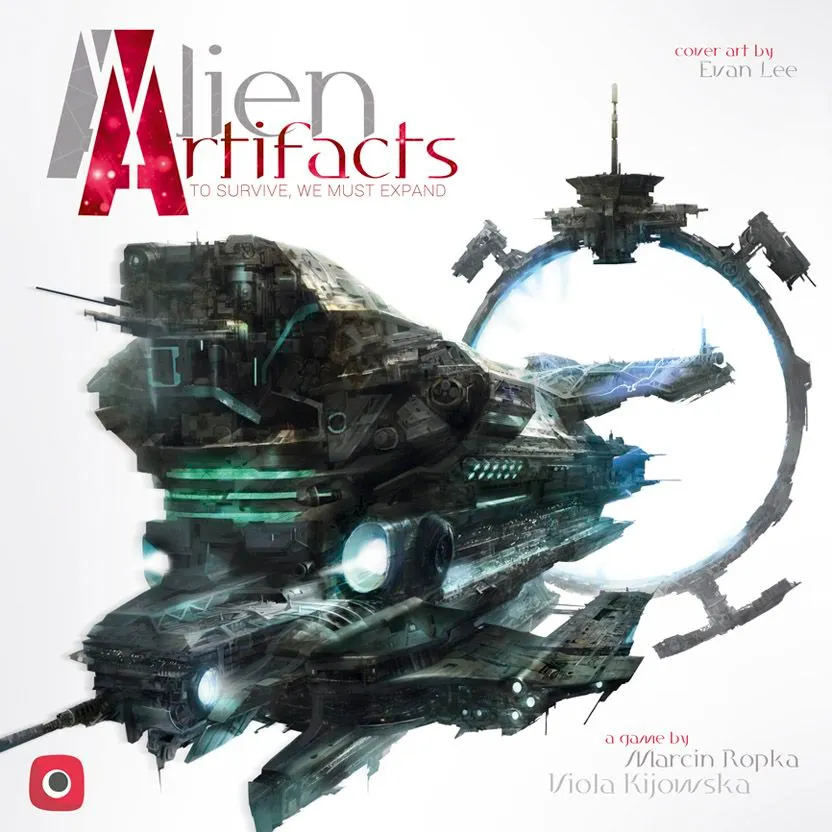
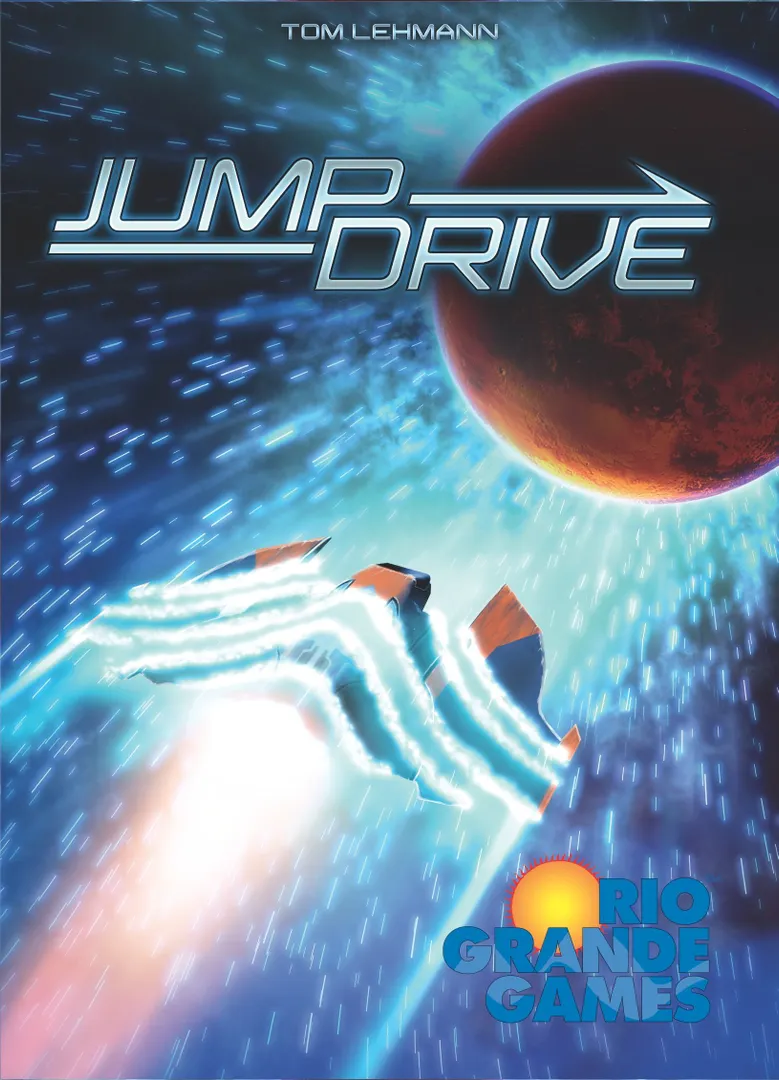
Explore far-away planets. Discover what resources and surprises they hold. Be the first to set foot on a new planet and claim it as your own. Collect resources to gain fortune and fame. All of this comes courtesy of: the Jump Gate. Players are spaceship captains that are competing to be the best at claiming new planets and collecting the resources found at those planets. Points are scored at the end of the game based on the number of planets they scanned and claimed, and their combination of resources collected. Each type of resource has a different method for being scored -- so, collecting sets of the same resource is encouraged ... and disrupting other players’ collection plans is good strategy. Gameplay Summary (1st & 2nd Editions) Eight planets are set in a circle around the Jump Gate and Black Hole Boards. Resource cards are distributed: 1 face-up to each player, 1 face-up to each planet, and the rest are distributed face-down amongst the planets. Players are each given 5 NavComp cards and the rest of the NavComp cards are set as a draw deck in the middle of the table. Each NavComp card contains 2 codes (used to take some of the standard actions) and possibly a special action. Players take turns around the table. On a player's turn, he/she takes 2 actions in any order, and may select from the following actions: Research (refill hand), Fly (move to neighboring planet), Jump (use the Jump Gate to move to another Planet), Scan (reveal a resource at a planet), Land & Claim (claim a planet and reveal all resources there), Harvest (collect a resource), and Special Action. Special actions include being able to scan a far-away planet, harvest extra resources, swap locations with another player, etc. When players "Jump", they add one of their markers to the Jump Gate Board. The player with the most markers on the Jump Gate Board at the end of the game gains an extra 5 points. If a player collects a Resource that has a "Black Hole" icon on it, a marker is added to the Black Hole Board. If too many markers get added to that board, the game ends and the player with the most markers on the Black Hole Board loses some of his/her collected Resources. The game can also end when all non-Black-Hole Resources have been collected from all of the planets. Scoring is done at the end of the game, and players are awarded points for Scanning and Claiming Planets, as well as for the combination of Resources they had collected. Each type of Resource has a different method for scoring -- but all encourage a player to collect as much of that Resource as possible. The player with the most total points is the winner. 3rd Edition Gameplay Changes The 3rd Edition, published in a smaller box with artwork and player component updates, also included a number of design changes: Max. Players is reduced to 5 New "Sand" resource replaces the "Nothing" cards from earlier editions Setup changes include giving players two or three hidden resource cards (as opposed to a single face-up card) and not every resource getting used in the game In-game changes include cleaner, more thematic scanning and harvesting rules The Black Hole only has 7 marker spaces on it, and triggering the end game via the Black Hole results in the player with the most markers on the Black Hole losing their hidden resources they received during setup instead of randomly-chosen resources No points are scored for scanning or the Jump Gate ... only the resources collected and Planets claimed
Según el catálogo, Jump Gate admite de 2 a 6 jugadores. Este intervalo corresponde al número de jugadores indicado por la editorial, así que el juego puede prepararse para cualquier grupo dentro de ese margen. La preparación, algunas reglas y la puntuación pueden variar según el número de jugadores; consulta la configuración exacta en el reglamento de tu edición.
La duración indicada para Jump Gate es de 45 minutos, la estimación de la editorial para una partida completa. El tiempo real depende del grupo, del número de jugadores y del conocimiento de las reglas: las primeras partidas suelen alargarse y los grupos con experiencia terminan antes. La preparación y la explicación de las reglas no están incluidas.
El catálogo indica Jump Gate a partir de 12 años. Es la recomendación de la editorial y refleja la lectura necesaria, la complejidad de las reglas y las piezas pequeñas, no solo el tema. Los más pequeños a menudo pueden jugar con ayuda de un adulto: comprueba la edad recomendada en tu edición y la experiencia de tu grupo.
Jump Gate tiene una puntuación de complejidad de 2,2 sobre 5 según los jugadores de BoardGameGeek, lo que lo convierte en un juego algo ligero. La puntuación refleja cuánto conocimiento de reglas, planificación y toma de decisiones exige una partida típica. Los juegos exigentes requieren una explicación inicial más larga, así que conviene usar una guía de preparación.
Jump Gate pertenece a estas categorías: Card Game, Science Fiction y Space Exploration. Sus mecánicas principales son Hand Management, Set Collection y Modular Board. Las categorías describen el tema y la ambientación de un juego, mientras que las mecánicas describen lo que los jugadores hacen realmente en su turno. Cada mecánica lleva a una página del catálogo con juegos similares.
Los autores acreditados de Jump Gate son: Matt Worden. Estos créditos proceden de los datos publicados del juego y nombran a las personas responsables de su diseño, no a ilustradores ni editoriales. Las páginas de autor de MeepleRules reúnen otros títulos de los mismos autores, algo útil cuando un juego te gusta y buscas otros parecidos.
El catálogo clasifica Jump Gate como juego base. Se juega por sí solo con los componentes de la caja y no requiere ningún otro título. Las expansiones, si existen, añaden contenido o reglas nuevas y aparecen por separado en el catálogo con un enlace a este juego base.