
- Puesto en BGG
- BGG #5169
- Puntuación BGG
- 8,0
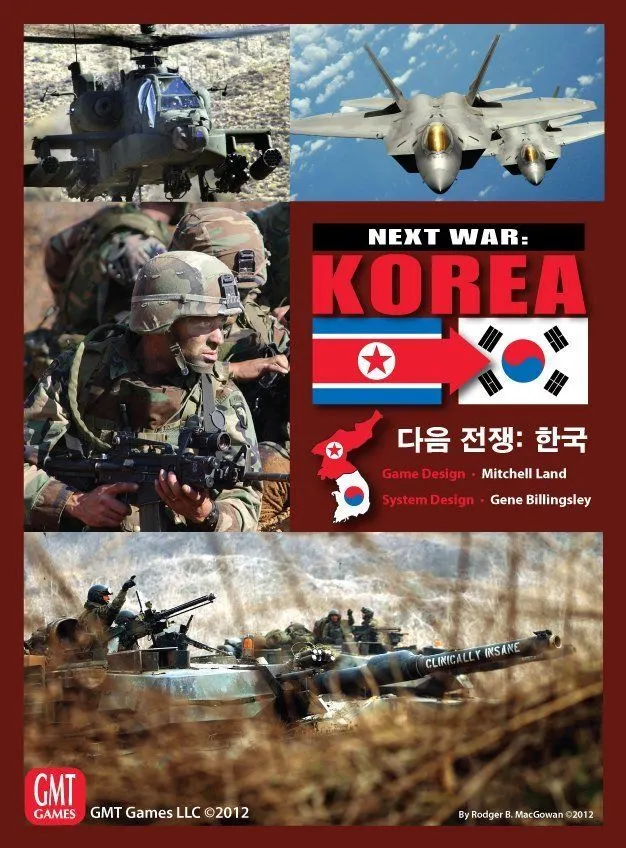
Next War: Korea
- 1–2 jugadores
- 120–480 min
- Complejidad 4,3/5
- 2012
2017
Ayuda con las reglas de Next War: Poland
Explicaciones claras de turnos, efectos de cartas y situaciones dudosas, con referencias a fuentes oficiales e historial de preguntas guardado.
Para 1 jugador
¿Qué quieres saber?
Las respuestas salen del reglamento oficial, con la página para comprobarlo.
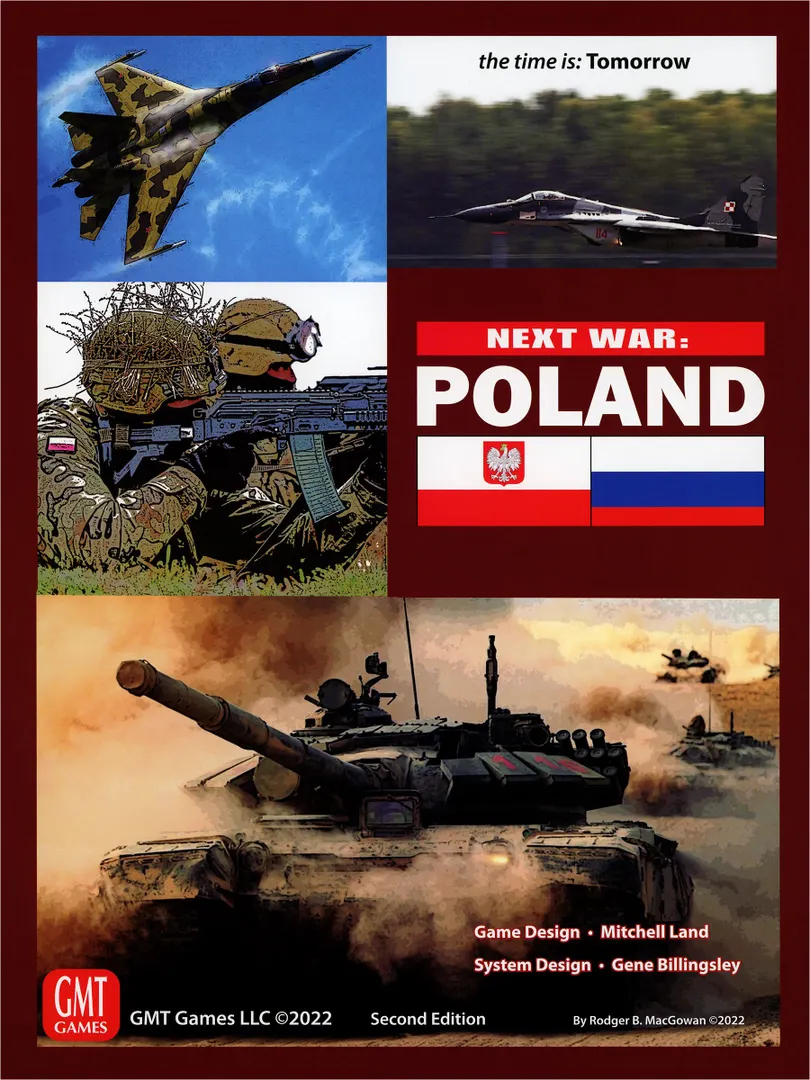
Next War: Poland es un juego de mesa publicado en 2017 para 1–2 jugadores, con partidas de 120 a 1200 minutos y a partir de 14 años. Fue diseñado por Gene Billingsley y Mitchell Land y sus mecánicas principales son Dice Rolling y Hexagon Grid.
En inglés
Ukraine is in turmoil: embroiled in a civil war which has lasted for years and the situation seems further from resolution with each year that passes. Clandestine support from both Russia and the West fuels the war and keeps any hope of peace at bay. In the meantime, the civil war in Syria and the fight against Islamic extremism gathers steam. NATO and Russia stare each other down in a "coopetittion" in the region, and tensions rise meteorically as not so "friendly" fire incidents occur. The West tightens sanctions against Russia and ratchets up its rhetoric; Russia, meanwhile, attempting to regain a place in global power politics, responds with sanctions of its own against Turkey and starts low-level cyber warfare and "little green men" incidents in the Baltics. Tempers flare across the world, Turkey shoots down another Russian plane while Russian SAM batteries shoot down a Turkish F-16 in retaliation. Russia declares enough is enough, decides on war with NATO, and invades the Baltics and Poland. Belarus, knowing where it's bread is buttered, joins in. Some NATO nations rush to the rescue while others debate the issue. Once again, Europe trembles to the rumble of tank treads and marching boots… Next War: Poland, the fourth volume in GMT's Next War Series. This game moves the action from Asia to Europe and allows players to fight a near future war in Poland as the Russians and their allies invade and NATO responds. Only a portion of Poland is shown as Ukraine is assumed to be in the midst of a grinding civil war. The Russians are not the behemoth of the Cold War, but they possess good material and a much better trained army. The Baltics may fall quickly, although their forces may put up some resistance and make an appearance as reinforcements, and the front quickly establishes itself in eastern Poland as the Russian 6th and 20th Armies push forward while NATO rushes forces into the area spearheaded by the Allied Rapid Reaction Corps and followed up by whatever nation's troops respond to the Article 5 declaration. The question is, can NATO stop the Russians or will Poland be overrun? Note: the Next War series is not an Introductory wargame. Rather, we have intended herein to create a system (and a series) that will allow detailed study of modern warfare in various venues as well as engaging gameplay. That said, the Standard Game rules encompass a fairly straightforward ruleset that will, we think, be considered pretty "easy to learn" by experienced wargamers. So players who choose to play Standard Game scenarios can have a relatively quick game when that's what suits them. The real flavor of a war in the theatre, though, comes through in the Advanced Game, where you get much more control over airpower and can more clearly see each side's strengths and weaknesses. For players who want a "mini-monster game" experience, playing the Advanced Game Campaign Scenarios with some or all of the optional rules will definitely "deliver."
Según el catálogo, Next War: Poland admite de 1 a 2 jugadores. Este intervalo corresponde al número de jugadores indicado por la editorial, así que el juego puede prepararse para cualquier grupo dentro de ese margen. La preparación, algunas reglas y la puntuación pueden variar según el número de jugadores; consulta la configuración exacta en el reglamento de tu edición.
La duración indicada para Next War: Poland es de 120 a 1200 minutos, la estimación de la editorial para una partida completa. El tiempo real depende del grupo, del número de jugadores y del conocimiento de las reglas: las primeras partidas suelen alargarse y los grupos con experiencia terminan antes. La preparación y la explicación de las reglas no están incluidas.
El catálogo indica Next War: Poland a partir de 14 años. Es la recomendación de la editorial y refleja la lectura necesaria, la complejidad de las reglas y las piezas pequeñas, no solo el tema. Los más pequeños a menudo pueden jugar con ayuda de un adulto: comprueba la edad recomendada en tu edición y la experiencia de tu grupo.
Next War: Poland tiene una puntuación de complejidad de 4,3 sobre 5 según los jugadores de BoardGameGeek, lo que lo convierte en un juego exigente. La puntuación refleja cuánto conocimiento de reglas, planificación y toma de decisiones exige una partida típica. Los juegos exigentes requieren una explicación inicial más larga, así que conviene usar una guía de preparación.
Next War: Poland pertenece a estas categorías: Wargame y Modern Warfare. Sus mecánicas principales son Dice Rolling y Hexagon Grid. Las categorías describen el tema y la ambientación de un juego, mientras que las mecánicas describen lo que los jugadores hacen realmente en su turno. Cada mecánica lleva a una página del catálogo con juegos similares.
Los autores acreditados de Next War: Poland son: Gene Billingsley y Mitchell Land. Estos créditos proceden de los datos publicados del juego y nombran a las personas responsables de su diseño, no a ilustradores ni editoriales. Las páginas de autor de MeepleRules reúnen otros títulos de los mismos autores, algo útil cuando un juego te gusta y buscas otros parecidos.
El catálogo clasifica Next War: Poland como juego base. Se juega por sí solo con los componentes de la caja y no requiere ningún otro título. Las expansiones, si existen, añaden contenido o reglas nuevas y aparecen por separado en el catálogo con un enlace a este juego base.