
- Puntuación BGG
- 7,3
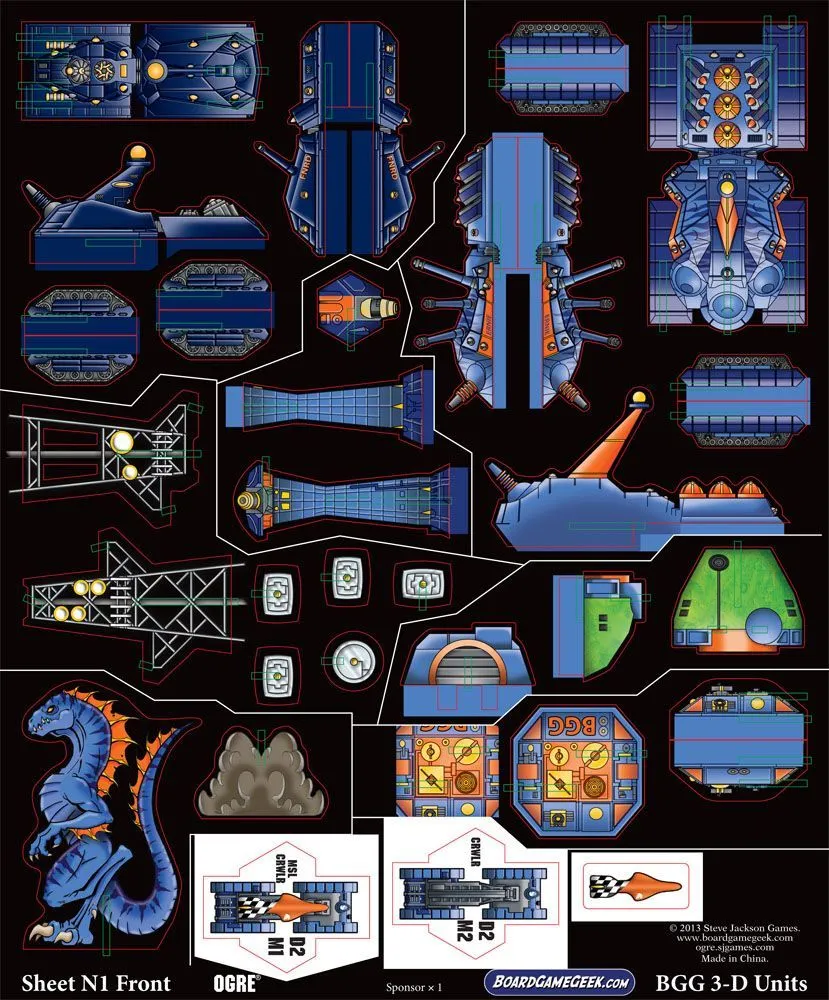
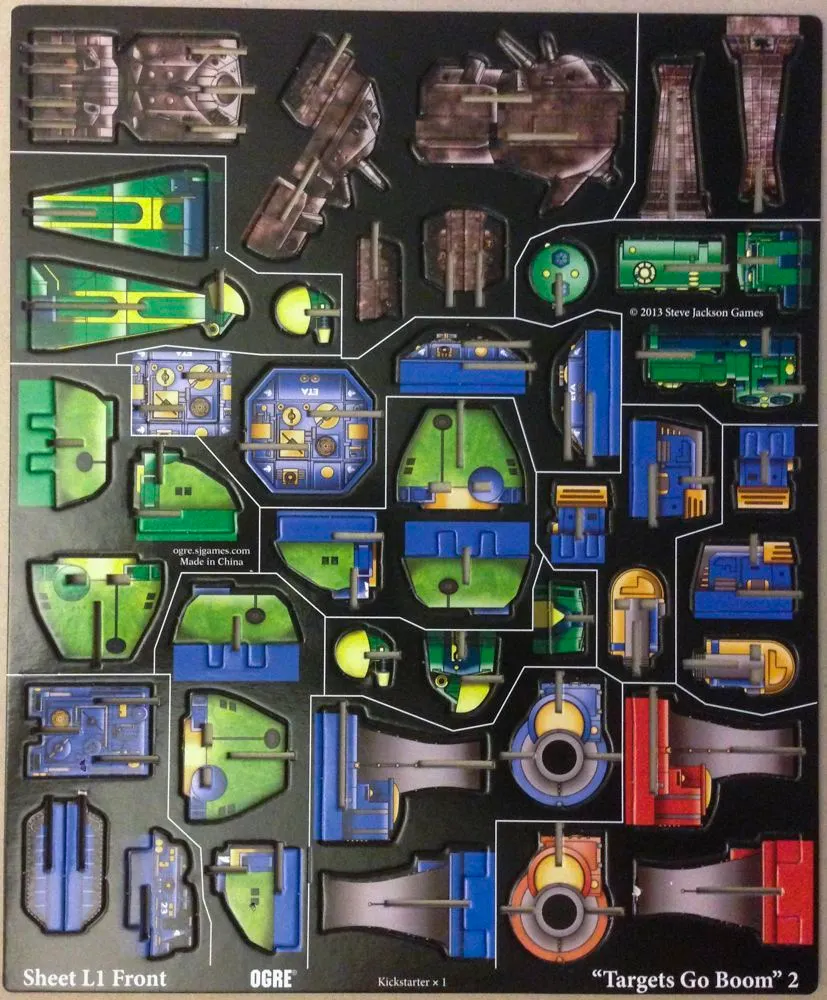
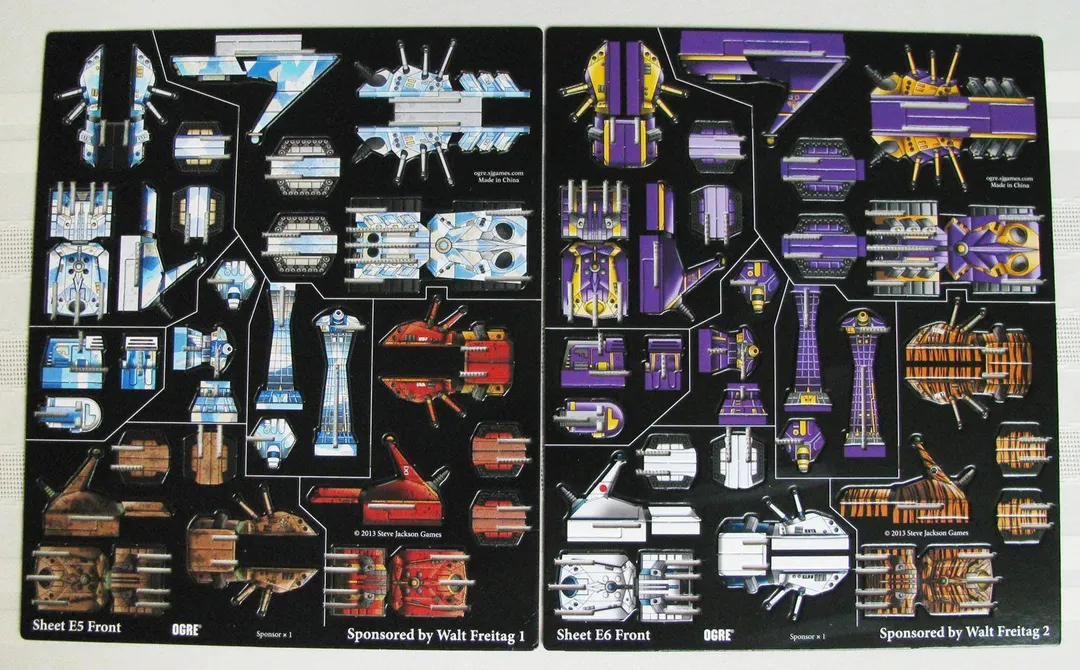
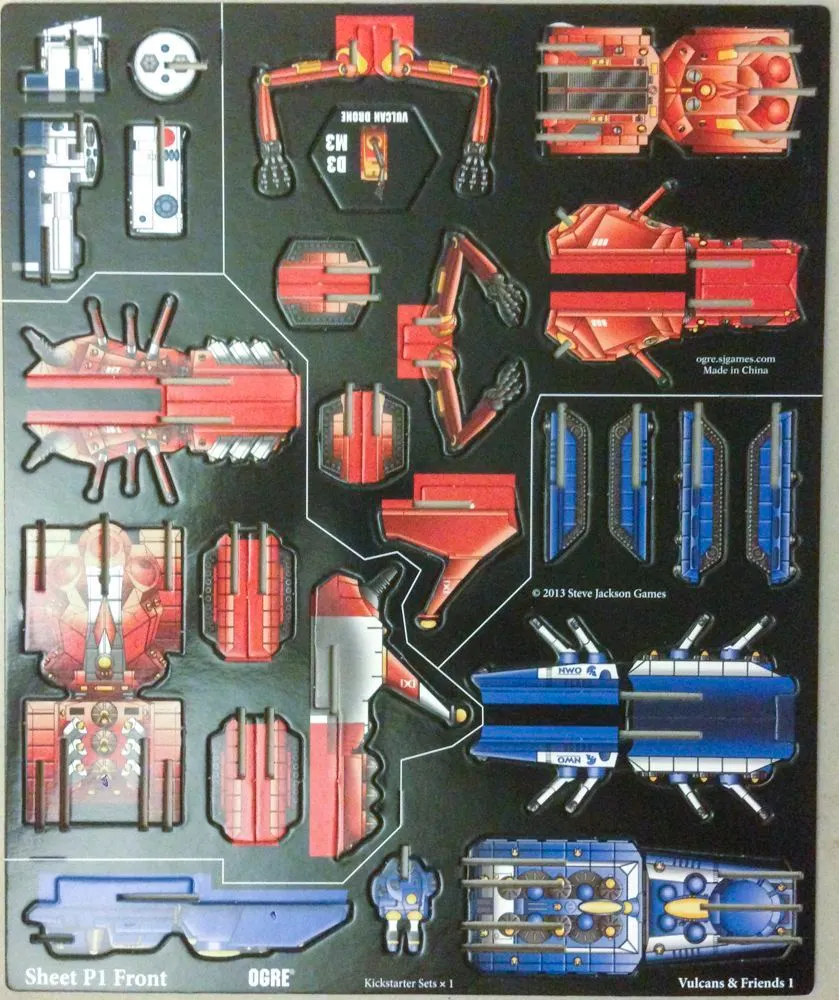
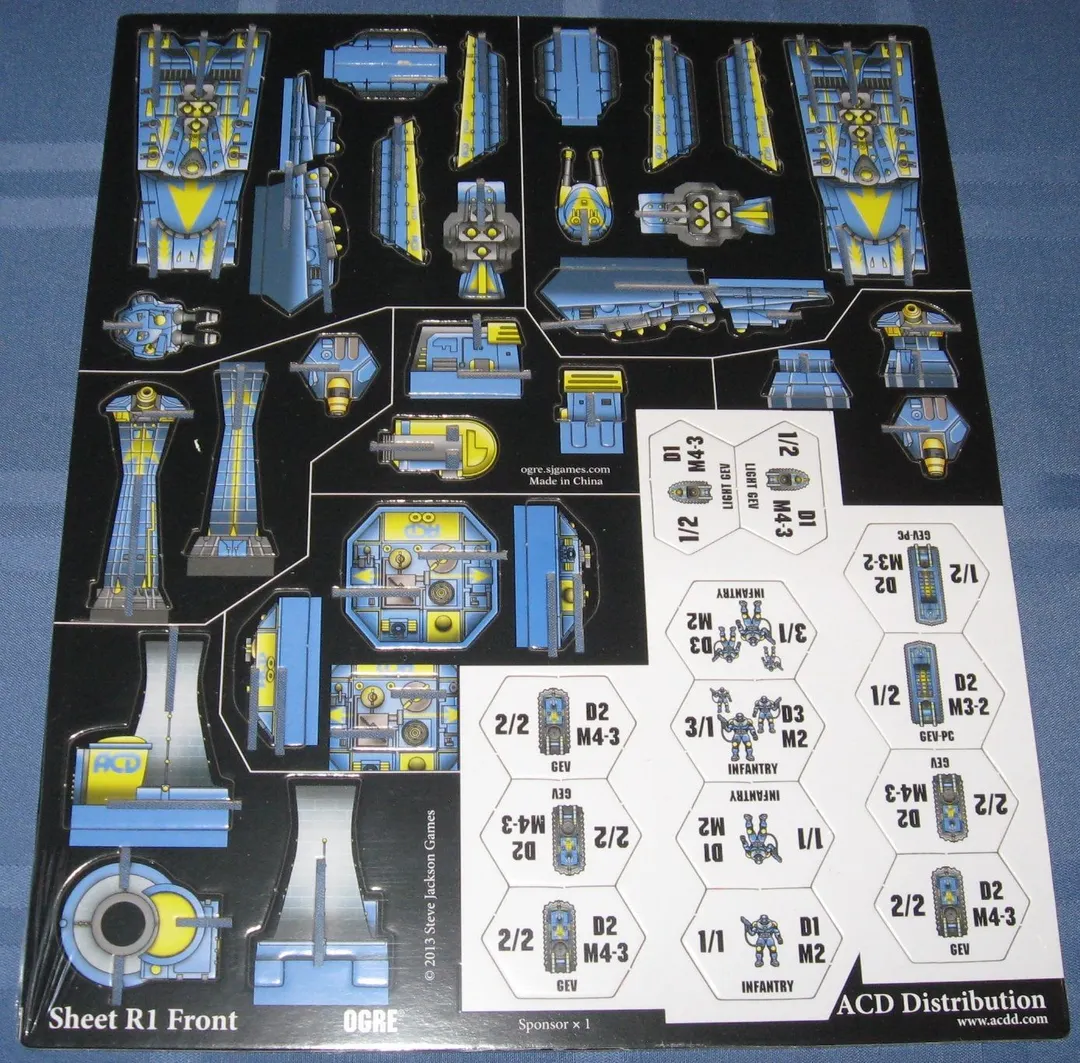
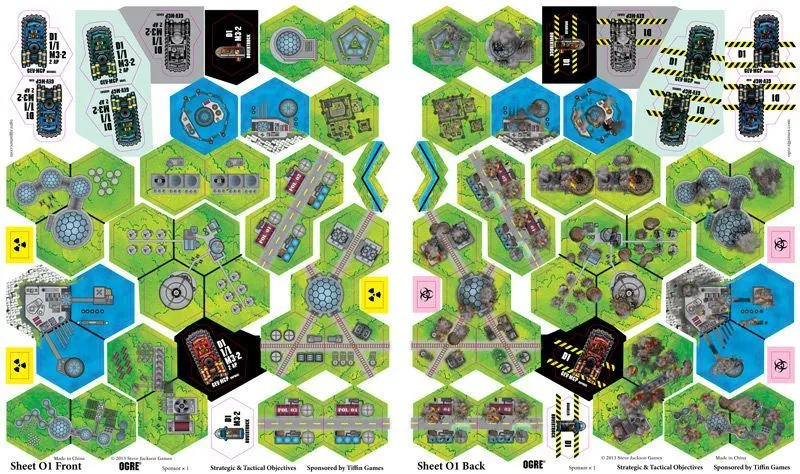
Ogre: BGG 3-D Units Sponsored Counter Sheet
- 2 jugadores
- 45 min
- Complejidad 2,3/5
- 2013
1977
Ayuda con las reglas de Ogre
Explicaciones claras de turnos, efectos de cartas y situaciones dudosas, con referencias a fuentes oficiales e historial de preguntas guardado.
Para 1 jugador
¿Qué quieres saber?
Las respuestas salen del reglamento oficial, con la página para comprobarlo.
Ogre es un juego de mesa publicado en 1977 para 1–3 jugadores, con partidas de 45 minutos y a partir de 10 años. Fue diseñado por Steve Jackson (I) y sus mecánicas principales son Variable Player Powers, Dice Rolling y Variable Set-up.
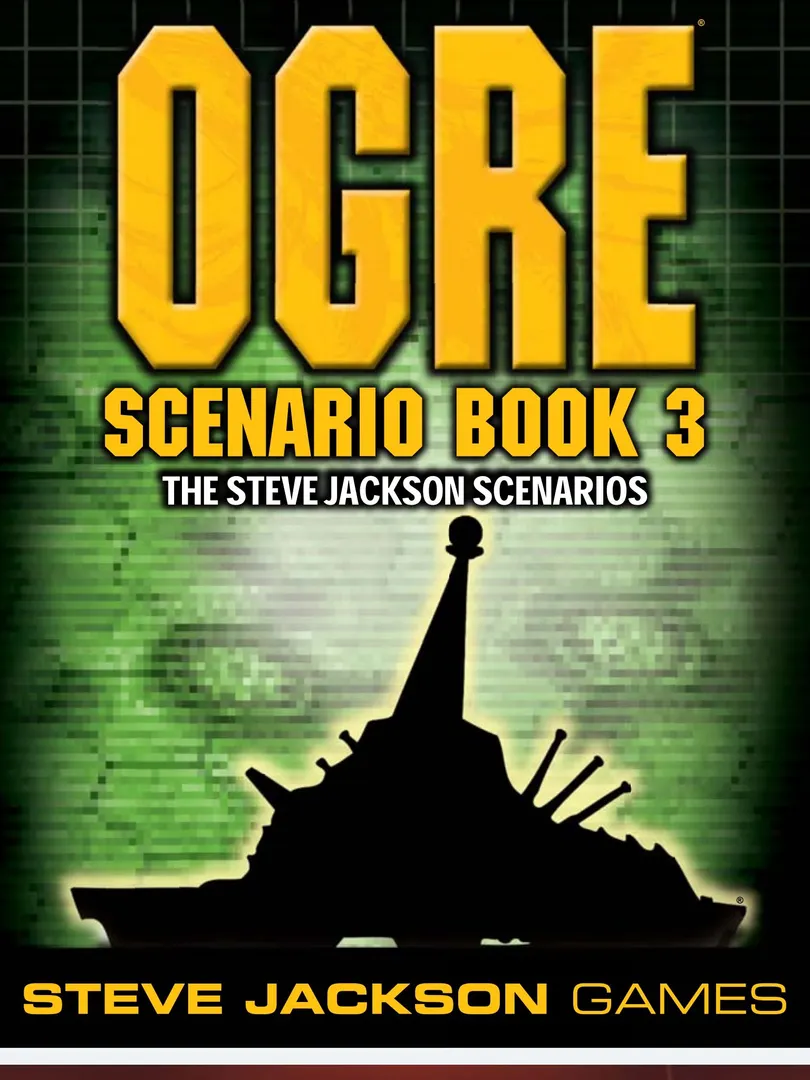
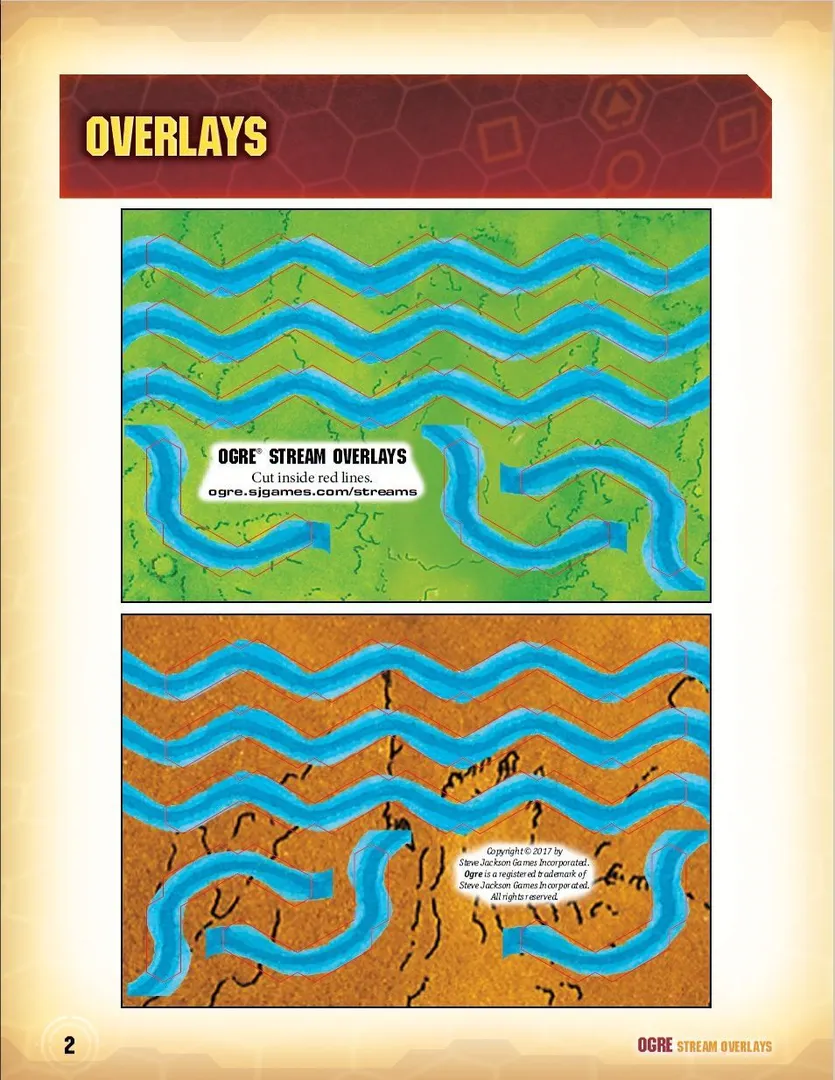
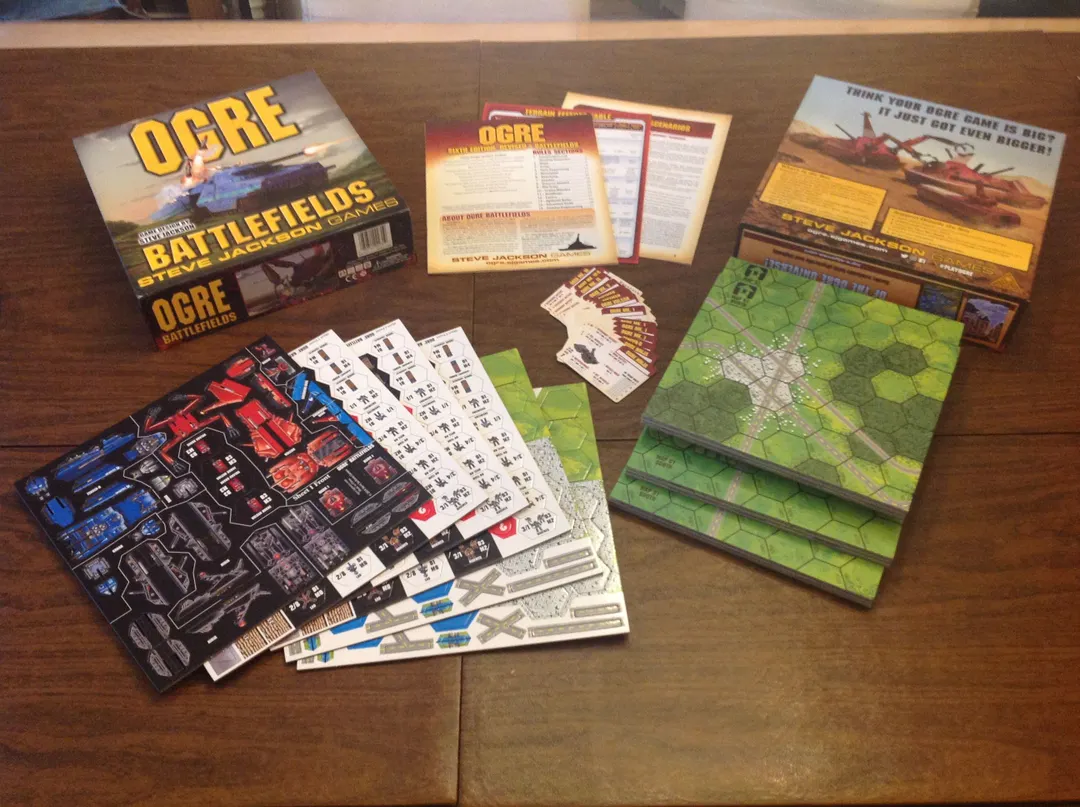
En inglés
OGRE and its sequel G.E.V. are tactical ground combat games set in the not-so-distant future. In 2085 A.D., armored warfare continues - faster and deadlier than ever. Hovercraft, tanks and infantry slug it out with tactical nuclear devices. But the most feared weapon of all needs no human guidance. It's a giant cybernetic tank called the OGRE. The basic OGRE game gives one player a force of infantry and armor, and a command post he must defend. The other player has only one unit - but it's an OGRE. It's an even match. Advanced games allow solitaire or multi-player action, with OGREs on both sides. Microgame #1 in the Metagaming Microgames series, and the original release of Ogre. Origin of the Game: Ogre / G.E.V.. This is an entry on RPGG: GURPS Ogre includes character and vehicle descriptions, a future timeline, a discussion of the world of the Ogres, and the Armor Unit Combat System, a quick way to resolve battles involving player characters and get back to the roleplaying!
Según el catálogo, Ogre admite de 1 a 3 jugadores. Este intervalo corresponde al número de jugadores indicado por la editorial, así que el juego puede prepararse para cualquier grupo dentro de ese margen. La preparación, algunas reglas y la puntuación pueden variar según el número de jugadores; consulta la configuración exacta en el reglamento de tu edición.
La duración indicada para Ogre es de 45 minutos, la estimación de la editorial para una partida completa. El tiempo real depende del grupo, del número de jugadores y del conocimiento de las reglas: las primeras partidas suelen alargarse y los grupos con experiencia terminan antes. La preparación y la explicación de las reglas no están incluidas.
El catálogo indica Ogre a partir de 10 años. Es la recomendación de la editorial y refleja la lectura necesaria, la complejidad de las reglas y las piezas pequeñas, no solo el tema. Los más pequeños a menudo pueden jugar con ayuda de un adulto: comprueba la edad recomendada en tu edición y la experiencia de tu grupo.
Ogre tiene una puntuación de complejidad de 2,3 sobre 5 según los jugadores de BoardGameGeek, lo que lo convierte en un juego algo ligero. La puntuación refleja cuánto conocimiento de reglas, planificación y toma de decisiones exige una partida típica. Los juegos exigentes requieren una explicación inicial más larga, así que conviene usar una guía de preparación.
Ogre pertenece a estas categorías: Wargame y Science Fiction. Sus mecánicas principales son Variable Player Powers, Dice Rolling y Variable Set-up. Las categorías describen el tema y la ambientación de un juego, mientras que las mecánicas describen lo que los jugadores hacen realmente en su turno. Cada mecánica lleva a una página del catálogo con juegos similares.
Los autores acreditados de Ogre son: Steve Jackson (I). Estos créditos proceden de los datos publicados del juego y nombran a las personas responsables de su diseño, no a ilustradores ni editoriales. Las páginas de autor de MeepleRules reúnen otros títulos de los mismos autores, algo útil cuando un juego te gusta y buscas otros parecidos.
El catálogo clasifica Ogre como juego base. Se juega por sí solo con los componentes de la caja y no requiere ningún otro título. Las expansiones, si existen, añaden contenido o reglas nuevas y aparecen por separado en el catálogo con un enlace a este juego base.