
- Puesto en BGG
- BGG #27.105
- Puntuación BGG
- 5,7
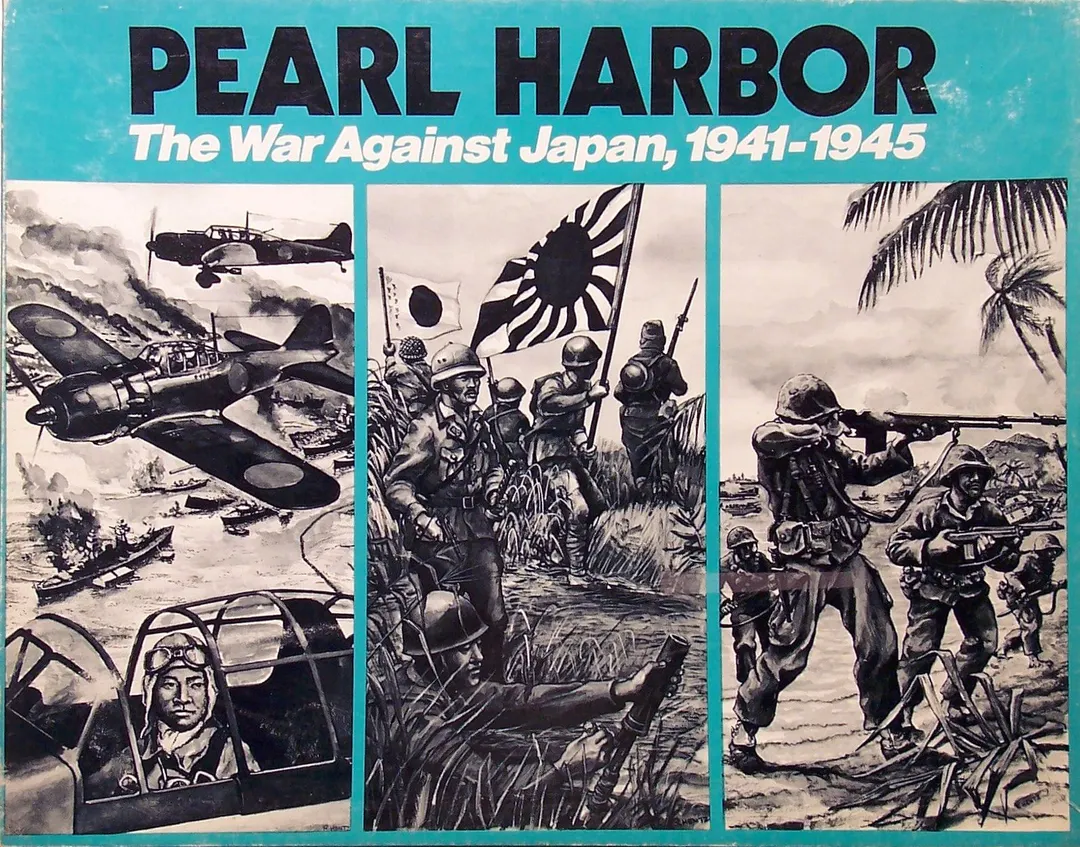
Pearl Harbor: The War Against Japan, 1941-1945
- 2–7 jugadores
- 180 min
- Complejidad 3,2/5
- 1977

1979
Ayuda con las reglas de Okinawa: The Bloodiest Battle of the Pacific Ocean
Explicaciones claras de turnos, efectos de cartas y situaciones dudosas, con referencias a fuentes oficiales e historial de preguntas guardado.
Para 2 jugadores
¿Qué quieres saber?
Las respuestas salen del reglamento oficial, con la página para comprobarlo.
Okinawa: The Bloodiest Battle of the Pacific Ocean es un juego de mesa publicado en 1979 para 2 jugadores, con partidas de 240 minutos y a partir de 12 años. Fue diseñado por Marco Donadoni y sus mecánicas principales son Dice Rolling, Variable Set-up y Grid Movement.






En inglés
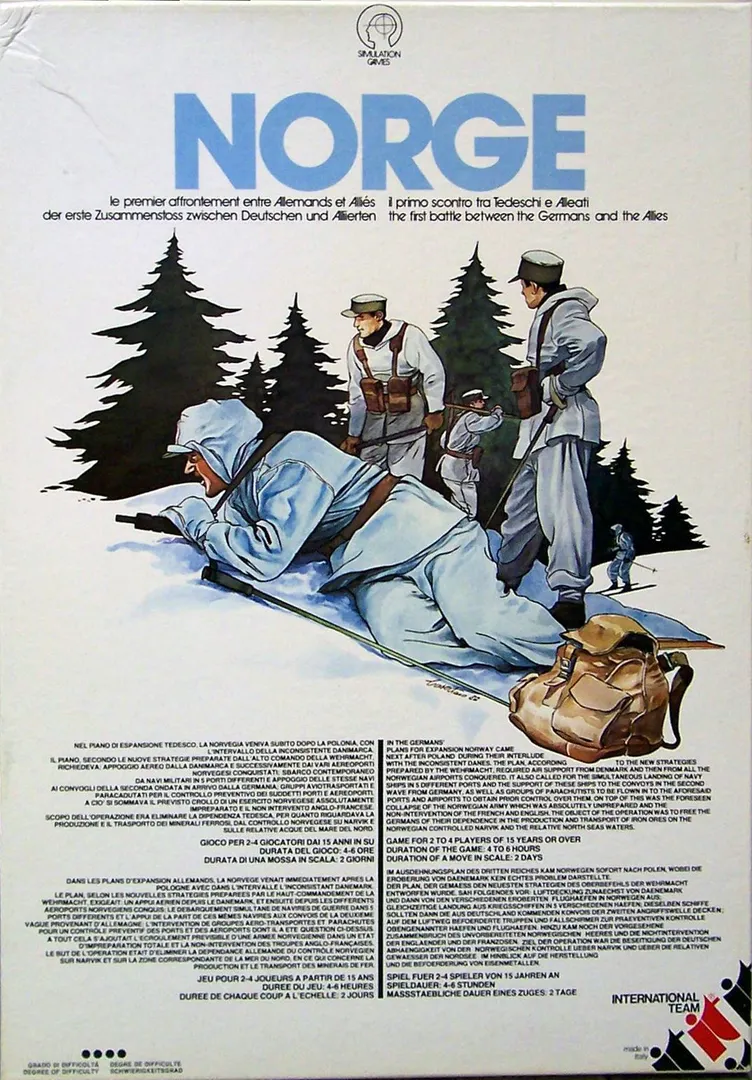
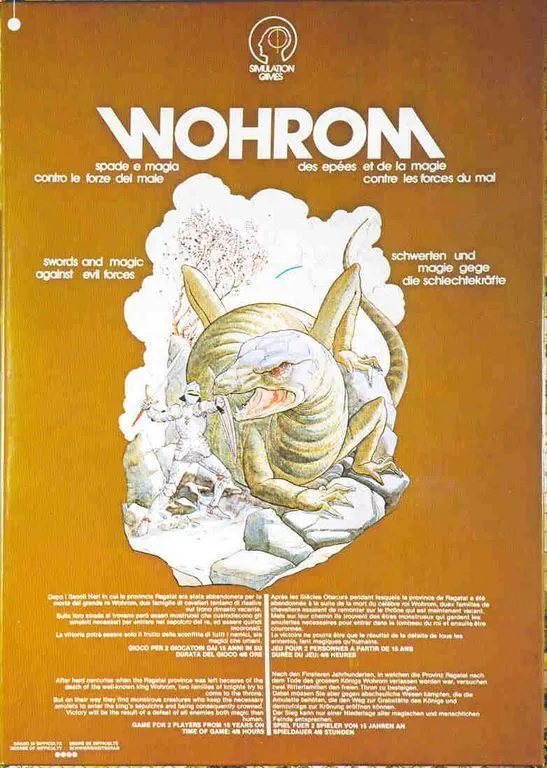
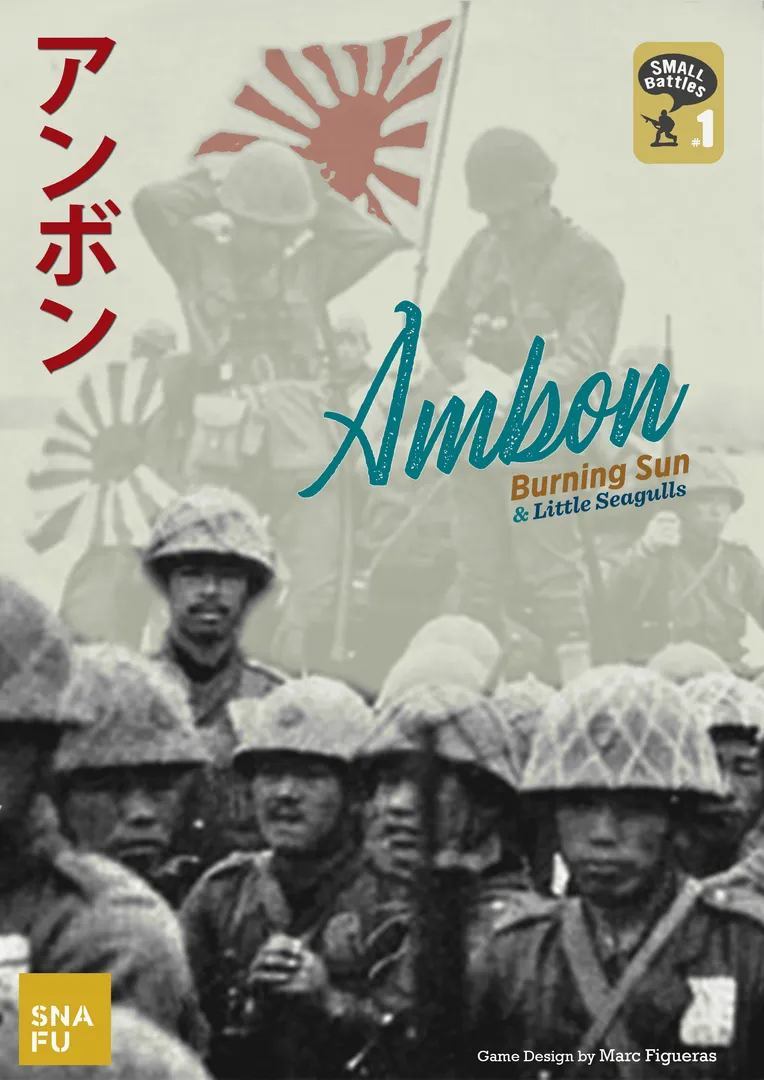
Landings and battles are displayed on two general maps while they are taking place on the island. Surprise techniques by the Japanese and the succession of land, air and naval battles in addition to historical faithfulness, make Okinawa a precise and amusing wargame. Degree of difficulty: 3/6 Contents: 20 little maps to calculate the hidden position of Japanese forces and American movement. 2 tables to resolve combat and to calculate the artillery fire in matte finish plasticized cardboard. 166 counters in plasticized, matte finish cardboard, cut and printed on both sides representing *American and Japanese units which took part to the battle. Playing board in rigid, thick cardboard with a matte plastic finish, cut into 5 pieces. Rule booklet in 4 languages with examples. Plastic storage tray and dice.
Según el catálogo, Okinawa: The Bloodiest Battle of the Pacific Ocean admite 2 jugadores. Es el número de jugadores indicado por la editorial, así que el juego está diseñado exactamente para esa cantidad de participantes. Las variantes para otros tamaños de grupo, si existen, se describen en el reglamento de tu edición; consúltalo antes de preparar otra configuración.
La duración indicada para Okinawa: The Bloodiest Battle of the Pacific Ocean es de 240 minutos, la estimación de la editorial para una partida completa. El tiempo real depende del grupo, del número de jugadores y del conocimiento de las reglas: las primeras partidas suelen alargarse y los grupos con experiencia terminan antes. La preparación y la explicación de las reglas no están incluidas.
El catálogo indica Okinawa: The Bloodiest Battle of the Pacific Ocean a partir de 12 años. Es la recomendación de la editorial y refleja la lectura necesaria, la complejidad de las reglas y las piezas pequeñas, no solo el tema. Los más pequeños a menudo pueden jugar con ayuda de un adulto: comprueba la edad recomendada en tu edición y la experiencia de tu grupo.
Okinawa: The Bloodiest Battle of the Pacific Ocean tiene una puntuación de complejidad de 3,1 sobre 5 según los jugadores de BoardGameGeek, lo que lo convierte en un juego de complejidad media. La puntuación refleja cuánto conocimiento de reglas, planificación y toma de decisiones exige una partida típica. Los juegos exigentes requieren una explicación inicial más larga, así que conviene usar una guía de preparación.
Okinawa: The Bloodiest Battle of the Pacific Ocean pertenece a estas categorías: Wargame, Nautical y World War II. Sus mecánicas principales son Dice Rolling, Variable Set-up y Grid Movement. Las categorías describen el tema y la ambientación de un juego, mientras que las mecánicas describen lo que los jugadores hacen realmente en su turno. Cada mecánica lleva a una página del catálogo con juegos similares.
Los autores acreditados de Okinawa: The Bloodiest Battle of the Pacific Ocean son: Marco Donadoni. Estos créditos proceden de los datos publicados del juego y nombran a las personas responsables de su diseño, no a ilustradores ni editoriales. Las páginas de autor de MeepleRules reúnen otros títulos de los mismos autores, algo útil cuando un juego te gusta y buscas otros parecidos.
El catálogo clasifica Okinawa: The Bloodiest Battle of the Pacific Ocean como juego base. Se juega por sí solo con los componentes de la caja y no requiere ningún otro título. Las expansiones, si existen, añaden contenido o reglas nuevas y aparecen por separado en el catálogo con un enlace a este juego base.