
- Puesto en BGG
- BGG #17.702
- Puntuación BGG
- 6,6
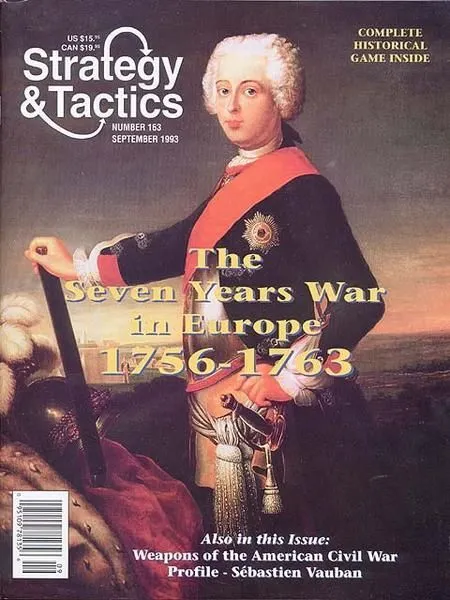
The Seven Years War
- 2–6 jugadores
- 240 min
- Complejidad 2,9/5
- 1993
1994
Ayuda con las reglas de On to Moscow
Explicaciones claras de turnos, efectos de cartas y situaciones dudosas, con referencias a fuentes oficiales e historial de preguntas guardado.
Para 2 jugadores
¿Qué quieres saber?
Las respuestas salen del reglamento oficial, con la página para comprobarlo.
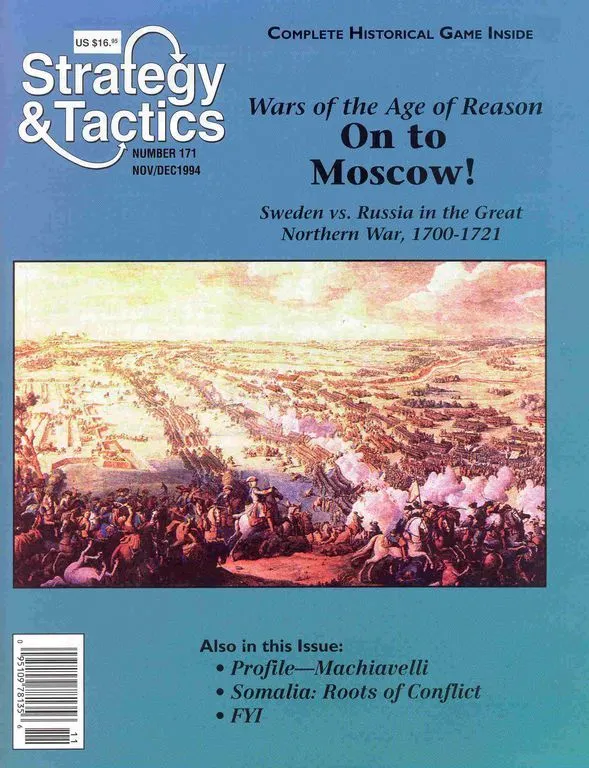
On to Moscow es un juego de mesa publicado en 1994 para 2 jugadores y con partidas de 180 minutos. Fue diseñado por Joseph Miranda y sus mecánicas principales son Dice Rolling y Hexagon Grid.


En inglés
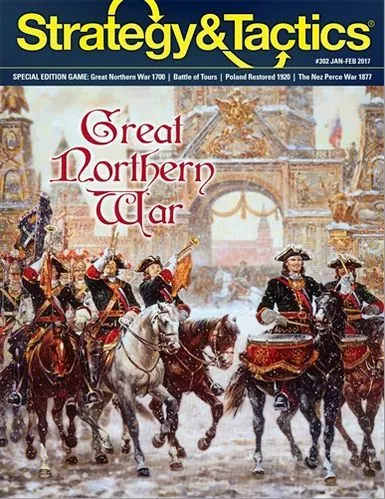
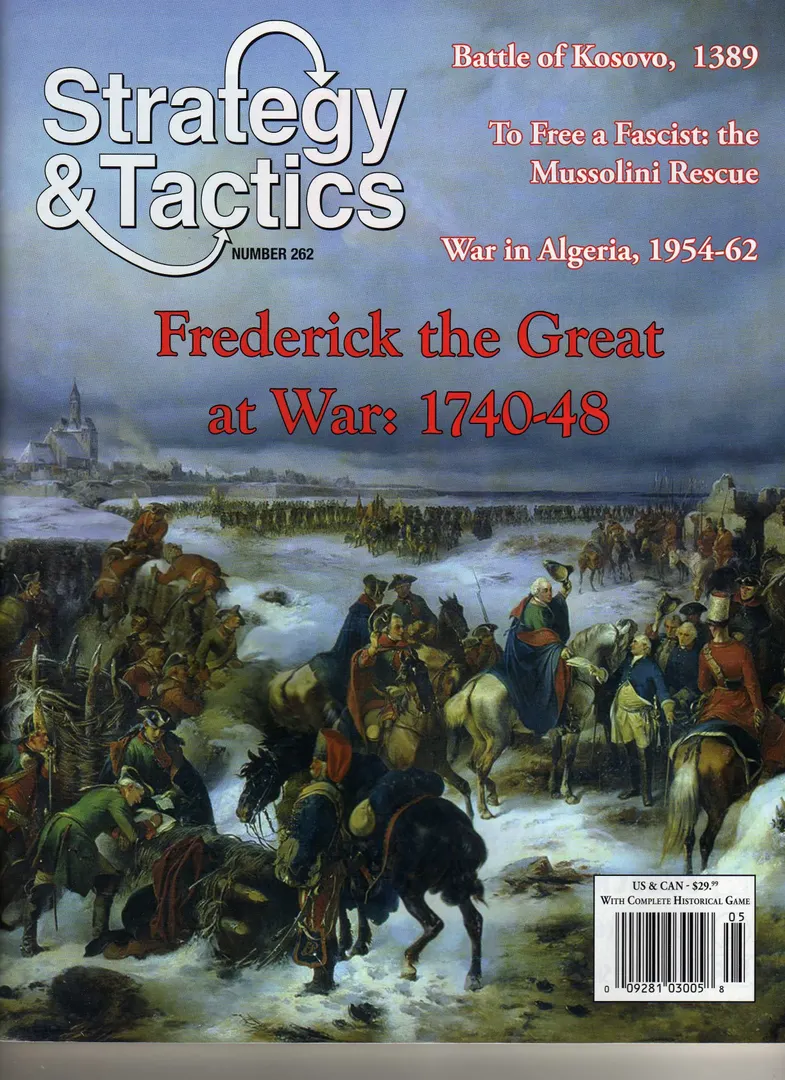
ON TO MOSCOW , Sweden vs Russia in the great northern war, 1700-1721. ON TO MOSCOW is a simulation of the climactic Russian campaign of the Great Northern War (1700-172 1). Charles XII, King of Sweden, personally led an invasion deep into Tsar Peter the Great’s realm. The Russians engaged in a successful defensive campaign which culminated in the epic battle of Poltava. As a result, Sweden’s mastery of the north was forever smashed, and Russia emerged as a great European power. In ON TO MOSCOW, one player controls the Swedish side; the other controls the Russian side. The objective is to gain control of as many Fortress cities as possible and destroy the enemy’s military power. Each side has a number of military units and leaders with which to attack enemy forces and gain control of Fortresses. The rules consist of a Standard Game that gives a relatively simple but historically valid game, and an Advanced Game providing a more complete historical simulation. Players who want to learn the game quickly should just read the GENERAL RULE beneath each major rules section, and then follow the specific procedures within each section as the need arises during the course of play.
Según el catálogo, On to Moscow admite 2 jugadores. Es el número de jugadores indicado por la editorial, así que el juego está diseñado exactamente para esa cantidad de participantes. Las variantes para otros tamaños de grupo, si existen, se describen en el reglamento de tu edición; consúltalo antes de preparar otra configuración.
La duración indicada para On to Moscow es de 180 minutos, la estimación de la editorial para una partida completa. El tiempo real depende del grupo, del número de jugadores y del conocimiento de las reglas: las primeras partidas suelen alargarse y los grupos con experiencia terminan antes. La preparación y la explicación de las reglas no están incluidas.
On to Moscow tiene una puntuación de complejidad de 3,0 sobre 5 según los jugadores de BoardGameGeek, lo que lo convierte en un juego de complejidad media. La puntuación refleja cuánto conocimiento de reglas, planificación y toma de decisiones exige una partida típica. Los juegos exigentes requieren una explicación inicial más larga, así que conviene usar una guía de preparación.
On to Moscow pertenece a estas categorías: Wargame y Age of Reason. Sus mecánicas principales son Dice Rolling y Hexagon Grid. Las categorías describen el tema y la ambientación de un juego, mientras que las mecánicas describen lo que los jugadores hacen realmente en su turno. Cada mecánica lleva a una página del catálogo con juegos similares.
Los autores acreditados de On to Moscow son: Joseph Miranda. Estos créditos proceden de los datos publicados del juego y nombran a las personas responsables de su diseño, no a ilustradores ni editoriales. Las páginas de autor de MeepleRules reúnen otros títulos de los mismos autores, algo útil cuando un juego te gusta y buscas otros parecidos.
El catálogo clasifica On to Moscow como juego base. Se juega por sí solo con los componentes de la caja y no requiere ningún otro título. Las expansiones, si existen, añaden contenido o reglas nuevas y aparecen por separado en el catálogo con un enlace a este juego base.